
Inside NEOUS: Why Vanissa Antonious Designs for Real Life, Not the Runway
Style
•
May 6, 2026
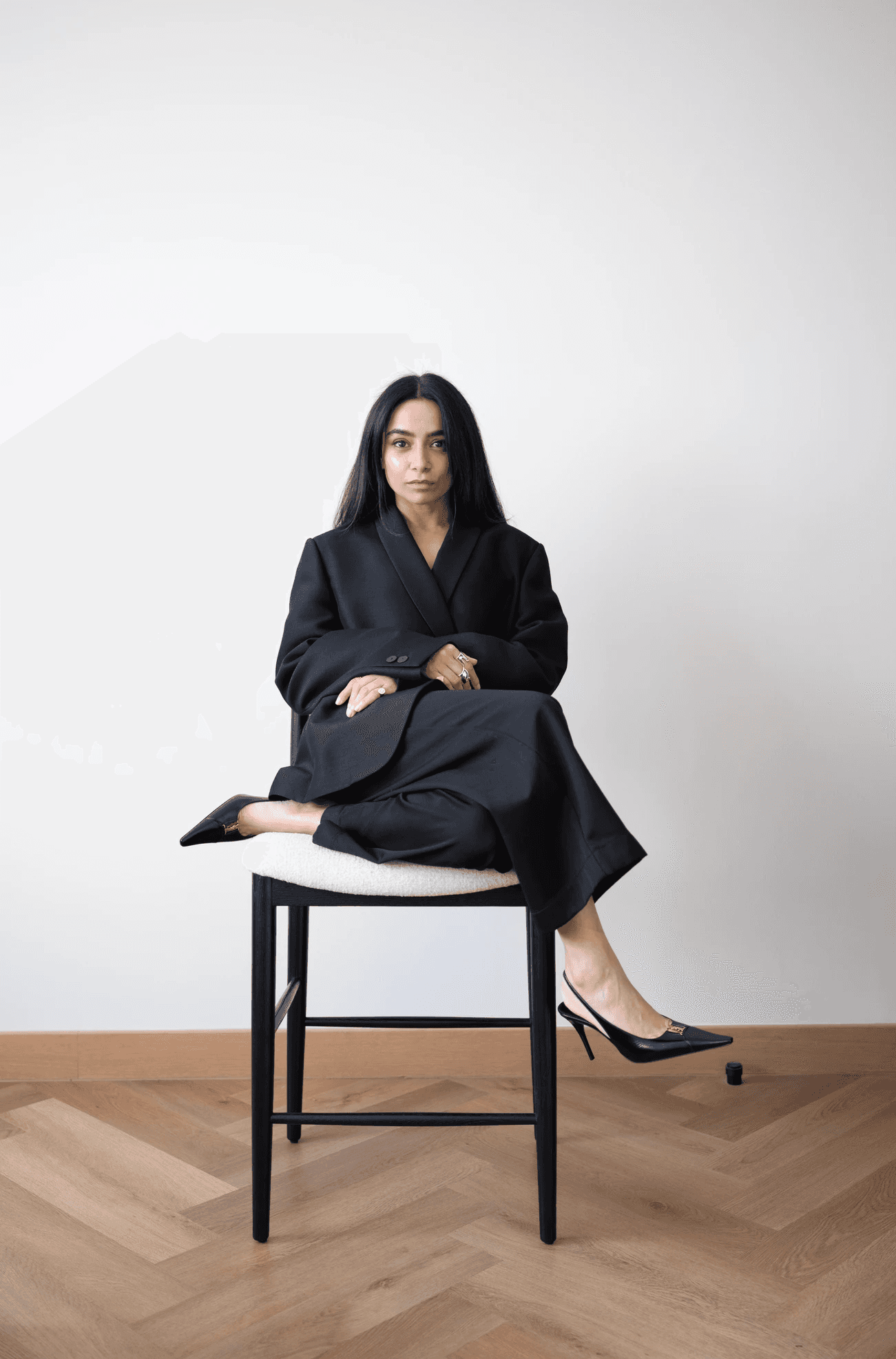
Amrita Singh
Chief Editor

There’s a quiet confidence to NEOUS - the kind that doesn’t rely on trends or spectacle to be noticed. Founded by Vanissa Antonious, the London-based label has built a cult following on sculptural minimalism, intelligent design, and an understanding of how women actually live in their clothes.
Before launching NEOUS, Vanissa Antonious spent years inside the fashion system - working across magazines and styling, observing the industry from the inside out. That early exposure shaped a perspective that still defines the brand today with the idea that fashion isn’t just about the product, it’s always about the person wearing it as much as it is about the context, the movement, and the life around it.
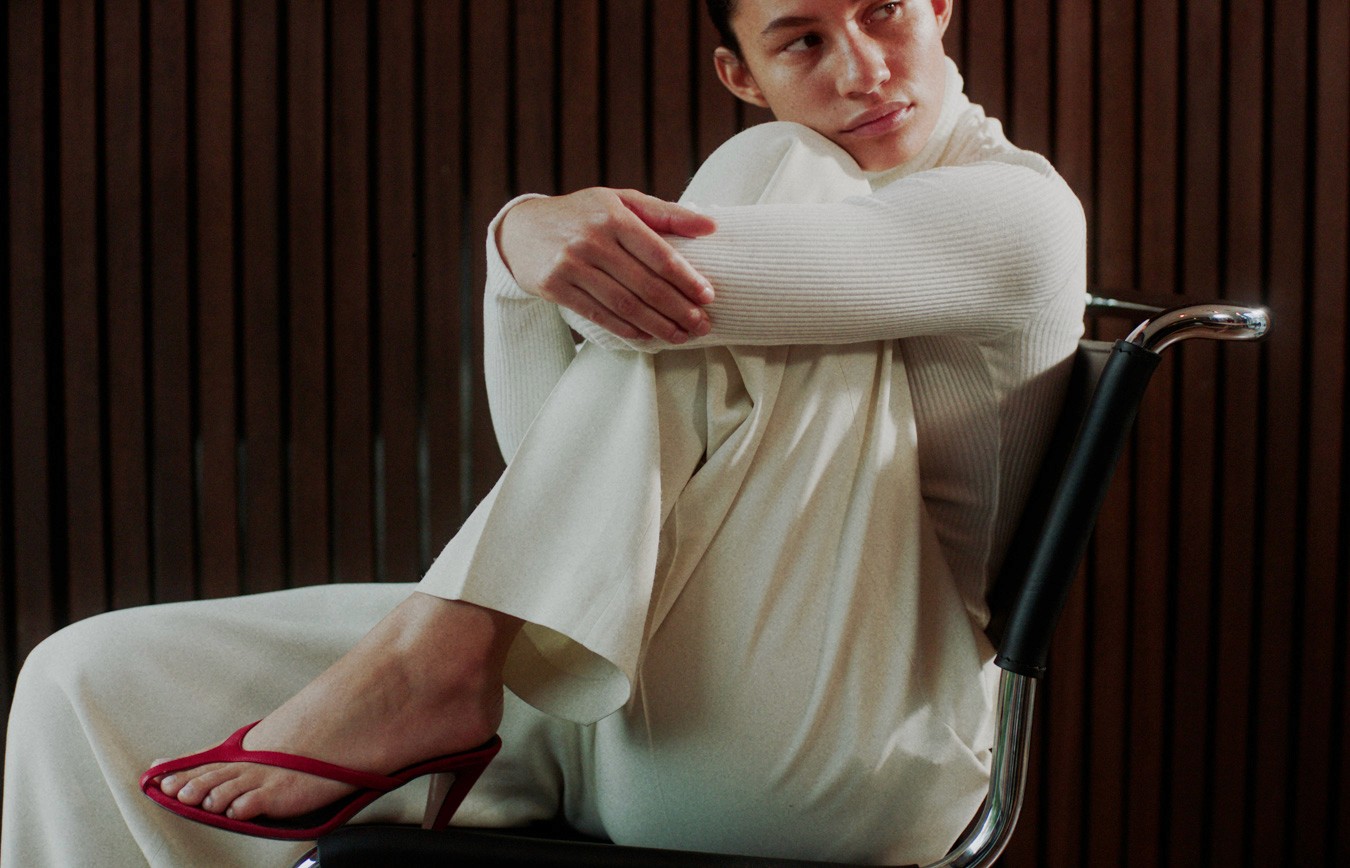
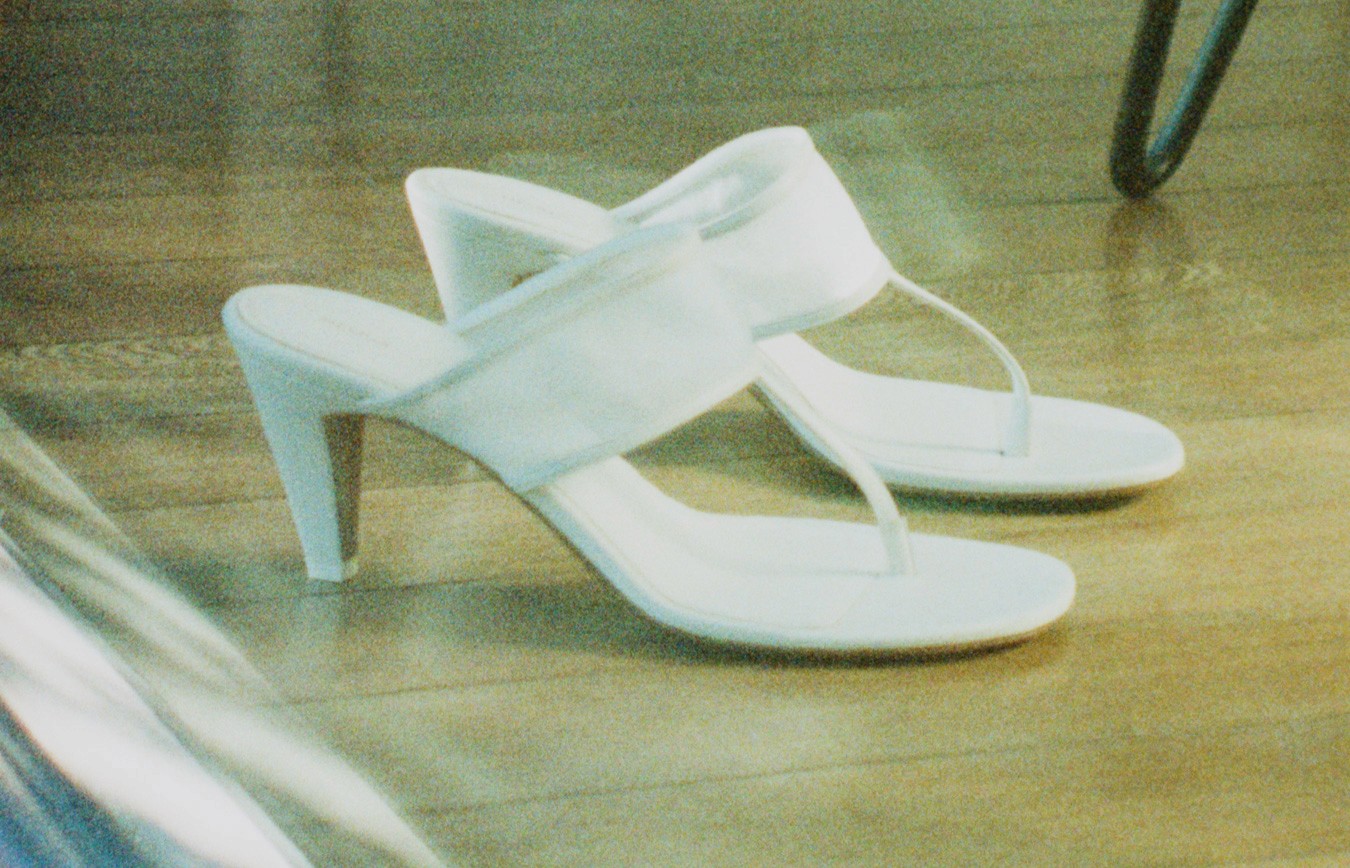
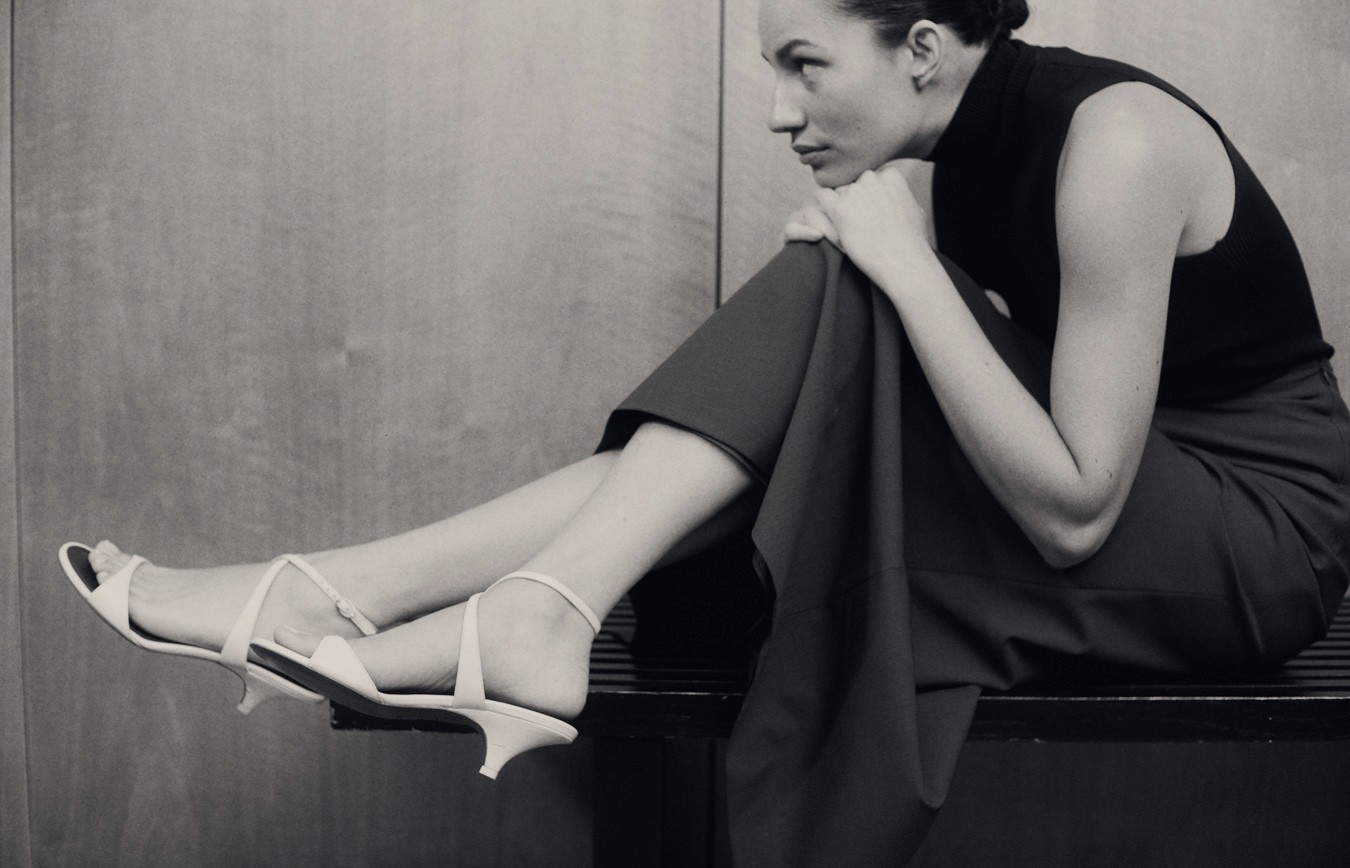
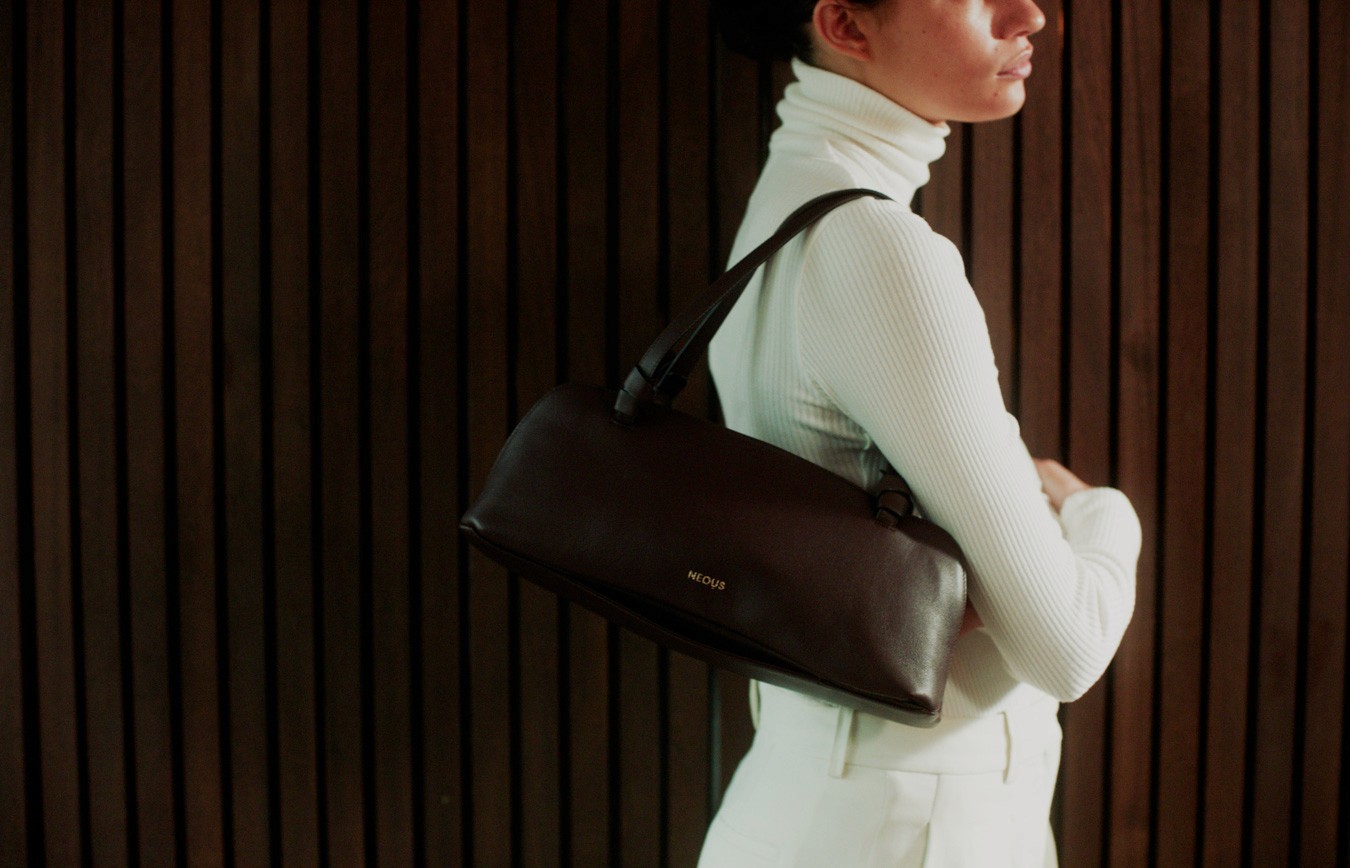
Nearly a decade on, NEOUS has become one of those rare brands that feels both considered and instinctive. Its signature mid-heels and sculptural forms sit somewhere between design object and everyday essential - never loud, never overworked, but always intentional. In a landscape that often leans toward excess, Antonious’s approach is refreshingly restrained.
You started your career inside fashion media before launching NEOUS. What did working at magazines teach you about the industry that most designers probably never get to see?
Working in media teaches you to think beyond a single product. You are always considering the full picture, the outfit, the image, the life of the person wearing it. It’s fashion through the lens of building character and personality. That perspective stays with you. It makes you design with a wider context in mind rather than in isolation.
NEOUS has a very recognisable aesthetic - sculptural, minimal, quietly confident. Was that language clear to you from the beginning, or did it evolve as the brand grew?
In some ways it was clear from the beginning. I always knew I wanted the brand to feel distinctive and versatile. But it has definitely evolved. The world changes, and you have to move with it while staying true to why you started. In the beginning you try things, sometimes too many things. Over time, it becomes more about removing. The clarity comes from editing rather than adding, and I think the brand feels more certain now.
NEOUS launched with footwear before moving into bags. What is it about shoes that makes them such an interesting starting point for a designer?
Shoes are probably the most unforgiving category, and I can definitely attest to that. They have to function, and there is a very technical side to design and fit that you can’t avoid.
In the beginning I was often told certain ideas weren’t possible, but working closely with technicians, you find solutions. That process builds discipline, attention to detail, and a level of care that becomes part of your foundation.
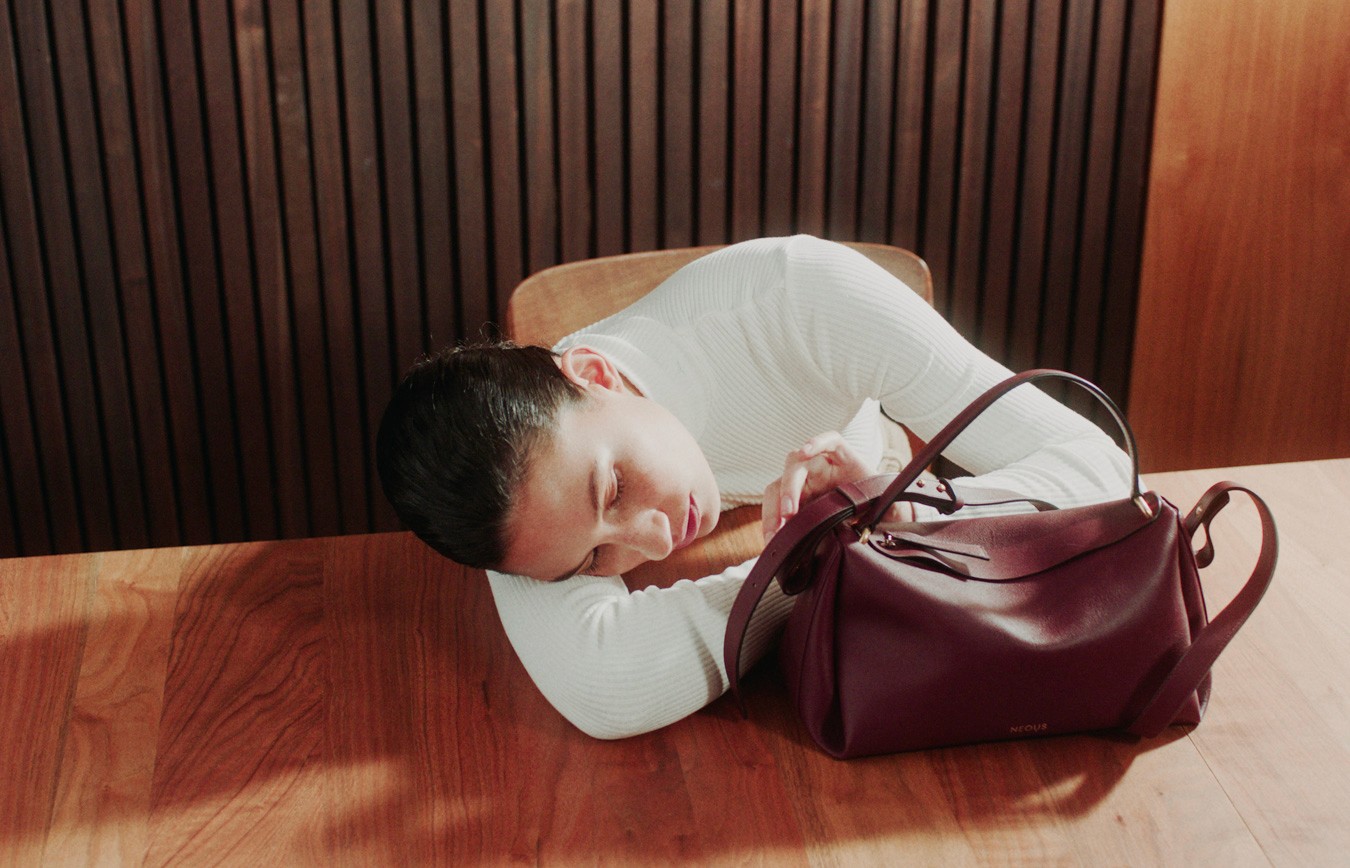
The brand has built a reputation around mid-heel shoes - something that feels very deliberate in an industry that tends to favour extremes. Was that a conscious design philosophy?
Yes, but not as a reaction. I was more interested in where design meets real life. Mid heels sit in that space. They don’t demand attention, but they still have presence. There’s something quite modern in that, not needing to prove anything. For me, they promote confidence, and that’s always how I want people to feel in our footwear.
When I started designing, I always thought about how people feel when they encounter an object or a piece of furniture they truly love. There’s a physical reaction, something you feel in your chest. That’s what I want to create, but in fashion. It comes down to proportion and how something holds itself. You keep refining small details until it feels settled, almost inevitable. That’s usually when you know it’s right.
Who is the woman you imagine when you’re designing?
She’s instinctive. She knows what she likes and doesn’t look for validation. She dresses for herself, not for a moment or an audience. That changes the role of the product. It needs to support her, not define her.
You’re Australian, of Egyptian heritage, and built the brand in London - three very different cultural references. Do those influences show up in the way you design?
They do, but not in a literal way. It’s more subtle. They’ve shaped how I see proportion, materials, and restraint. More than anything, they’ve shaped me as a person, my perspective, my determination, and my desire to create. That naturally filters into the work.
Many brands talk about timeless design, but very few actually achieve it. What does “timeless” mean to you when you’re designing something new?
I’m always a bit cautious of the word. It can sometimes mean safe. For me, timeless is more personal. It might be something you wear for years, or something you come back to after time away. Trends move faster than ever, so I think timelessness is really about buying something you genuinely love, something that isn’t driven by external noise. That will look different for everyone.
Shoes can completely change how someone carries themselves. Do you think about that psychological aspect when designing?
Absolutely. It’s part of the reason I started the brand. I wanted women to feel good in what they wear, but in an effortless way. Fashion has a real ability to shift how you feel about yourself, and I don’t think we speak about that enough. It can genuinely change your day.
You work with family-run factories in Italy. In an industry obsessed with speed, why was that slower, more traditional approach important to you?
People are incredibly important to me. If I’m not building something with people I respect and feel connected to, then it loses meaning. There’s something very powerful in creating together, in solving problems together. Over time, that builds a shared understanding. It becomes less transactional and much more considered. The product is always better for it.
After almost a decade of building the brand, what have been the biggest surprises about running your own fashion label?
How much resilience it requires. You start with the creative side in mind, but so much of it is about navigating things you can’t control. Learning how to stay clear on what you’re building, even when everything around you is shifting, has probably been the biggest lesson.
Finally - what does success look like for NEOUS now? Is it growth, cultural influence, or simply continuing to make things that feel meaningful?
It’s a mix, but it has to stay in proportion. Growth matters, but not if it changes what the brand is. Relevance matters, but only if it feels genuine. For me, success is continuing to build something that feels considered and necessary. And also the connections we’re building around the world. That part is incredibly meaningful.
Shop NEOUS.
Before launching NEOUS, Vanissa Antonious spent years inside the fashion system - working across magazines and styling, observing the industry from the inside out. That early exposure shaped a perspective that still defines the brand today with the idea that fashion isn’t just about the product, it’s always about the person wearing it as much as it is about the context, the movement, and the life around it.
Nearly a decade on, NEOUS has become one of those rare brands that feels both considered and instinctive. Its signature mid-heels and sculptural forms sit somewhere between design object and everyday essential - never loud, never overworked, but always intentional. In a landscape that often leans toward excess, Antonious’s approach is refreshingly restrained.
You started your career inside fashion media before launching NEOUS. What did working at magazines teach you about the industry that most designers probably never get to see?
Working in media teaches you to think beyond a single product. You are always considering the full picture, the outfit, the image, the life of the person wearing it. It’s fashion through the lens of building character and personality. That perspective stays with you. It makes you design with a wider context in mind rather than in isolation.
NEOUS has a very recognisable aesthetic - sculptural, minimal, quietly confident. Was that language clear to you from the beginning, or did it evolve as the brand grew?
In some ways it was clear from the beginning. I always knew I wanted the brand to feel distinctive and versatile. But it has definitely evolved. The world changes, and you have to move with it while staying true to why you started. In the beginning you try things, sometimes too many things. Over time, it becomes more about removing. The clarity comes from editing rather than adding, and I think the brand feels more certain now.
NEOUS launched with footwear before moving into bags. What is it about shoes that makes them such an interesting starting point for a designer?
Shoes are probably the most unforgiving category, and I can definitely attest to that. They have to function, and there is a very technical side to design and fit that you can’t avoid.
In the beginning I was often told certain ideas weren’t possible, but working closely with technicians, you find solutions. That process builds discipline, attention to detail, and a level of care that becomes part of your foundation.
The brand has built a reputation around mid-heel shoes - something that feels very deliberate in an industry that tends to favour extremes. Was that a conscious design philosophy?
Yes, but not as a reaction. I was more interested in where design meets real life. Mid heels sit in that space. They don’t demand attention, but they still have presence. There’s something quite modern in that, not needing to prove anything. For me, they promote confidence, and that’s always how I want people to feel in our footwear.
When I started designing, I always thought about how people feel when they encounter an object or a piece of furniture they truly love. There’s a physical reaction, something you feel in your chest. That’s what I want to create, but in fashion. It comes down to proportion and how something holds itself. You keep refining small details until it feels settled, almost inevitable. That’s usually when you know it’s right.
Who is the woman you imagine when you’re designing?
She’s instinctive. She knows what she likes and doesn’t look for validation. She dresses for herself, not for a moment or an audience. That changes the role of the product. It needs to support her, not define her.
You’re Australian, of Egyptian heritage, and built the brand in London - three very different cultural references. Do those influences show up in the way you design?
They do, but not in a literal way. It’s more subtle. They’ve shaped how I see proportion, materials, and restraint. More than anything, they’ve shaped me as a person, my perspective, my determination, and my desire to create. That naturally filters into the work.
Many brands talk about timeless design, but very few actually achieve it. What does “timeless” mean to you when you’re designing something new?
I’m always a bit cautious of the word. It can sometimes mean safe. For me, timeless is more personal. It might be something you wear for years, or something you come back to after time away. Trends move faster than ever, so I think timelessness is really about buying something you genuinely love, something that isn’t driven by external noise. That will look different for everyone.
Shoes can completely change how someone carries themselves. Do you think about that psychological aspect when designing?
Absolutely. It’s part of the reason I started the brand. I wanted women to feel good in what they wear, but in an effortless way. Fashion has a real ability to shift how you feel about yourself, and I don’t think we speak about that enough. It can genuinely change your day.
You work with family-run factories in Italy. In an industry obsessed with speed, why was that slower, more traditional approach important to you?
People are incredibly important to me. If I’m not building something with people I respect and feel connected to, then it loses meaning. There’s something very powerful in creating together, in solving problems together. Over time, that builds a shared understanding. It becomes less transactional and much more considered. The product is always better for it.
After almost a decade of building the brand, what have been the biggest surprises about running your own fashion label?
How much resilience it requires. You start with the creative side in mind, but so much of it is about navigating things you can’t control. Learning how to stay clear on what you’re building, even when everything around you is shifting, has probably been the biggest lesson.
Finally - what does success look like for NEOUS now? Is it growth, cultural influence, or simply continuing to make things that feel meaningful?
It’s a mix, but it has to stay in proportion. Growth matters, but not if it changes what the brand is. Relevance matters, but only if it feels genuine. For me, success is continuing to build something that feels considered and necessary. And also the connections we’re building around the world. That part is incredibly meaningful.
Shop NEOUS.

Must Reads
Must Reads


we are MOLTN
●
we are MOLTN
●
we are MOLTN
●
we are MOLTN
●
we are MOLTN
●
we are MOLTN
●
we are MOLTN
●
we are MOLTN
●
we are MOLTN
●
we are MOLTN
●
we are MOLTN
●
Subscribe to MOLTN

© We Are MOLTN
2026
we are MOLTN
●
we are MOLTN
●
we are MOLTN
●
we are MOLTN
●
we are MOLTN
●
we are MOLTN
●
we are MOLTN
●
we are MOLTN
●
we are MOLTN
●
we are MOLTN
●
we are MOLTN
●
Subscribe to MOLTN
© We Are MOLTN
2026
we are MOLTN
●
we are MOLTN
●
we are MOLTN
●
we are MOLTN
●
we are MOLTN
●
we are MOLTN
●
we are MOLTN
●
we are MOLTN
●
we are MOLTN
●
we are MOLTN
●
we are MOLTN
●
Subscribe to MOLTN
© We Are MOLTN
2026