

From Persian poetry and ancient Indian sculpture to futuristic sea creatures and modern fairytales, Paris Haute Couture Week looked everywhere for inspiration this season. The result was fashion at its most imaginative: strange, beautiful, occasionally confusing and almost impossible to look away from.
Couture is fashion without many of the usual rules. The clothes are made almost entirely by hand, the techniques can take hundreds - sometimes thousands - of hours, and practicality is rarely the priority. This is where designers are allowed to experiment, exaggerate and create things that might never make sense outside a runway. That is precisely the appeal.
This season, however, the most memorable collections weren’t necessarily the biggest or the loudest. Some designers pushed clothes into the territory of sculpture, transforming bodies into strange new shapes. Others looked backwards - to ancient art, childhood stories, cultural memory and the history of the houses they now lead - and found new ways to bring those references into the present.
At Dior and Chanel, couture became softer, lighter and more connected to the women who might actually wear it. Balenciaga celebrated bold colour, dramatic shape and the extraordinary skill of its atelier, while Schiaparelli and Jean Paul Gaultier went in the opposite direction, creating collections that were strange, surreal and intentionally difficult to explain.
Elsewhere, Rahul Mishra transformed India’s ancient stone carvings into intricate embroidery, while ArdAzAei brought Persian storytelling together with Scandinavian restraint. The references may have travelled across different centuries and continents, but the message felt surprisingly current: fashion becomes far more interesting when designers bring their own histories and perspectives into the room.
These are the collections that stayed with us.
Rahul Mishra
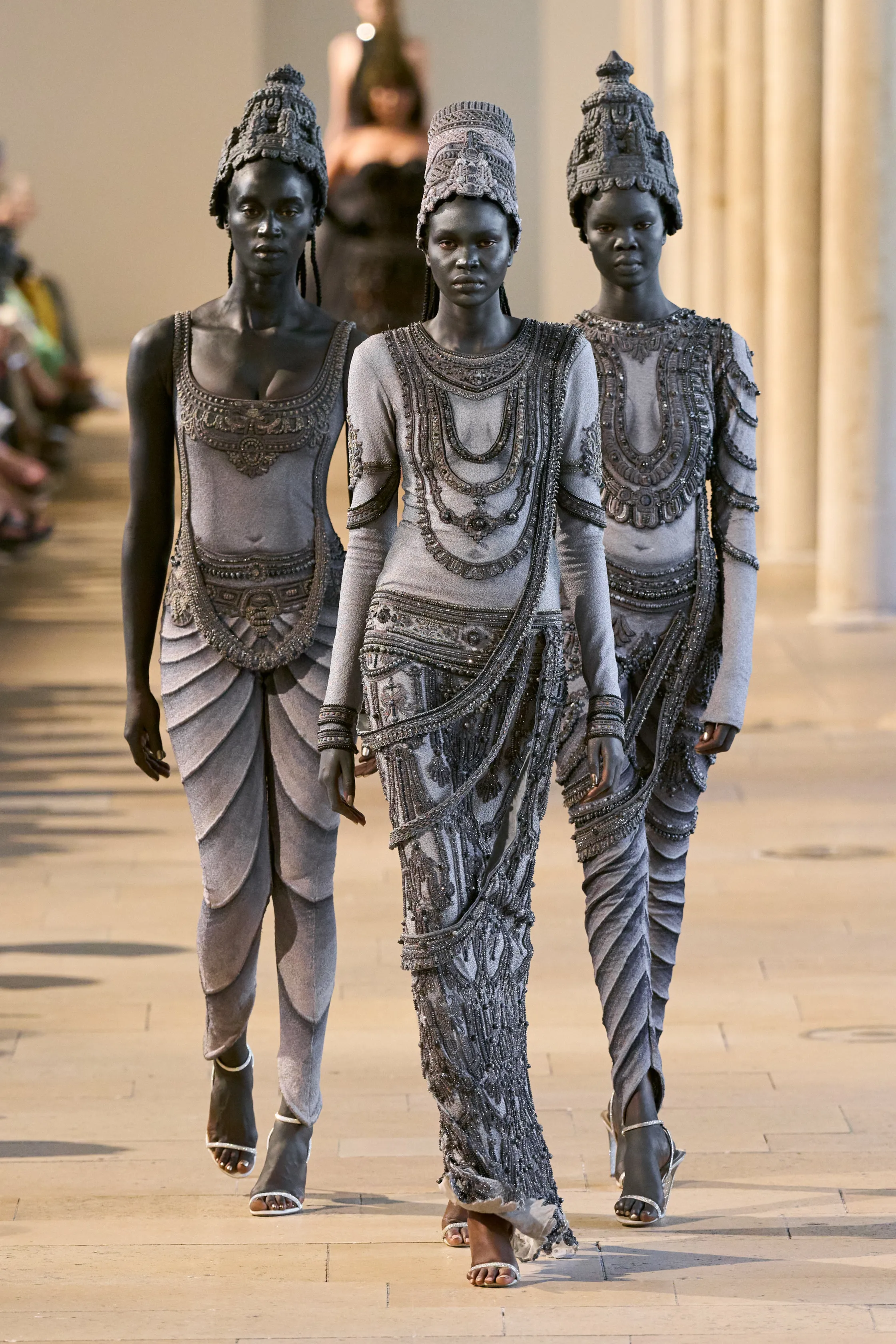
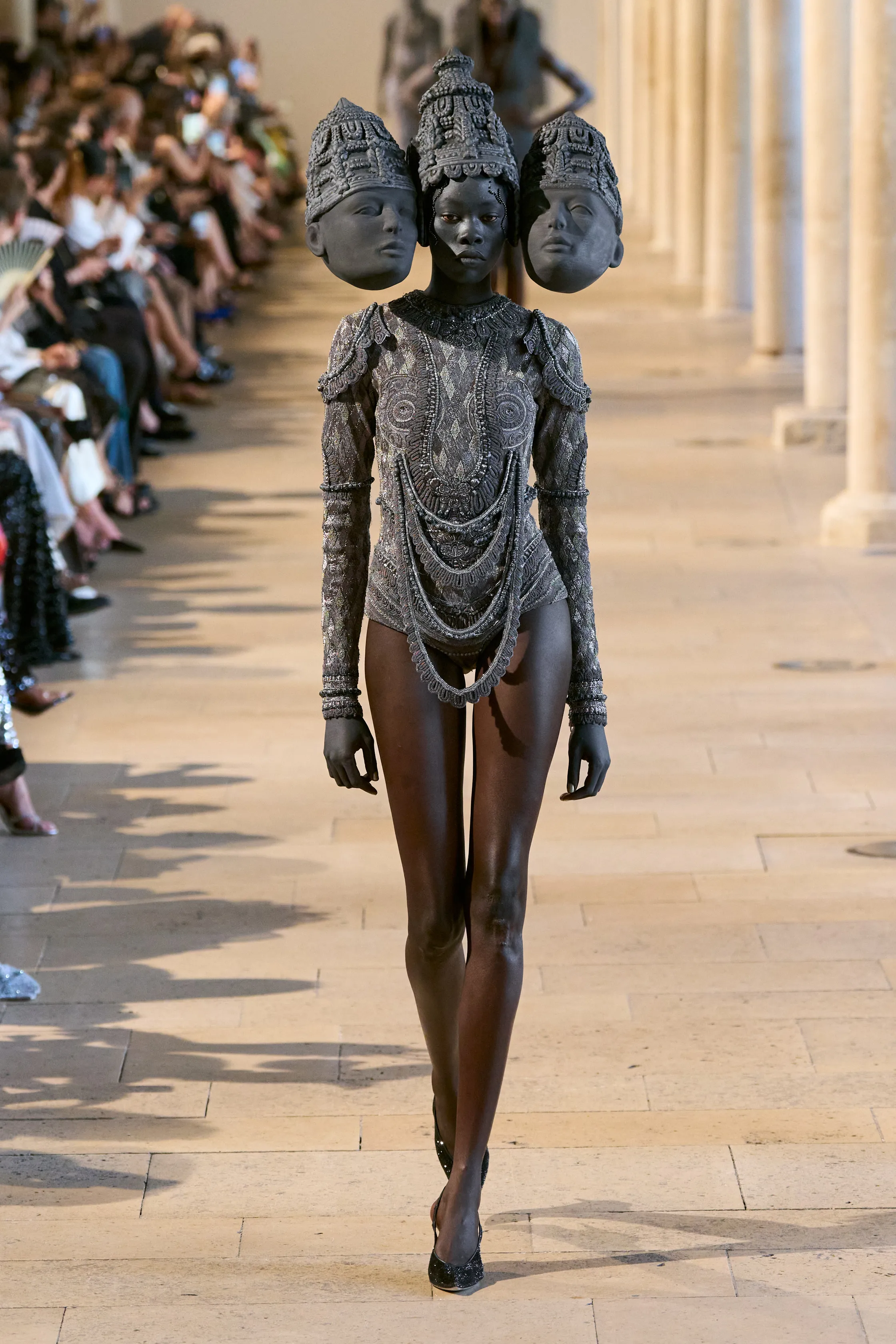
Rahul Mishra looked to India’s ancient temples and sacred stone carvings, transforming their textures and figures into extraordinarily detailed embroidery. Grey silk gowns appeared almost carved from stone, while dramatic crowns and ceremonial headpieces gave the runway the feeling of an ancient world brought to life. It was grand, theatrical and technically remarkable - a celebration of Indian history told through the hands of the artisans preserving its craft traditions.
Jean Paul Gaultier
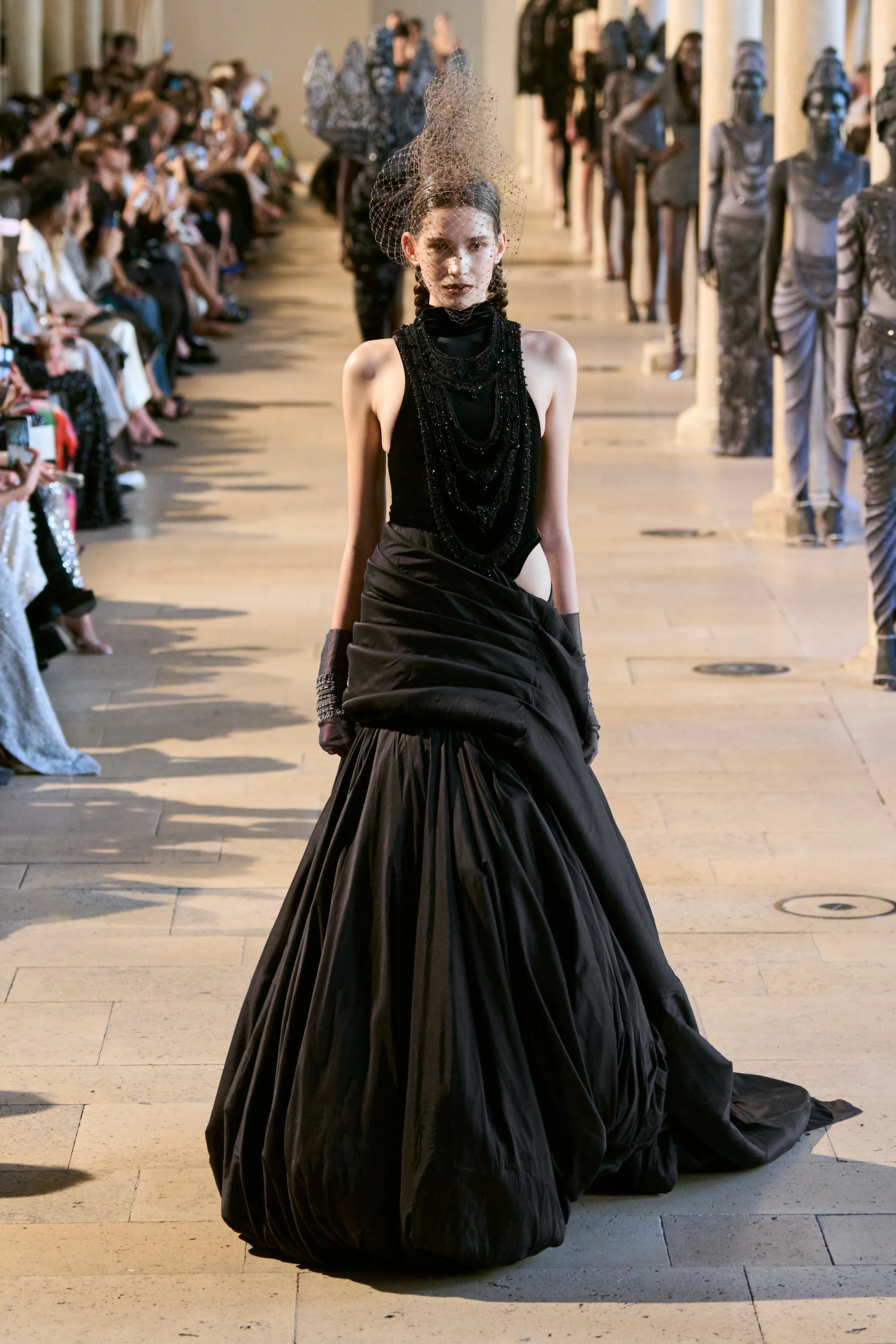
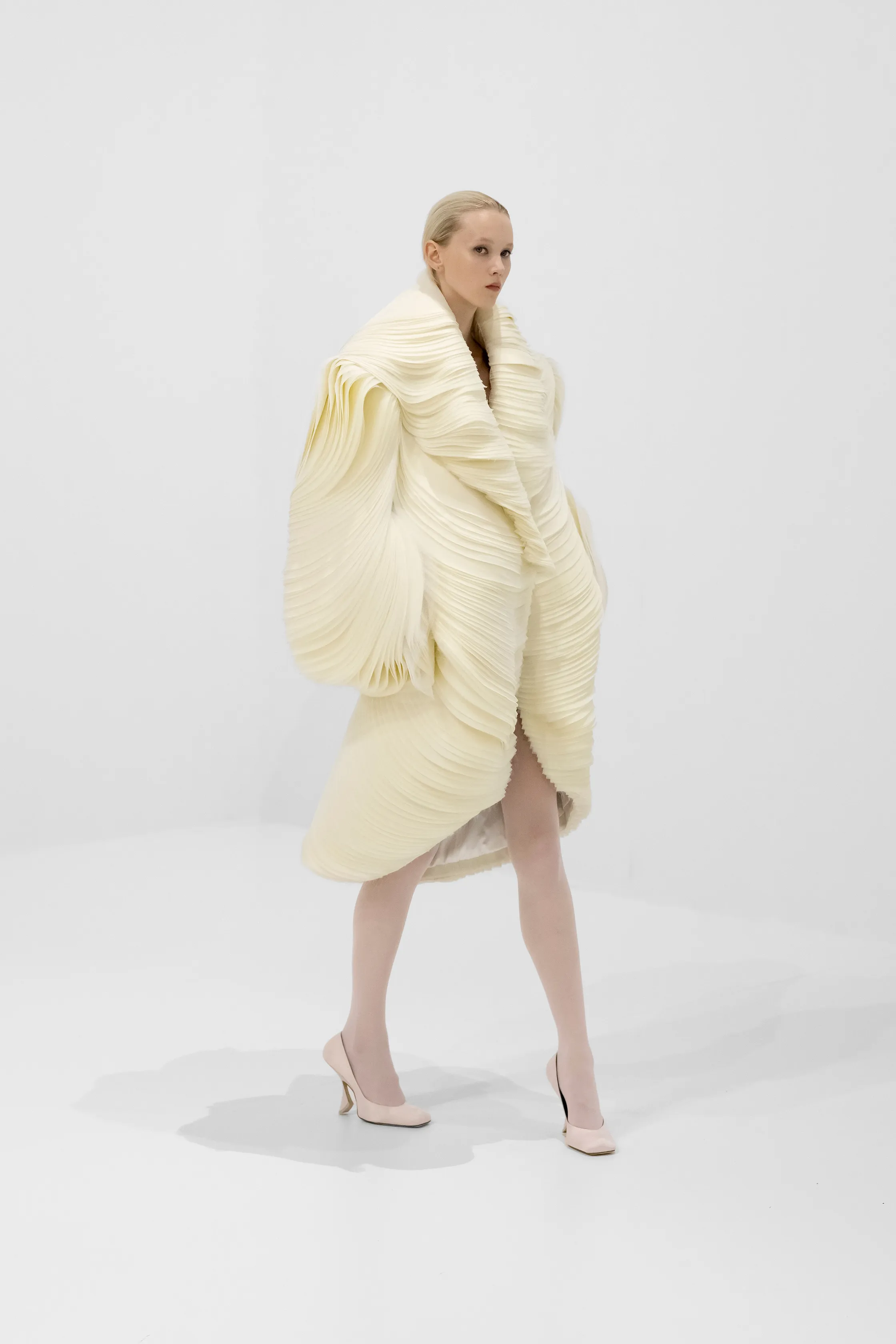
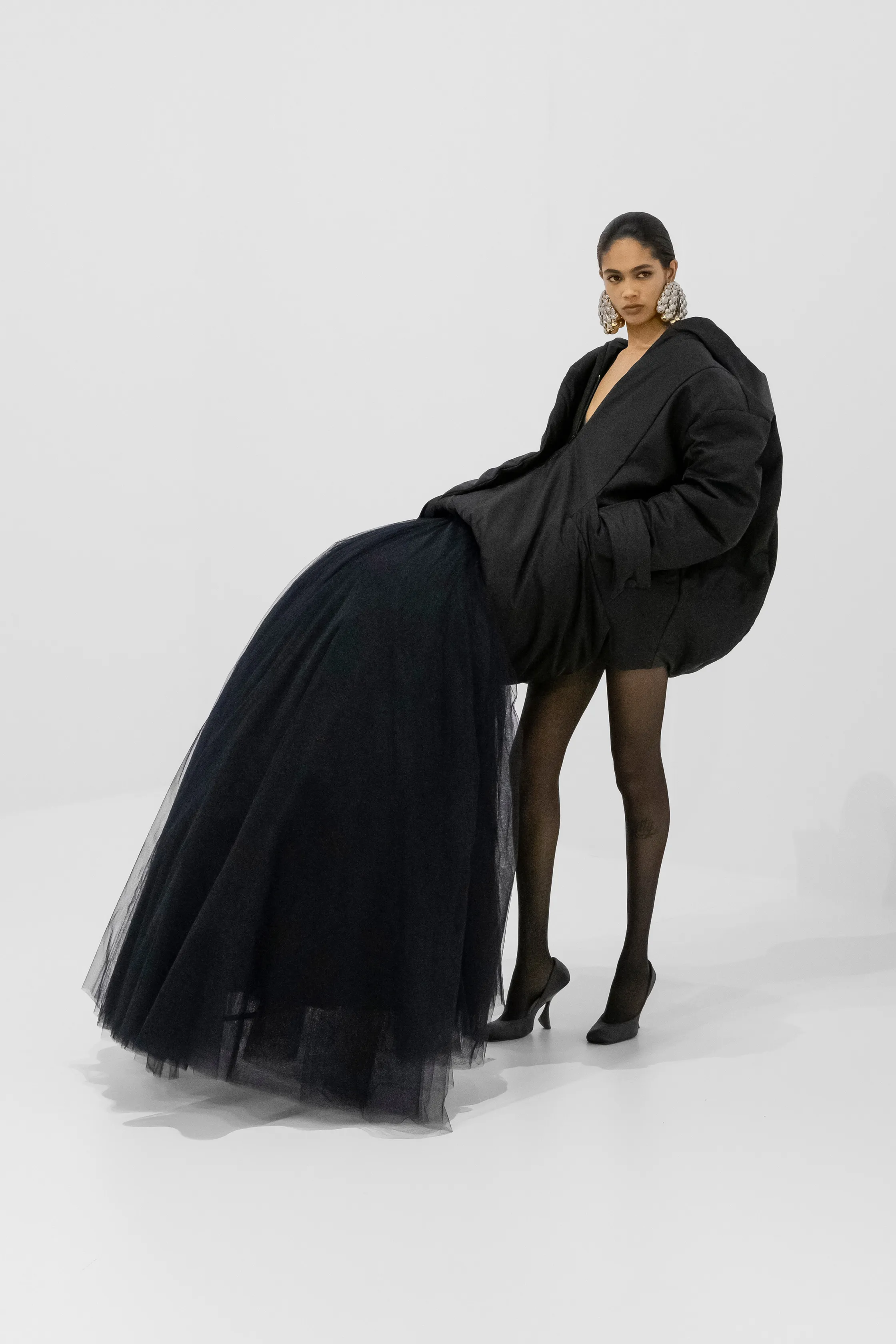
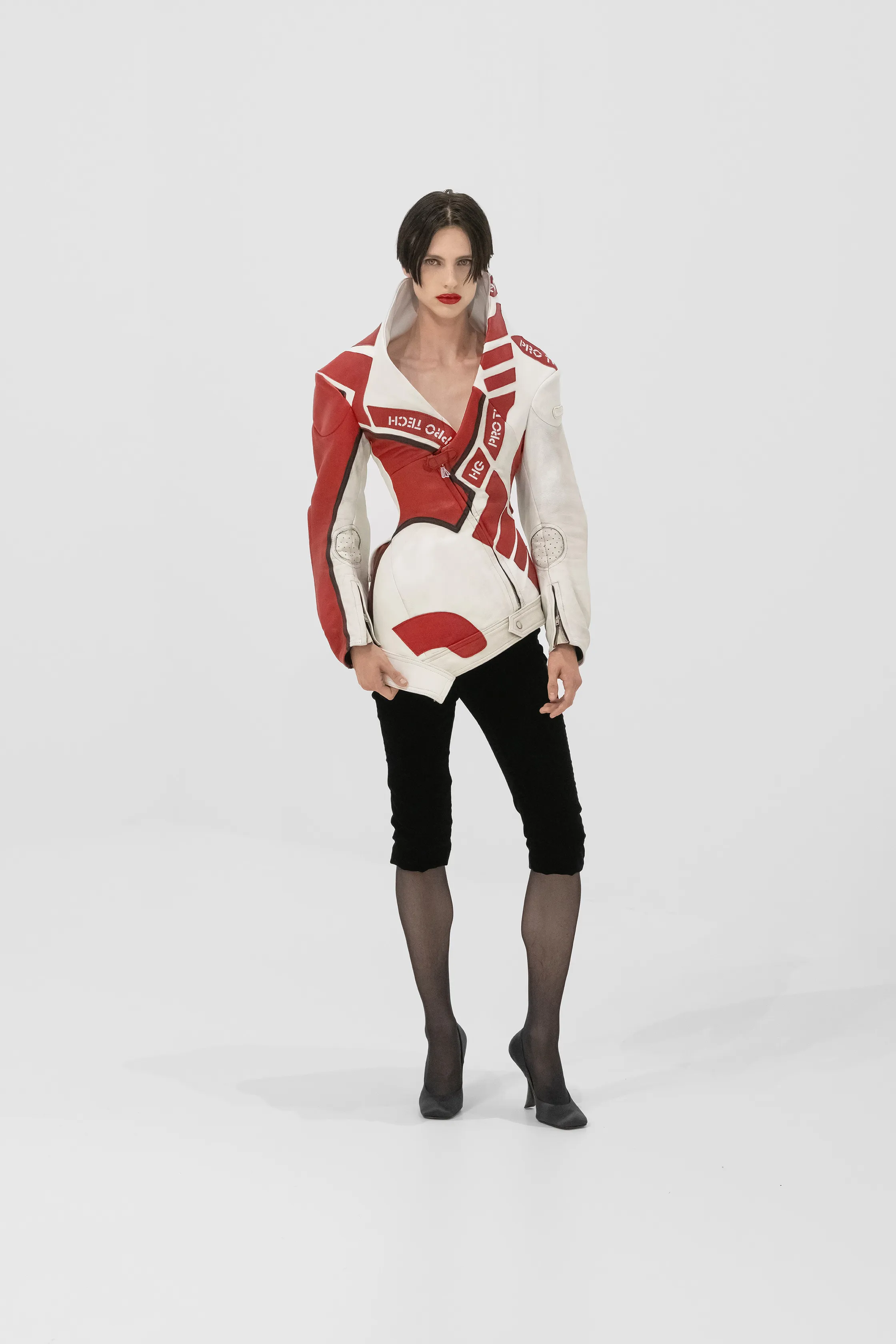
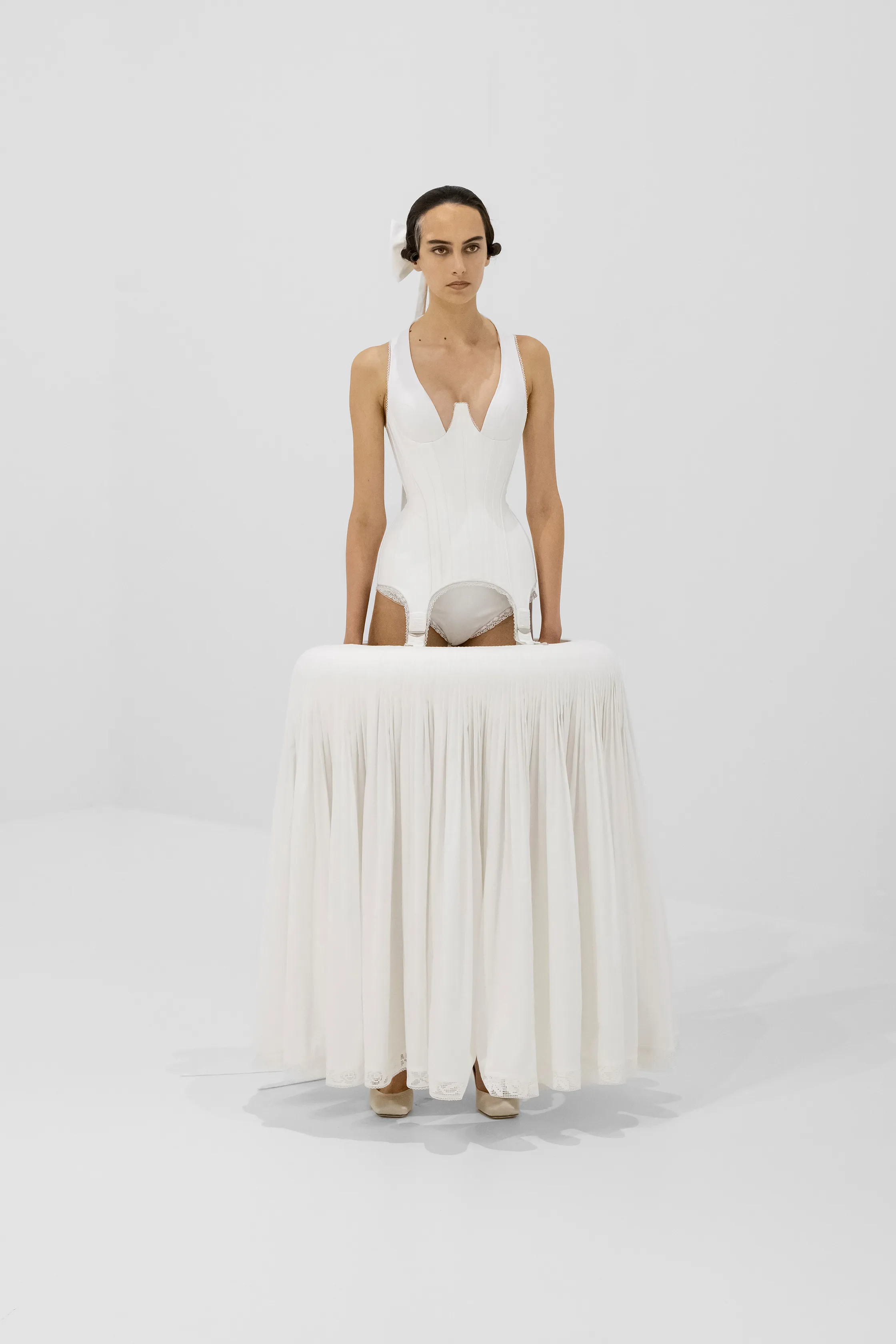
For his first couture collection at Jean Paul Gaultier, Duran Lantink mixed the grandeur of Versailles with a vision of the future — and things became wonderfully strange. Bodies appeared stretched and reshaped, corsets moved into unexpected places and familiar clothes looked as though they had been put on in entirely the wrong order. There were still plenty of recognisable Gaultier references beneath the chaos, but this was less about playing it safe and more about seeing how far couture could be pushed.
Balenciaga
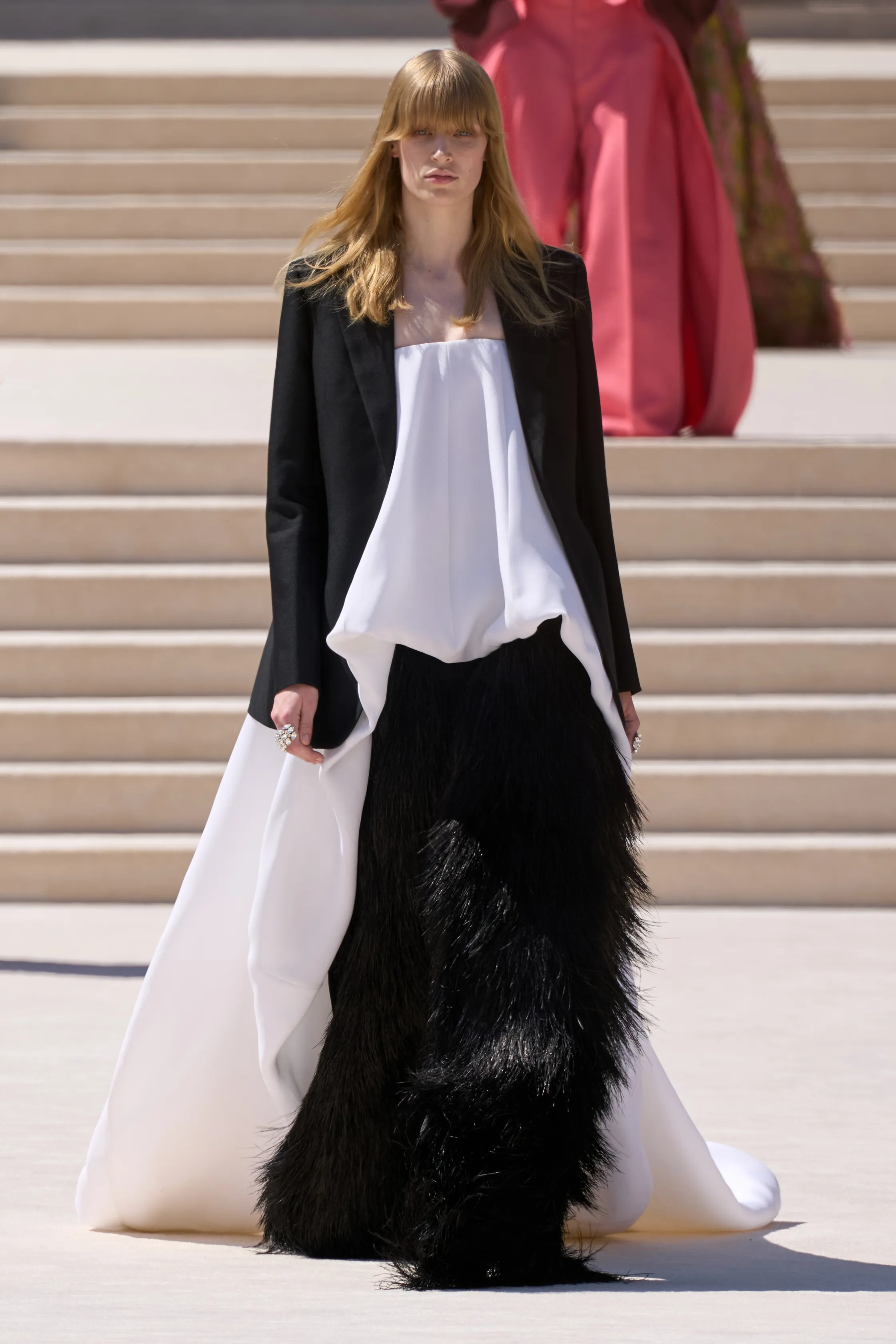
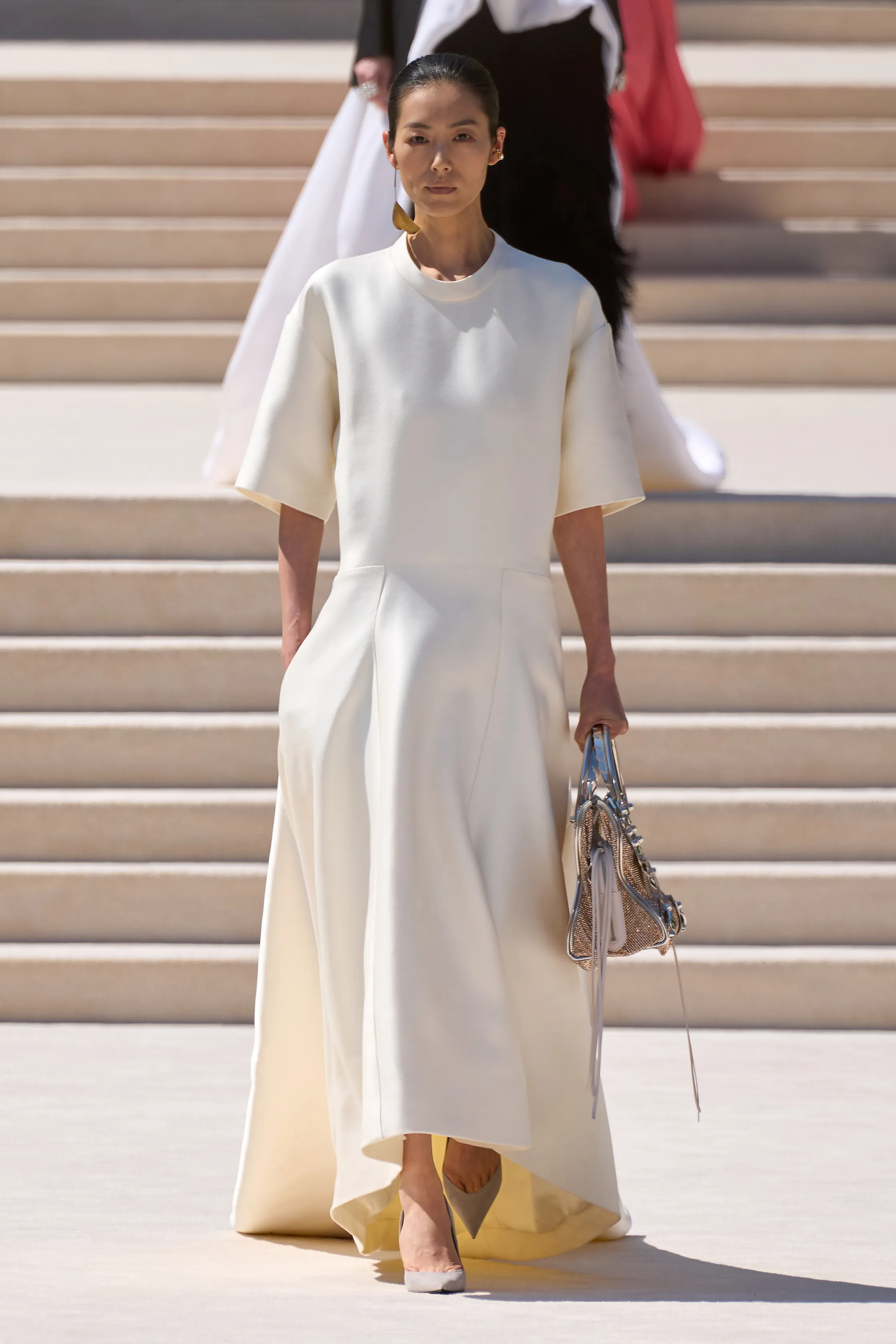
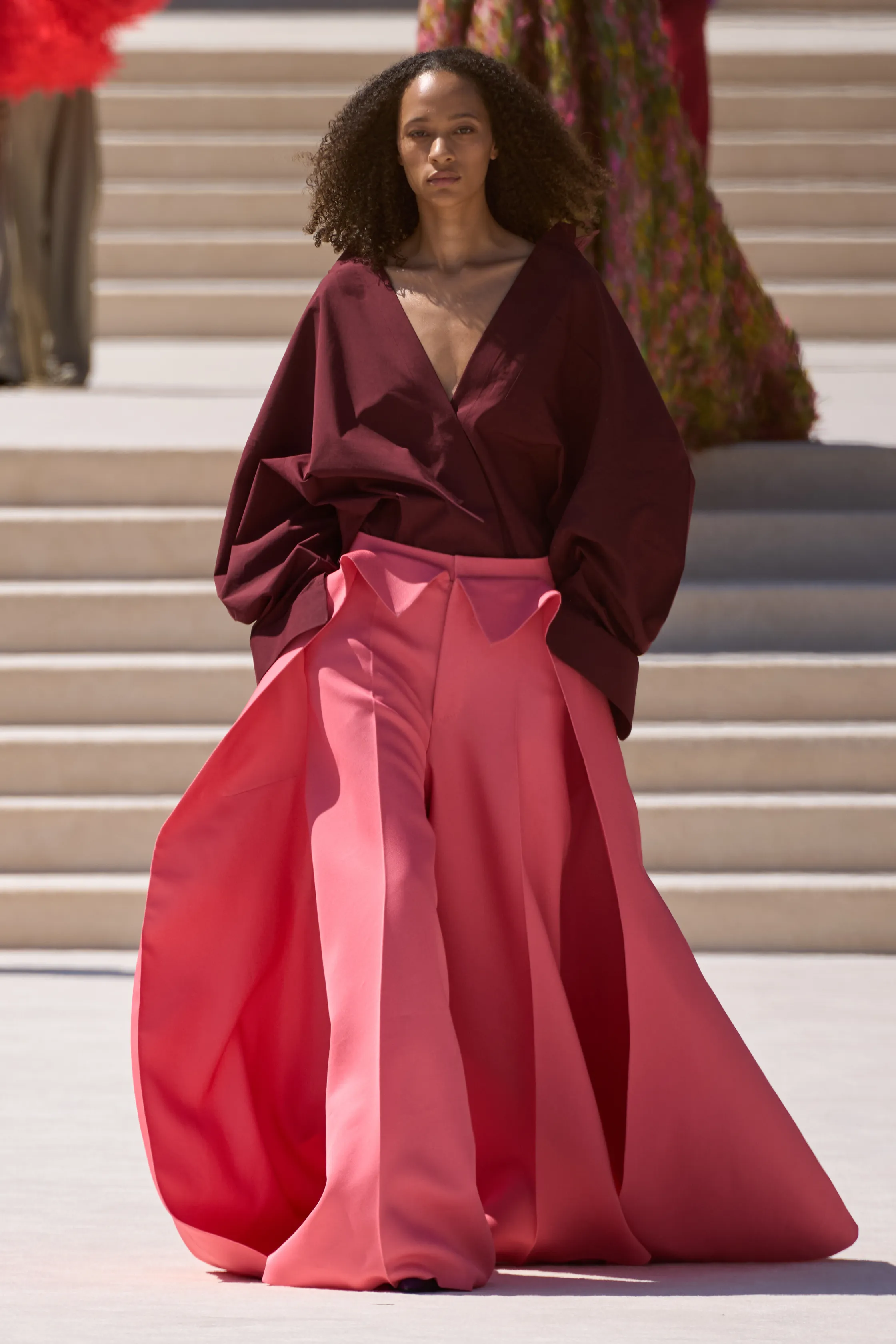
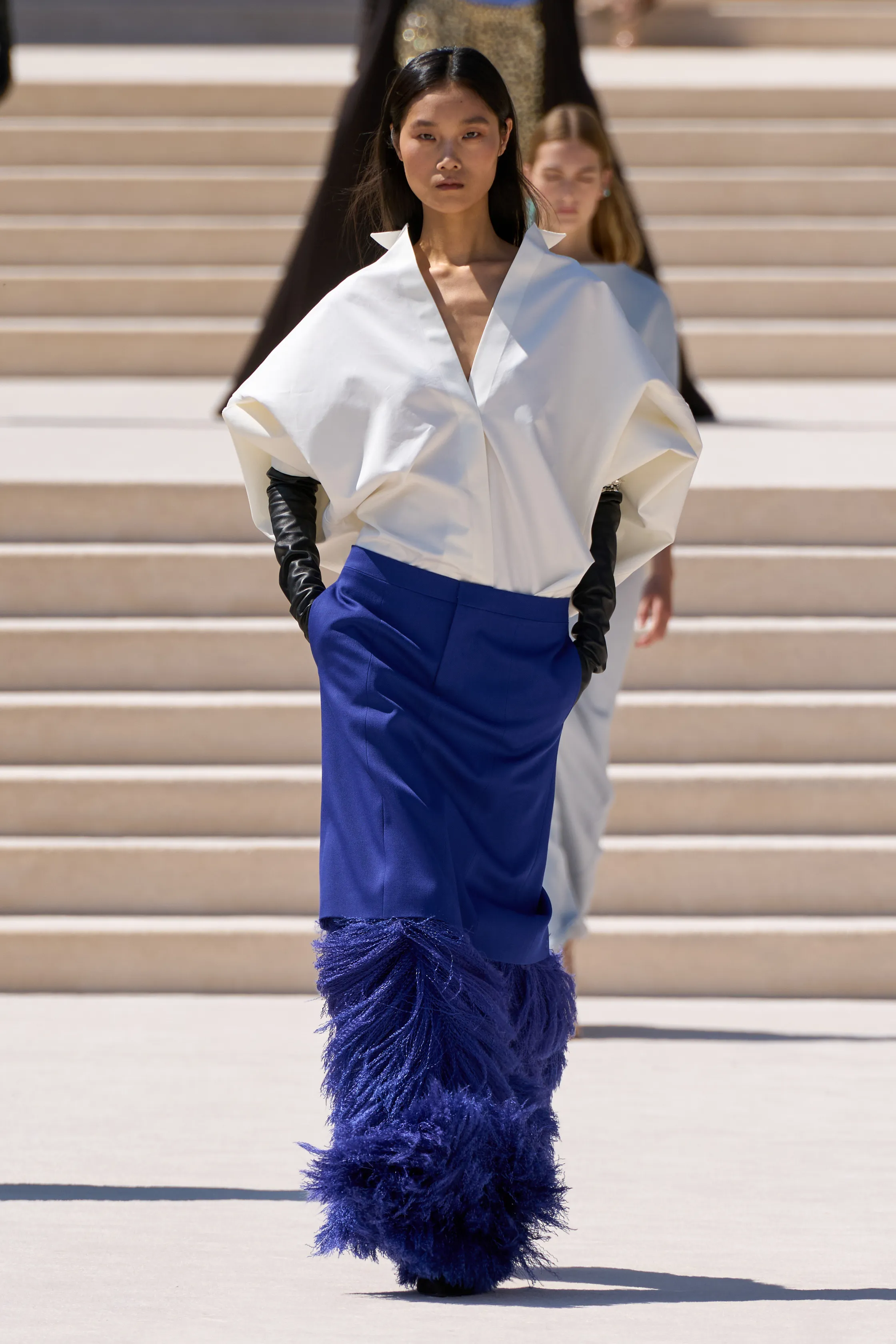
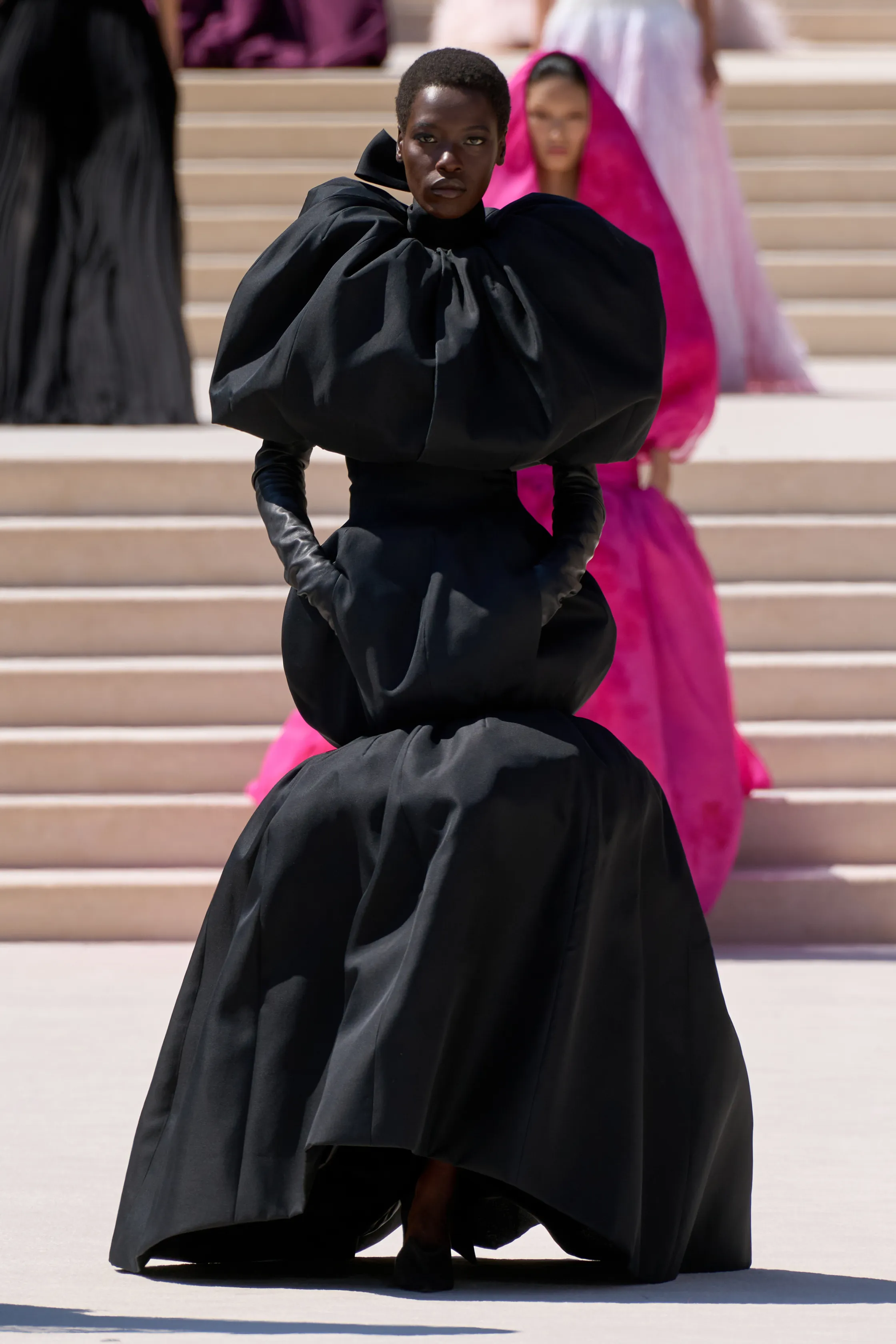
Pierpaolo Piccioli made his Balenciaga couture debut with enormous silhouettes, vivid colour and plenty of feathers. Beneath all the drama, however, was a real respect for the construction of the clothes and the people who made them. Piccioli has always understood that couture should create emotion rather than simply display technique, and this collection brought a sense of joy and humanity to Balenciaga’s famously architectural shapes. His decision to bring the entire atelier team onto the runway for the finale was a fitting reminder that couture is ultimately made by people, not just creative directors.
Christian Dior
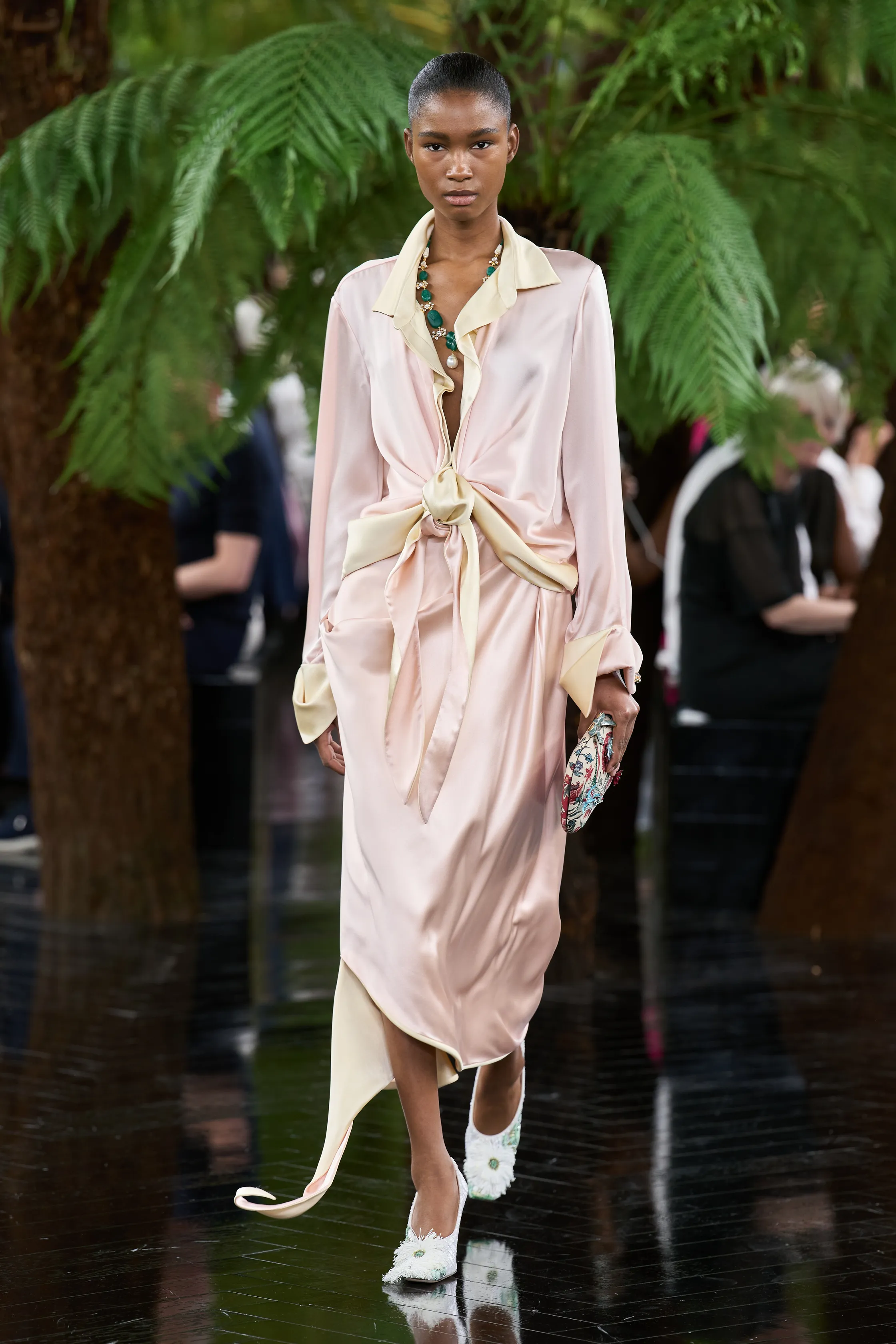
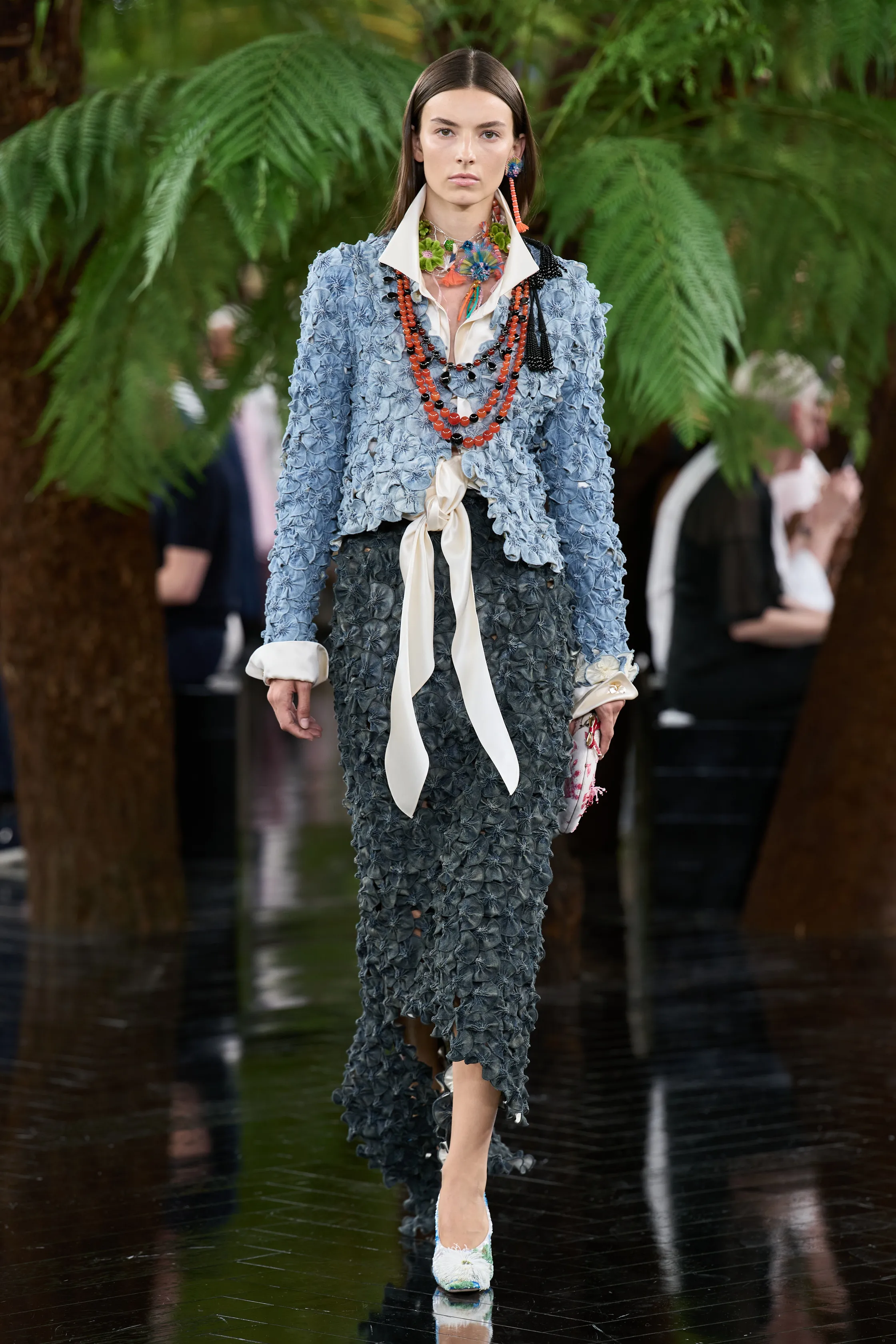
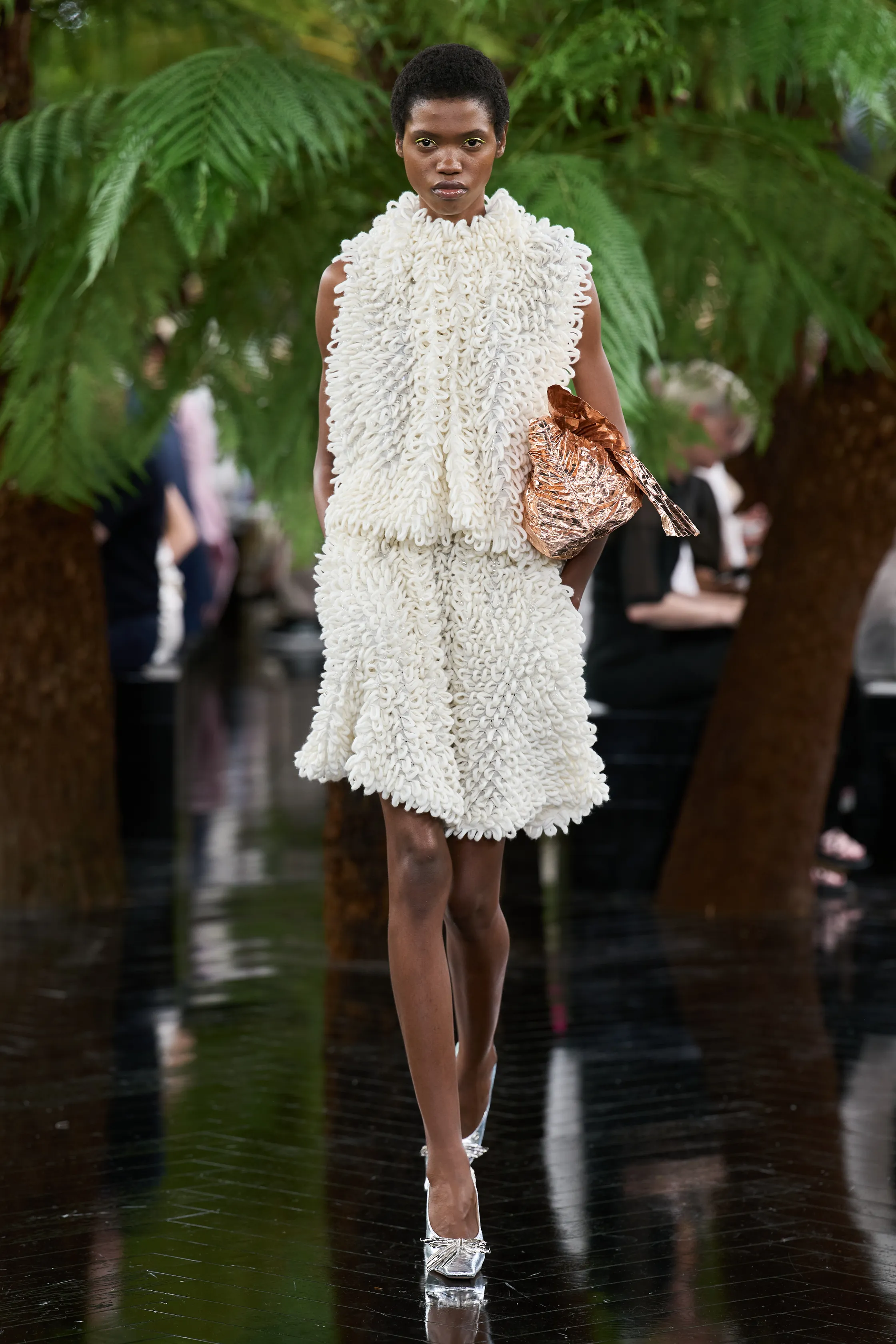
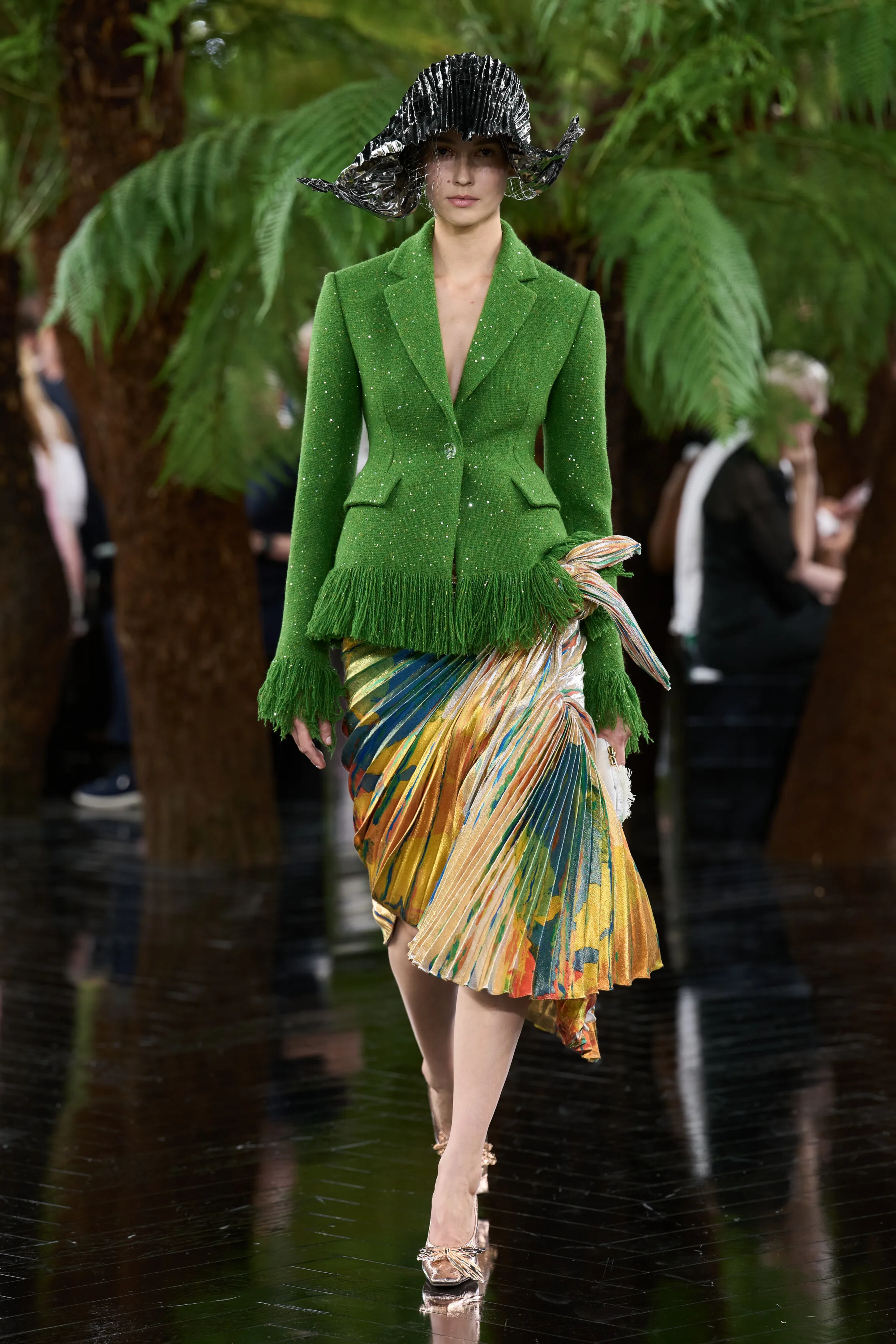
Jonathan Anderson continued to loosen up Dior’s traditionally polished image. The house’s famous Bar jacket was softened and draped, while rigid corsets gave way to flowing fabrics, relaxed tailoring and silhouettes with far more freedom. Inspired by artist Lynda Benglis and the gardens she created in India and New Mexico, the collection featured metallic pleats, botanical details and accessories influenced by the natural world. Jewellery crafted in Jaipur added another layer of intricate handwork, while antique Indian textiles appeared across a selection of bags. Romantic and recognisably Dior, but considerably less buttoned-up.
ArdAzAei
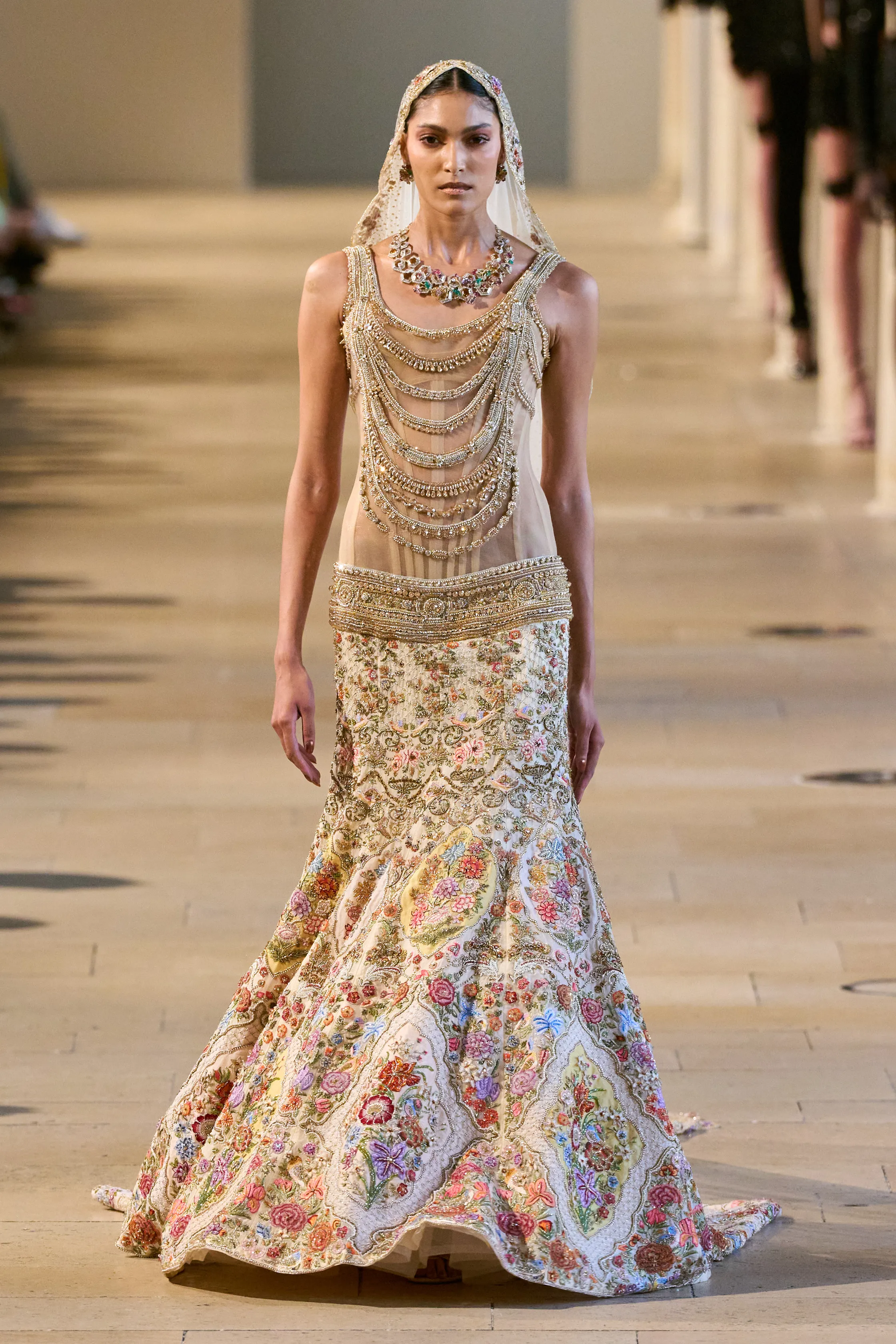
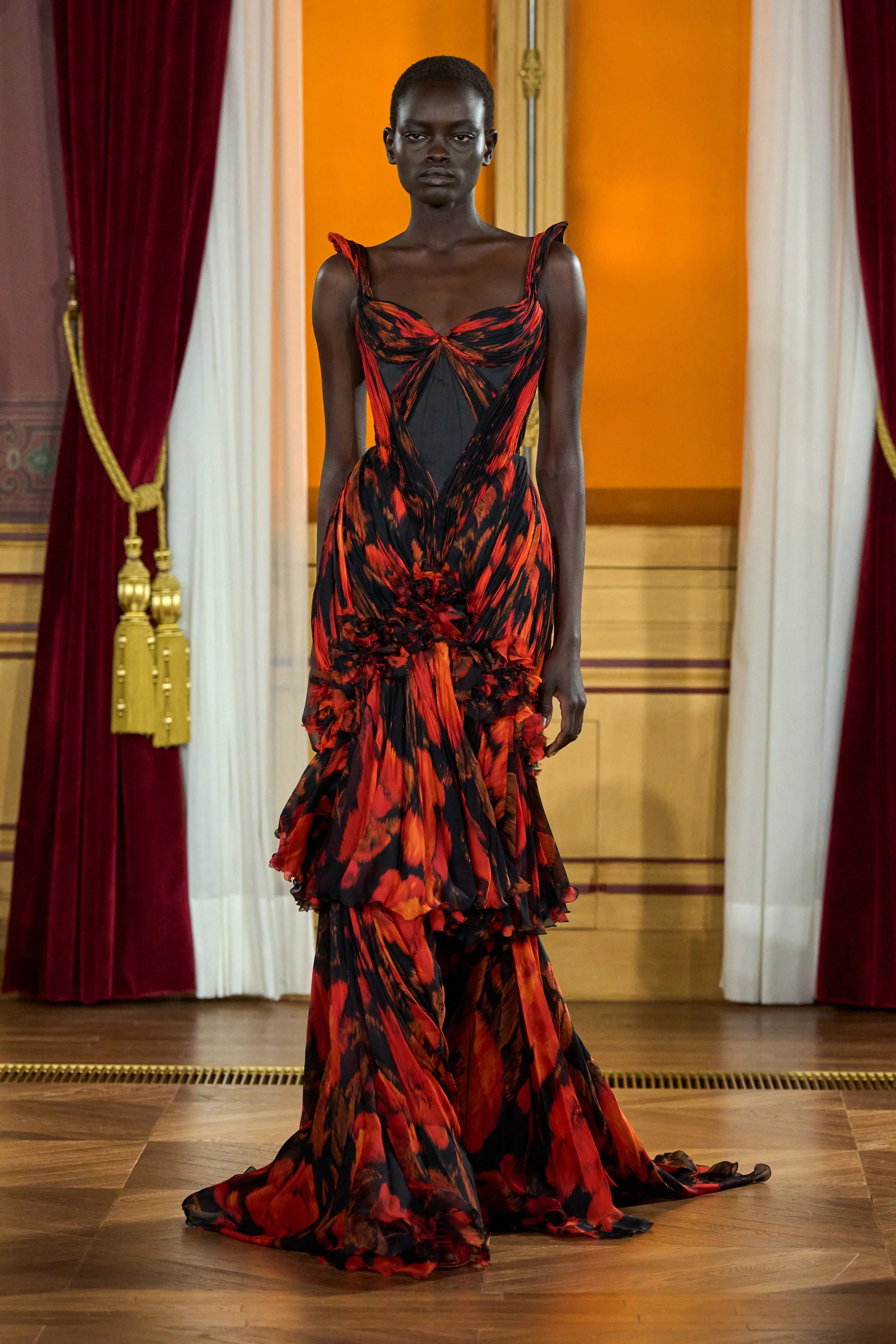
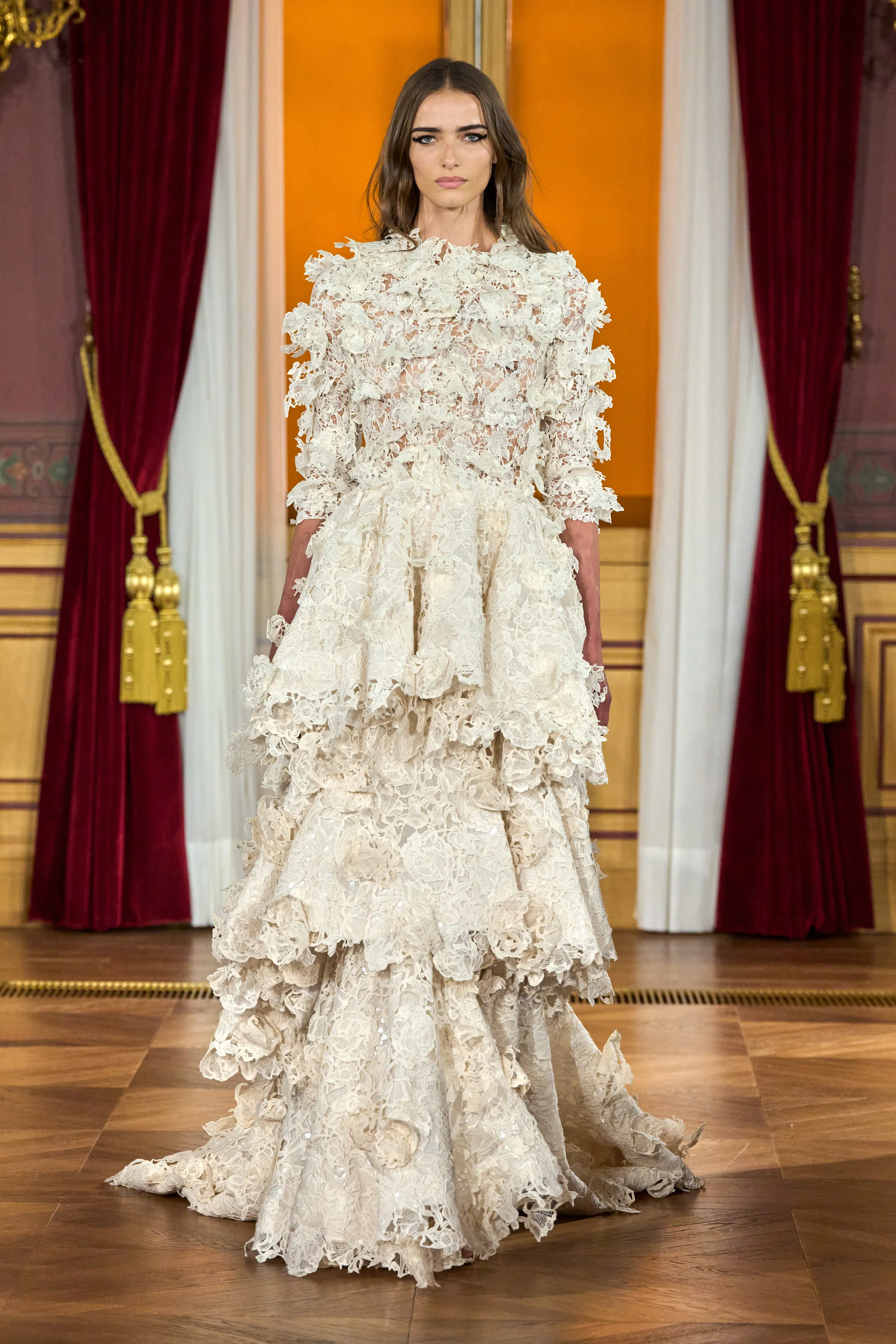
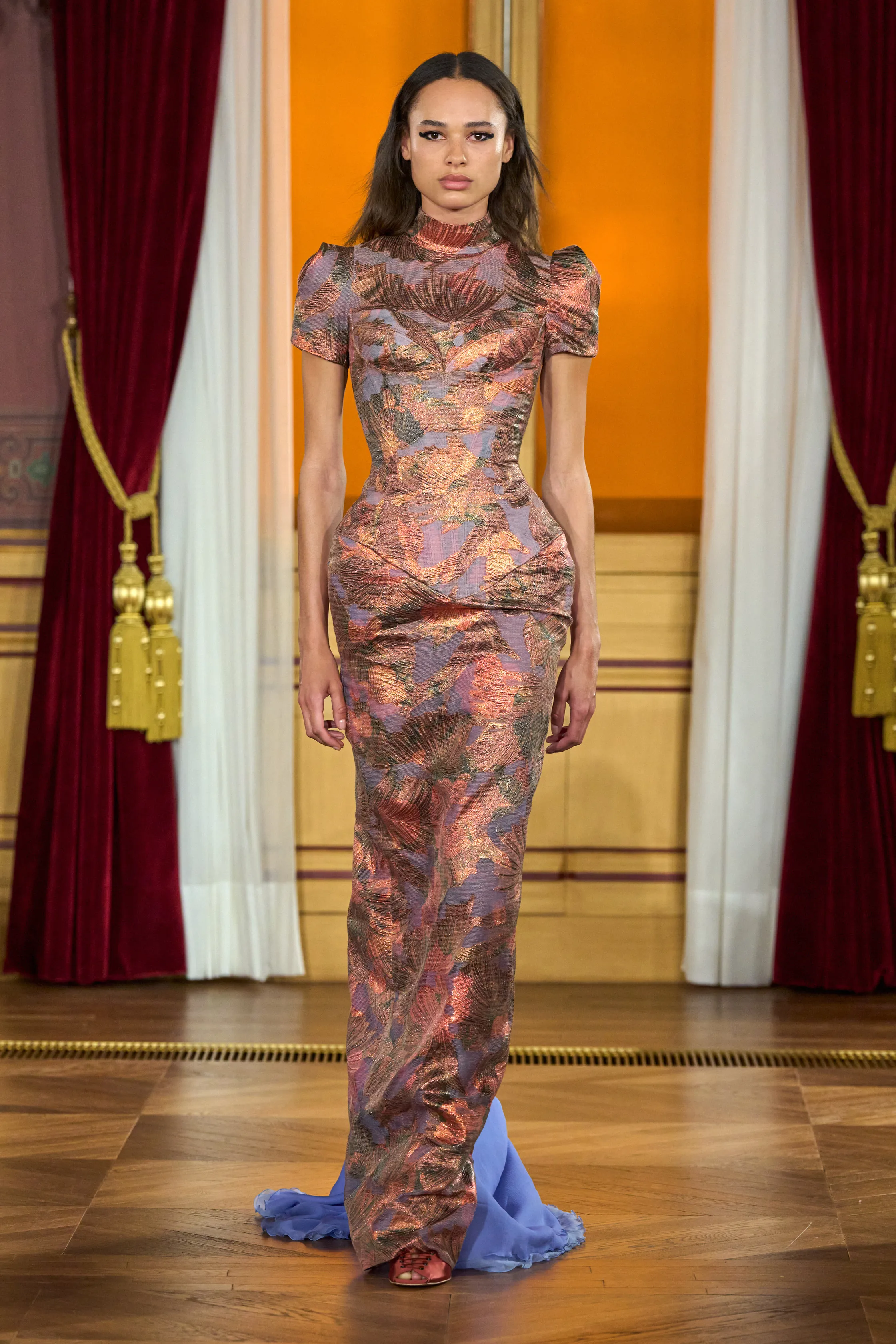
For her fifth couture collection, Iranian-Swedish designer Bahareh Ardakani returned to the Persian story The Nightingale’s Rose - a tale of love, beauty, longing and sacrifice that reminded her of the ornate carpets in her childhood home in Gothenburg. Roses appeared through sculptural folds, intricate embroidery and dramatic floral shapes, while her Scandinavian influences brought a sense of precision and structure. Romantic without becoming overly delicate, the collection felt like Ardakani finding a clearer voice of her own.
Schiaparelli
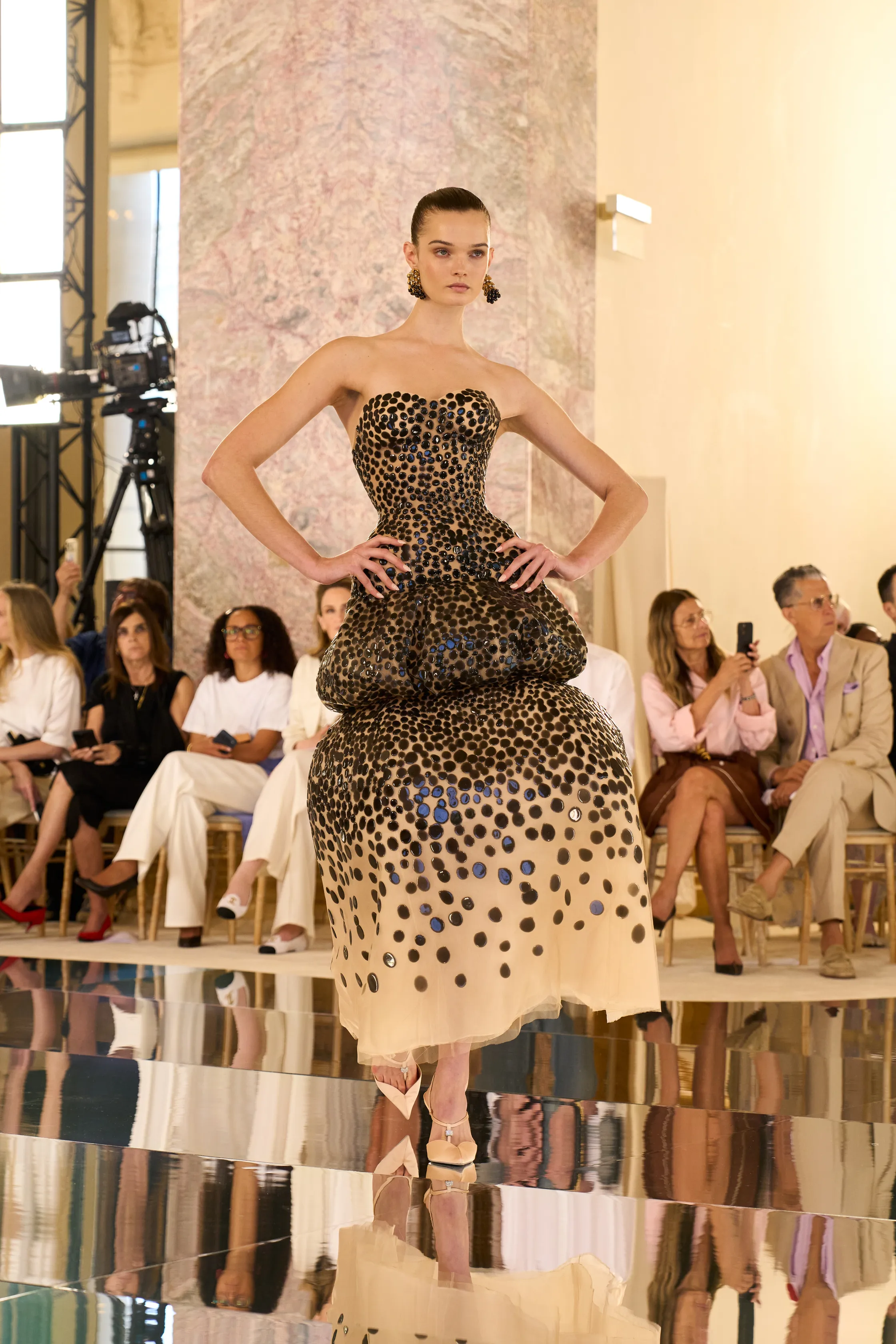
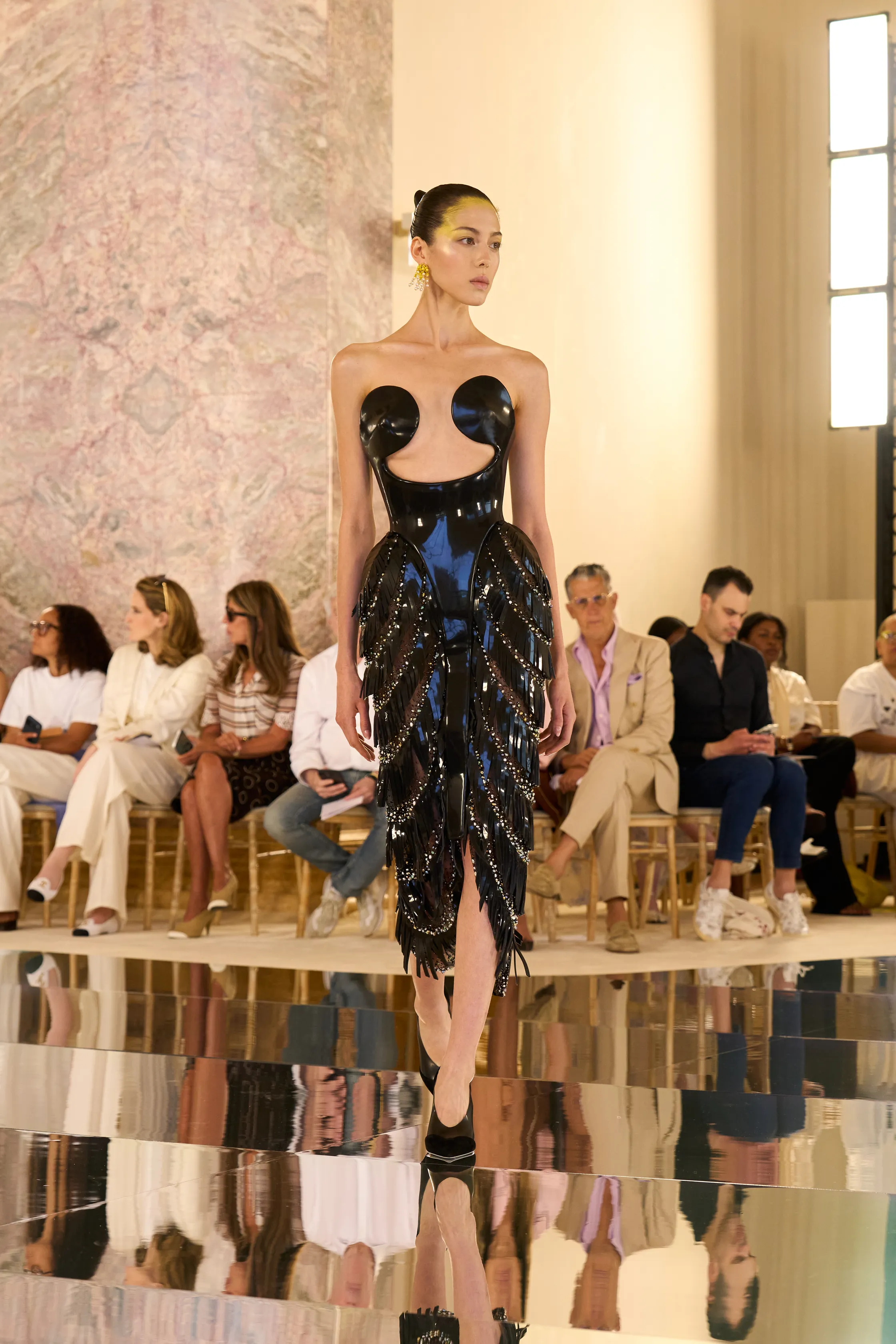
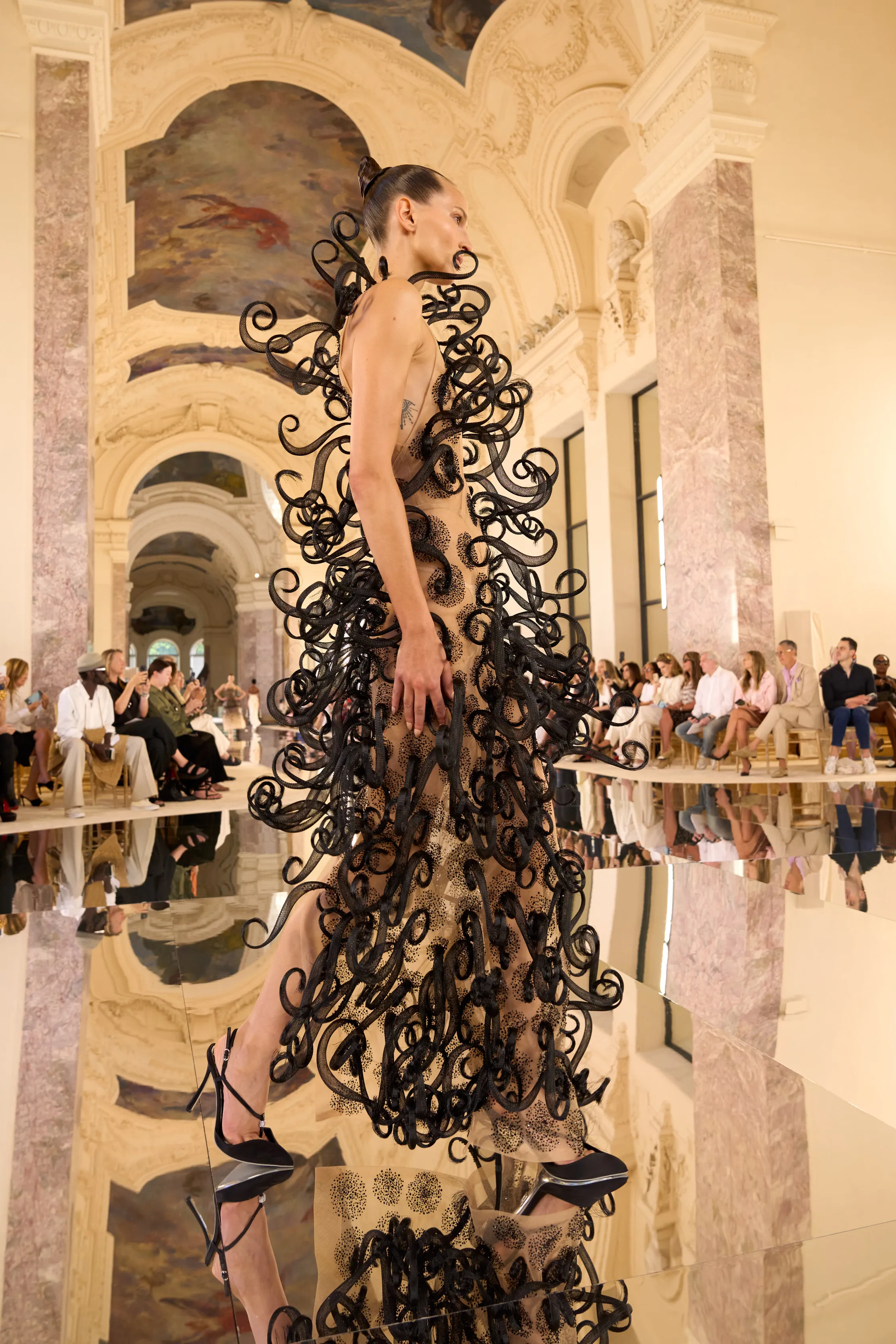
Daniel Roseberry took Schiaparelli into darker waters with The Abyss, a collection inspired by the mysteries of the deep ocean and an imagined future where humans and technology have become increasingly difficult to separate. Models appeared with glowing body pieces, inflated black tendrils and smooth silicone forms designed to resemble skin. It was beautiful, unsettling and occasionally bizarre — but that tension is exactly what made it interesting. Schiaparelli has never been about creating clothes that quietly blend in.
Chanel
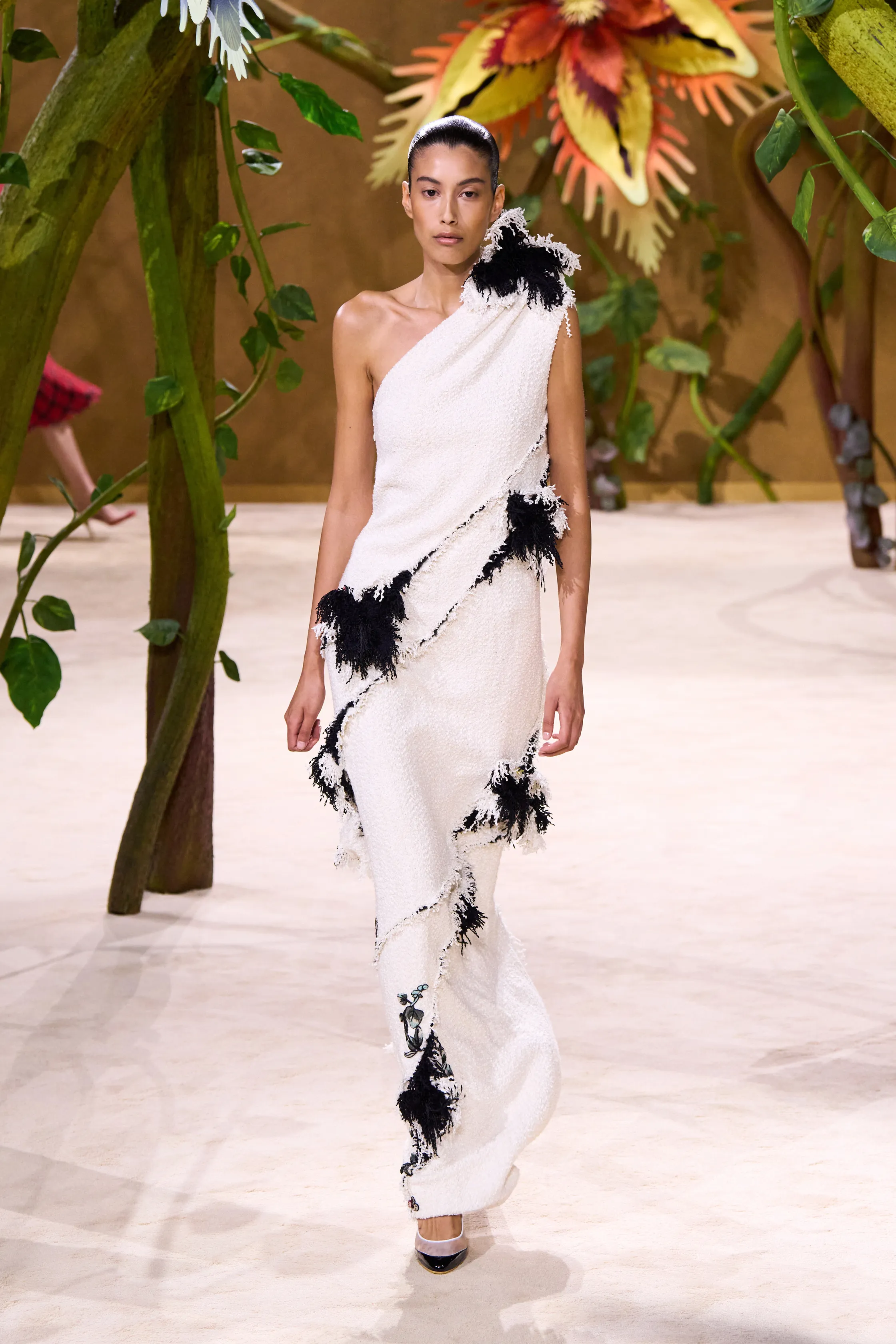
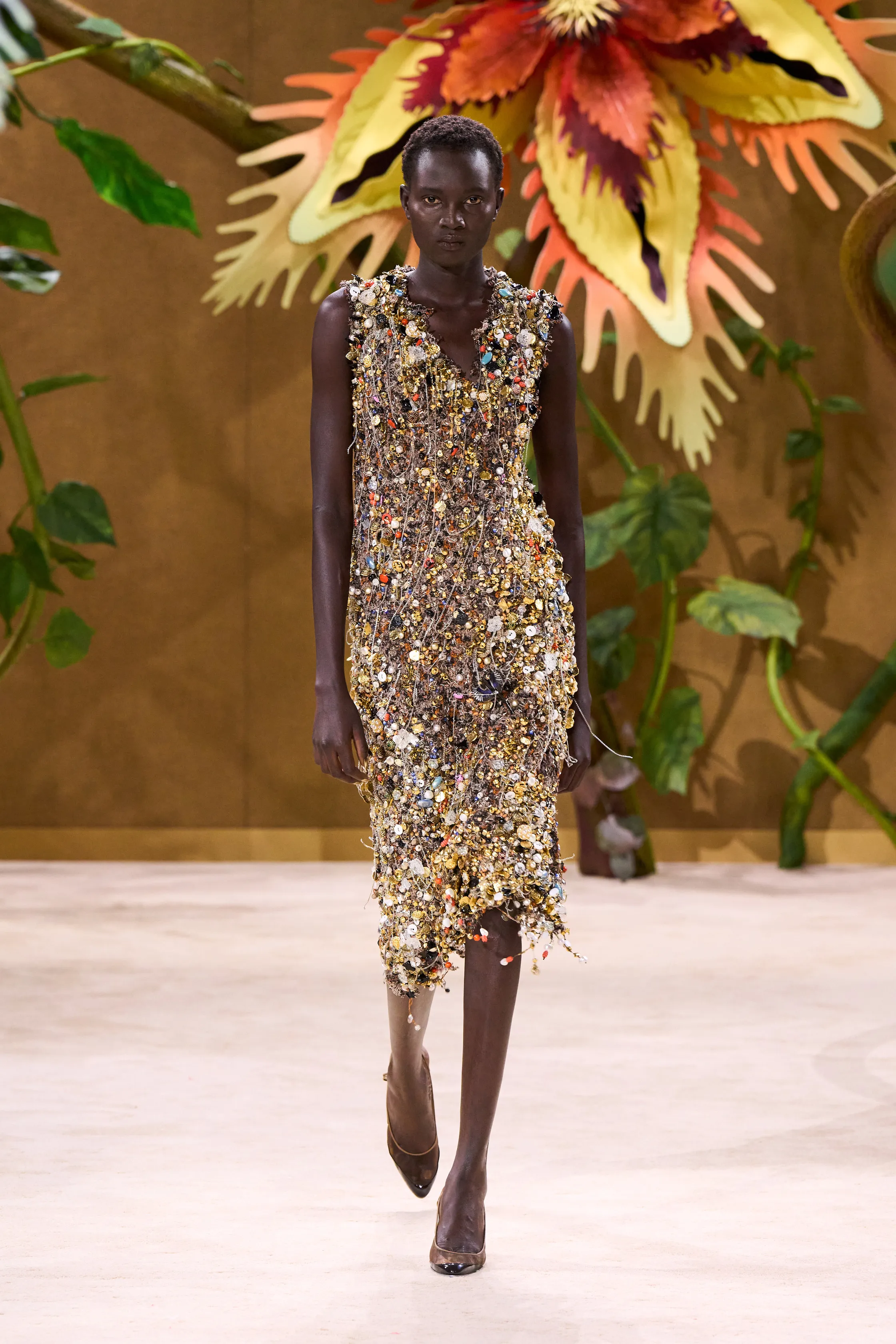
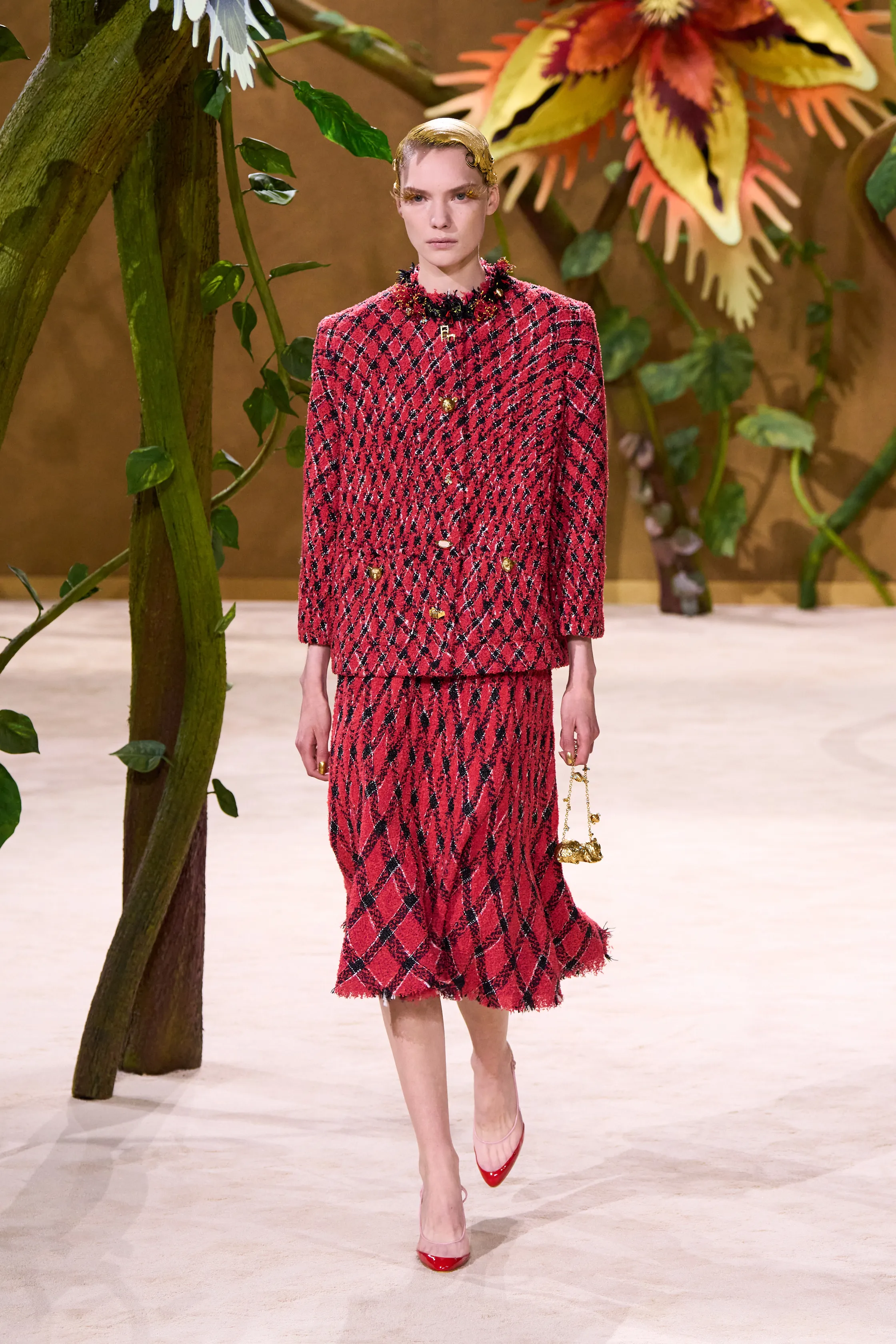
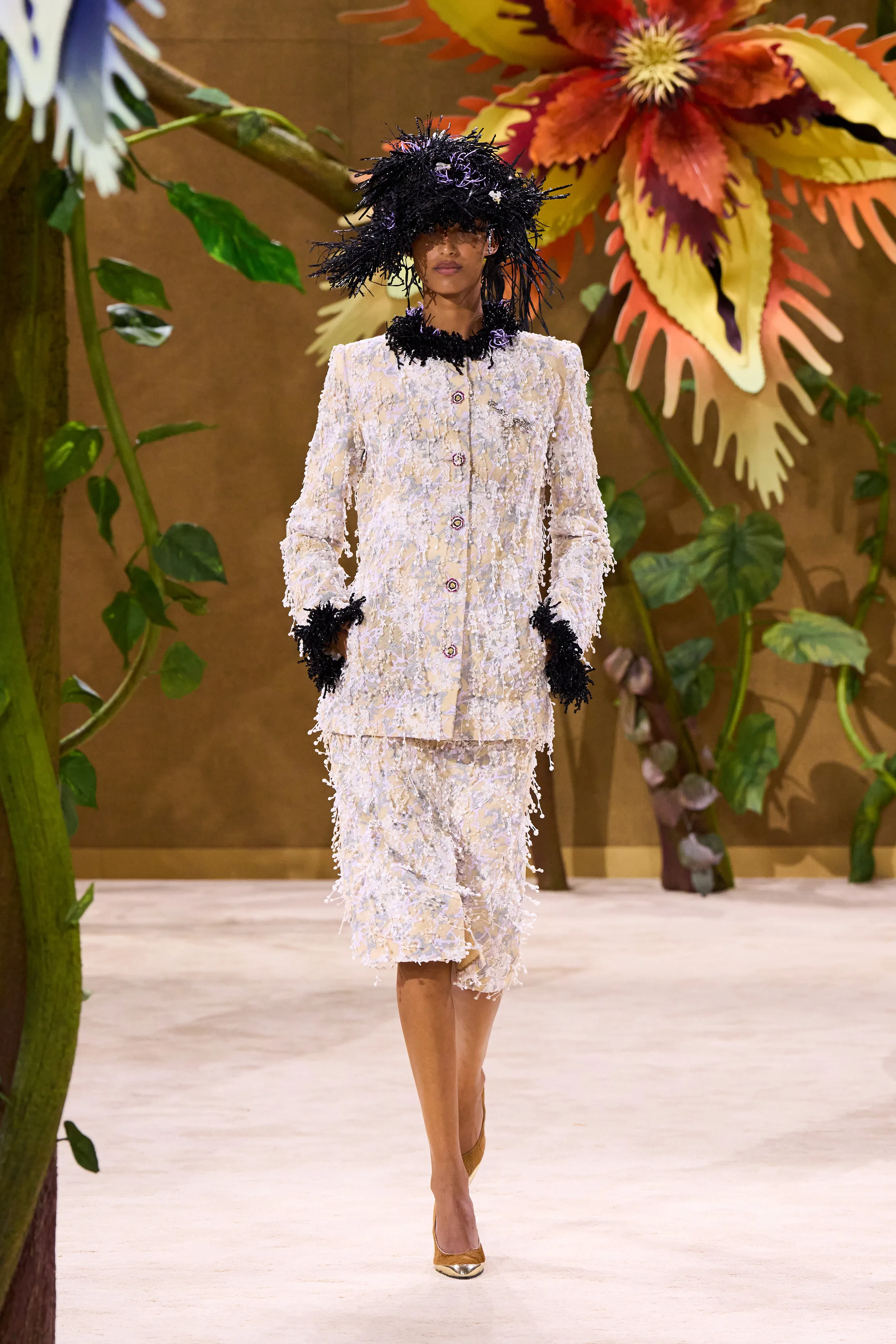
Matthieu Blazy found inspiration in fairytales for his second Chanel couture collection, filling the runway with climbing vines, delicate flowers, butterflies and playful references to stories including Jack and the Beanstalk. Yet the collection never felt like costume. Its strongest moments were often the simplest: beautifully cut coats, easy tailoring and eveningwear without unnecessary fuss. Blazy’s Chanel feels lighter and more relaxed, built around the idea that even the most extraordinary clothes should still belong to the woman wearing them.
Couture is fashion without many of the usual rules. The clothes are made almost entirely by hand, the techniques can take hundreds - sometimes thousands - of hours, and practicality is rarely the priority. This is where designers are allowed to experiment, exaggerate and create things that might never make sense outside a runway. That is precisely the appeal.
This season, however, the most memorable collections weren’t necessarily the biggest or the loudest. Some designers pushed clothes into the territory of sculpture, transforming bodies into strange new shapes. Others looked backwards - to ancient art, childhood stories, cultural memory and the history of the houses they now lead - and found new ways to bring those references into the present.
At Dior and Chanel, couture became softer, lighter and more connected to the women who might actually wear it. Balenciaga celebrated bold colour, dramatic shape and the extraordinary skill of its atelier, while Schiaparelli and Jean Paul Gaultier went in the opposite direction, creating collections that were strange, surreal and intentionally difficult to explain.
Elsewhere, Rahul Mishra transformed India’s ancient stone carvings into intricate embroidery, while ArdAzAei brought Persian storytelling together with Scandinavian restraint. The references may have travelled across different centuries and continents, but the message felt surprisingly current: fashion becomes far more interesting when designers bring their own histories and perspectives into the room.
These are the collections that stayed with us.
Rahul Mishra
Rahul Mishra looked to India’s ancient temples and sacred stone carvings, transforming their textures and figures into extraordinarily detailed embroidery. Grey silk gowns appeared almost carved from stone, while dramatic crowns and ceremonial headpieces gave the runway the feeling of an ancient world brought to life. It was grand, theatrical and technically remarkable - a celebration of Indian history told through the hands of the artisans preserving its craft traditions.
Jean Paul Gaultier
For his first couture collection at Jean Paul Gaultier, Duran Lantink mixed the grandeur of Versailles with a vision of the future — and things became wonderfully strange. Bodies appeared stretched and reshaped, corsets moved into unexpected places and familiar clothes looked as though they had been put on in entirely the wrong order. There were still plenty of recognisable Gaultier references beneath the chaos, but this was less about playing it safe and more about seeing how far couture could be pushed.
Balenciaga
Pierpaolo Piccioli made his Balenciaga couture debut with enormous silhouettes, vivid colour and plenty of feathers. Beneath all the drama, however, was a real respect for the construction of the clothes and the people who made them. Piccioli has always understood that couture should create emotion rather than simply display technique, and this collection brought a sense of joy and humanity to Balenciaga’s famously architectural shapes. His decision to bring the entire atelier team onto the runway for the finale was a fitting reminder that couture is ultimately made by people, not just creative directors.
Christian Dior
Jonathan Anderson continued to loosen up Dior’s traditionally polished image. The house’s famous Bar jacket was softened and draped, while rigid corsets gave way to flowing fabrics, relaxed tailoring and silhouettes with far more freedom. Inspired by artist Lynda Benglis and the gardens she created in India and New Mexico, the collection featured metallic pleats, botanical details and accessories influenced by the natural world. Jewellery crafted in Jaipur added another layer of intricate handwork, while antique Indian textiles appeared across a selection of bags. Romantic and recognisably Dior, but considerably less buttoned-up.
ArdAzAei
For her fifth couture collection, Iranian-Swedish designer Bahareh Ardakani returned to the Persian story The Nightingale’s Rose - a tale of love, beauty, longing and sacrifice that reminded her of the ornate carpets in her childhood home in Gothenburg. Roses appeared through sculptural folds, intricate embroidery and dramatic floral shapes, while her Scandinavian influences brought a sense of precision and structure. Romantic without becoming overly delicate, the collection felt like Ardakani finding a clearer voice of her own.
Schiaparelli
Daniel Roseberry took Schiaparelli into darker waters with The Abyss, a collection inspired by the mysteries of the deep ocean and an imagined future where humans and technology have become increasingly difficult to separate. Models appeared with glowing body pieces, inflated black tendrils and smooth silicone forms designed to resemble skin. It was beautiful, unsettling and occasionally bizarre — but that tension is exactly what made it interesting. Schiaparelli has never been about creating clothes that quietly blend in.
Chanel
Matthieu Blazy found inspiration in fairytales for his second Chanel couture collection, filling the runway with climbing vines, delicate flowers, butterflies and playful references to stories including Jack and the Beanstalk. Yet the collection never felt like costume. Its strongest moments were often the simplest: beautifully cut coats, easy tailoring and eveningwear without unnecessary fuss. Blazy’s Chanel feels lighter and more relaxed, built around the idea that even the most extraordinary clothes should still belong to the woman wearing them.

Must Reads
Must Reads


we are MOLTN
●
we are MOLTN
●
we are MOLTN
●
we are MOLTN
●
we are MOLTN
●
we are MOLTN
●
we are MOLTN
●
we are MOLTN
●
we are MOLTN
●
we are MOLTN
●
we are MOLTN
●
Subscribe to MOLTN

© We Are MOLTN
2026
we are MOLTN
●
we are MOLTN
●
we are MOLTN
●
we are MOLTN
●
we are MOLTN
●
we are MOLTN
●
we are MOLTN
●
we are MOLTN
●
we are MOLTN
●
we are MOLTN
●
we are MOLTN
●
Subscribe to MOLTN
© We Are MOLTN
2026
we are MOLTN
●
we are MOLTN
●
we are MOLTN
●
we are MOLTN
●
we are MOLTN
●
we are MOLTN
●
we are MOLTN
●
we are MOLTN
●
we are MOLTN
●
we are MOLTN
●
we are MOLTN
●
Subscribe to MOLTN
© We Are MOLTN
2026