
Riyadh’s Black Gold Museum: The Atmospheric Rebirth of Riyadh’s Most Famous Hive
Culture
•
May 14, 2026

Pavan Premaney
Chief Editor
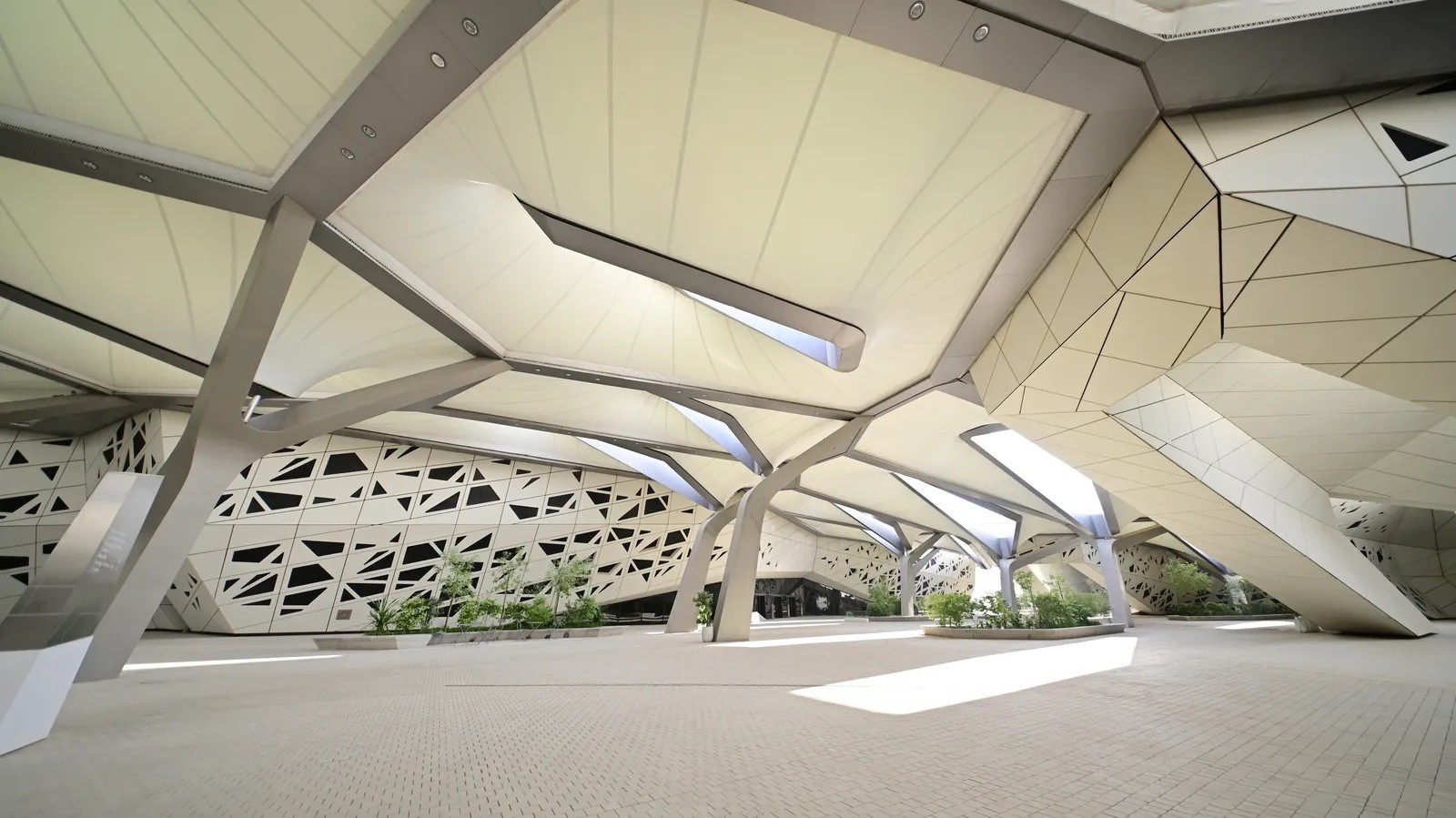
Woven into the intricate, hexagonal bones of a Zaha Hadid landmark, Riyadh’s Black Gold Museum arrives as a moody, high-concept meditation on the substance that fuelled a century.
In the sharp, desert light of Riyadh, where the horizon usually belongs to the shimmering glass of the Financial District, a new kind of experience has opened its doors. The Black Gold Museum is not merely a repository for the history of oil; it is a shimmering, high-concept sensory experience housed within the skeletal remains of a Zaha Hadid masterpiece.
Here, the story of hydrocarbons is stripped of its dry, industrial utilitarianism and reclothed in the language of high art and architectural alchemy.
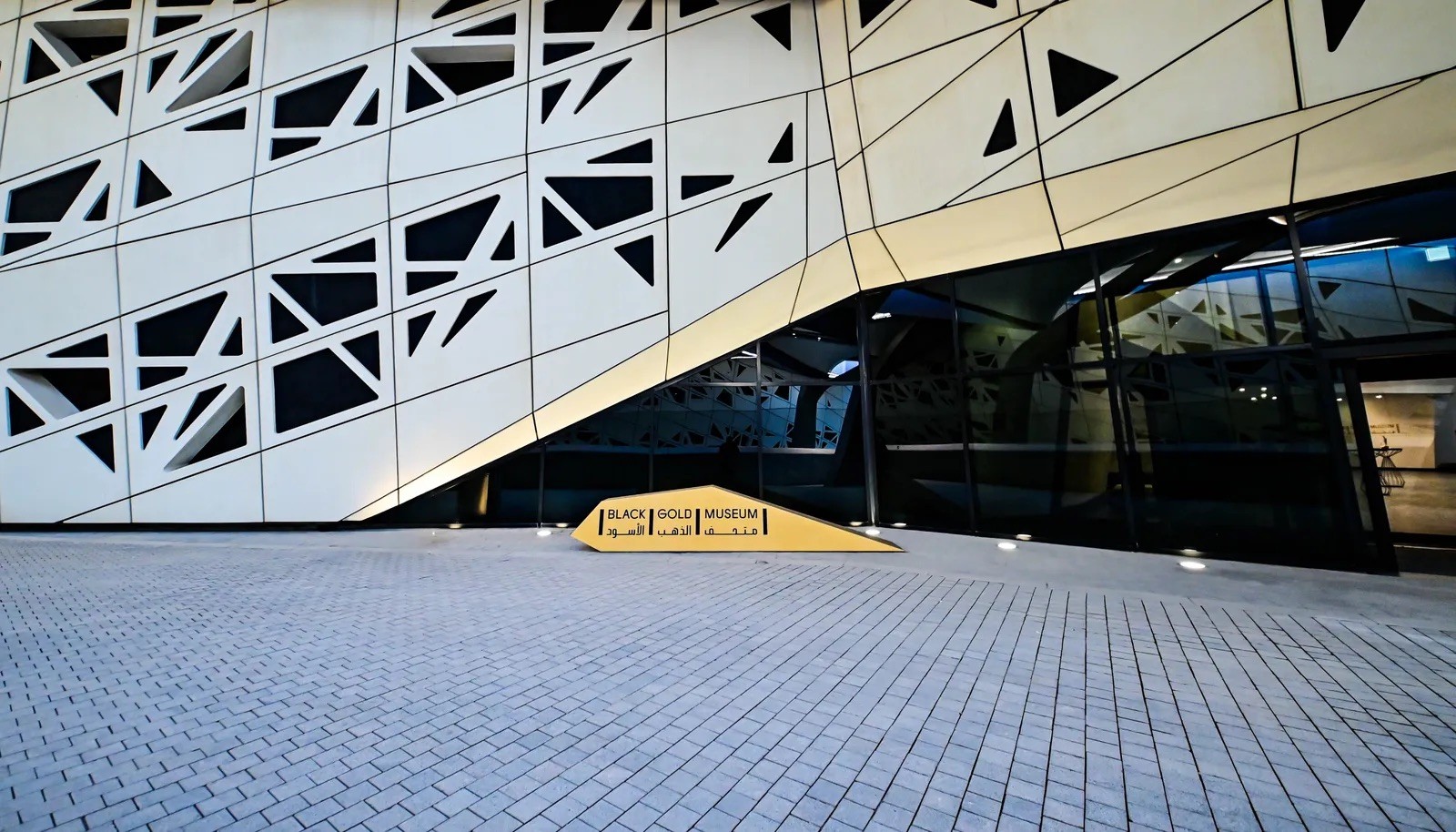
The inauguration was a high-profile affair, led by the Minister of Energy, Prince Abdulaziz bin Salman, alongside the Minister of Culture, Prince Bader bin Abdullah bin Farhan. It marks a significant moment in Riyadh’s cultural calendar, effectively turning the page on the city’s identity from a purely industrial hub to a sophisticated capital of contemporary art and architectural innovation.
The museum breathes within the KAPSARC campus, a site originally defined by Hadid’s cellular, honeycomb geometry. But where the original structure was a temple of data, DaeWha Kang Design has performed a sort of architectural narrative redesign.
The interior has been hollowed out to create a soaring, five-story atrium that feels less like a building and more like a subterranean canyon. A central spiral staircase—a ribbon of fluid motion—coils upward through the space, mimicking the pressurized flow of the very substance the museum celebrates. It is a masterclass in adaptive reuse, where 94% of the original structure remains, now pulsating with a new, dark energy.
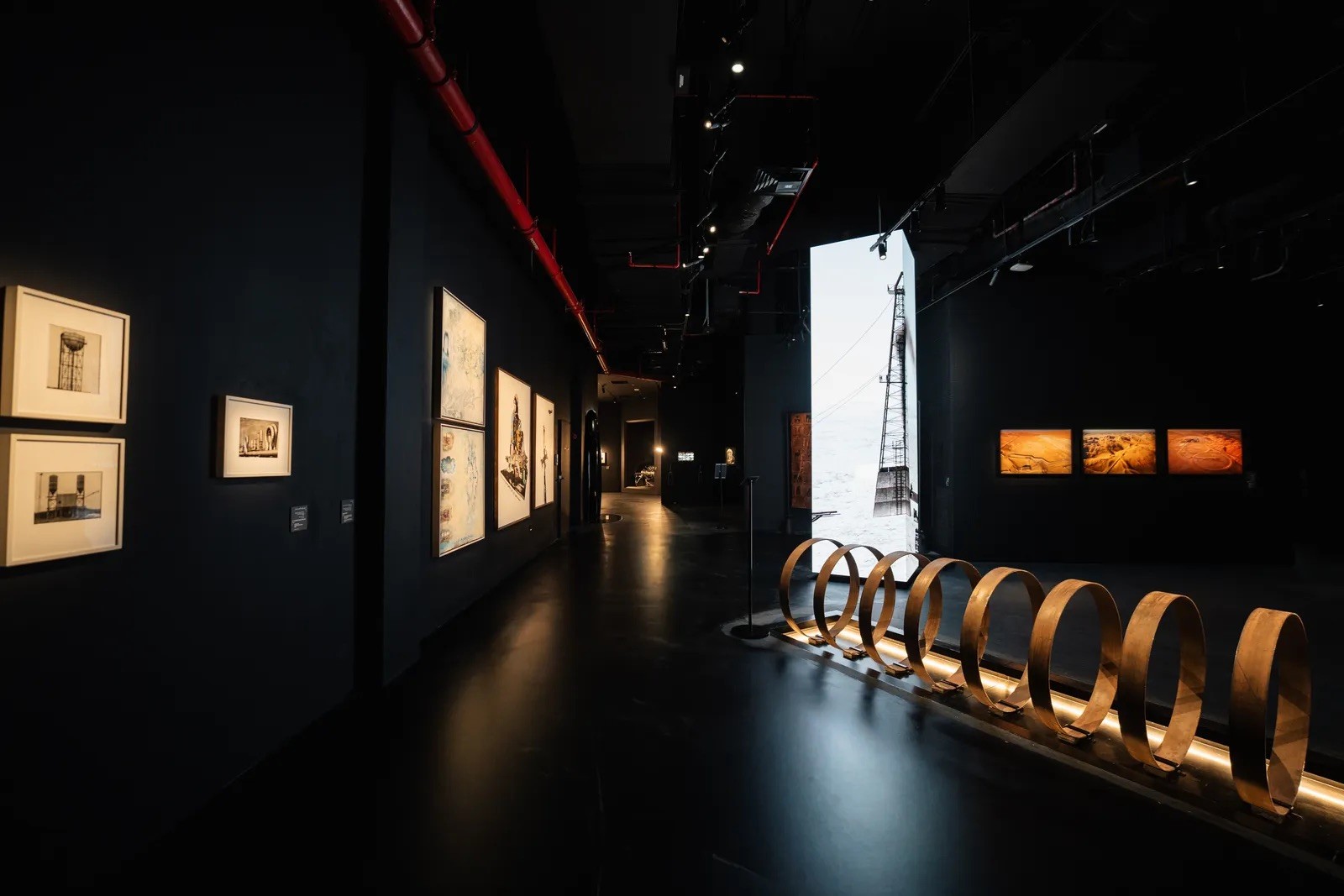
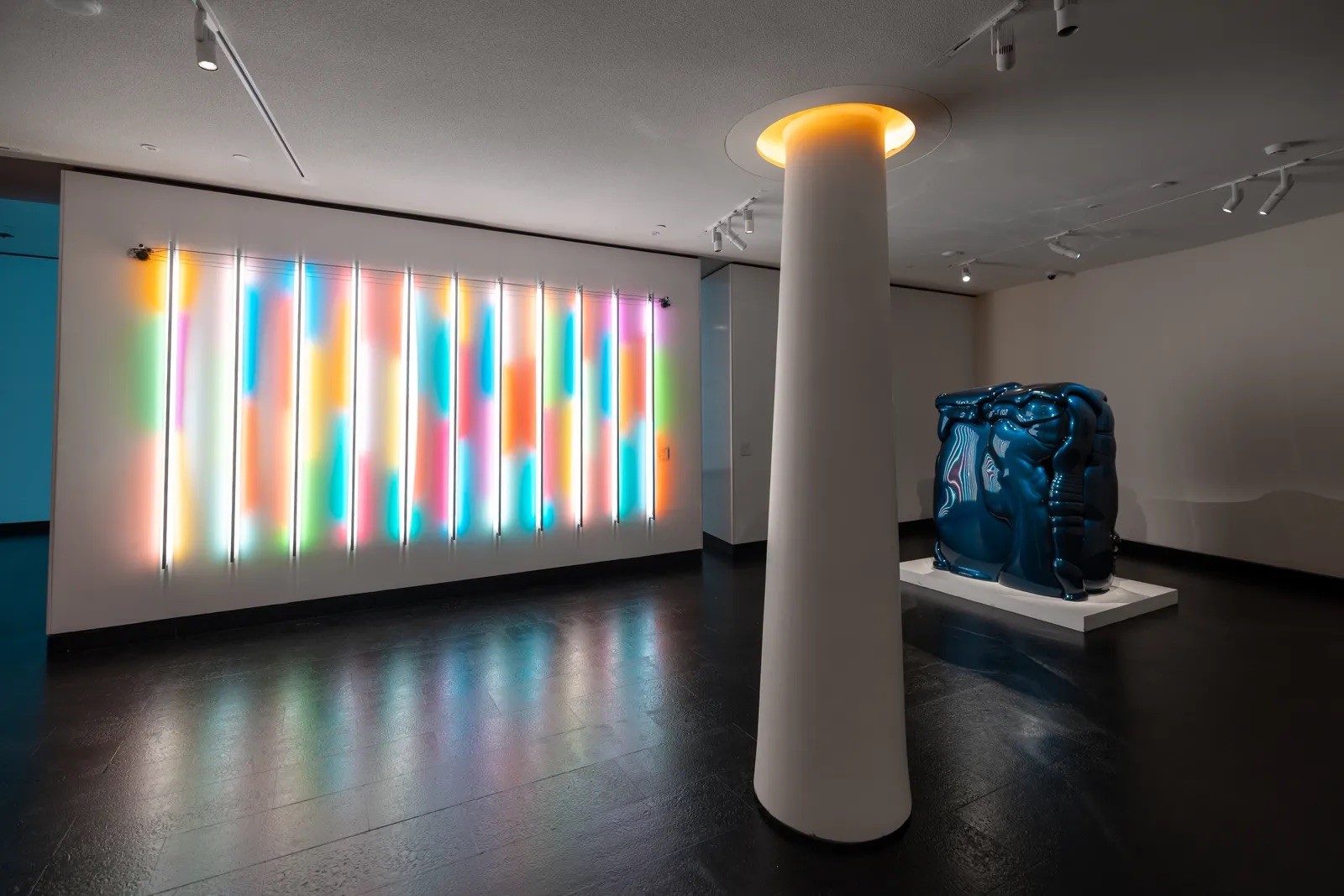
The curation by the Ministry of Energy and the Museums Commission avoids the trap of being a mere corporate timeline. Instead, it treats oil as a cultural protagonist. This isn’t a collection of drill bits and maps. It is an assembly of over 350 works that challenge the viewer to see energy through the eyes of the global avant-garde.
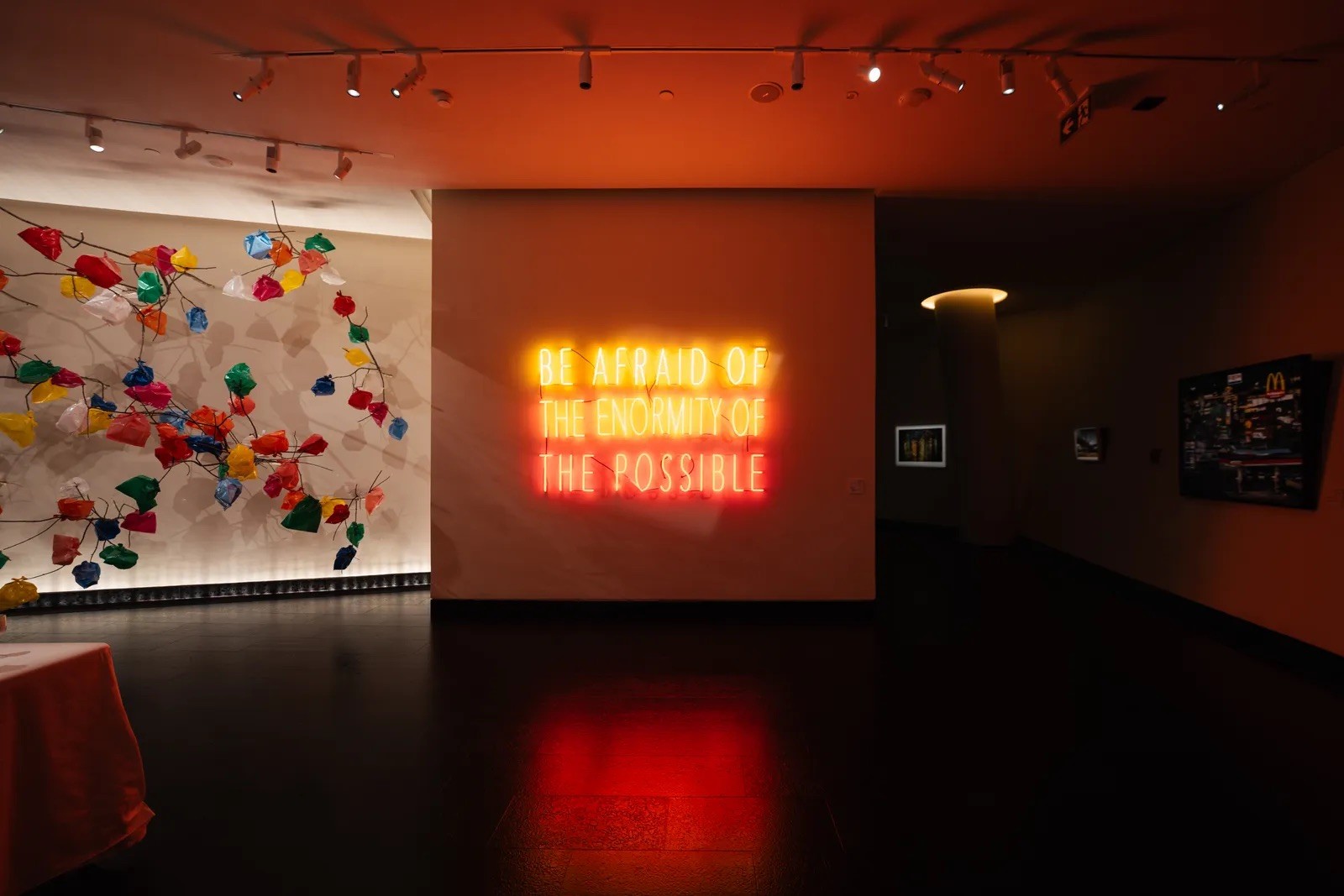
The gallery walls are populated by heavyweights of the contemporary scene. You’ll find the haunting, conceptual works of Manal AlDowayan and the archival depth of Ahmed Mater rubbing shoulders with the immersive, psychedelic landscapes of Doug Aitken. These artists don't just depict oil; they interrogate its legacy, its ethics, and its sheer, transformative power.
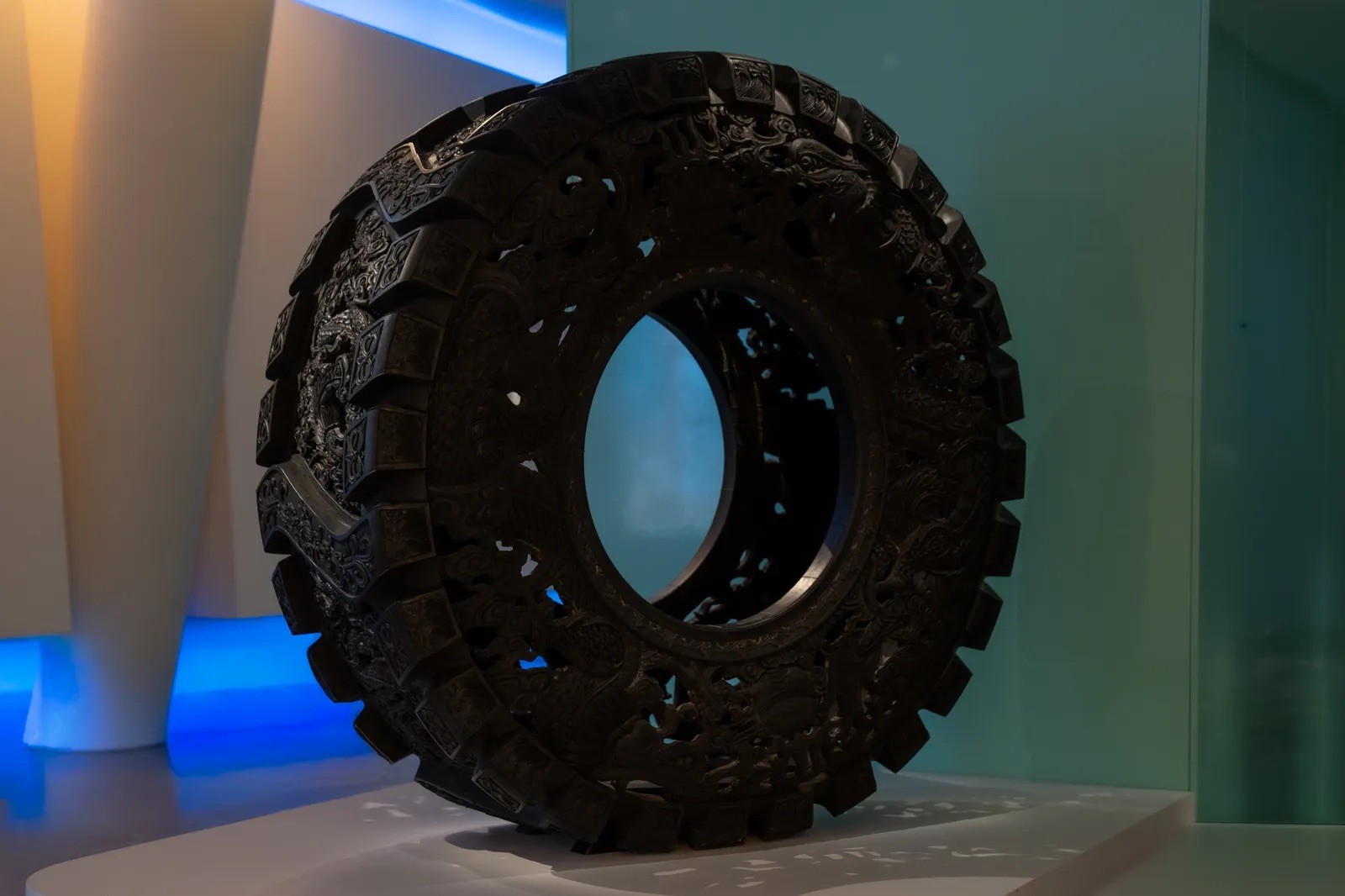
The Black Gold Museum is a bold statement of intent. It is a space where the materiality of the earth meets the fluidity of the future; a dark, polished mirror reflecting the Kingdom’s radical evolution.
Images courtesy DaeWha Kang Design.
In the sharp, desert light of Riyadh, where the horizon usually belongs to the shimmering glass of the Financial District, a new kind of experience has opened its doors. The Black Gold Museum is not merely a repository for the history of oil; it is a shimmering, high-concept sensory experience housed within the skeletal remains of a Zaha Hadid masterpiece.
Here, the story of hydrocarbons is stripped of its dry, industrial utilitarianism and reclothed in the language of high art and architectural alchemy.
The inauguration was a high-profile affair, led by the Minister of Energy, Prince Abdulaziz bin Salman, alongside the Minister of Culture, Prince Bader bin Abdullah bin Farhan. It marks a significant moment in Riyadh’s cultural calendar, effectively turning the page on the city’s identity from a purely industrial hub to a sophisticated capital of contemporary art and architectural innovation.
The museum breathes within the KAPSARC campus, a site originally defined by Hadid’s cellular, honeycomb geometry. But where the original structure was a temple of data, DaeWha Kang Design has performed a sort of architectural narrative redesign.
The interior has been hollowed out to create a soaring, five-story atrium that feels less like a building and more like a subterranean canyon. A central spiral staircase—a ribbon of fluid motion—coils upward through the space, mimicking the pressurized flow of the very substance the museum celebrates. It is a masterclass in adaptive reuse, where 94% of the original structure remains, now pulsating with a new, dark energy.
The curation by the Ministry of Energy and the Museums Commission avoids the trap of being a mere corporate timeline. Instead, it treats oil as a cultural protagonist. This isn’t a collection of drill bits and maps. It is an assembly of over 350 works that challenge the viewer to see energy through the eyes of the global avant-garde.
The gallery walls are populated by heavyweights of the contemporary scene. You’ll find the haunting, conceptual works of Manal AlDowayan and the archival depth of Ahmed Mater rubbing shoulders with the immersive, psychedelic landscapes of Doug Aitken. These artists don't just depict oil; they interrogate its legacy, its ethics, and its sheer, transformative power.
The Black Gold Museum is a bold statement of intent. It is a space where the materiality of the earth meets the fluidity of the future; a dark, polished mirror reflecting the Kingdom’s radical evolution.
Images courtesy DaeWha Kang Design.


Must Reads
Must Reads


we are MOLTN
●
we are MOLTN
●
we are MOLTN
●
we are MOLTN
●
we are MOLTN
●
we are MOLTN
●
we are MOLTN
●
we are MOLTN
●
we are MOLTN
●
we are MOLTN
●
we are MOLTN
●
Subscribe to MOLTN

© We Are MOLTN
2026
we are MOLTN
●
we are MOLTN
●
we are MOLTN
●
we are MOLTN
●
we are MOLTN
●
we are MOLTN
●
we are MOLTN
●
we are MOLTN
●
we are MOLTN
●
we are MOLTN
●
we are MOLTN
●
Subscribe to MOLTN
© We Are MOLTN
2026
we are MOLTN
●
we are MOLTN
●
we are MOLTN
●
we are MOLTN
●
we are MOLTN
●
we are MOLTN
●
we are MOLTN
●
we are MOLTN
●
we are MOLTN
●
we are MOLTN
●
we are MOLTN
●
Subscribe to MOLTN
© We Are MOLTN
2026