
Anish Kapoor Returns to the Hayward - And He's Still Playing With Reality
Culture
•
June 16, 2026

Team MOLTN

Nearly three decades after his last major exhibition at London's Hayward Gallery, Anish Kapoor is back with a show that feels as disorienting, physical and psychologically charged as ever. Opening this month, the exhibition brings together new and significant works that challenge perception, distort scale and force viewers to reconsider their relationship to space, matter and even their own senses.
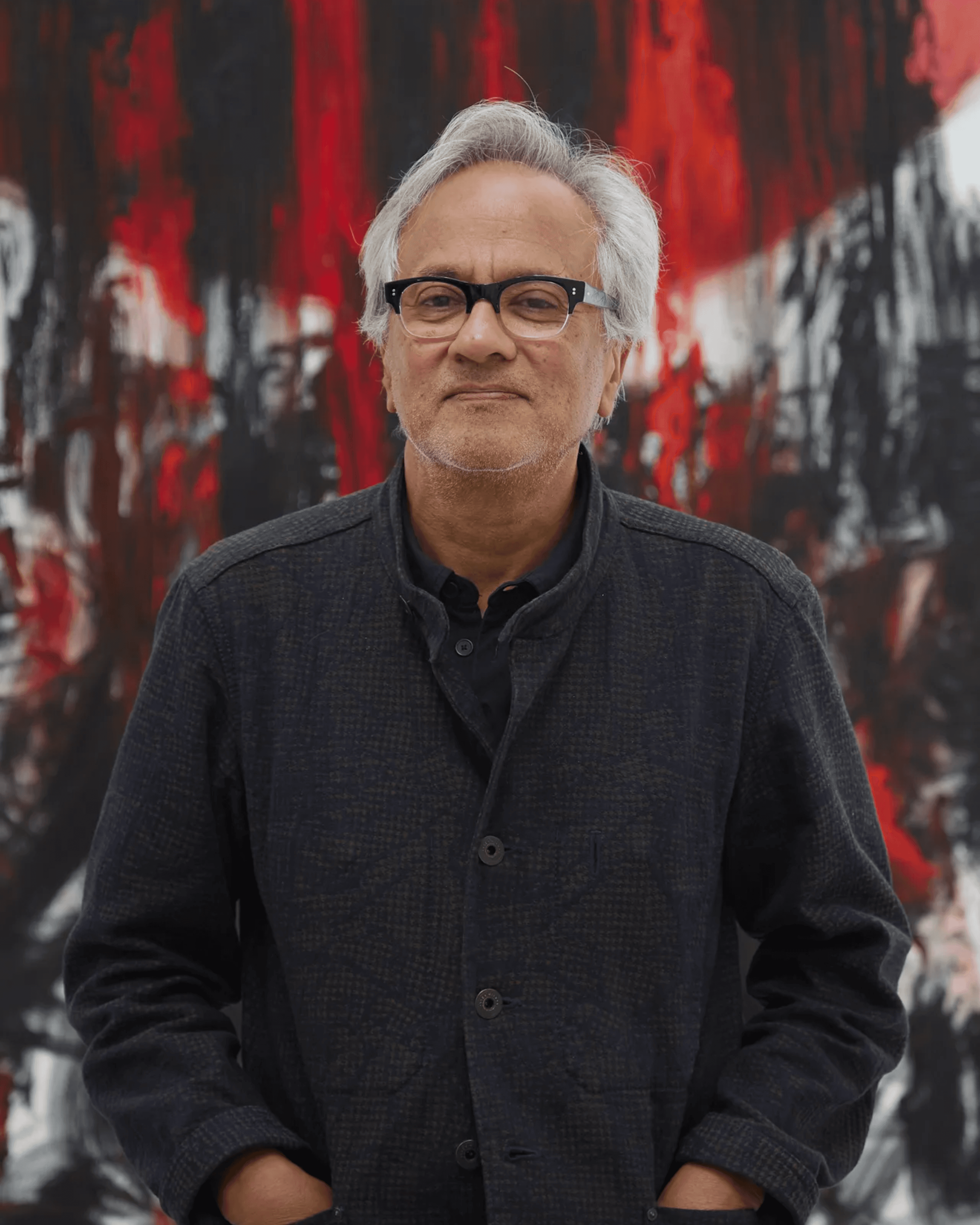
Anish Kapoor (Image credit: Portrait by George Darell)
There are few contemporary artists as preoccupied with the act of looking as Anish Kapoor. Across a career spanning more than four decades, the Mumbai-born artist has repeatedly asked viewers to question what they think they are seeing, whether through mirrors, voids, monumental sculptures or surfaces that appear to defy logic.
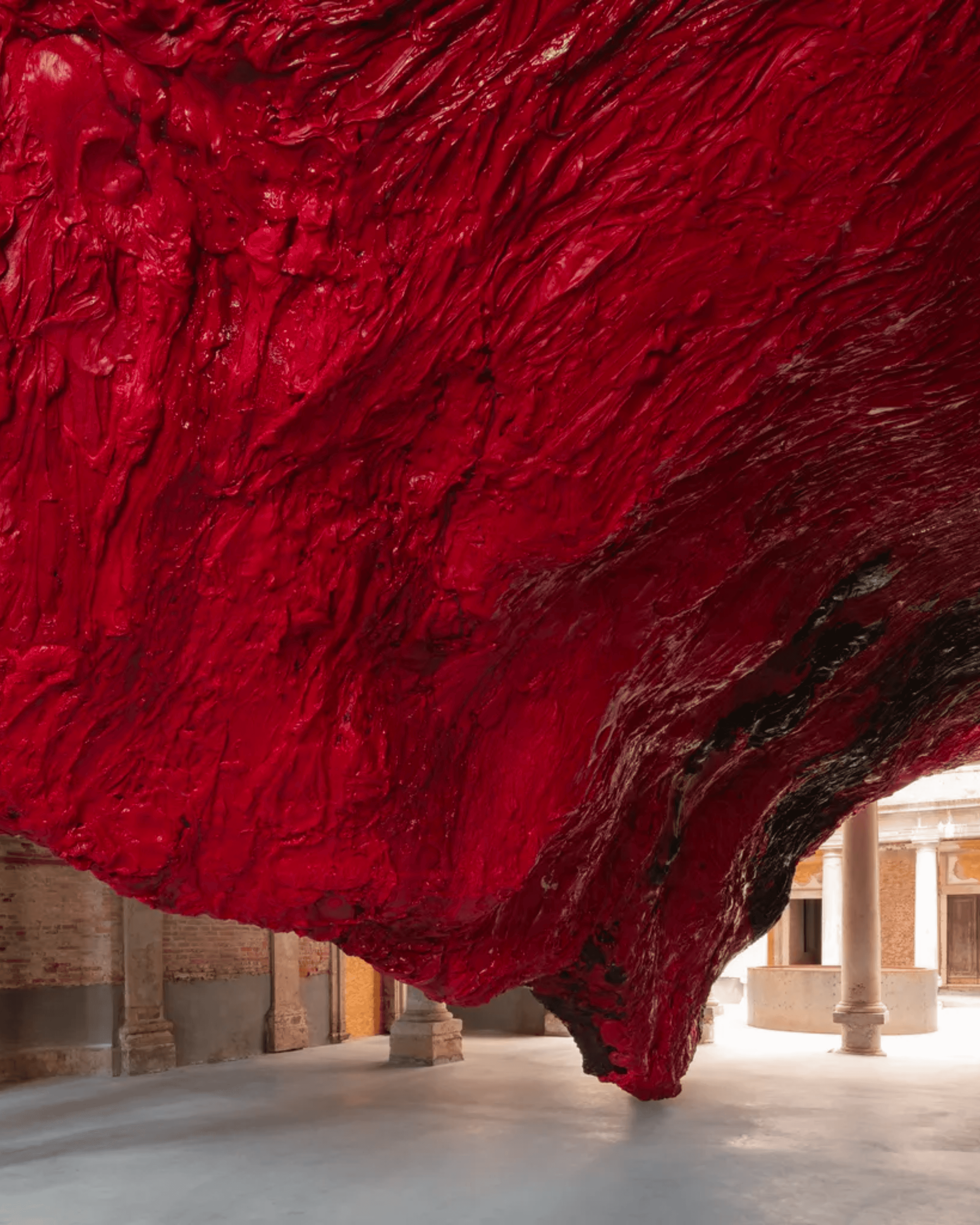
Mount Moriah at the Gate of the Ghetto, 2022 (Image credit: Photograph: Attilio Maranzano ©Anish Kapoor. All rights reserved, DACS, 2026)
His new exhibition at the Hayward Gallery occupies the gallery's Brutalist interiors, and unfolds through a series of works that manipulate proportion, perception and physical presence. Visitors are greeted by a monumental red inflatable membrane that fills an entire gallery space, forcing them to navigate around it while never fully grasping its form. Elsewhere, works appear to float, disappear or transform depending on where the viewer stands.
A recurring theme throughout the exhibition is the relationship between the body and belief. Several works reference ritual, sacrifice and mortality, using red pigments, silicone forms and visceral materials that evoke flesh, blood and internal anatomy. Kapoor's sculptures have long occupied a space between the physical and the symbolic, and here they continue to blur the line between the two.
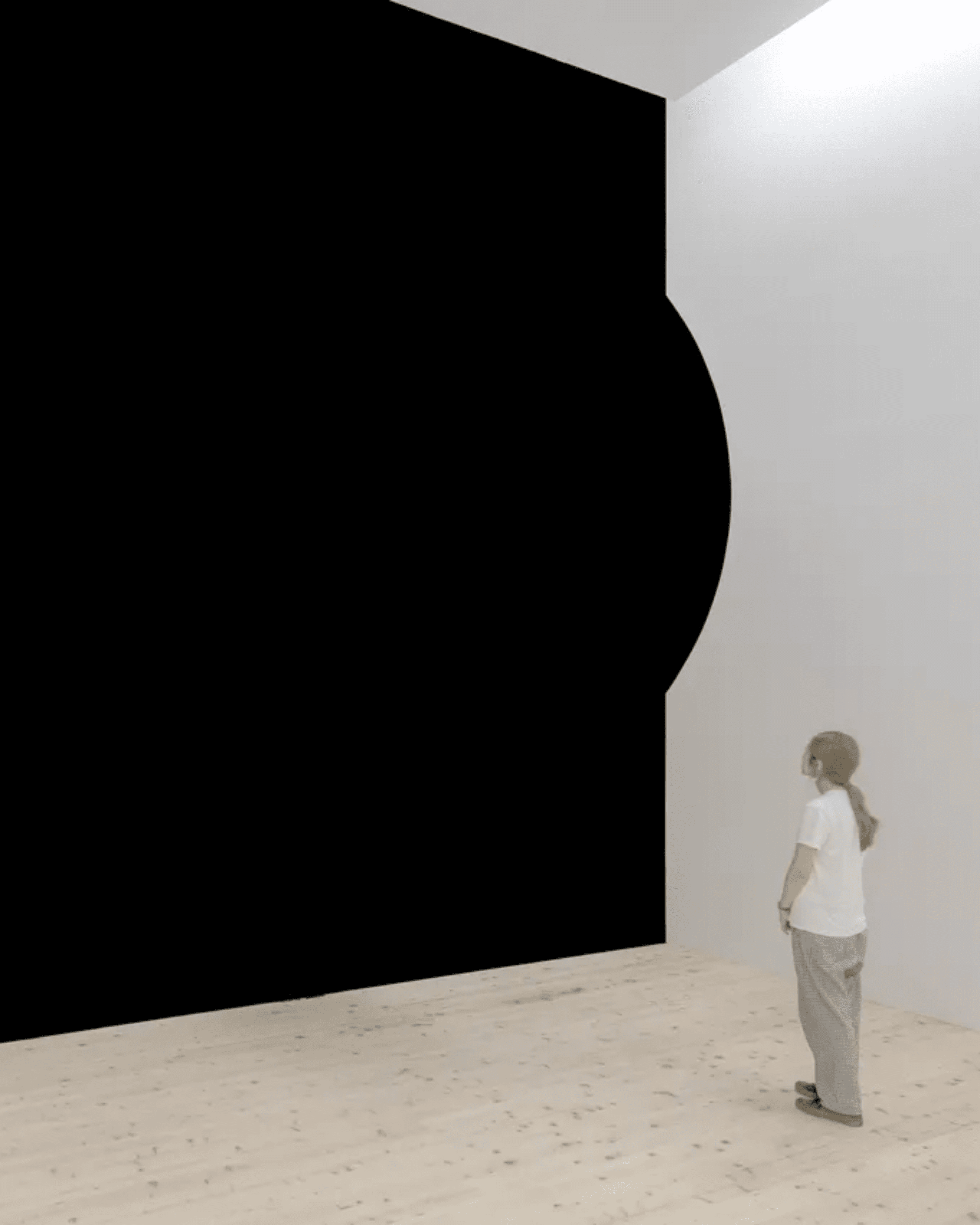
Void Pavilion VI 2018 (Image credit: Photograph Nobutada Omote ©Anish Kapoor. All rights reserved, DACS, 2026)
The exhibition also revisits one of Kapoor's most enduring fascinations: The Void. A dedicated section features works created using Vantablack, the ultra-light-absorbing material that renders surfaces almost impossible to perceive. The effect is unsettling. Shapes disappear, depth becomes unknowable and viewers are left confronting the limitations of their own vision.
What makes Kapoor's work so compelling is not simply its scale, but the way it transforms a gallery visit into a bodily experience. These are not sculptures that sit quietly in a room waiting to be admired. They demand movement, provoke uncertainty and occasionally leave viewers questioning whether what they're looking at is actually there at all.
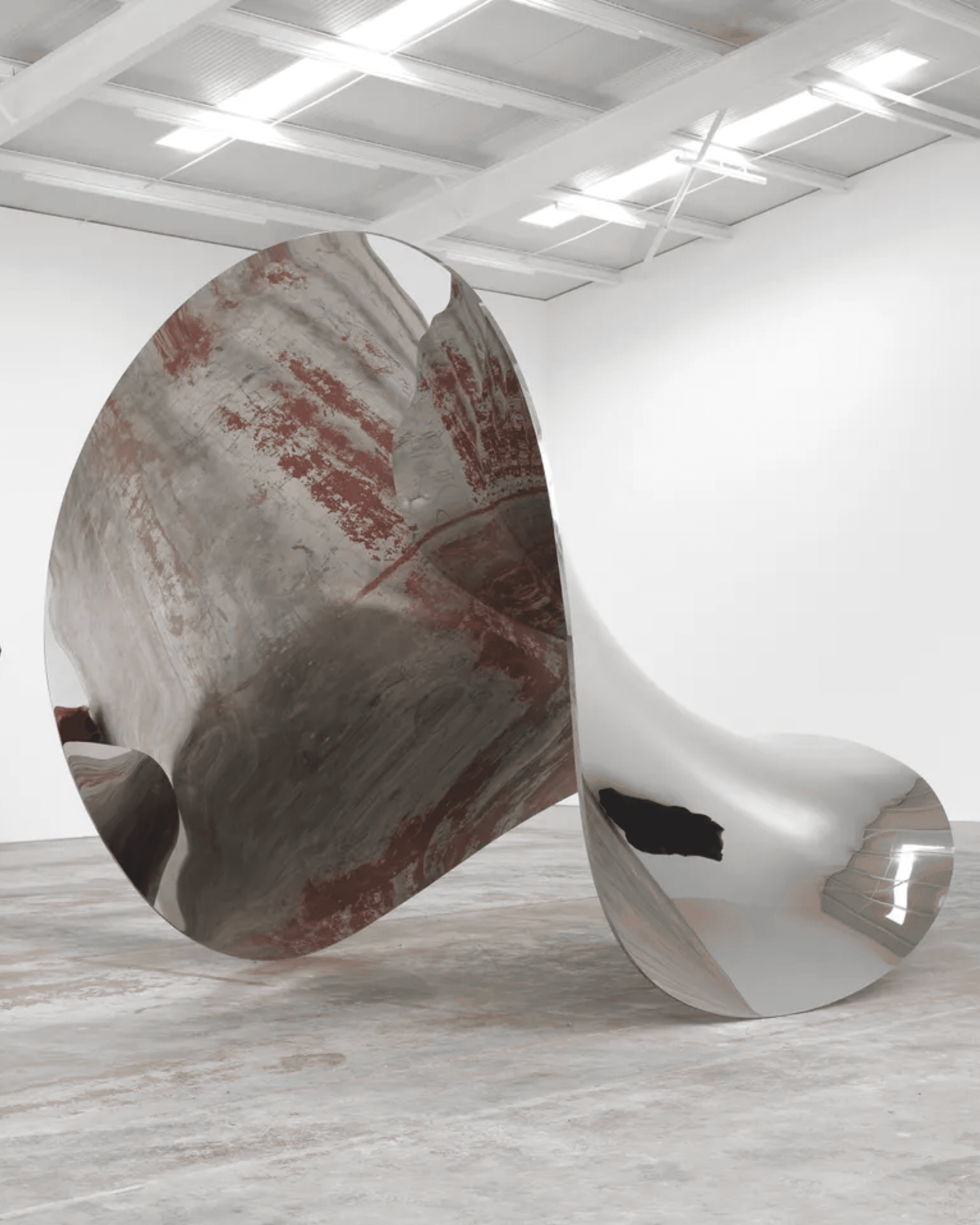
Tsunami 2018 (Image credit: Photograph_ Dave Morgan ©Anish Kapoor. All rights reserved, DACS, 2026)
At a moment when so much visual culture is designed for instant consumption, Kapoor's work remains stubbornly resistant. It asks for time, attention and a willingness to sit with ambiguity. The result is an exhibition that feels less like a retrospective and more like an invitation to lose your bearings.
Anish Kapoor is at the Hayward Gallery, London, from 16 June to 18 October 2026.
Anish Kapoor (Image credit: Portrait by George Darell)
There are few contemporary artists as preoccupied with the act of looking as Anish Kapoor. Across a career spanning more than four decades, the Mumbai-born artist has repeatedly asked viewers to question what they think they are seeing, whether through mirrors, voids, monumental sculptures or surfaces that appear to defy logic.
Mount Moriah at the Gate of the Ghetto, 2022 (Image credit: Photograph: Attilio Maranzano ©Anish Kapoor. All rights reserved, DACS, 2026)
His new exhibition at the Hayward Gallery occupies the gallery's Brutalist interiors, and unfolds through a series of works that manipulate proportion, perception and physical presence. Visitors are greeted by a monumental red inflatable membrane that fills an entire gallery space, forcing them to navigate around it while never fully grasping its form. Elsewhere, works appear to float, disappear or transform depending on where the viewer stands.
A recurring theme throughout the exhibition is the relationship between the body and belief. Several works reference ritual, sacrifice and mortality, using red pigments, silicone forms and visceral materials that evoke flesh, blood and internal anatomy. Kapoor's sculptures have long occupied a space between the physical and the symbolic, and here they continue to blur the line between the two.
Void Pavilion VI 2018 (Image credit: Photograph Nobutada Omote ©Anish Kapoor. All rights reserved, DACS, 2026)
The exhibition also revisits one of Kapoor's most enduring fascinations: The Void. A dedicated section features works created using Vantablack, the ultra-light-absorbing material that renders surfaces almost impossible to perceive. The effect is unsettling. Shapes disappear, depth becomes unknowable and viewers are left confronting the limitations of their own vision.
What makes Kapoor's work so compelling is not simply its scale, but the way it transforms a gallery visit into a bodily experience. These are not sculptures that sit quietly in a room waiting to be admired. They demand movement, provoke uncertainty and occasionally leave viewers questioning whether what they're looking at is actually there at all.
Tsunami 2018 (Image credit: Photograph_ Dave Morgan ©Anish Kapoor. All rights reserved, DACS, 2026)
At a moment when so much visual culture is designed for instant consumption, Kapoor's work remains stubbornly resistant. It asks for time, attention and a willingness to sit with ambiguity. The result is an exhibition that feels less like a retrospective and more like an invitation to lose your bearings.
Anish Kapoor is at the Hayward Gallery, London, from 16 June to 18 October 2026.



Must Reads
Must Reads


we are MOLTN
●
we are MOLTN
●
we are MOLTN
●
we are MOLTN
●
we are MOLTN
●
we are MOLTN
●
we are MOLTN
●
we are MOLTN
●
we are MOLTN
●
we are MOLTN
●
we are MOLTN
●
Subscribe to MOLTN

© We Are MOLTN
2026
we are MOLTN
●
we are MOLTN
●
we are MOLTN
●
we are MOLTN
●
we are MOLTN
●
we are MOLTN
●
we are MOLTN
●
we are MOLTN
●
we are MOLTN
●
we are MOLTN
●
we are MOLTN
●
Subscribe to MOLTN
© We Are MOLTN
2026
we are MOLTN
●
we are MOLTN
●
we are MOLTN
●
we are MOLTN
●
we are MOLTN
●
we are MOLTN
●
we are MOLTN
●
we are MOLTN
●
we are MOLTN
●
we are MOLTN
●
we are MOLTN
●
Subscribe to MOLTN
© We Are MOLTN
2026