

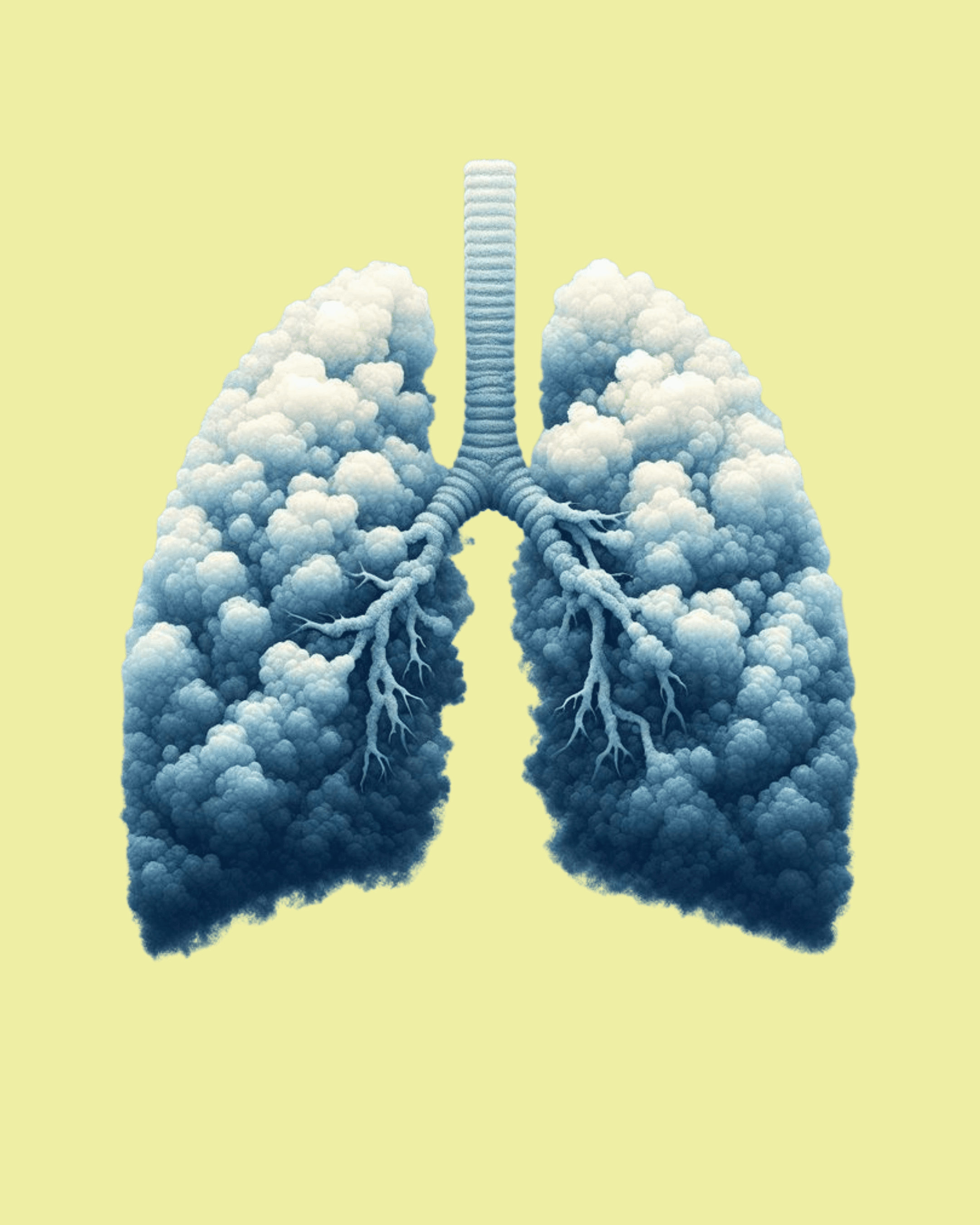
With regional instability and ongoing conflicts, how does one best take care of oneself? We sit down with Mindset Coach, Nour Bachir.
With the ongoing conflicts in the Arab region, and MOLTN's home base of Dubai, a lot of us have been noticeably quiet and on edge. Even though it's Ramadan, and a time for people to come together, it has been heavy with fear and grief. We sat down with health and life coach, Nour Bachir, and the founder of the mental wellness platform, Bedaya, on how we can best live our lives with some amount of agency in these times of uncertainty.
In times of such uncertainty, how does one operate from a point of rationale and level-headedness, instead of panic and fear?
Fear is the fastest-spreading human emotion, and in times of global or regional distress, panic and anxiety are completely natural responses. We sometimes ask a great deal of people during these moments: to think clearly, to "hold it together." But the truth is, we live in a metropolitan city where people come from vastly different backgrounds and carry vastly different histories. The same news cycle can be deeply triggering for one person and feel like background noise for another. Yet regardless of how it manifests outwardly, the stress response in the body is largely the same for all of us.
So the real question isn't how we get people to operate as if everything is normal, it's how we genuinely help people move through an extraordinarily difficult time. And that reframe matters. Rational and level-headed doesn't mean business as usual. It means as much as I can today; operating at the best of my current capacity. Supporting people toward that place requires access to the right coping strategies: trauma-informed support, counseling, group sessions, and somatic practices like breathwork. We meet people where they are, not where we wish they were.
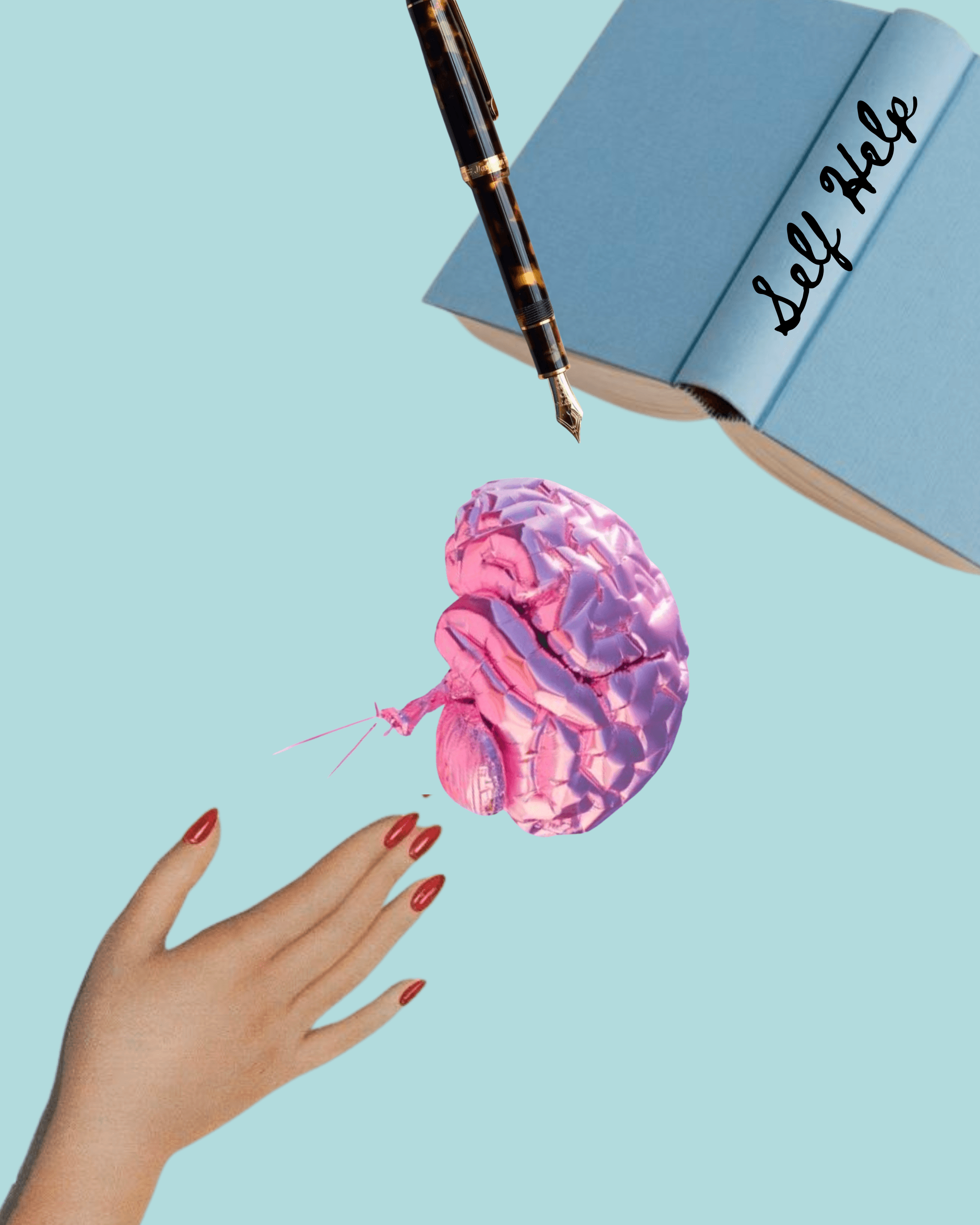
We are a week into the conflict, and many of us have to return to work or unpause our daily lives. What are some grounding techniques to help us return to regular life while recognising the gravity of the situation?
For those in leadership positions, my first message is this: lead with empathy. Your team members are not the same as they were last week, and pretending otherwise will cost you more than it saves. For entrepreneurs and the self-employed, I'd offer the same reminder: things will take time to normalise, and that's okay. The uncertainty is still unfolding, and your nervous system knows it even when your calendar doesn't.
When it comes to grounding techniques, the goal is nervous system regulation — bringing the body out of fight-or-flight and back into a state where clear thinking is possible. Practices I recommend include:
Deep diaphragmatic breathing: slow, intentional, belly-led breaths
Box breathing (4-4-4-4) or an extended exhale pattern (inhale for 4, exhale for 8) to activate the parasympathetic nervous system
Walks without technology: let your senses re-engage with the present moment
Connection: speak to someone you trust; co-regulation is real and powerful
Are there any grounding techniques or breathing exercises you recommend to help combat more immediate anxiety?
When anxiety hits acutely, the fastest intervention is the breath — because it's the one part of the autonomic nervous system we can consciously control.
Start with a physiological sigh: a double inhale through the nose followed by a long, slow exhale through the mouth. This rapidly lowers the heart rate and signals safety to the nervous system. From there, box breathing (4 counts in, hold 4, out 4, hold 4) helps restore rhythm and focus.
For grounding in the body, try the 5-4-3-2-1 technique: name 5 things you can see, 4 you can touch, 3 you can hear, 2 you can smell, 1 you can taste. It interrupts the spiral and brings you back to the present — which is almost always safer than where the mind wants to take you.
Do you have any breathing or grounding techniques for those of us for whom focusing on day-to-day or work tasks feels insurmountable?
When everything feels too heavy to lift, start smaller than you think you need to. Clarity in the environment supports clarity in the mind, so begin by clearing your physical space. Even that one act can create a sense of agency.
Then, rather than facing the full weight of your to-do list, identify just your priority tasks and write them down. Chunking work into smaller, named pieces makes the insurmountable feel manageable.
After completing each task, give yourself a genuine micro-break: step away, stretch, walk, move.
Movement is not a luxury here; it is a biological necessity. Even 45 seconds of jumping can shift your state by releasing pent-up stress hormones.
Weave breathwork in between tasks, a few slow, intentional breaths before you begin each one, acts as a reset and keeps the nervous system from accumulating tension throughout the day.
Do you have any words of wisdom on coping with uncertainty? Not knowing what happens next is a heavy emotion to carry — how does one stop from spiraling?
Here's something worth sitting with: fear is contagious, but so is hope. So is gratitude. We are wired to treat the things we fear as more true, more valid, more real than anything else. That's why worry can feel like wisdom and hope can feel like naivety. But that's a cognitive distortion, not a fact.
I come from the south of Lebanon, a region that has not known peace in the way much of the world takes for granted. And yet the people there are among the most kind, faithful, and hopeful I have ever known. I have drawn immeasurable strength from them, and from the resilience of Palestinians. They have taught me that hope is not wishful thinking. It is, in fact, an act of resistance, and one of the most powerful tools we have.
As a mindset coach, I always come back to this: your mind is where you actually live. It is the lens through which you experience everything in this physical world. And in times of deep uncertainty, you must return to what is within your control. Some days, that looks like cleaning your space. Getting one thing done. Moving your body. Taking a breath. These are not small things; they are the foundation.
Remind yourself, gently but firmly: everything is temporary. Including this.
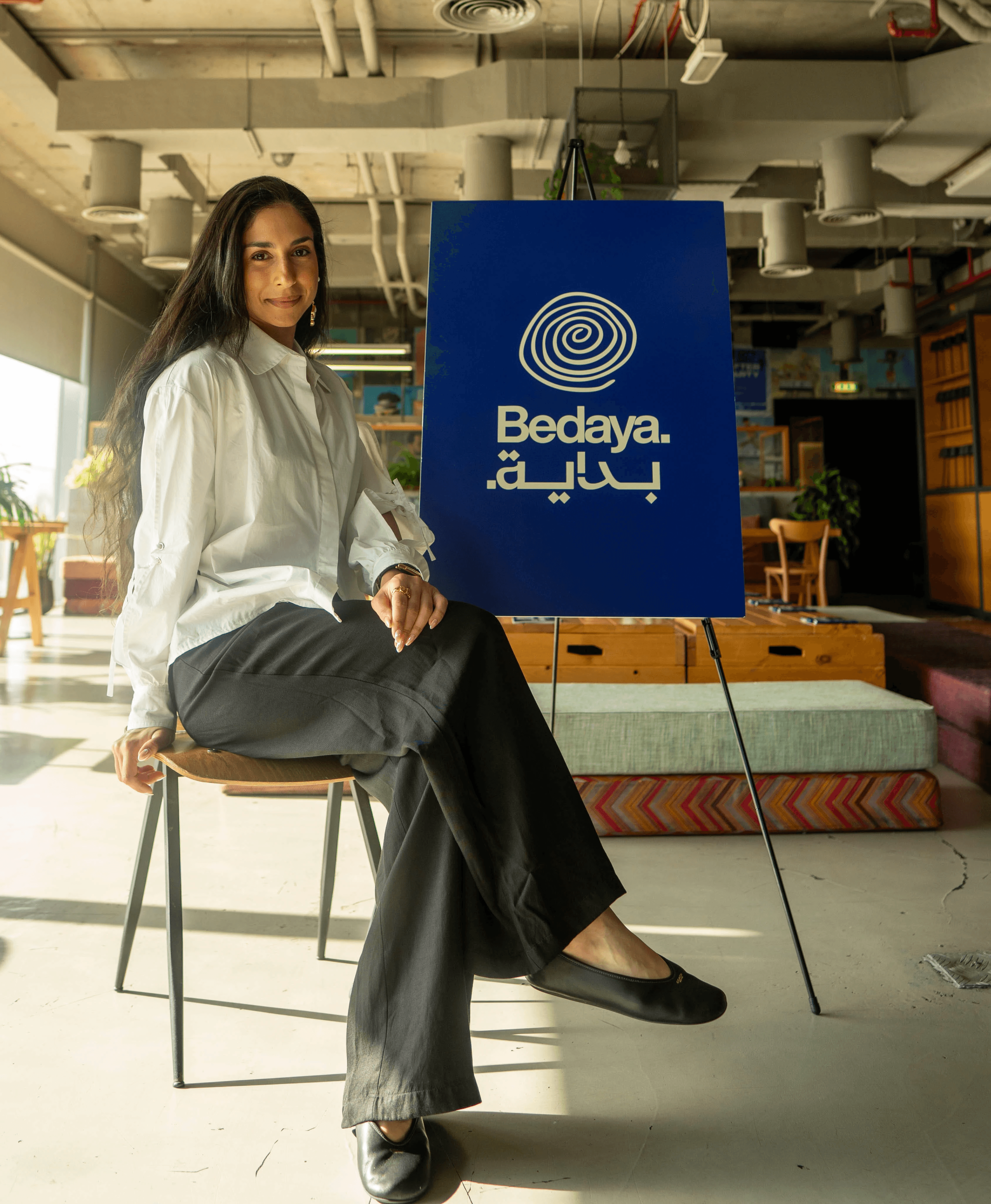
Nour Bachir is a Dubai-based mindset coach, with a background in psychology. Follow her on Instagram here.
With the ongoing conflicts in the Arab region, and MOLTN's home base of Dubai, a lot of us have been noticeably quiet and on edge. Even though it's Ramadan, and a time for people to come together, it has been heavy with fear and grief. We sat down with health and life coach, Nour Bachir, and the founder of the mental wellness platform, Bedaya, on how we can best live our lives with some amount of agency in these times of uncertainty.
In times of such uncertainty, how does one operate from a point of rationale and level-headedness, instead of panic and fear?
Fear is the fastest-spreading human emotion, and in times of global or regional distress, panic and anxiety are completely natural responses. We sometimes ask a great deal of people during these moments: to think clearly, to "hold it together." But the truth is, we live in a metropolitan city where people come from vastly different backgrounds and carry vastly different histories. The same news cycle can be deeply triggering for one person and feel like background noise for another. Yet regardless of how it manifests outwardly, the stress response in the body is largely the same for all of us.
So the real question isn't how we get people to operate as if everything is normal, it's how we genuinely help people move through an extraordinarily difficult time. And that reframe matters. Rational and level-headed doesn't mean business as usual. It means as much as I can today; operating at the best of my current capacity. Supporting people toward that place requires access to the right coping strategies: trauma-informed support, counseling, group sessions, and somatic practices like breathwork. We meet people where they are, not where we wish they were.
We are a week into the conflict, and many of us have to return to work or unpause our daily lives. What are some grounding techniques to help us return to regular life while recognising the gravity of the situation?
For those in leadership positions, my first message is this: lead with empathy. Your team members are not the same as they were last week, and pretending otherwise will cost you more than it saves. For entrepreneurs and the self-employed, I'd offer the same reminder: things will take time to normalise, and that's okay. The uncertainty is still unfolding, and your nervous system knows it even when your calendar doesn't.
When it comes to grounding techniques, the goal is nervous system regulation — bringing the body out of fight-or-flight and back into a state where clear thinking is possible. Practices I recommend include:
Deep diaphragmatic breathing: slow, intentional, belly-led breaths
Box breathing (4-4-4-4) or an extended exhale pattern (inhale for 4, exhale for 8) to activate the parasympathetic nervous system
Walks without technology: let your senses re-engage with the present moment
Connection: speak to someone you trust; co-regulation is real and powerful
Are there any grounding techniques or breathing exercises you recommend to help combat more immediate anxiety?
When anxiety hits acutely, the fastest intervention is the breath — because it's the one part of the autonomic nervous system we can consciously control.
Start with a physiological sigh: a double inhale through the nose followed by a long, slow exhale through the mouth. This rapidly lowers the heart rate and signals safety to the nervous system. From there, box breathing (4 counts in, hold 4, out 4, hold 4) helps restore rhythm and focus.
For grounding in the body, try the 5-4-3-2-1 technique: name 5 things you can see, 4 you can touch, 3 you can hear, 2 you can smell, 1 you can taste. It interrupts the spiral and brings you back to the present — which is almost always safer than where the mind wants to take you.
Do you have any breathing or grounding techniques for those of us for whom focusing on day-to-day or work tasks feels insurmountable?
When everything feels too heavy to lift, start smaller than you think you need to. Clarity in the environment supports clarity in the mind, so begin by clearing your physical space. Even that one act can create a sense of agency.
Then, rather than facing the full weight of your to-do list, identify just your priority tasks and write them down. Chunking work into smaller, named pieces makes the insurmountable feel manageable.
After completing each task, give yourself a genuine micro-break: step away, stretch, walk, move.
Movement is not a luxury here; it is a biological necessity. Even 45 seconds of jumping can shift your state by releasing pent-up stress hormones.
Weave breathwork in between tasks, a few slow, intentional breaths before you begin each one, acts as a reset and keeps the nervous system from accumulating tension throughout the day.
Do you have any words of wisdom on coping with uncertainty? Not knowing what happens next is a heavy emotion to carry — how does one stop from spiraling?
Here's something worth sitting with: fear is contagious, but so is hope. So is gratitude. We are wired to treat the things we fear as more true, more valid, more real than anything else. That's why worry can feel like wisdom and hope can feel like naivety. But that's a cognitive distortion, not a fact.
I come from the south of Lebanon, a region that has not known peace in the way much of the world takes for granted. And yet the people there are among the most kind, faithful, and hopeful I have ever known. I have drawn immeasurable strength from them, and from the resilience of Palestinians. They have taught me that hope is not wishful thinking. It is, in fact, an act of resistance, and one of the most powerful tools we have.
As a mindset coach, I always come back to this: your mind is where you actually live. It is the lens through which you experience everything in this physical world. And in times of deep uncertainty, you must return to what is within your control. Some days, that looks like cleaning your space. Getting one thing done. Moving your body. Taking a breath. These are not small things; they are the foundation.
Remind yourself, gently but firmly: everything is temporary. Including this.
Nour Bachir is a Dubai-based mindset coach, with a background in psychology. Follow her on Instagram here.



Must Reads
Must Reads


we are MOLTN
●
we are MOLTN
●
we are MOLTN
●
we are MOLTN
●
we are MOLTN
●
we are MOLTN
●
we are MOLTN
●
we are MOLTN
●
we are MOLTN
●
we are MOLTN
●
we are MOLTN
●
Subscribe to MOLTN

© We Are MOLTN
2026
we are MOLTN
●
we are MOLTN
●
we are MOLTN
●
we are MOLTN
●
we are MOLTN
●
we are MOLTN
●
we are MOLTN
●
we are MOLTN
●
we are MOLTN
●
we are MOLTN
●
we are MOLTN
●
Subscribe to MOLTN
© We Are MOLTN
2026
we are MOLTN
●
we are MOLTN
●
we are MOLTN
●
we are MOLTN
●
we are MOLTN
●
we are MOLTN
●
we are MOLTN
●
we are MOLTN
●
we are MOLTN
●
we are MOLTN
●
we are MOLTN
●
Subscribe to MOLTN
© We Are MOLTN
2026