
How Goa Became India’s Most Unusual Retail Experiment
Lifestyle
•
January 16, 2026
Malvika Kukreja
Contributor
How Goa Became India’s Most Unusual Retail Experiment
Lifestyle
•
January 16, 2026
Malvika Kukreja
Contributor
India’s new wave of design-led concept stores may seem like a fresh cultural moment, but they are part of a cultural continuum that began in Goa decades ago.
What looks like a new concept retail movement, in reality, is an evolution of something Goa has been doing for decades. A mix of designers, migrants, founders and creative communities have been quietly reshaping what retail means in the sunshine state, where spaces are expressions of their creative identity.
The design and retail outposts in Goa aren’t new, and they were never competing with the rest of the world. Much like the lifestyle here, the retail landscape always sat outside the capitalistic ecosystem–a slow, intentional and above all, highly edited environment designed like a window into someone’s worldview, not a ‘shop’, in essence.
Together, these spaces traded in unhurried collectibles - from handmade objects, lesser-known-crafts, design pieces, specially curated textiles, art, and souvenirs meant to be discovered slowly, rather than consumed at speed.
Long before Assagao - now one of North Goa’s most design-forward and sought-after neighbourhoods became a grid of identical concept stores frequented by tourists, there were those that designed unique experiences, not just selling objects, but a more considered way of living, bridging local community, conversations, and one where tactility, refined taste and experience were the big draw.
Be it true curio collectors like the 22-year-old Rangeela in Assagao - known for bringing together objects sourced across regions and makers, spanning materials and design inspirations; Paperboat Collective in Sangolda, a once-sleepy residential pocket that quietly housed some of Goa’s earliest design experiments; or Sacha’s Shop in Altinho, Panjim’s most genteel and historically creative neighbourhood, recognised for its eclectic edit of clothing, textiles, homeware, and artisanal finds. These spaces functioned as extensions of their founders’ values and vision - each with a distinct design vocabulary, a strong point of view, and a commitment to curation over commerce.
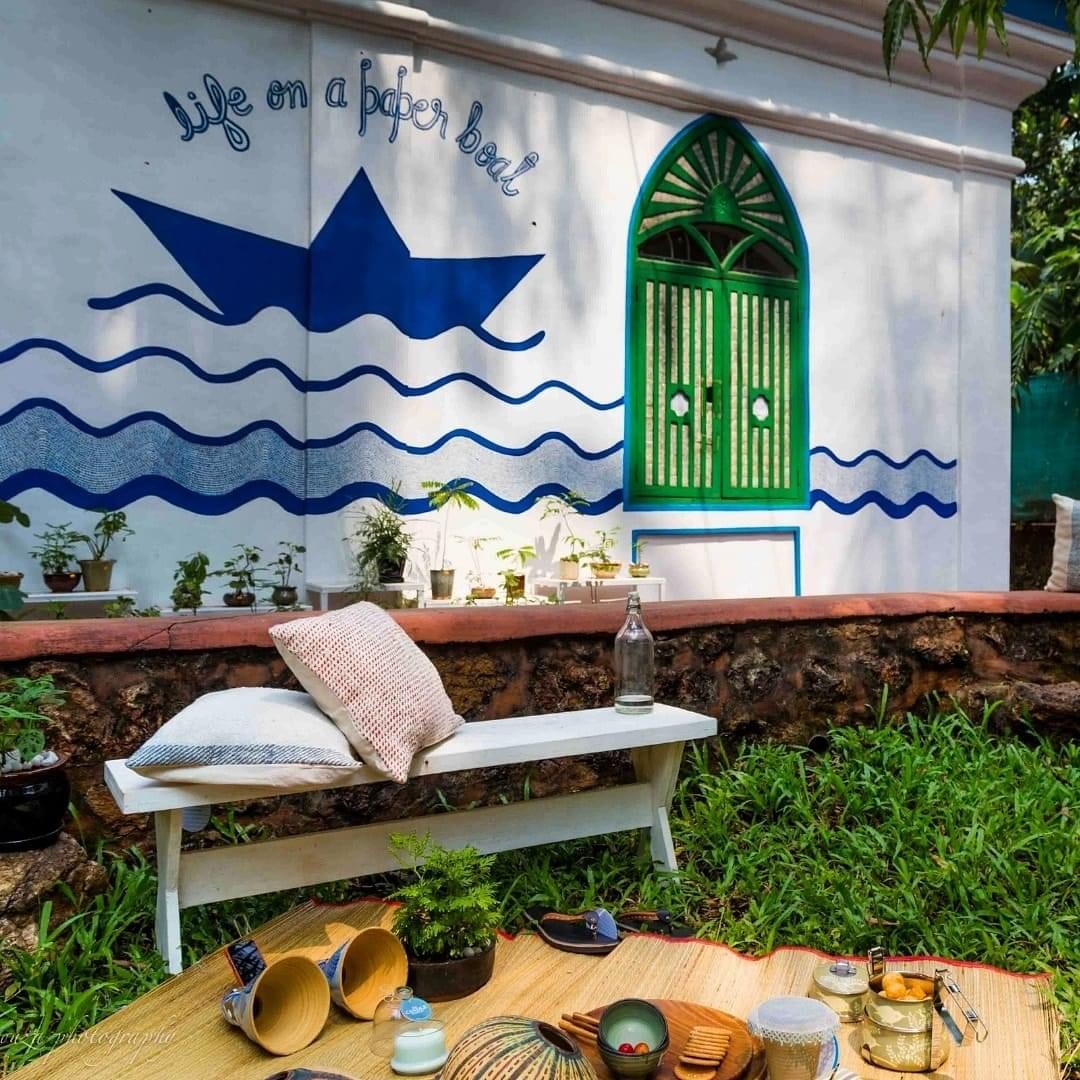
Recalling the early days of her decade and a half old retail career, founder and creative director of Paperboat Collective, Bhagyasharee Patwardhan reflected, "When I opened Paperboat Collective, it was designed like an experience, and many people have told me that. It was almost museum-like, touched all five senses, you could find your way, there was always something to discover, great music, conversations, and it catered to an audience that was really, really special."
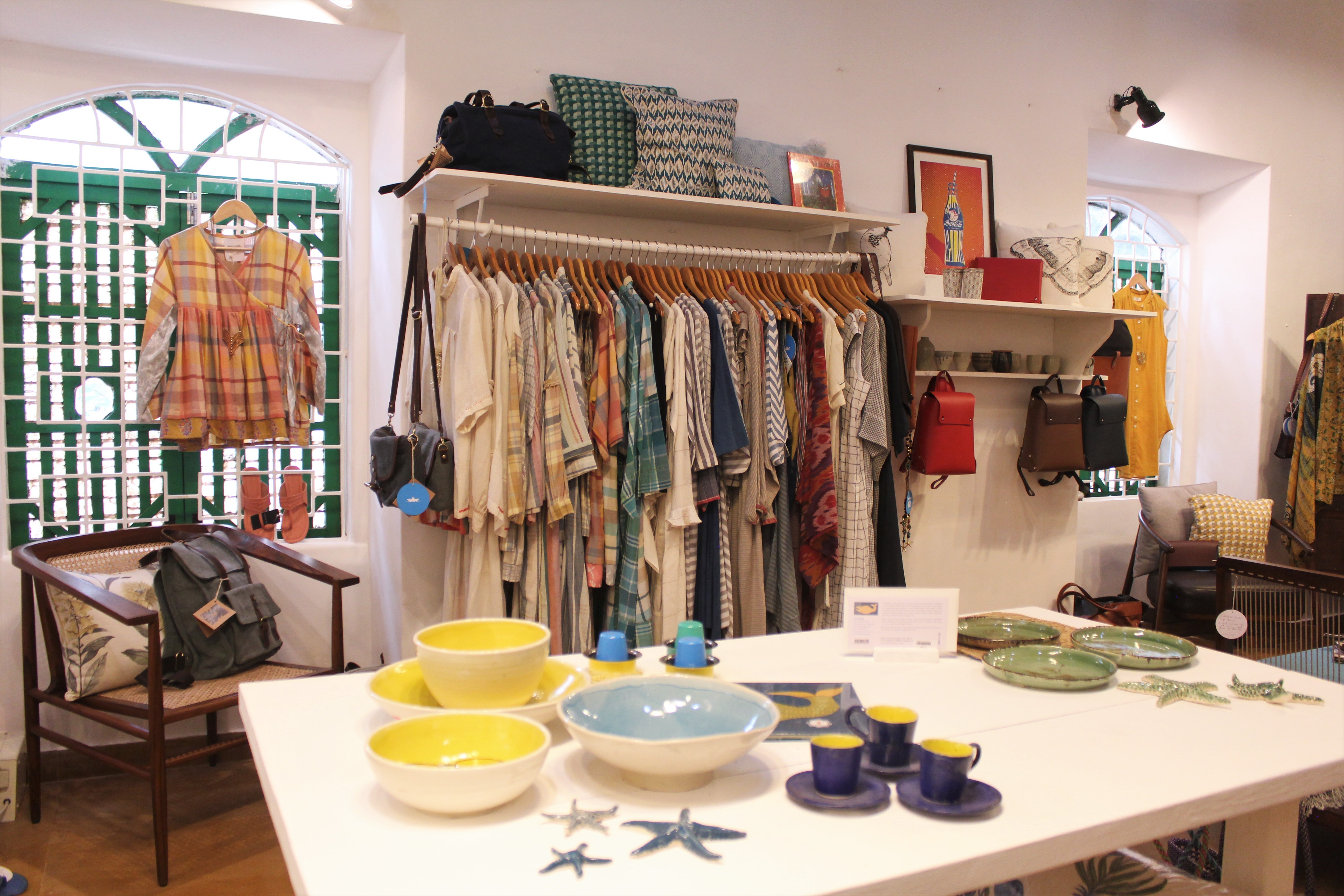
At the time, Paperboat’s curation brought together contemporary Indian clothing, handcrafted textiles, and design-led objects with a level of restraint that felt rare within Goa’s retail landscape. It wasn’t just the experience, but the discernment of selection, that set the space apart.
And this experience remained a core memory for most of the retailers, whether design or otherwise, until a few years ago when Goa saw a seismic shift in the texture of visitors, the contrast in taste and a sudden oncoming of the ‘more and fast’ culture that caught the locals off guard. The transition has been dramatic, Bhagyashree put it plainly during our conversation, while the business was thriving, the landscape itself shifted. The last 6 years saw mass migration of creatives, entrepreneurs and artists owing to the hard reset of the world order thanks to the pandemic. Those who could afford it sought refuge in the quietude of Goa.
Today, Bhagyashree channels the same values through her label, SLOW, focusing on handwoven textiles and a deliberately pared-back practice as a way to retain depth and distinction in an increasingly crowded retail environment.
Whilst it led to the economy thriving and the unchecked real estate inflation, it seemed to also disrupt the unrushed rhythm of the locals–the seasonality shrunk, audience pivoted and trends caught on. This sent some of the fashion and lifestyle retail concepts spiralling into a phase of imitation spell, whilst a few evolved more thoughtfully. Something undiluted brewed in the bylanes of Parra, a slower, more residential pocket outside the city centre of Mapusa.
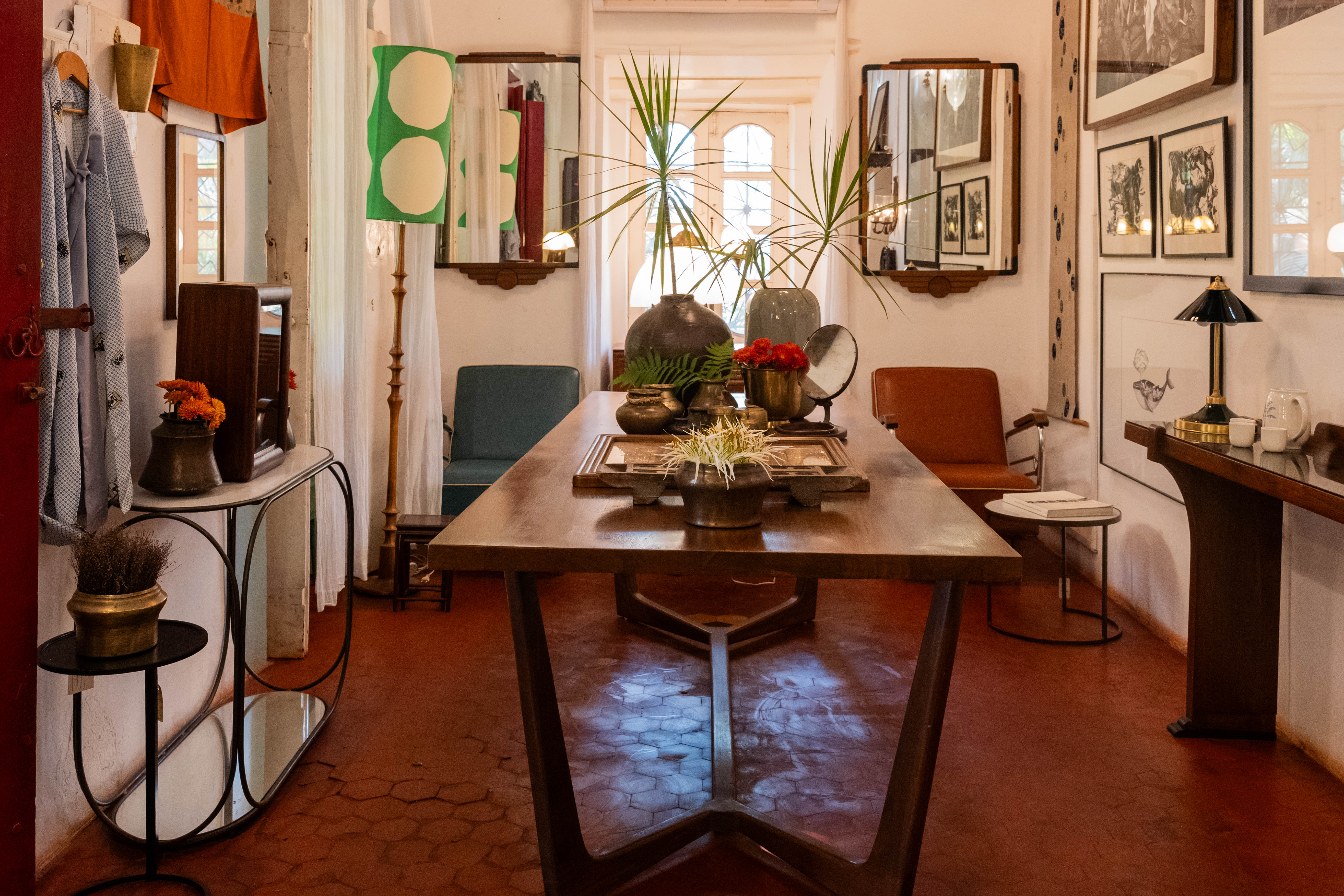
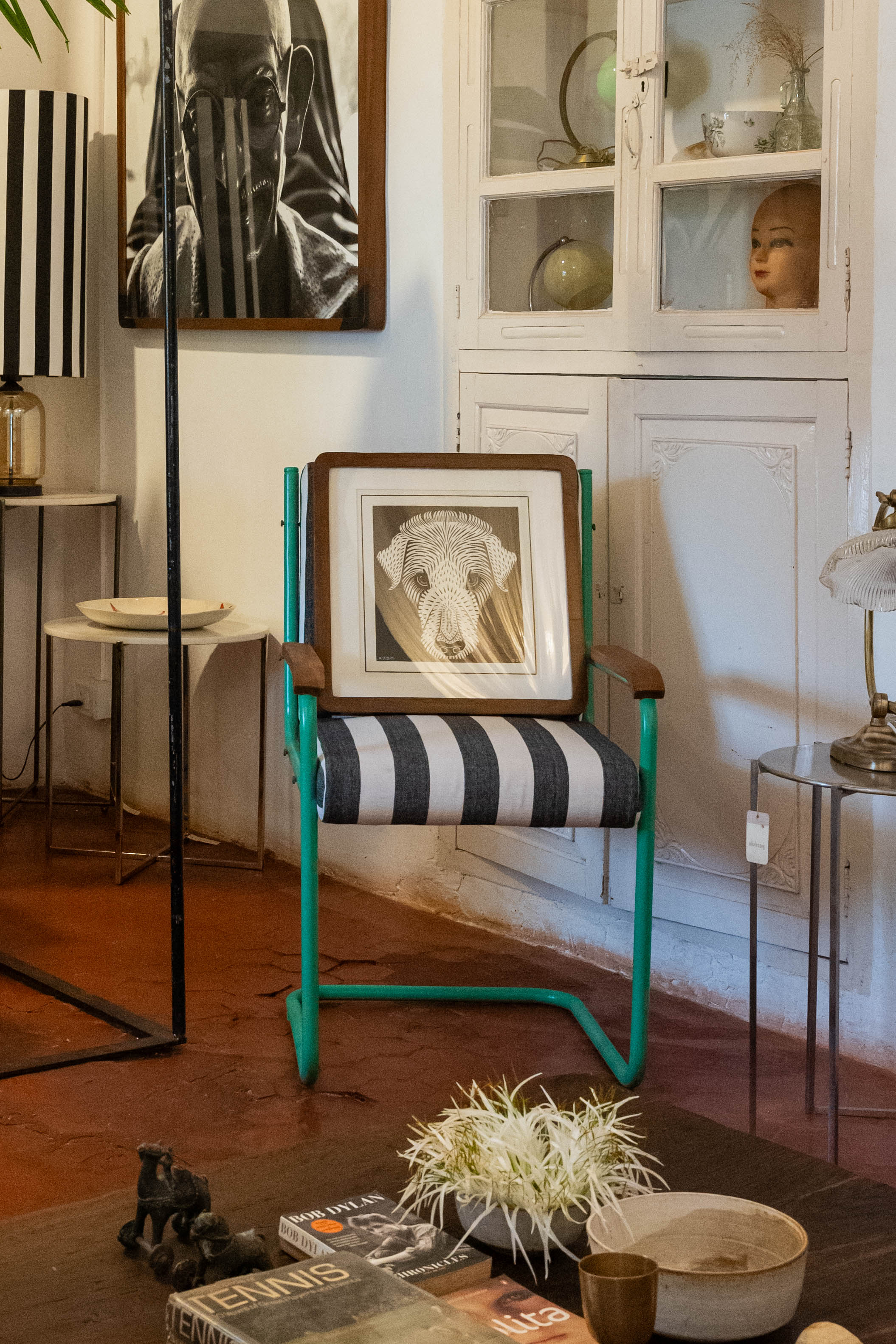
Born amidst the pandemic, Whalesong Art and Design Gallery by Sonal Choudhary became a creative sanctuary in a 100-year-old Portuguese home, for those who seek simplicity in design. Whalesong welcomes you into a world of eclectic design objects, evocative art, a space where one loses track of time perusing.
Sonal remarks "We don’t tell stories here; we connect people to beauty and their reaction to different (design and artistic) sensibilities. Our clients are well travelled people who have homes here, most of whom reach us through word of mouth." The latter is an incredible point to note as Whalesong to this day remains an unsullied hidden gem, operating at its own pace.
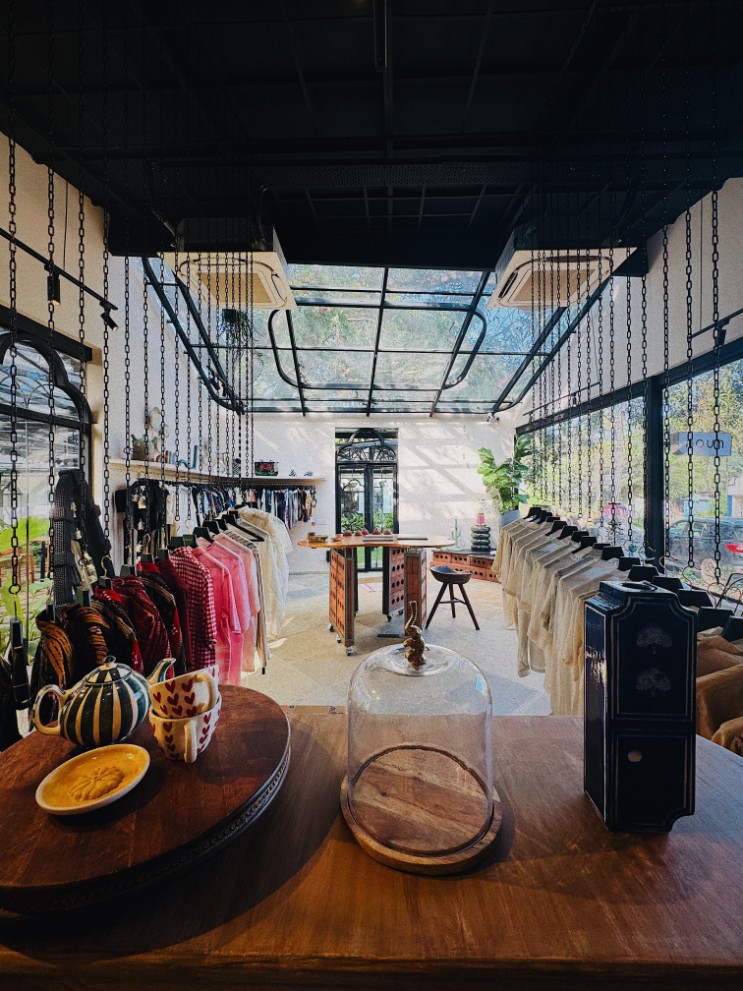
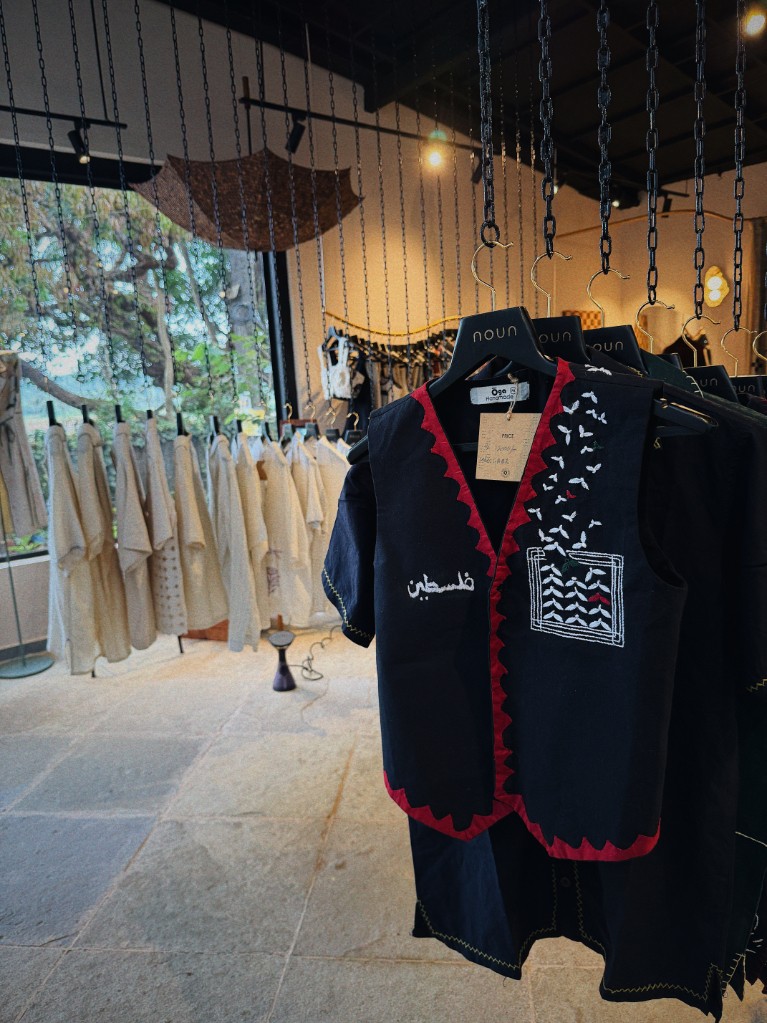
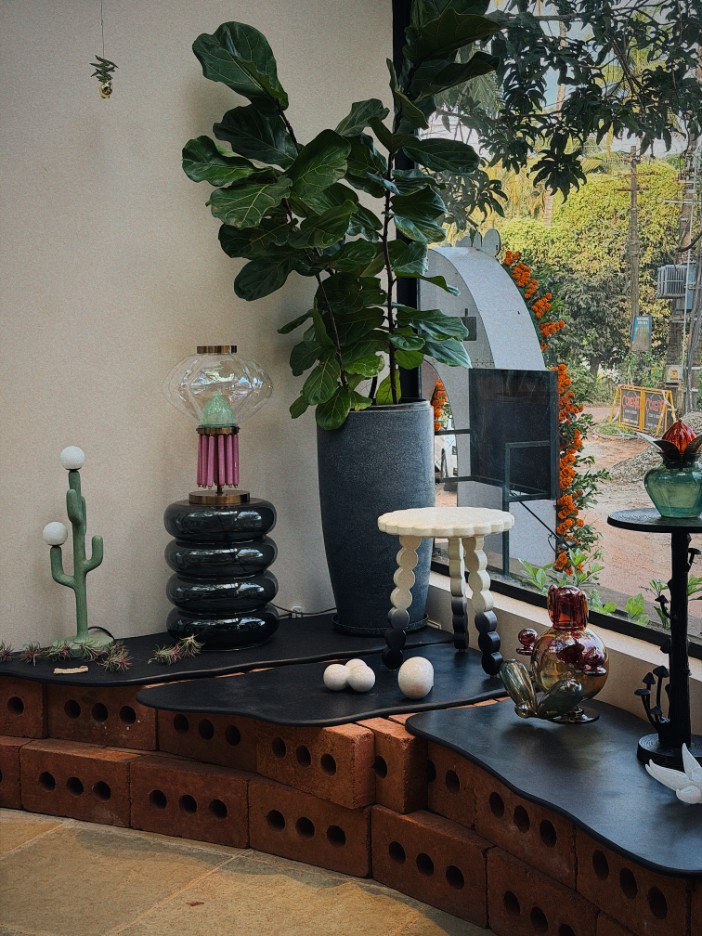
Contrastingly, nestled in a lush little nook of Siolim - the riverside stretch where Goa’s new hospitality and retail narratives are taking shape - Noun opened as recently as October 2025 positioning itself as a retail residency as opposed to a concept or retail store. "(The word) ‘store’ feels transactional," says founder Roma Narsinghani. It is curated as a rotating edit of contemporary craft, design objects, textiles, small-scale furniture, and material-led works.
"It boxes the experience into buying and selling. A residency, on the other hand, suggests evolution–something that changes over time. Through its rotating chapters, Noun rebuilds itself: new brands, new narratives, new materials, new ways of displaying. It’s closer to an exhibition than a conventional shop floor. ‘Retail residency' explains that fluidity better than any traditional label."
What this signals is a more design-literate moment in retail, one where founders are required to operate with greater clarity of intent, to keep up with the evolved, more exposed audiences that are making comparable references to that of retail in Kyoto or Marrakech. Whilst players such as Noun are committing to change being the only constant, others like Whalesong are leaning into the integrity of the terrain with a sense of slowness that lets creativity ferment.
It has become increasingly clear over the last few years that Goa is at the intersection of depth and display. Somewhere at the crossroads with the old guard and the new and trying to evolve with the times. "Goa gives creative projects the time and space they don’t get in big cities. That breeds risk-taking. But whether it becomes a true design destination will depend on how seriously we treat craft, context, and community, not just aesthetics," remarks Roma.
Goa’s most compelling retail spaces are still being built on slowness, intent, and a deep respect for the makers–values that can never be replicated at speed. Whilst the rest of India is swiftly catching up to the retail design vocabulary Goa wrote decades ago, the question is not whether the state can continue to stay ahead of the curve, but whether it can hold its ground, or risk being absorbed into the mainstream it helped inspire.
What looks like a new concept retail movement, in reality, is an evolution of something Goa has been doing for decades. A mix of designers, migrants, founders and creative communities have been quietly reshaping what retail means in the sunshine state, where spaces are expressions of their creative identity.
The design and retail outposts in Goa aren’t new, and they were never competing with the rest of the world. Much like the lifestyle here, the retail landscape always sat outside the capitalistic ecosystem–a slow, intentional and above all, highly edited environment designed like a window into someone’s worldview, not a ‘shop’, in essence.
Together, these spaces traded in unhurried collectibles - from handmade objects, lesser-known-crafts, design pieces, specially curated textiles, art, and souvenirs meant to be discovered slowly, rather than consumed at speed.
Long before Assagao - now one of North Goa’s most design-forward and sought-after neighbourhoods became a grid of identical concept stores frequented by tourists, there were those that designed unique experiences, not just selling objects, but a more considered way of living, bridging local community, conversations, and one where tactility, refined taste and experience were the big draw.
Be it true curio collectors like the 22-year-old Rangeela in Assagao - known for bringing together objects sourced across regions and makers, spanning materials and design inspirations; Paperboat Collective in Sangolda, a once-sleepy residential pocket that quietly housed some of Goa’s earliest design experiments; or Sacha’s Shop in Altinho, Panjim’s most genteel and historically creative neighbourhood, recognised for its eclectic edit of clothing, textiles, homeware, and artisanal finds. These spaces functioned as extensions of their founders’ values and vision - each with a distinct design vocabulary, a strong point of view, and a commitment to curation over commerce.
Recalling the early days of her decade and a half old retail career, founder and creative director of Paperboat Collective, Bhagyasharee Patwardhan reflected, "When I opened Paperboat Collective, it was designed like an experience, and many people have told me that. It was almost museum-like, touched all five senses, you could find your way, there was always something to discover, great music, conversations, and it catered to an audience that was really, really special."
At the time, Paperboat’s curation brought together contemporary Indian clothing, handcrafted textiles, and design-led objects with a level of restraint that felt rare within Goa’s retail landscape. It wasn’t just the experience, but the discernment of selection, that set the space apart.
And this experience remained a core memory for most of the retailers, whether design or otherwise, until a few years ago when Goa saw a seismic shift in the texture of visitors, the contrast in taste and a sudden oncoming of the ‘more and fast’ culture that caught the locals off guard. The transition has been dramatic, Bhagyashree put it plainly during our conversation, while the business was thriving, the landscape itself shifted. The last 6 years saw mass migration of creatives, entrepreneurs and artists owing to the hard reset of the world order thanks to the pandemic. Those who could afford it sought refuge in the quietude of Goa.
Today, Bhagyashree channels the same values through her label, SLOW, focusing on handwoven textiles and a deliberately pared-back practice as a way to retain depth and distinction in an increasingly crowded retail environment.
Whilst it led to the economy thriving and the unchecked real estate inflation, it seemed to also disrupt the unrushed rhythm of the locals–the seasonality shrunk, audience pivoted and trends caught on. This sent some of the fashion and lifestyle retail concepts spiralling into a phase of imitation spell, whilst a few evolved more thoughtfully. Something undiluted brewed in the bylanes of Parra, a slower, more residential pocket outside the city centre of Mapusa.
Born amidst the pandemic, Whalesong Art and Design Gallery by Sonal Choudhary became a creative sanctuary in a 100-year-old Portuguese home, for those who seek simplicity in design. Whalesong welcomes you into a world of eclectic design objects, evocative art, a space where one loses track of time perusing.
Sonal remarks "We don’t tell stories here; we connect people to beauty and their reaction to different (design and artistic) sensibilities. Our clients are well travelled people who have homes here, most of whom reach us through word of mouth." The latter is an incredible point to note as Whalesong to this day remains an unsullied hidden gem, operating at its own pace.
Contrastingly, nestled in a lush little nook of Siolim - the riverside stretch where Goa’s new hospitality and retail narratives are taking shape - Noun opened as recently as October 2025 positioning itself as a retail residency as opposed to a concept or retail store. "(The word) ‘store’ feels transactional," says founder Roma Narsinghani. It is curated as a rotating edit of contemporary craft, design objects, textiles, small-scale furniture, and material-led works.
"It boxes the experience into buying and selling. A residency, on the other hand, suggests evolution–something that changes over time. Through its rotating chapters, Noun rebuilds itself: new brands, new narratives, new materials, new ways of displaying. It’s closer to an exhibition than a conventional shop floor. ‘Retail residency' explains that fluidity better than any traditional label."
What this signals is a more design-literate moment in retail, one where founders are required to operate with greater clarity of intent, to keep up with the evolved, more exposed audiences that are making comparable references to that of retail in Kyoto or Marrakech. Whilst players such as Noun are committing to change being the only constant, others like Whalesong are leaning into the integrity of the terrain with a sense of slowness that lets creativity ferment.
It has become increasingly clear over the last few years that Goa is at the intersection of depth and display. Somewhere at the crossroads with the old guard and the new and trying to evolve with the times. "Goa gives creative projects the time and space they don’t get in big cities. That breeds risk-taking. But whether it becomes a true design destination will depend on how seriously we treat craft, context, and community, not just aesthetics," remarks Roma.
Goa’s most compelling retail spaces are still being built on slowness, intent, and a deep respect for the makers–values that can never be replicated at speed. Whilst the rest of India is swiftly catching up to the retail design vocabulary Goa wrote decades ago, the question is not whether the state can continue to stay ahead of the curve, but whether it can hold its ground, or risk being absorbed into the mainstream it helped inspire.


Must Reads
Must Reads


we are MOLTN
●
we are MOLTN
●
we are MOLTN
●
we are MOLTN
●
we are MOLTN
●
we are MOLTN
●
we are MOLTN
●
we are MOLTN
●
we are MOLTN
●
we are MOLTN
●
we are MOLTN
●
Subscribe to MOLTN

© We Are MOLTN
2026
we are MOLTN
●
we are MOLTN
●
we are MOLTN
●
we are MOLTN
●
we are MOLTN
●
we are MOLTN
●
we are MOLTN
●
we are MOLTN
●
we are MOLTN
●
we are MOLTN
●
we are MOLTN
●
Subscribe to MOLTN
© We Are MOLTN
2026
we are MOLTN
●
we are MOLTN
●
we are MOLTN
●
we are MOLTN
●
we are MOLTN
●
we are MOLTN
●
we are MOLTN
●
we are MOLTN
●
we are MOLTN
●
we are MOLTN
●
we are MOLTN
●
Subscribe to MOLTN
© We Are MOLTN
2026