
Must See Arab and South Asian Exhibits at the Venice Biennale
Lifestyle
•
May 11, 2026

Pavan Premaney
Chief Editor
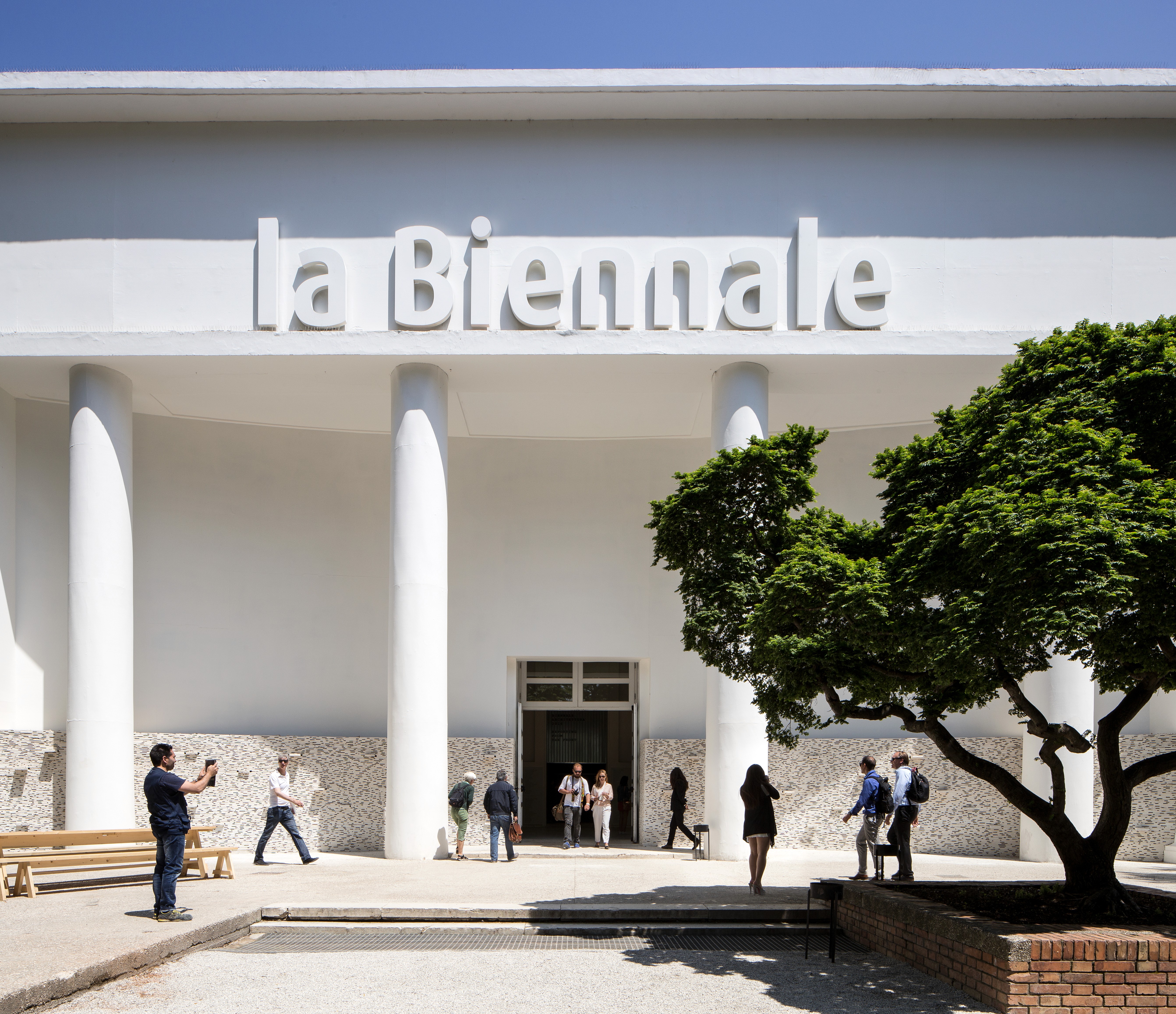
Here are 6 essential exhibits from these regions to prioritize on your itinerary.
The 61st Venice Biennale, which inaugurated on May 9, 2026, under the title "In Minor Keys," marks a significant shift in the global art canon. This year’s curation places a profound emphasis on the Global South, with Middle Eastern and South Asian pavilions offering some of the most technically sophisticated and emotionally resonant installations in the Giardini and Arsenale.
Here are 6 essential exhibits from these regions to prioritize on your itinerary.
Saudi Arabia: "The Geometry of Grief"
Artist Dana Awartani continues her exploration of "healing architecture" with a site-specific installation in the Arsenale. Using traditional earthen bricks and pigments sourced from across the Arab world, Awartani has constructed an expansive, patterned floor that mirrors the intricate mosaics of the Umayyad Mosque. The work is designed to weather and crack as thousands of visitors traverse it, symbolizing the precarious state of cultural heritage in conflict zones.
India: "Geographies of Distance"
India’s return to the Biennale is a powerhouse of materiality. Featuring the works of Ranjani Shettar and Skarma Sonam Tashi, the pavilion explores the concept of home through the lens of displacement. Shettar’s large-scale organic sculptures, crafted from teak and hand-loomed cloth, hang from the ceiling like suspended memories, while Tashi’s use of Himalayan clay brings a grounded, spiritual weight to the Arsenale’s industrial backdrop.
United Arab Emirates: "Washwasha"
The UAE pavilion presents a multisensory investigation into the "whisper" as a medium of oral history. Curated by Bana Kattan, the space integrates the work of Farah Al Qasimi and Taus Makhacheva. It utilises a sophisticated directional audio system that allows visitors to overhear fragmented narratives of migration and trade. It is a quiet, contemplative space that highlights the intimacy of the human voice amidst the grand scale of the Biennale.
Pakistan: "Punj•AB"
Located at the Ex Farmacia Solveni, Faiza Butt presents a series of lightboxes and intricate ink-on-polyester works. Butt utilizes the "pardokht" technique—a dot-based method used in South Asian miniature painting—to depict contemporary social issues. By scaling up a traditionally domestic and small-scale art form, she forces a confrontation between historical craft and modern geopolitical realities.
Lebanon: "Resilient Textures"
The Lebanese Pavilion features the work of Nabil Nahas, whose canvases are famous for their encrusted, sculptural surfaces. In this exhibition, Nahas focuses on the olive and cedar trees as symbols of endurance. The sheer scale of the paintings, some stretching over five meters, creates an immersive environment that reflects both the biological beauty of the Levant and the scars of its recent history.
The Palestine Museum US: "Gaza - No Words"
As a vital collateral event at Palazzo Mora, this exhibition showcases the endurance of Palestinian identity through tatreez (traditional embroidery). The exhibit features 100 panels created by women in the diaspora and refugee camps. In a year themed "In Minor Keys," this exhibit serves as a masterclass in how repetitive, meditative craft can become a powerful form of non-verbal resistance.
The 61st Venice Biennale, which inaugurated on May 9, 2026, under the title "In Minor Keys," marks a significant shift in the global art canon. This year’s curation places a profound emphasis on the Global South, with Middle Eastern and South Asian pavilions offering some of the most technically sophisticated and emotionally resonant installations in the Giardini and Arsenale.
Here are 6 essential exhibits from these regions to prioritize on your itinerary.
Saudi Arabia: "The Geometry of Grief"
Artist Dana Awartani continues her exploration of "healing architecture" with a site-specific installation in the Arsenale. Using traditional earthen bricks and pigments sourced from across the Arab world, Awartani has constructed an expansive, patterned floor that mirrors the intricate mosaics of the Umayyad Mosque. The work is designed to weather and crack as thousands of visitors traverse it, symbolizing the precarious state of cultural heritage in conflict zones.
India: "Geographies of Distance"
India’s return to the Biennale is a powerhouse of materiality. Featuring the works of Ranjani Shettar and Skarma Sonam Tashi, the pavilion explores the concept of home through the lens of displacement. Shettar’s large-scale organic sculptures, crafted from teak and hand-loomed cloth, hang from the ceiling like suspended memories, while Tashi’s use of Himalayan clay brings a grounded, spiritual weight to the Arsenale’s industrial backdrop.
United Arab Emirates: "Washwasha"
The UAE pavilion presents a multisensory investigation into the "whisper" as a medium of oral history. Curated by Bana Kattan, the space integrates the work of Farah Al Qasimi and Taus Makhacheva. It utilises a sophisticated directional audio system that allows visitors to overhear fragmented narratives of migration and trade. It is a quiet, contemplative space that highlights the intimacy of the human voice amidst the grand scale of the Biennale.
Pakistan: "Punj•AB"
Located at the Ex Farmacia Solveni, Faiza Butt presents a series of lightboxes and intricate ink-on-polyester works. Butt utilizes the "pardokht" technique—a dot-based method used in South Asian miniature painting—to depict contemporary social issues. By scaling up a traditionally domestic and small-scale art form, she forces a confrontation between historical craft and modern geopolitical realities.
Lebanon: "Resilient Textures"
The Lebanese Pavilion features the work of Nabil Nahas, whose canvases are famous for their encrusted, sculptural surfaces. In this exhibition, Nahas focuses on the olive and cedar trees as symbols of endurance. The sheer scale of the paintings, some stretching over five meters, creates an immersive environment that reflects both the biological beauty of the Levant and the scars of its recent history.
The Palestine Museum US: "Gaza - No Words"
As a vital collateral event at Palazzo Mora, this exhibition showcases the endurance of Palestinian identity through tatreez (traditional embroidery). The exhibit features 100 panels created by women in the diaspora and refugee camps. In a year themed "In Minor Keys," this exhibit serves as a masterclass in how repetitive, meditative craft can become a powerful form of non-verbal resistance.


Must Reads
Must Reads


we are MOLTN
●
we are MOLTN
●
we are MOLTN
●
we are MOLTN
●
we are MOLTN
●
we are MOLTN
●
we are MOLTN
●
we are MOLTN
●
we are MOLTN
●
we are MOLTN
●
we are MOLTN
●
Subscribe to MOLTN

© We Are MOLTN
2026
we are MOLTN
●
we are MOLTN
●
we are MOLTN
●
we are MOLTN
●
we are MOLTN
●
we are MOLTN
●
we are MOLTN
●
we are MOLTN
●
we are MOLTN
●
we are MOLTN
●
we are MOLTN
●
Subscribe to MOLTN
© We Are MOLTN
2026
we are MOLTN
●
we are MOLTN
●
we are MOLTN
●
we are MOLTN
●
we are MOLTN
●
we are MOLTN
●
we are MOLTN
●
we are MOLTN
●
we are MOLTN
●
we are MOLTN
●
we are MOLTN
●
Subscribe to MOLTN
© We Are MOLTN
2026