


No retinol-level hype, no vitamin C cult following, just an ingredient dermatologists have quietly relied on for decades.
Azelaic acid doesn't have the marketing budget of retinol or the cult following of vitamin C, and that's mostly a branding problem, not a performance one. It's a naturally occurring acid found in grains like wheat, barley, and rye, and dermatologists have been prescribing it for decades, first for rosacea, then acne, and eventually for the kind of post-breakout marks and uneven tone that most other actives either can't touch or actively make worse.
What makes it worth paying attention to is what it doesn't do. Azelaic acid is anti-inflammatory and mildly antibacterial, which is why it calms rosacea flare-ups and helps with acne at the same time most exfoliating acids would aggravate both. It also inhibits tyrosinase, the enzyme responsible for excess pigment production, which makes it genuinely useful for melasma and dark spots, without the sun sensitivity that comes with retinoids or the risk of rebound pigmentation that hydroquinone carries for deeper skin tones. It's one of the rare actives dermatologists consider safe across a wide range of skin tones and sensitivities, which is precisely why it's stayed a prescription staple (Finacea, Azelex) even as OTC formulas have caught up.
The over-the-counter versions are generally capped at 10%, lower than prescription strength but still clinically effective with consistent use. A few worth knowing:
Naturium Azelaic Acid Serum:

10% Azelaic acid paired with niacinamide and vitamin C, formulated to layer cleanly under moisturiser and SPF without the stinging some formulas cause on first use.
The Ordinary Azelaic Acid Suspension 10%:

The easiest entry point. A cream-gel texture that smooths, calms redness, and evens tone, gentle enough for twice-daily use.
Paula's Choice 10% Azelaic Acid Booster:
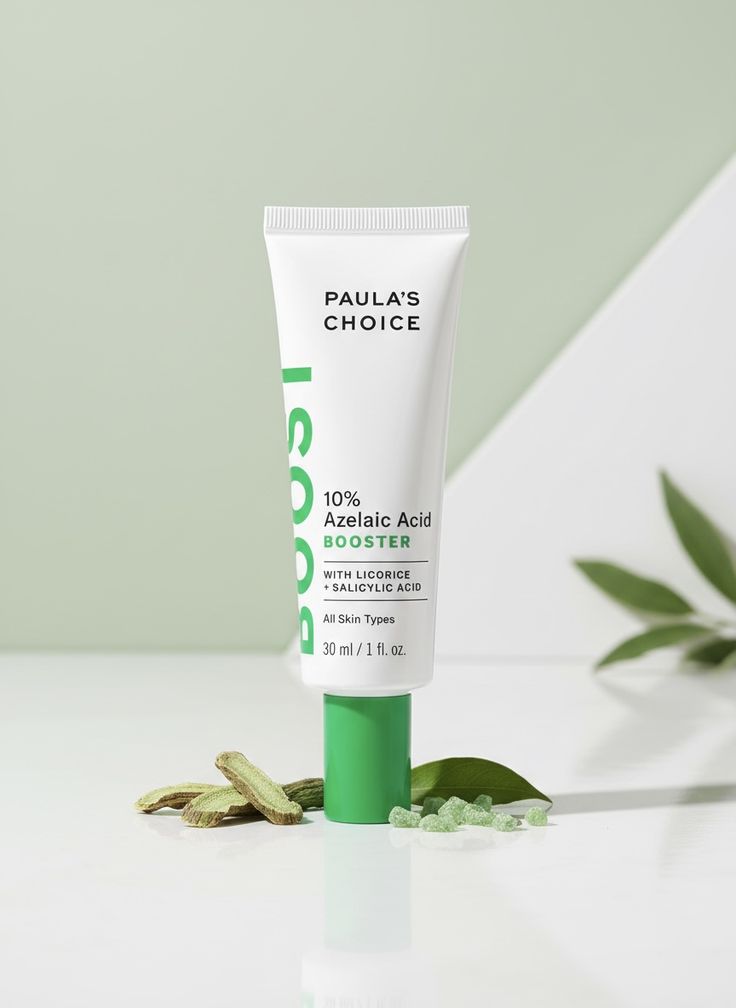
Azelaic acid combined with salicylic acid, built for anyone dealing with congestion or post-acne marks rather than redness alone. Lightweight enough to function as a treatment step, not a moisturizer replacement.
Results take patience — most people see change after 8 to 12 weeks of consistent use, not two. But for an ingredient that treats rosacea, acne, and pigmentation without picking a side, that's a fair trade.
Azelaic acid doesn't have the marketing budget of retinol or the cult following of vitamin C, and that's mostly a branding problem, not a performance one. It's a naturally occurring acid found in grains like wheat, barley, and rye, and dermatologists have been prescribing it for decades, first for rosacea, then acne, and eventually for the kind of post-breakout marks and uneven tone that most other actives either can't touch or actively make worse.
What makes it worth paying attention to is what it doesn't do. Azelaic acid is anti-inflammatory and mildly antibacterial, which is why it calms rosacea flare-ups and helps with acne at the same time most exfoliating acids would aggravate both. It also inhibits tyrosinase, the enzyme responsible for excess pigment production, which makes it genuinely useful for melasma and dark spots, without the sun sensitivity that comes with retinoids or the risk of rebound pigmentation that hydroquinone carries for deeper skin tones. It's one of the rare actives dermatologists consider safe across a wide range of skin tones and sensitivities, which is precisely why it's stayed a prescription staple (Finacea, Azelex) even as OTC formulas have caught up.
The over-the-counter versions are generally capped at 10%, lower than prescription strength but still clinically effective with consistent use. A few worth knowing:
Naturium Azelaic Acid Serum:
10% Azelaic acid paired with niacinamide and vitamin C, formulated to layer cleanly under moisturiser and SPF without the stinging some formulas cause on first use.
The Ordinary Azelaic Acid Suspension 10%:
The easiest entry point. A cream-gel texture that smooths, calms redness, and evens tone, gentle enough for twice-daily use.
Paula's Choice 10% Azelaic Acid Booster:
Azelaic acid combined with salicylic acid, built for anyone dealing with congestion or post-acne marks rather than redness alone. Lightweight enough to function as a treatment step, not a moisturizer replacement.
Results take patience — most people see change after 8 to 12 weeks of consistent use, not two. But for an ingredient that treats rosacea, acne, and pigmentation without picking a side, that's a fair trade.



Must Reads
Must Reads


we are MOLTN
●
we are MOLTN
●
we are MOLTN
●
we are MOLTN
●
we are MOLTN
●
we are MOLTN
●
we are MOLTN
●
we are MOLTN
●
we are MOLTN
●
we are MOLTN
●
we are MOLTN
●
Subscribe to MOLTN

© We Are MOLTN
2026
we are MOLTN
●
we are MOLTN
●
we are MOLTN
●
we are MOLTN
●
we are MOLTN
●
we are MOLTN
●
we are MOLTN
●
we are MOLTN
●
we are MOLTN
●
we are MOLTN
●
we are MOLTN
●
Subscribe to MOLTN
© We Are MOLTN
2026
we are MOLTN
●
we are MOLTN
●
we are MOLTN
●
we are MOLTN
●
we are MOLTN
●
we are MOLTN
●
we are MOLTN
●
we are MOLTN
●
we are MOLTN
●
we are MOLTN
●
we are MOLTN
●
Subscribe to MOLTN
© We Are MOLTN
2026