
Why Carolyn Bessette-Kennedy’s Style Only Worked for Carolyn Bessette-Kennedy
Culture
•
April 1, 2026
Amrita Singh
Chief Editor
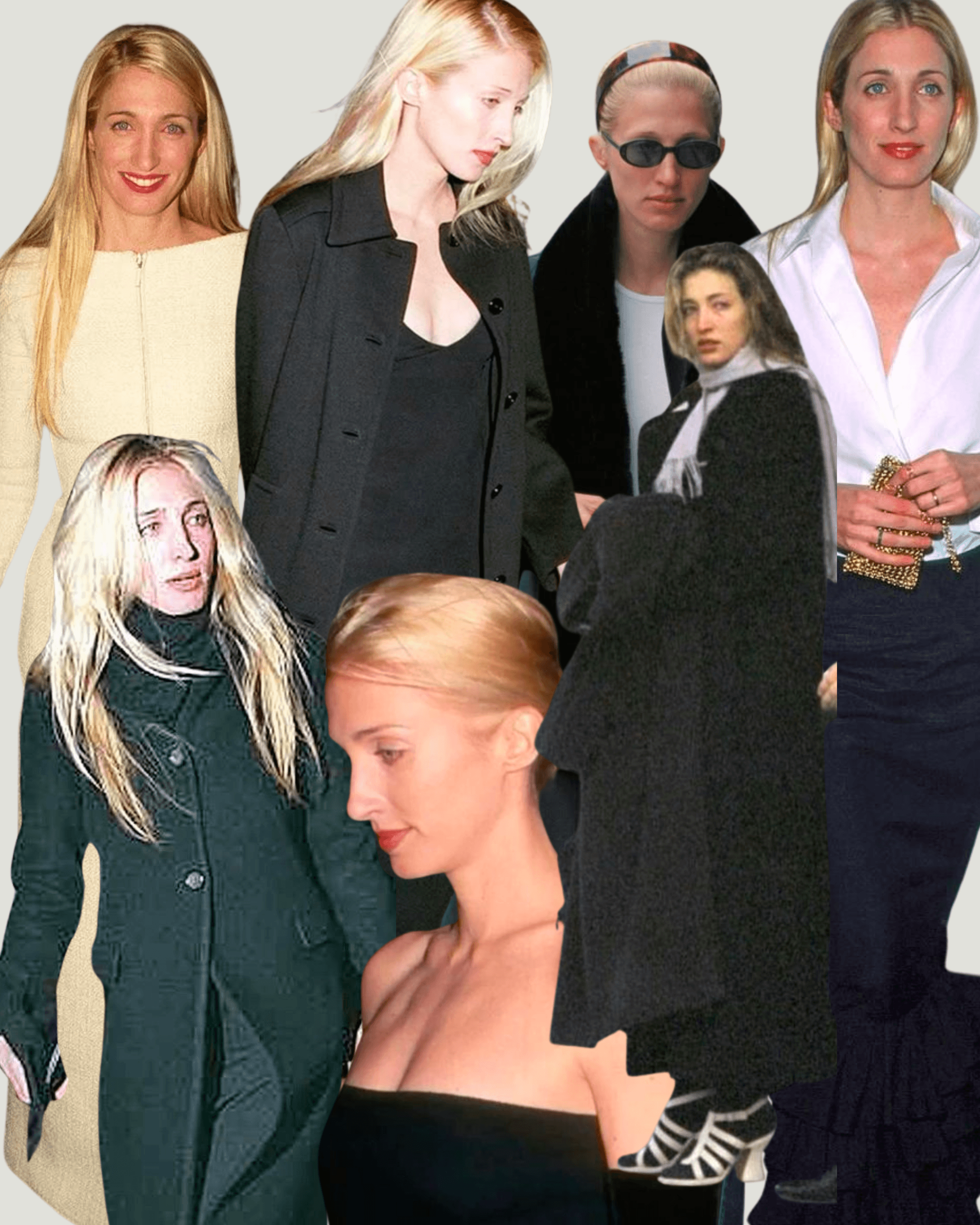
In recent times, the internet has rediscovered Carolyn Bessette-Kennedy and declares her the patron saint of minimalist dressing. The same photographs circulate - her in a black coat, a slip dress, dark sunglasses, Manhattan in the background. But the truth is much less profound. It wasn’t a revolutionary wardrobe. It was simply a woman wearing clothes that suited her.
Carolyn Bessette-Kennedy has become fashion’s favourite ghost. One not really worth resurrecting to be entirely honest.
Open any minimalist moodboard and you’ll find the same images repeated endlessly - CBK walking briskly through New York in a long black coat, slipping out of a car in a bias-cut dress, oversized sunglasses covering half her face. The internet treats these images like sacred artefacts, as if they contain the secret formula for effortless style.
But CBK’s wardrobe wasn’t particularly radical.
She wore clean tailoring, neutral colours and streamlined silhouettes - much of it from Calvin Klein, where she worked before marrying John F. Kennedy Jr.. Her wardrobe was made up of slim trousers, black coats, slip dresses, the occasional knit. It was polished, restrained and entirely in keeping with the ’90s minimalism that dominated fashion at the time.
Nice? Maybe?
But revolutionary? Not really. And looking back, it really isn't that great.
The clothes themselves were almost aggressively simple. On most people they would have looked mundane - the kind of outfit you’d pass on the street without thinking twice. What made them memorable wasn’t the wardrobe itself, but the person inside it.
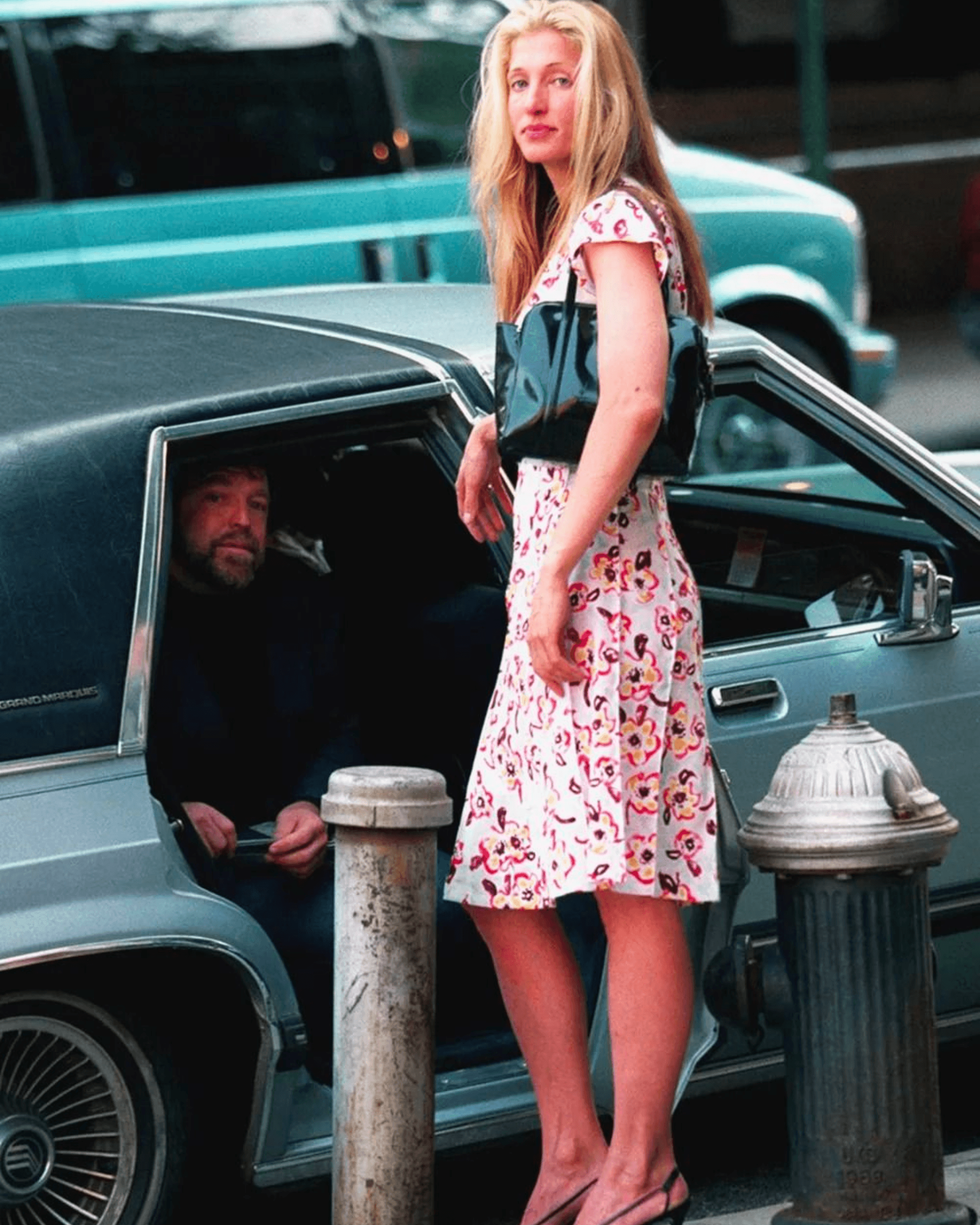
CBK had a particular kind of presence. She was the archetype western beauty ideal: tall, blonde, slightly undone, moving through Manhattan with the air of someone who didn’t particularly care about being photographed. That aloofness became part of the appeal. The Kennedy mythology helped too. So did the timing - New York in the ’90s, when fashion was shifting away from the excess of the previous decade toward something quieter and more streamlined.
In other words, the context did a lot of the work.
Over time, that context hardened into legend. The handful of images we now see repeated online became shorthand for “timeless style,” as though CBK had somehow cracked the code for dressing well.
But there was never a code.
What existed was simply a woman whose clothes suited her life. She worked in fashion, moved through Manhattan constantly, and dressed in pieces that were easy, practical and unfussy. The wardrobe made sense for her environment, her body, and her taste.
That doesn’t automatically make it universal.
Yet today, CBK’s style is often treated as a kind of blueprint. Entire aesthetic categories - “quiet luxury,” “old-money dressing,” minimalist wardrobes - circle back to the same images. The promise is always the same too. Publications are pushing you to buy the right neutral coat, the right silk slip, the right pair of sunglasses, and you too can achieve that elusive effortless chic. It’s a very convenient fantasy for the fashion industry.
Because templates are easy to sell. Personal style is not.
Real personal style tends to be messier. It evolves slowly, often through trial and error, and rarely fits neatly into a single aesthetic category. It reflects someone’s habits, environment, personality, and even their contradictions. The most interesting dressers rarely look like they’ve followed a formula - if anything, they look like they’ve ignored one entirely.
What we’re seeing now is almost the opposite. Wardrobes built around the same safe set of “timeless” pieces. Black coats, beige knitwear, neutral trousers, often from brands like The Row or Khaite, all chasing the same subdued version of elegance and everything seems to look 'correct.' Very little looks personal.
And that’s where the CBK obsession starts to feel slightly misguided.
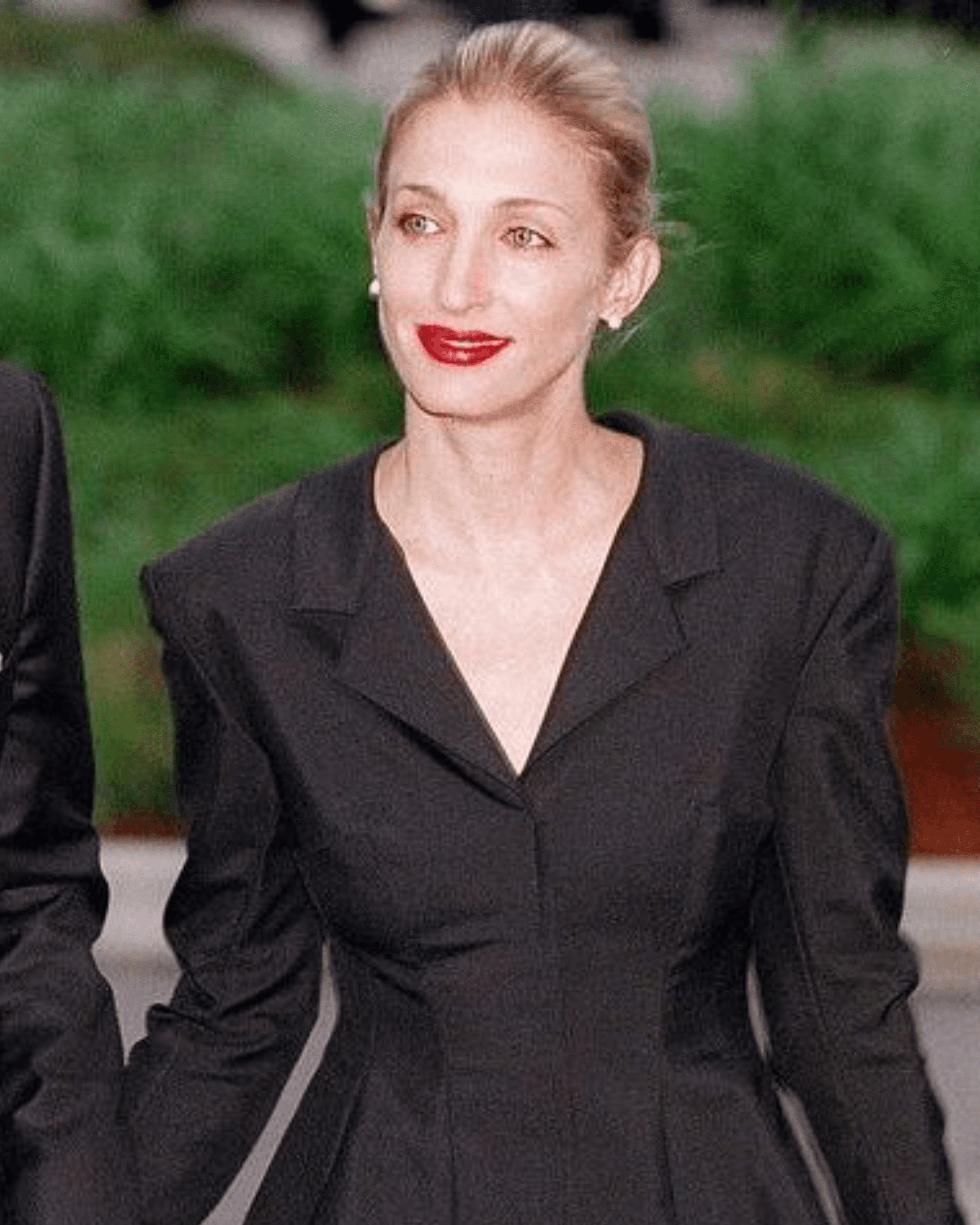
Because the thing that made Bessette-Kennedy compelling wasn’t that she followed a minimalist template - it was that she didn’t appear to be following anything at all. The clothes looked instinctive rather than strategic, as though they’d been chosen quickly on the way out the door rather than carefully assembled.
That kind of ease can’t really be reverse-engineered. It was just innately her in her essence.
Trying to recreate it by buying the same coat or the same slip dress misses the point entirely. What worked about her wardrobe was the relationship between the clothes and the person wearing them. Change the person, and the formula collapses.
Which is why the endless CBK recreations floating around the internet always feel slightly off. The clothes are technically the same, but the spirit isn’t.
In reality, Bessette-Kennedy wasn’t offering a template at all. She was simply dressing like herself - which, ironically, is the one part of the equation no one else can copy.
Carolyn Bessette-Kennedy has become fashion’s favourite ghost. One not really worth resurrecting to be entirely honest.
Open any minimalist moodboard and you’ll find the same images repeated endlessly - CBK walking briskly through New York in a long black coat, slipping out of a car in a bias-cut dress, oversized sunglasses covering half her face. The internet treats these images like sacred artefacts, as if they contain the secret formula for effortless style.
But CBK’s wardrobe wasn’t particularly radical.
She wore clean tailoring, neutral colours and streamlined silhouettes - much of it from Calvin Klein, where she worked before marrying John F. Kennedy Jr.. Her wardrobe was made up of slim trousers, black coats, slip dresses, the occasional knit. It was polished, restrained and entirely in keeping with the ’90s minimalism that dominated fashion at the time.
Nice? Maybe?
But revolutionary? Not really. And looking back, it really isn't that great.
The clothes themselves were almost aggressively simple. On most people they would have looked mundane - the kind of outfit you’d pass on the street without thinking twice. What made them memorable wasn’t the wardrobe itself, but the person inside it.
CBK had a particular kind of presence. She was the archetype western beauty ideal: tall, blonde, slightly undone, moving through Manhattan with the air of someone who didn’t particularly care about being photographed. That aloofness became part of the appeal. The Kennedy mythology helped too. So did the timing - New York in the ’90s, when fashion was shifting away from the excess of the previous decade toward something quieter and more streamlined.
In other words, the context did a lot of the work.
Over time, that context hardened into legend. The handful of images we now see repeated online became shorthand for “timeless style,” as though CBK had somehow cracked the code for dressing well.
But there was never a code.
What existed was simply a woman whose clothes suited her life. She worked in fashion, moved through Manhattan constantly, and dressed in pieces that were easy, practical and unfussy. The wardrobe made sense for her environment, her body, and her taste.
That doesn’t automatically make it universal.
Yet today, CBK’s style is often treated as a kind of blueprint. Entire aesthetic categories - “quiet luxury,” “old-money dressing,” minimalist wardrobes - circle back to the same images. The promise is always the same too. Publications are pushing you to buy the right neutral coat, the right silk slip, the right pair of sunglasses, and you too can achieve that elusive effortless chic. It’s a very convenient fantasy for the fashion industry.
Because templates are easy to sell. Personal style is not.
Real personal style tends to be messier. It evolves slowly, often through trial and error, and rarely fits neatly into a single aesthetic category. It reflects someone’s habits, environment, personality, and even their contradictions. The most interesting dressers rarely look like they’ve followed a formula - if anything, they look like they’ve ignored one entirely.
What we’re seeing now is almost the opposite. Wardrobes built around the same safe set of “timeless” pieces. Black coats, beige knitwear, neutral trousers, often from brands like The Row or Khaite, all chasing the same subdued version of elegance and everything seems to look 'correct.' Very little looks personal.
And that’s where the CBK obsession starts to feel slightly misguided.
Because the thing that made Bessette-Kennedy compelling wasn’t that she followed a minimalist template - it was that she didn’t appear to be following anything at all. The clothes looked instinctive rather than strategic, as though they’d been chosen quickly on the way out the door rather than carefully assembled.
That kind of ease can’t really be reverse-engineered. It was just innately her in her essence.
Trying to recreate it by buying the same coat or the same slip dress misses the point entirely. What worked about her wardrobe was the relationship between the clothes and the person wearing them. Change the person, and the formula collapses.
Which is why the endless CBK recreations floating around the internet always feel slightly off. The clothes are technically the same, but the spirit isn’t.
In reality, Bessette-Kennedy wasn’t offering a template at all. She was simply dressing like herself - which, ironically, is the one part of the equation no one else can copy.



Must Reads
Must Reads


we are MOLTN
●
we are MOLTN
●
we are MOLTN
●
we are MOLTN
●
we are MOLTN
●
we are MOLTN
●
we are MOLTN
●
we are MOLTN
●
we are MOLTN
●
we are MOLTN
●
we are MOLTN
●
Subscribe to MOLTN

© We Are MOLTN
2026
we are MOLTN
●
we are MOLTN
●
we are MOLTN
●
we are MOLTN
●
we are MOLTN
●
we are MOLTN
●
we are MOLTN
●
we are MOLTN
●
we are MOLTN
●
we are MOLTN
●
we are MOLTN
●
Subscribe to MOLTN
© We Are MOLTN
2026
we are MOLTN
●
we are MOLTN
●
we are MOLTN
●
we are MOLTN
●
we are MOLTN
●
we are MOLTN
●
we are MOLTN
●
we are MOLTN
●
we are MOLTN
●
we are MOLTN
●
we are MOLTN
●
Subscribe to MOLTN
© We Are MOLTN
2026