


Skincare has moved past the era of quick fixes and flashy ingredients. The conversation now is about longevity - formulas that work with the skin rather than against it. The answer? Peptides. The understated ingredient quietly becoming essential in modern routines.
(Image courtesy Dana Scruggs)
If you’ve been paying attention to skincare lately, you’ve probably noticed peptides popping up everywhere - serums, creams, eye treatments. They’re not the flashiest ingredient on the shelf, but they might be one of the most useful.
What Are Peptides?
At their core, peptides are short chains of amino acids, which are the building blocks of proteins in the skin. Think of them as tiny messengers. When applied through skincare, they travel into the layers of the skin and signal to cells that it’s time to repair, strengthen and maintain what’s already there.
In other words, they encourage the skin to do its job properly.
Peptides support skin biology. Instead of forcing dramatic reactions, they prompt the skin to produce more collagen, repair itself more efficiently, calm inflammation and reinforce the barrier.
The visible results are subtle but meaningful, resulting in skin looking firmer, redness appears calmer, fine lines soften and overall skin texture becomes smoother. They’re also especially useful for the delicate eye area, offering a non-irritating alternative for anyone who struggles with stronger ingredients like retinol.
Why Use Peptides?
Part of the reason peptides are having such a moment is because the skincare conversation has evolved. For years, hydration dominated the industry - ingredients like hyaluronic acid delivered instant plumpness and were easy to understand. But hydration alone doesn’t fundamentally change the skin.
Peptides, on the other hand, are about performance.
Instead of constantly exfoliating or shocking the skin with aggressive actives, more people are focusing on formulas that support resilience and repair.
How Are We Using Peptides?
Peptides fit easily into an existing routine. They pair well with vitamin C, retinoids and exfoliating acids, which means they can quietly strengthen the skin while other ingredients handle brightness or cell turnover.
The real difference shows up with consistency. Over time, skin tends to recover more quickly, hold its firmness better and look calmer and smoother overall. It’s not the kind of transformation that happens overnight. But that’s also the point.
In a skincare landscape full of promises, peptides represent something more realistic: steady improvement, stronger skin and results that build gradually. The kind that actually lasts.
Here’s our edit of some of the best peptide products on the market

The Ordinary Multi-Peptide + Copper Peptides 1% Serum 30ml

Cerave Skin Renewing Peptide Cream 48g

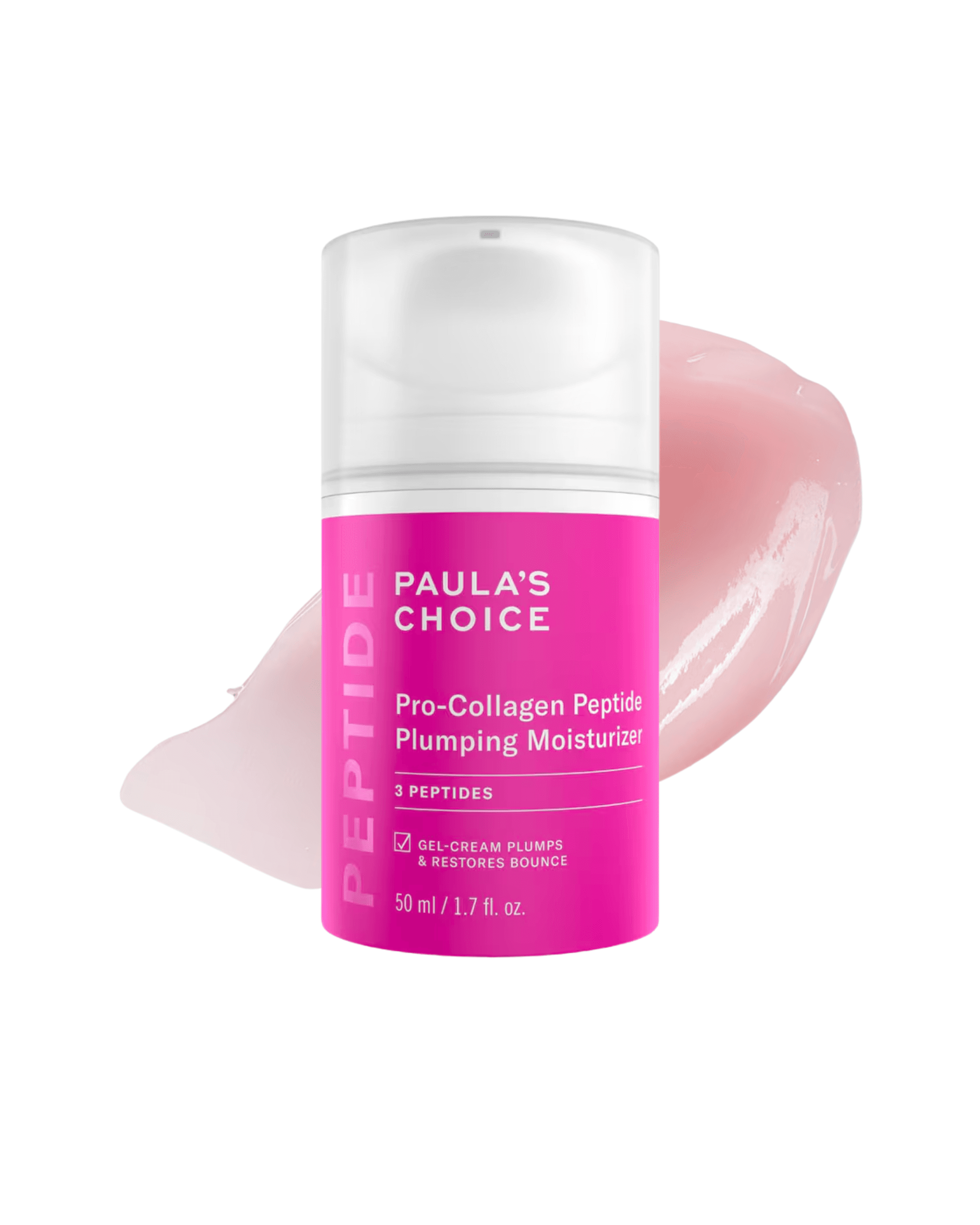
Paula’s Choice Pro-Collagen Peptide Plumping Moisturiser 50ml

Dermalogica Awaken Peptide Eye Gel

Noble Panacea The Absolute Peptide8 Night Serum
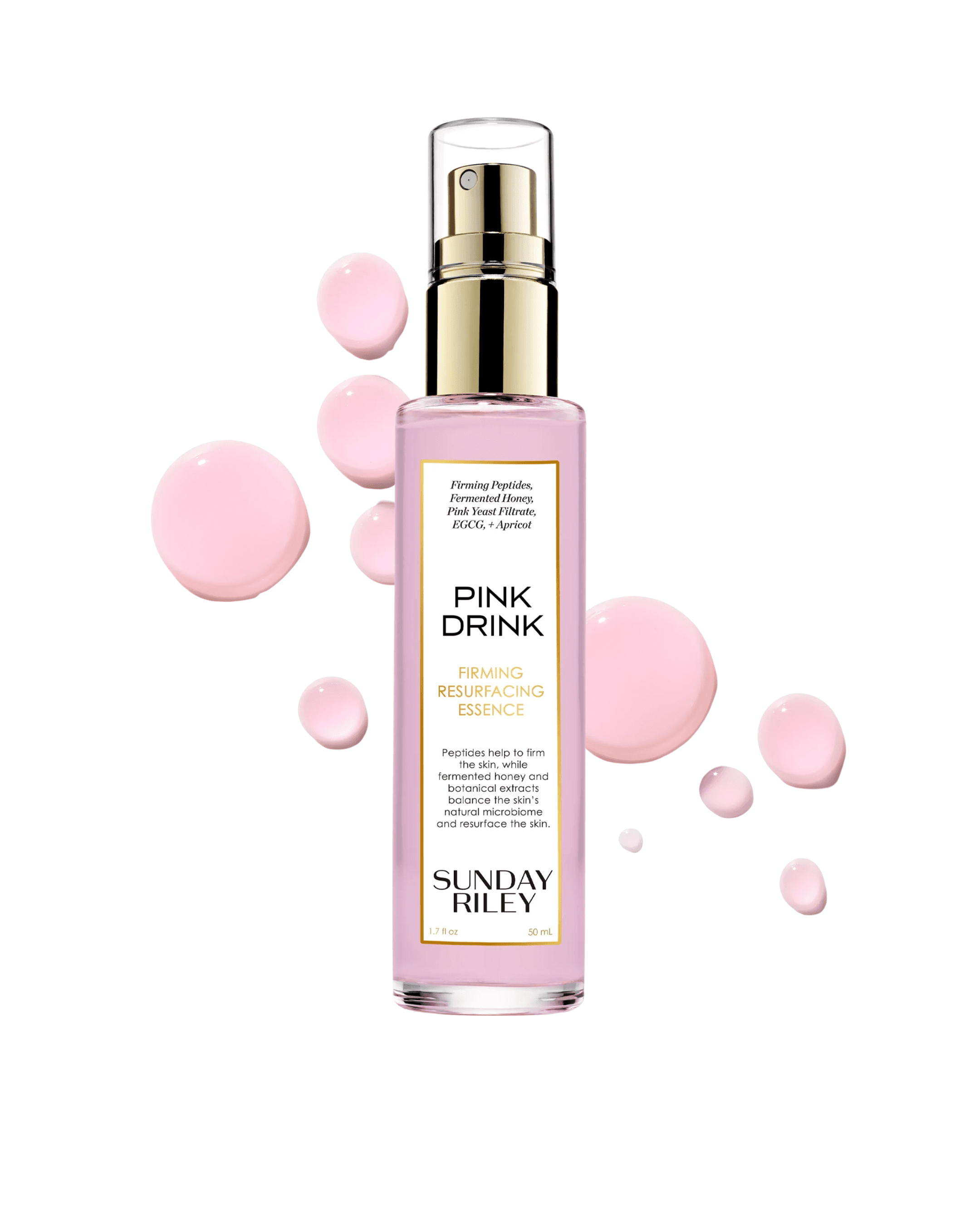
Sunday Riley Pink Drink Firming Resurfacing Essence

Skinceuticals P-TIOX Neuro-Peptide Serum 30ml
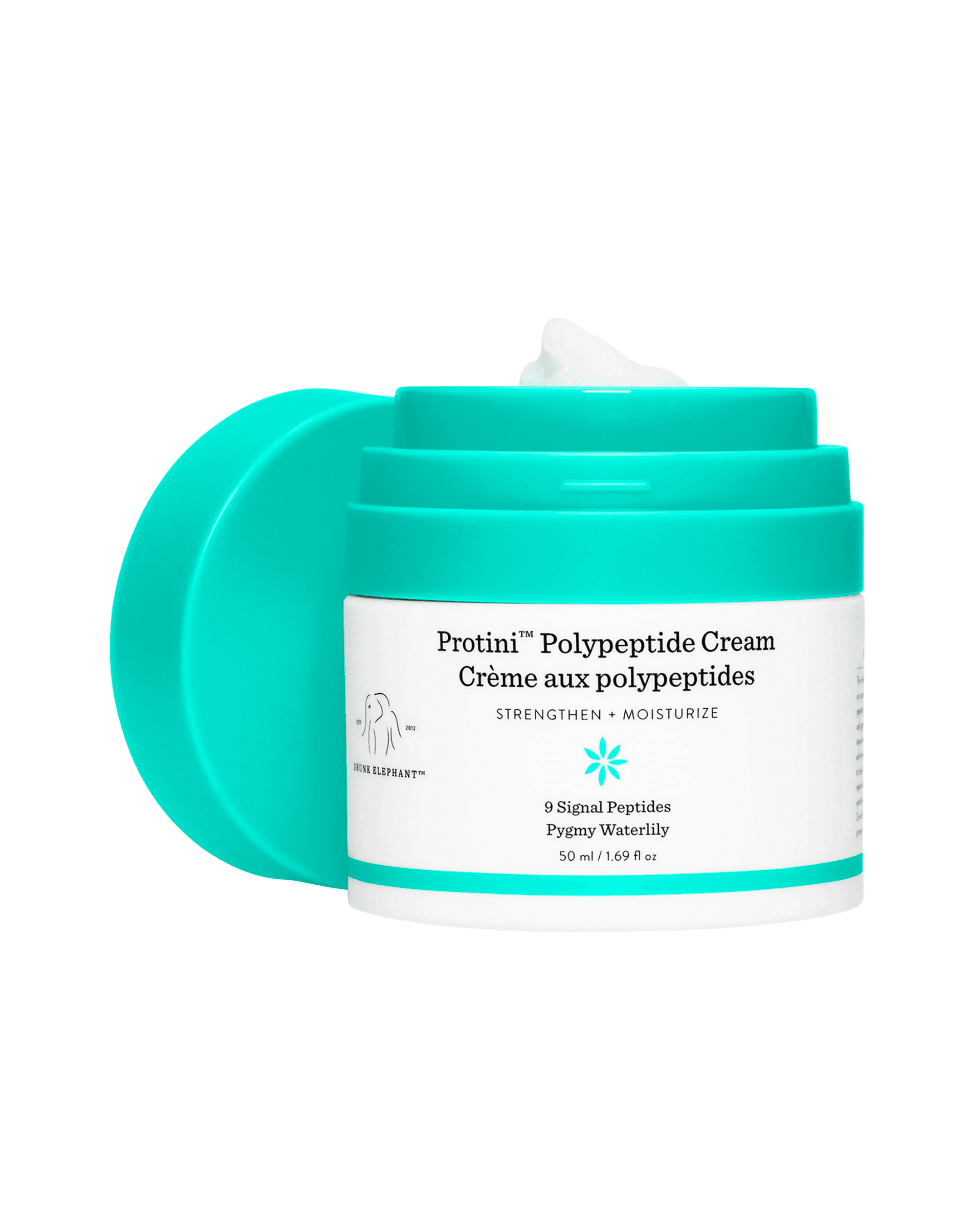
Protini Powerpeptide Resurfacing Serum With Lactic Acid
(Image courtesy Dana Scruggs)
If you’ve been paying attention to skincare lately, you’ve probably noticed peptides popping up everywhere - serums, creams, eye treatments. They’re not the flashiest ingredient on the shelf, but they might be one of the most useful.
What Are Peptides?
At their core, peptides are short chains of amino acids, which are the building blocks of proteins in the skin. Think of them as tiny messengers. When applied through skincare, they travel into the layers of the skin and signal to cells that it’s time to repair, strengthen and maintain what’s already there.
In other words, they encourage the skin to do its job properly.
Peptides support skin biology. Instead of forcing dramatic reactions, they prompt the skin to produce more collagen, repair itself more efficiently, calm inflammation and reinforce the barrier.
The visible results are subtle but meaningful, resulting in skin looking firmer, redness appears calmer, fine lines soften and overall skin texture becomes smoother. They’re also especially useful for the delicate eye area, offering a non-irritating alternative for anyone who struggles with stronger ingredients like retinol.
Why Use Peptides?
Part of the reason peptides are having such a moment is because the skincare conversation has evolved. For years, hydration dominated the industry - ingredients like hyaluronic acid delivered instant plumpness and were easy to understand. But hydration alone doesn’t fundamentally change the skin.
Peptides, on the other hand, are about performance.
Instead of constantly exfoliating or shocking the skin with aggressive actives, more people are focusing on formulas that support resilience and repair.
How Are We Using Peptides?
Peptides fit easily into an existing routine. They pair well with vitamin C, retinoids and exfoliating acids, which means they can quietly strengthen the skin while other ingredients handle brightness or cell turnover.
The real difference shows up with consistency. Over time, skin tends to recover more quickly, hold its firmness better and look calmer and smoother overall. It’s not the kind of transformation that happens overnight. But that’s also the point.
In a skincare landscape full of promises, peptides represent something more realistic: steady improvement, stronger skin and results that build gradually. The kind that actually lasts.
Here’s our edit of some of the best peptide products on the market
The Ordinary Multi-Peptide + Copper Peptides 1% Serum 30ml
Cerave Skin Renewing Peptide Cream 48g
Paula’s Choice Pro-Collagen Peptide Plumping Moisturiser 50ml
Dermalogica Awaken Peptide Eye Gel
Noble Panacea The Absolute Peptide8 Night Serum
Sunday Riley Pink Drink Firming Resurfacing Essence
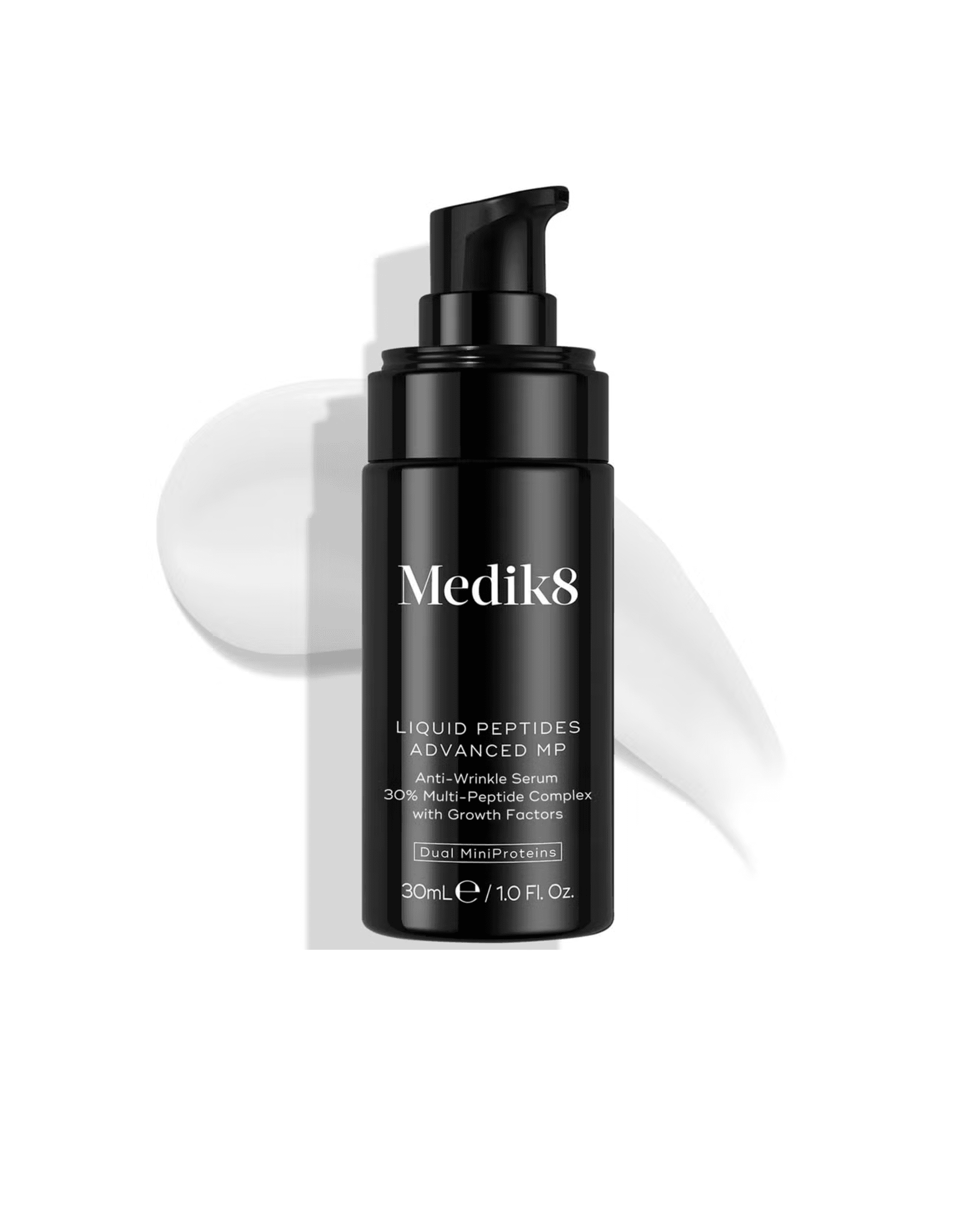
Skinceuticals P-TIOX Neuro-Peptide Serum 30ml
Protini Powerpeptide Resurfacing Serum With Lactic Acid



Must Reads
Must Reads


we are MOLTN
●
we are MOLTN
●
we are MOLTN
●
we are MOLTN
●
we are MOLTN
●
we are MOLTN
●
we are MOLTN
●
we are MOLTN
●
we are MOLTN
●
we are MOLTN
●
we are MOLTN
●
Subscribe to MOLTN

© We Are MOLTN
2026
we are MOLTN
●
we are MOLTN
●
we are MOLTN
●
we are MOLTN
●
we are MOLTN
●
we are MOLTN
●
we are MOLTN
●
we are MOLTN
●
we are MOLTN
●
we are MOLTN
●
we are MOLTN
●
Subscribe to MOLTN
© We Are MOLTN
2026
we are MOLTN
●
we are MOLTN
●
we are MOLTN
●
we are MOLTN
●
we are MOLTN
●
we are MOLTN
●
we are MOLTN
●
we are MOLTN
●
we are MOLTN
●
we are MOLTN
●
we are MOLTN
●
Subscribe to MOLTN
© We Are MOLTN
2026