
Dior menswear arrived this season heavy with references and attitude, but the clothes struggled to carry the weight.
Jonathan Anderson looked to fashion history for fuel, citing Paul Poiret as a key point of inspiration. That sense of early-20th-century disruption - when dressing was about character and freedom rather than rules- ran through the show. In theory, it made sense. On the runway, it felt scattered.
And just for reference, Paul Poiret was one of the first true disruptors of modern fashion. Active in early 20th-century Paris, Poiret rejected corsetry, embraced looseness and theatricality, and treated clothing as a vehicle for personality rather than polish. He also pioneered the idea of fashion as spectacle, staging immersive presentations long before the modern runway existed.
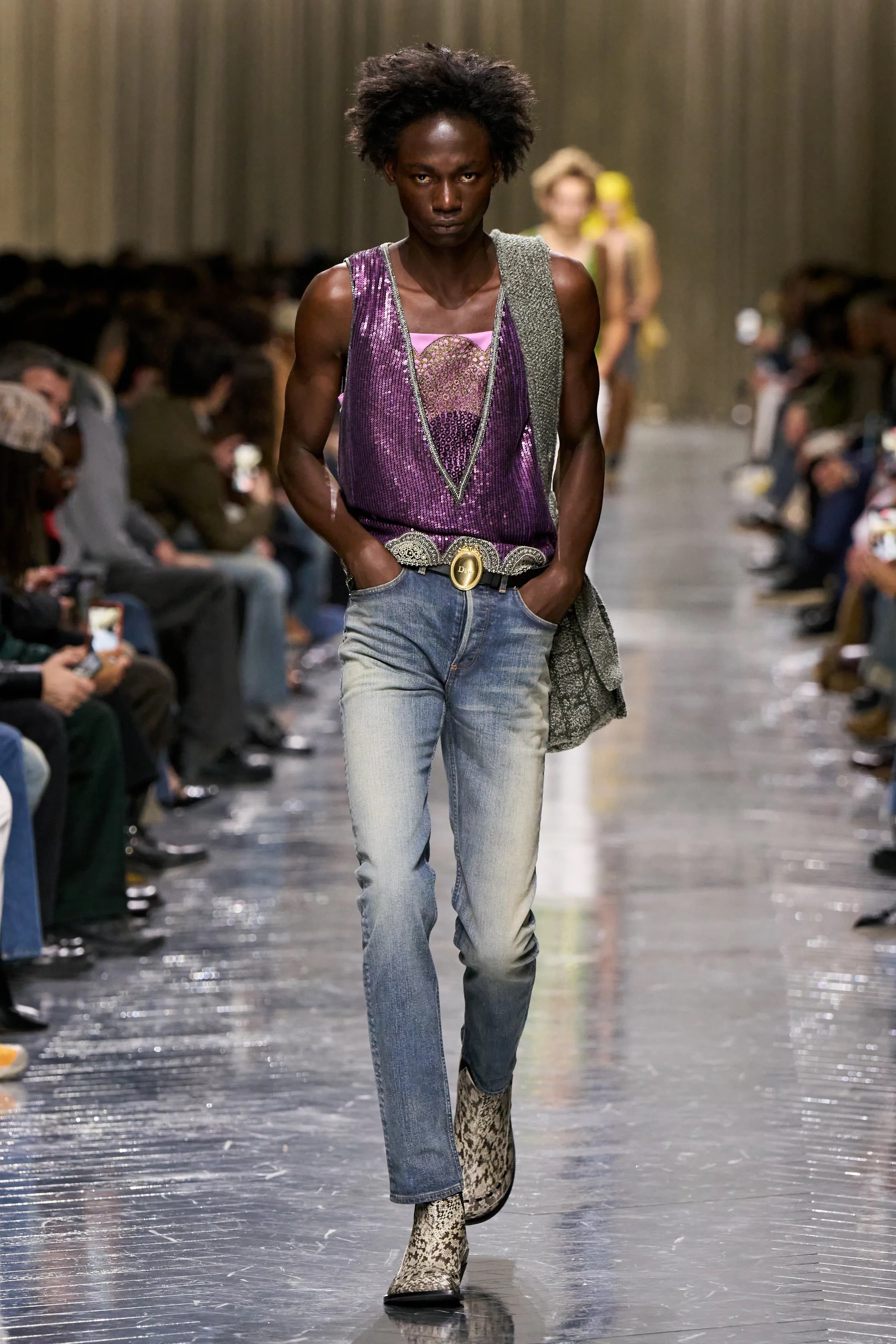
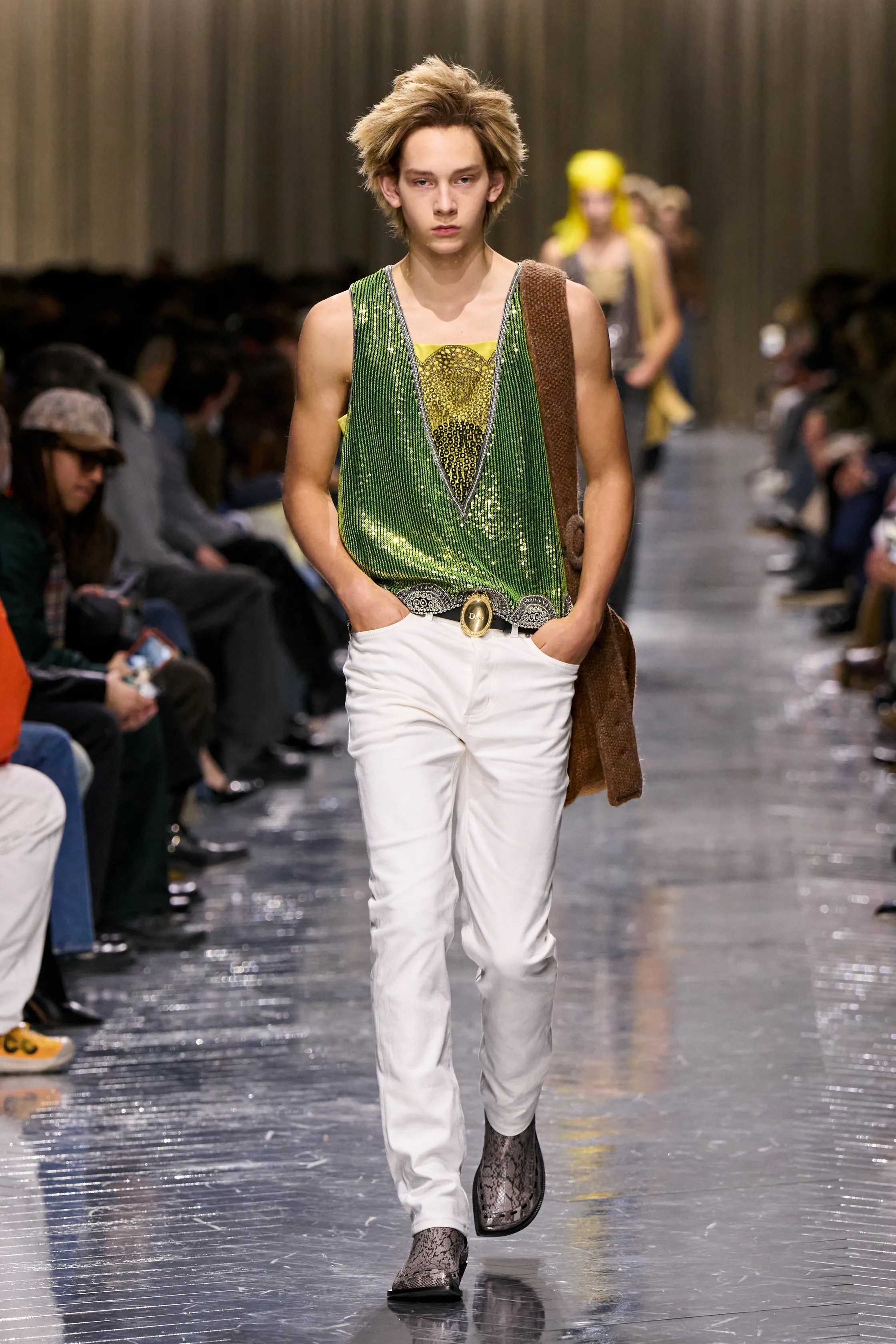
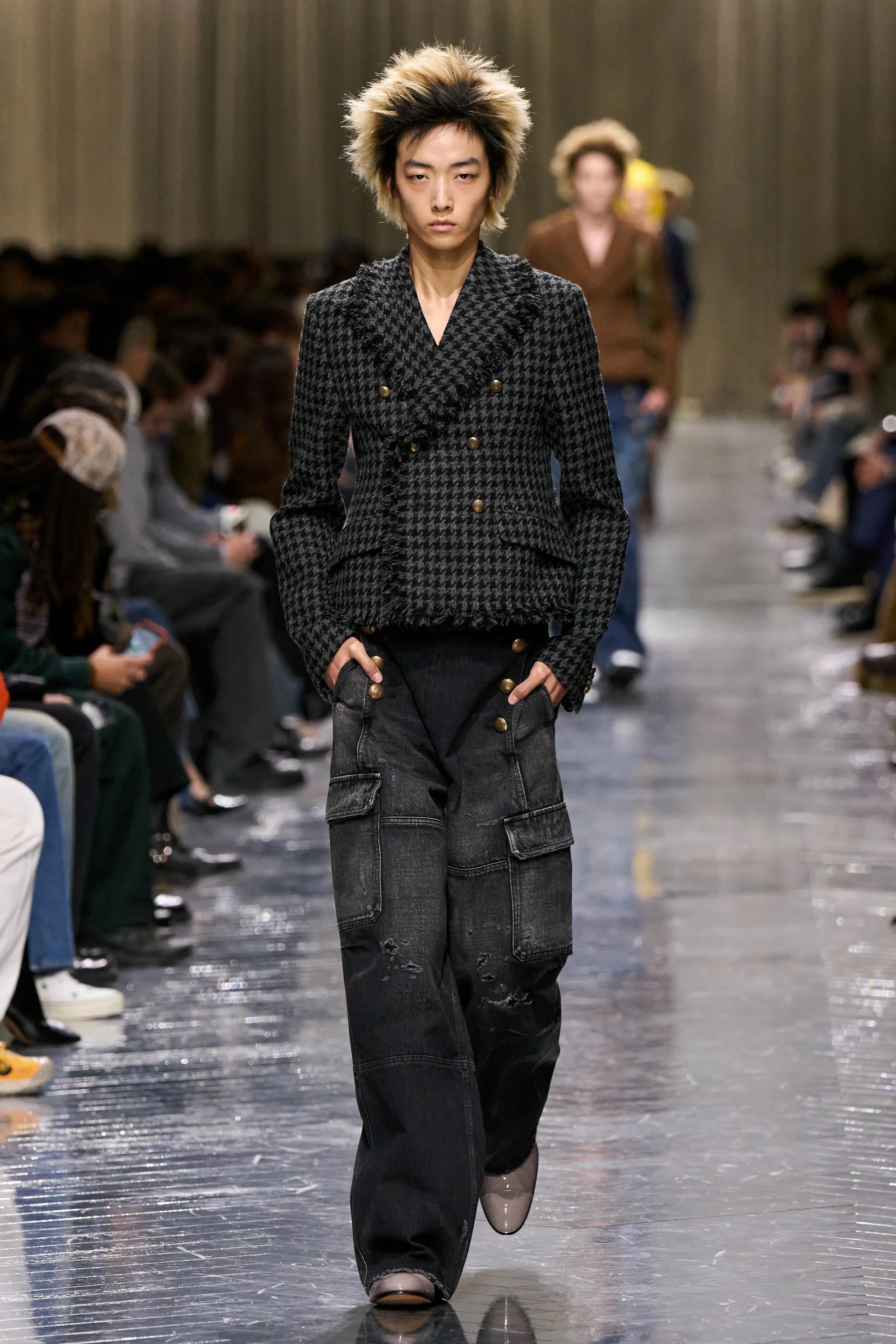
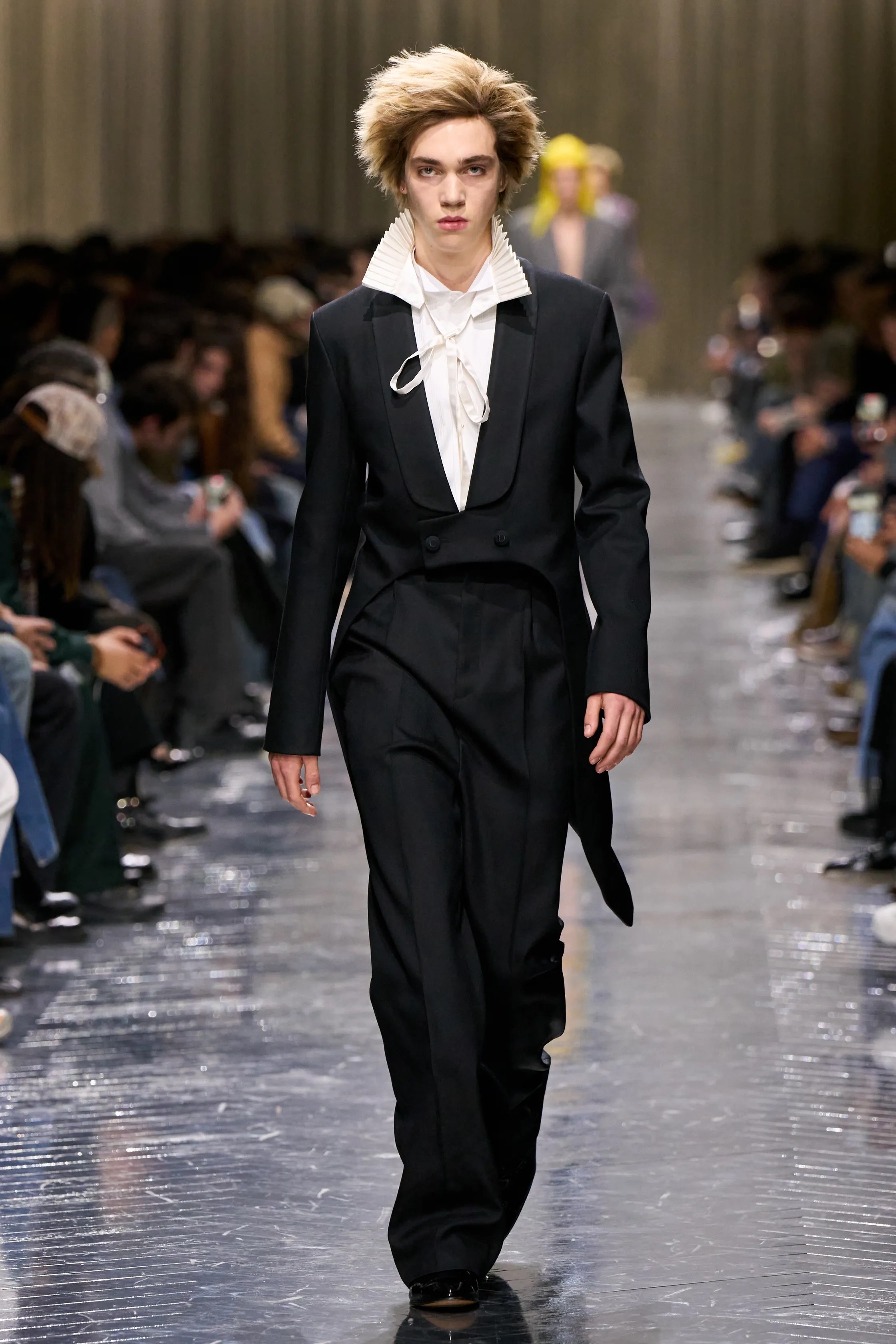
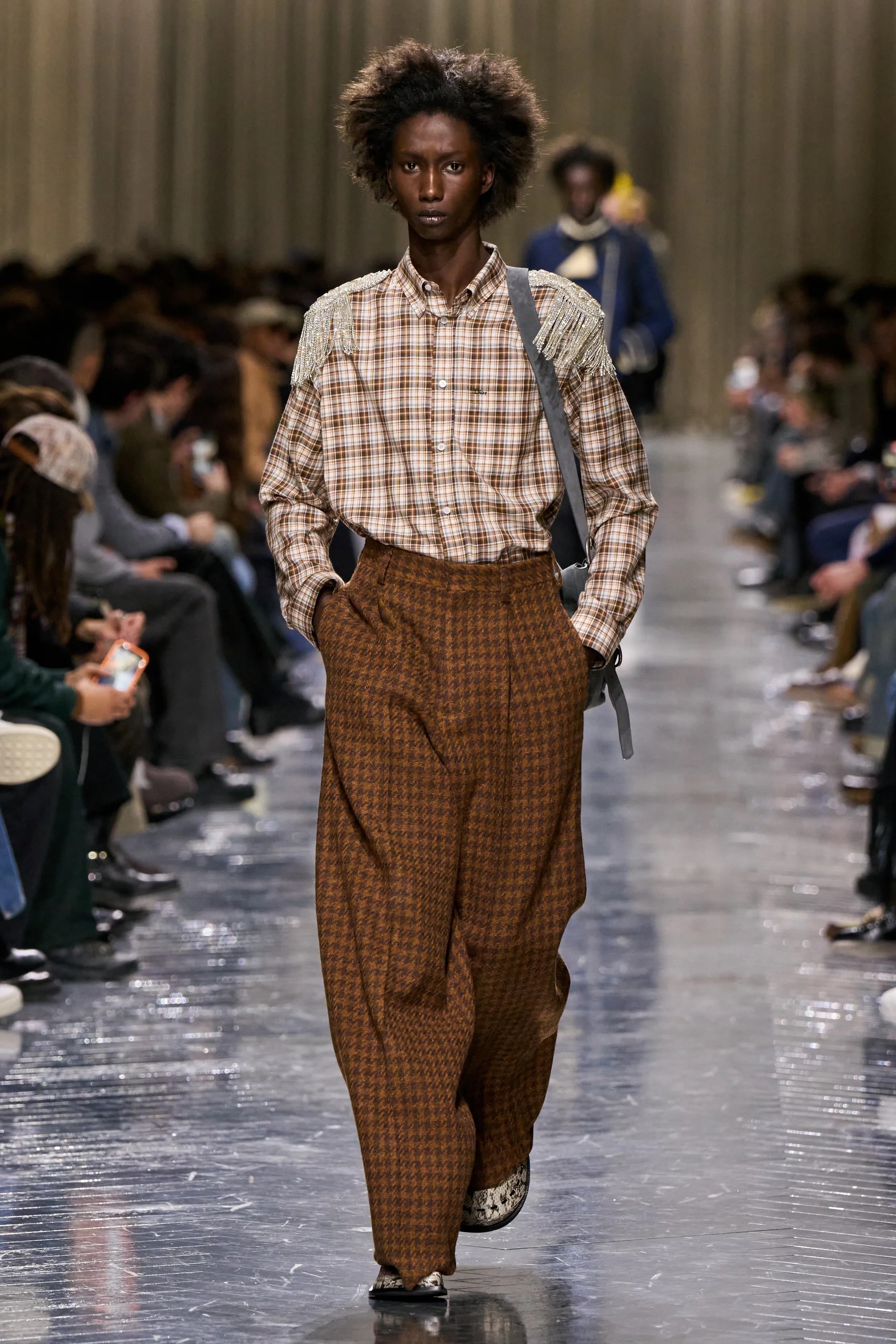
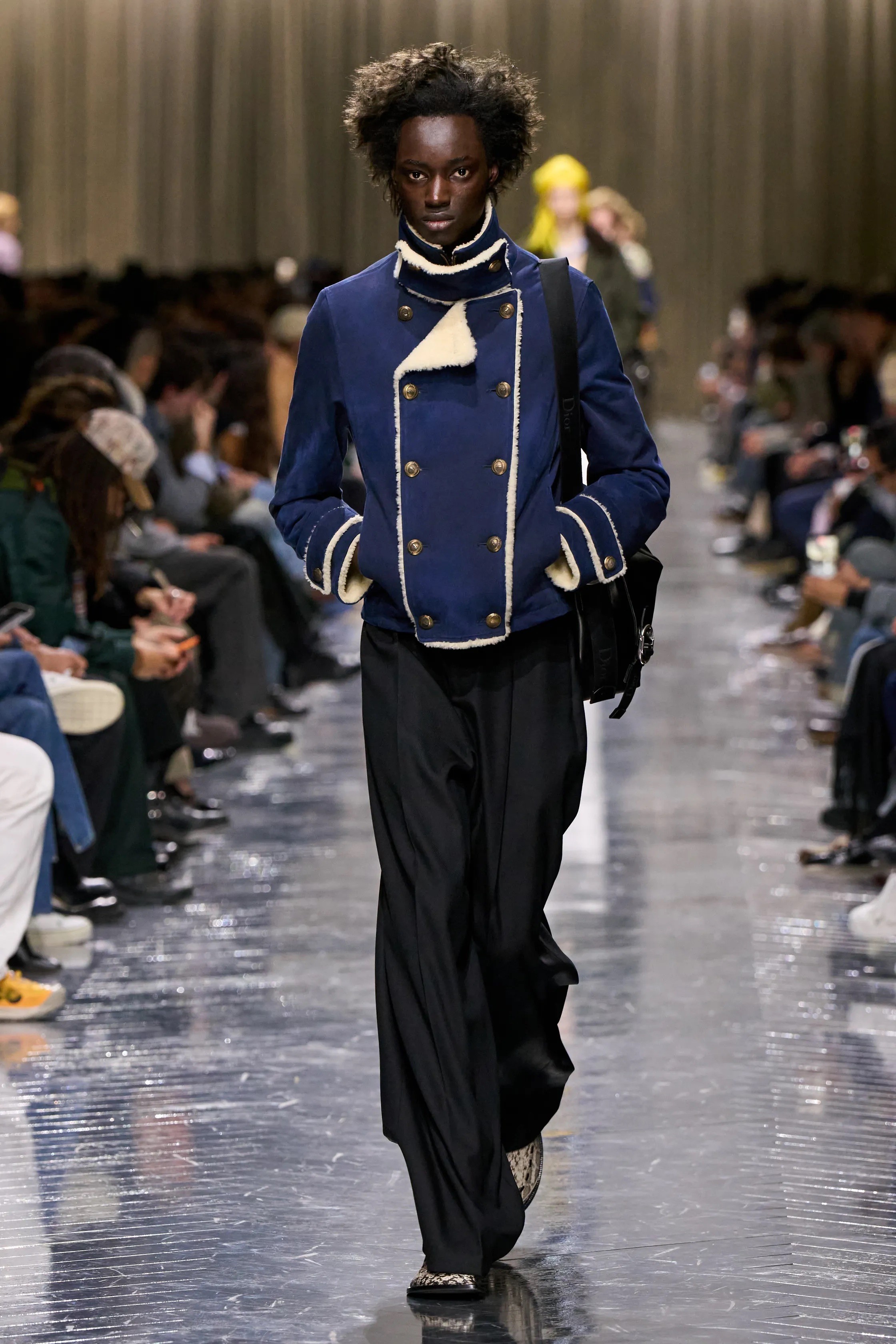
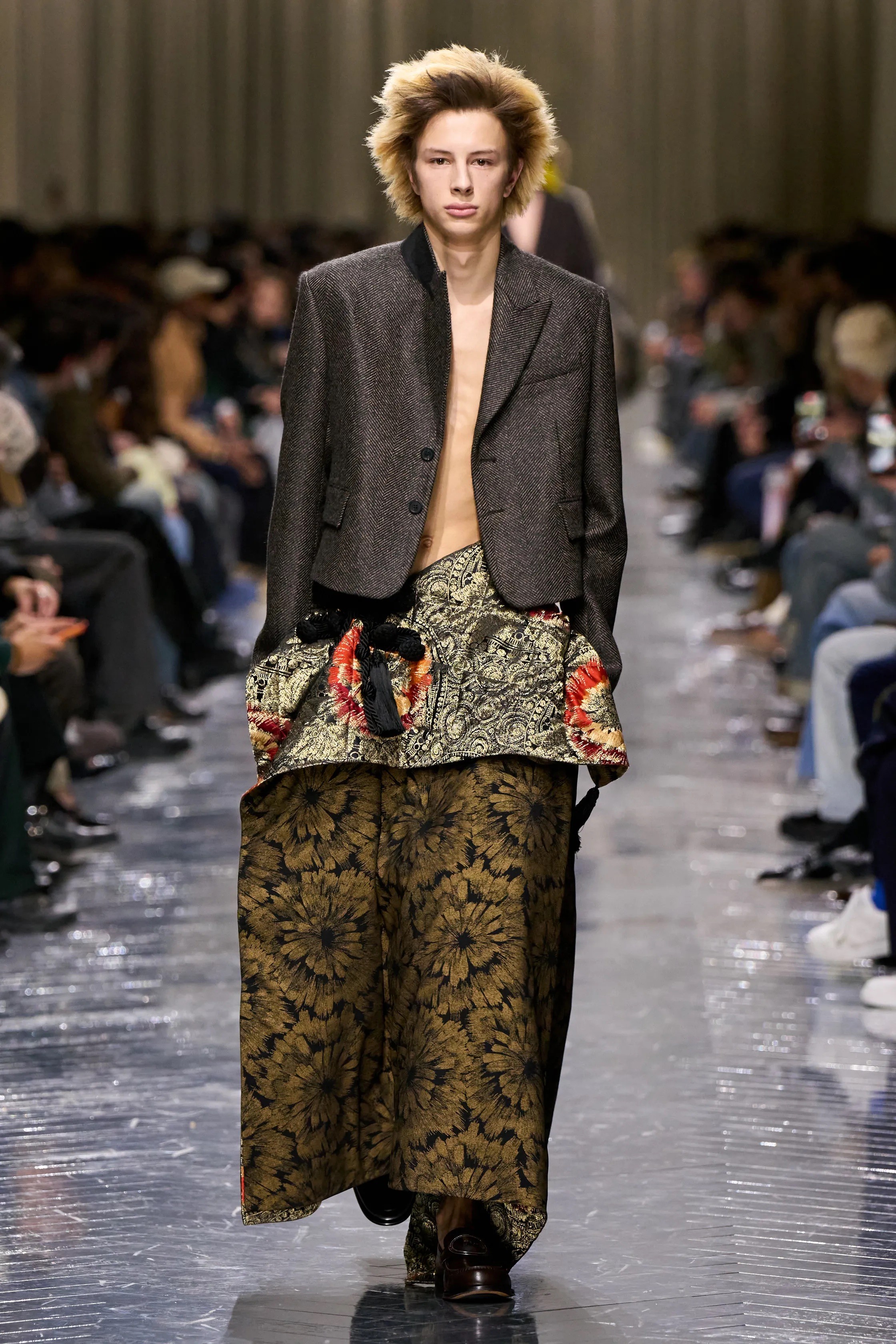
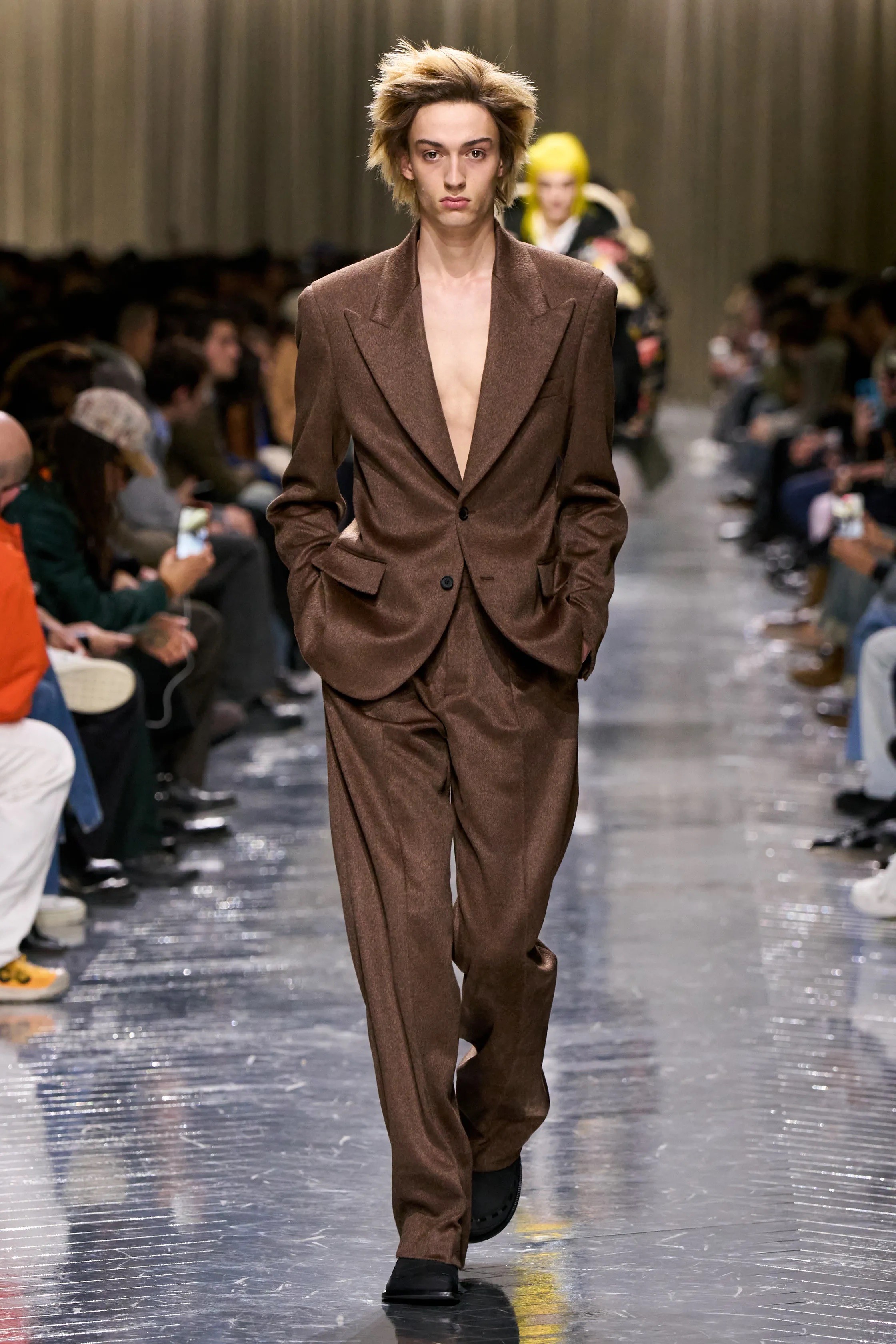
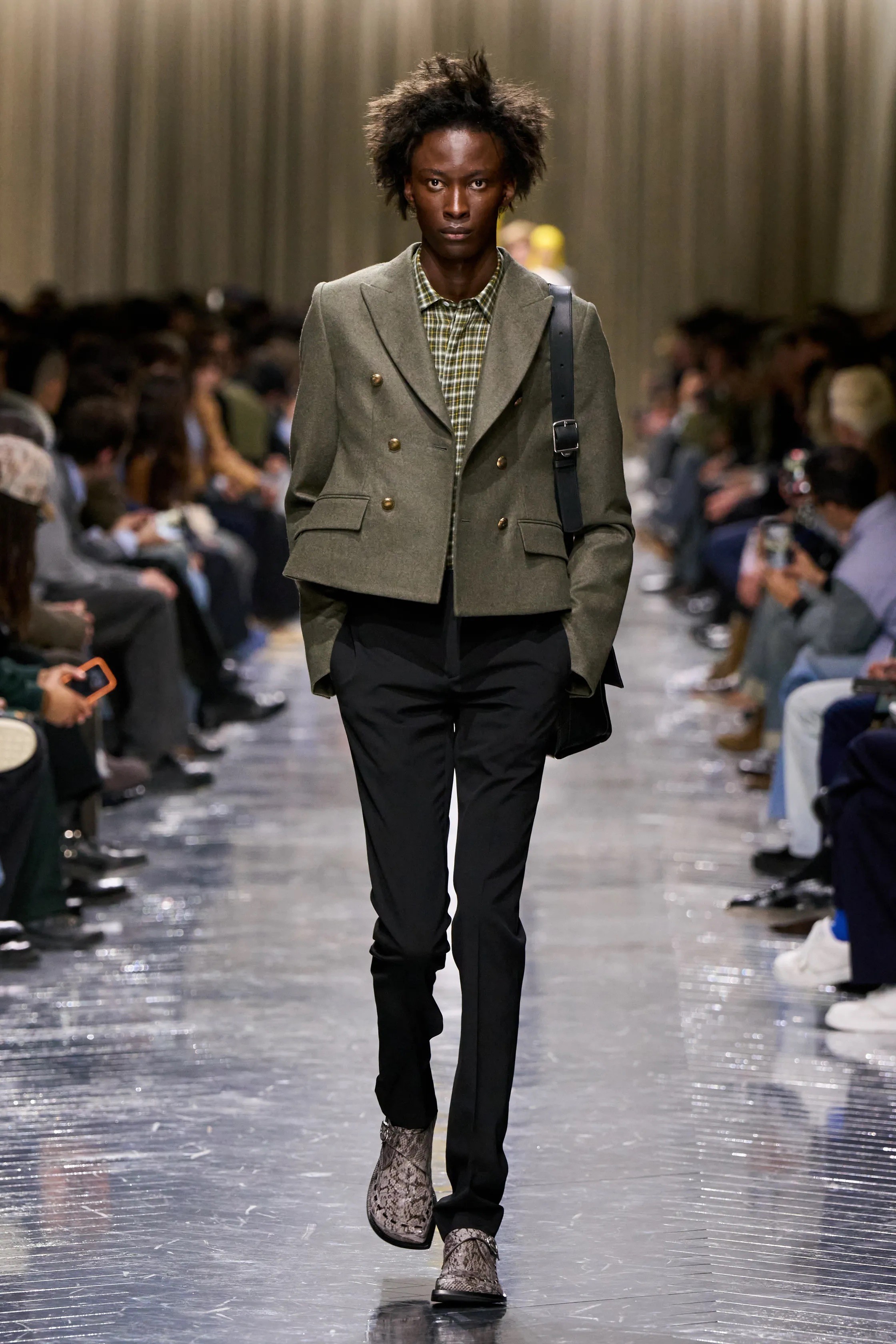
The opening looks set the mood: embellished, archival-feeling sleeveless tops paired with slim-leg denim, logo belts, and chunky boots. The clash between old-world drama and modern casual was intentional, the contrast was sharp, but also confusing, and that tension ran through the entire show. Tailoring was pushed into awkward territory - jackets cropped too high, shoulders blown out, proportions distorted in ways that felt more distracting than directional.
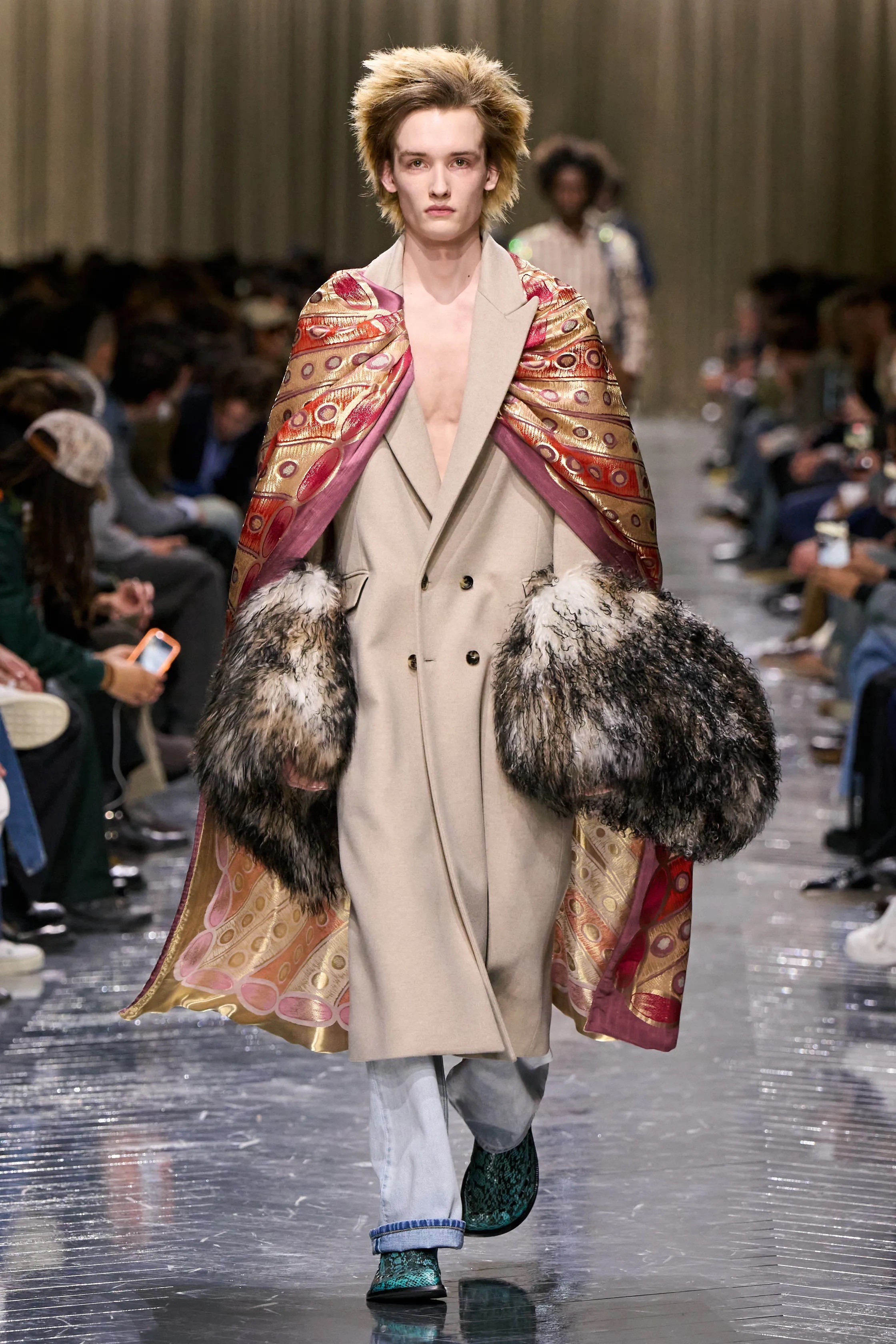
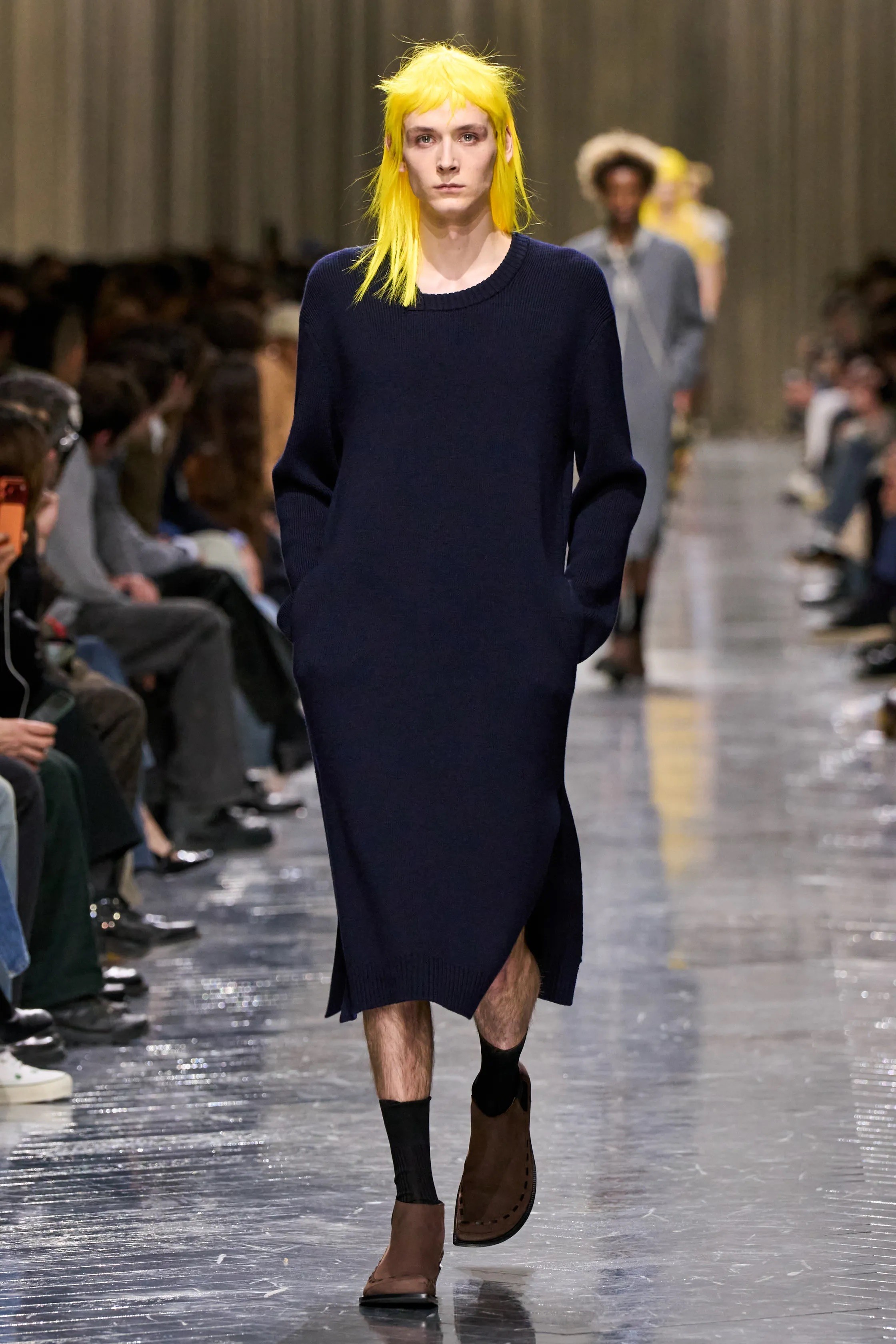
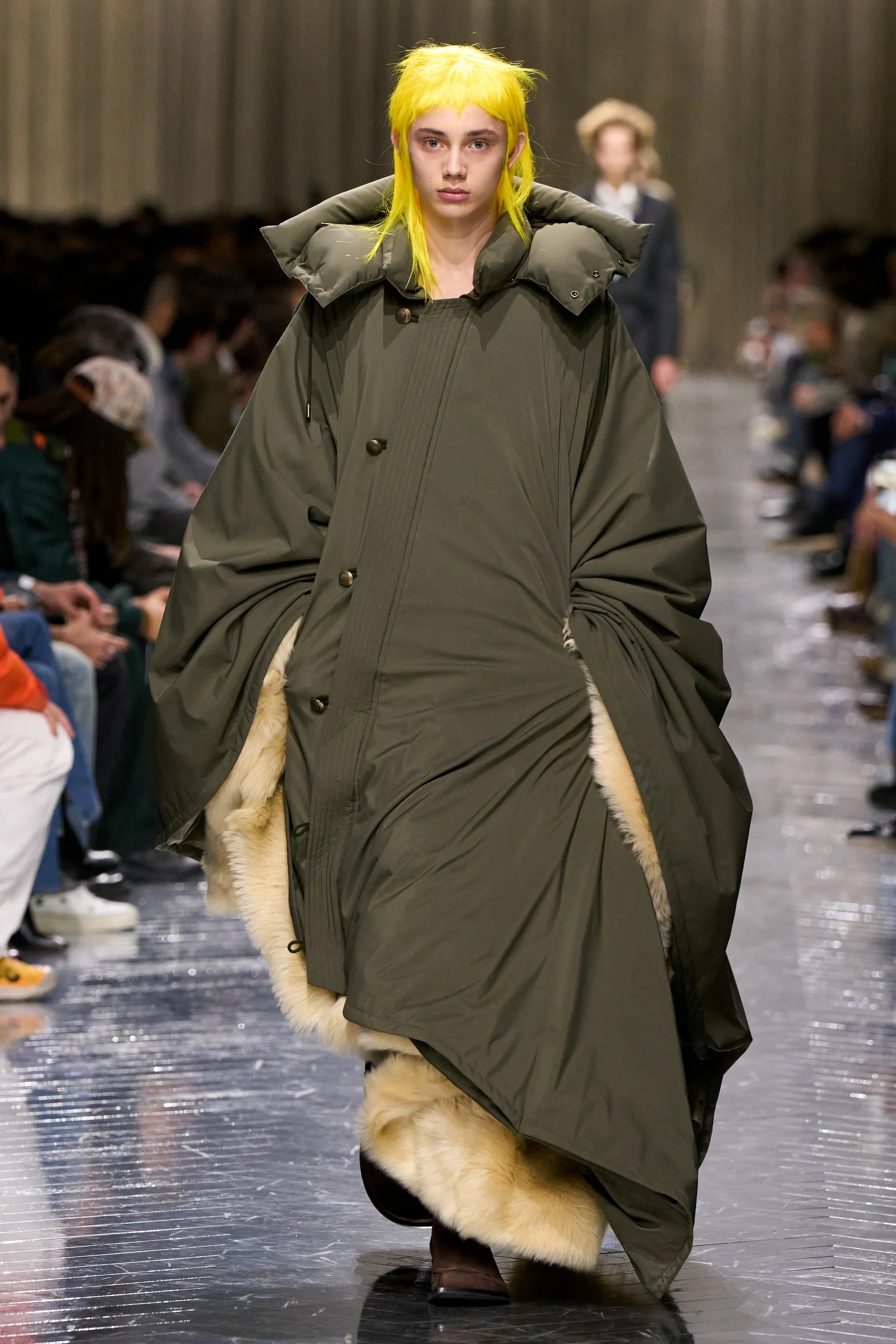
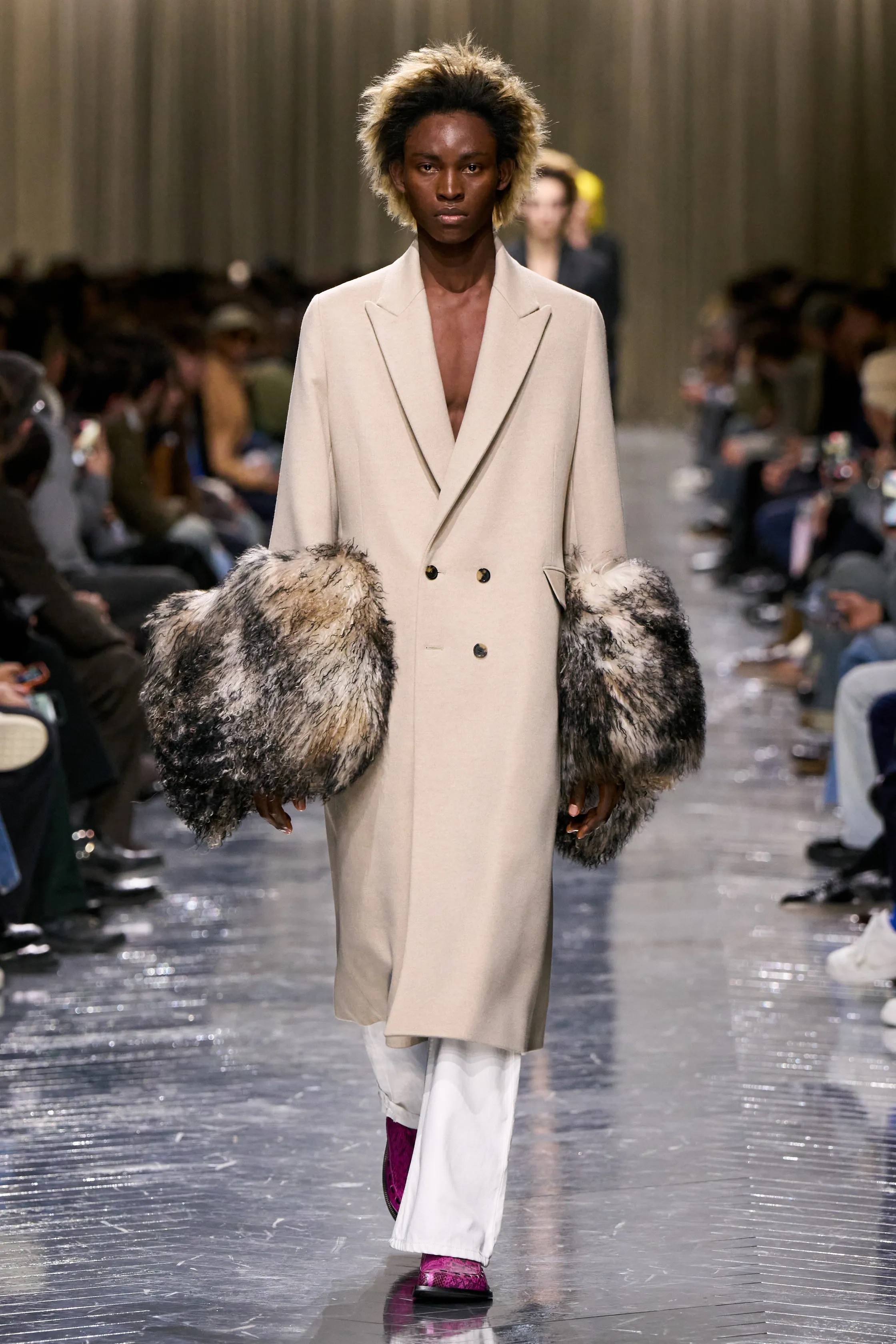
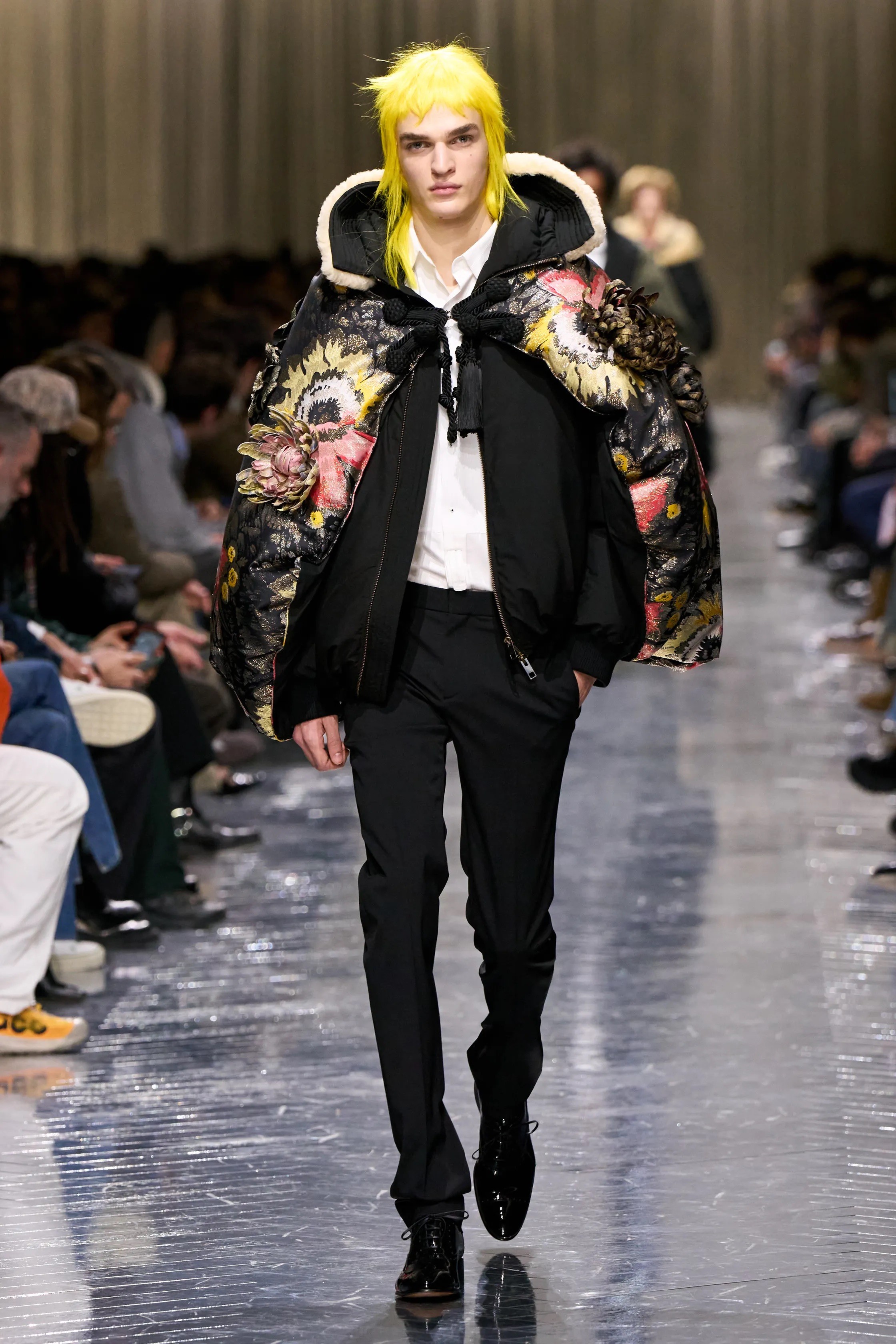
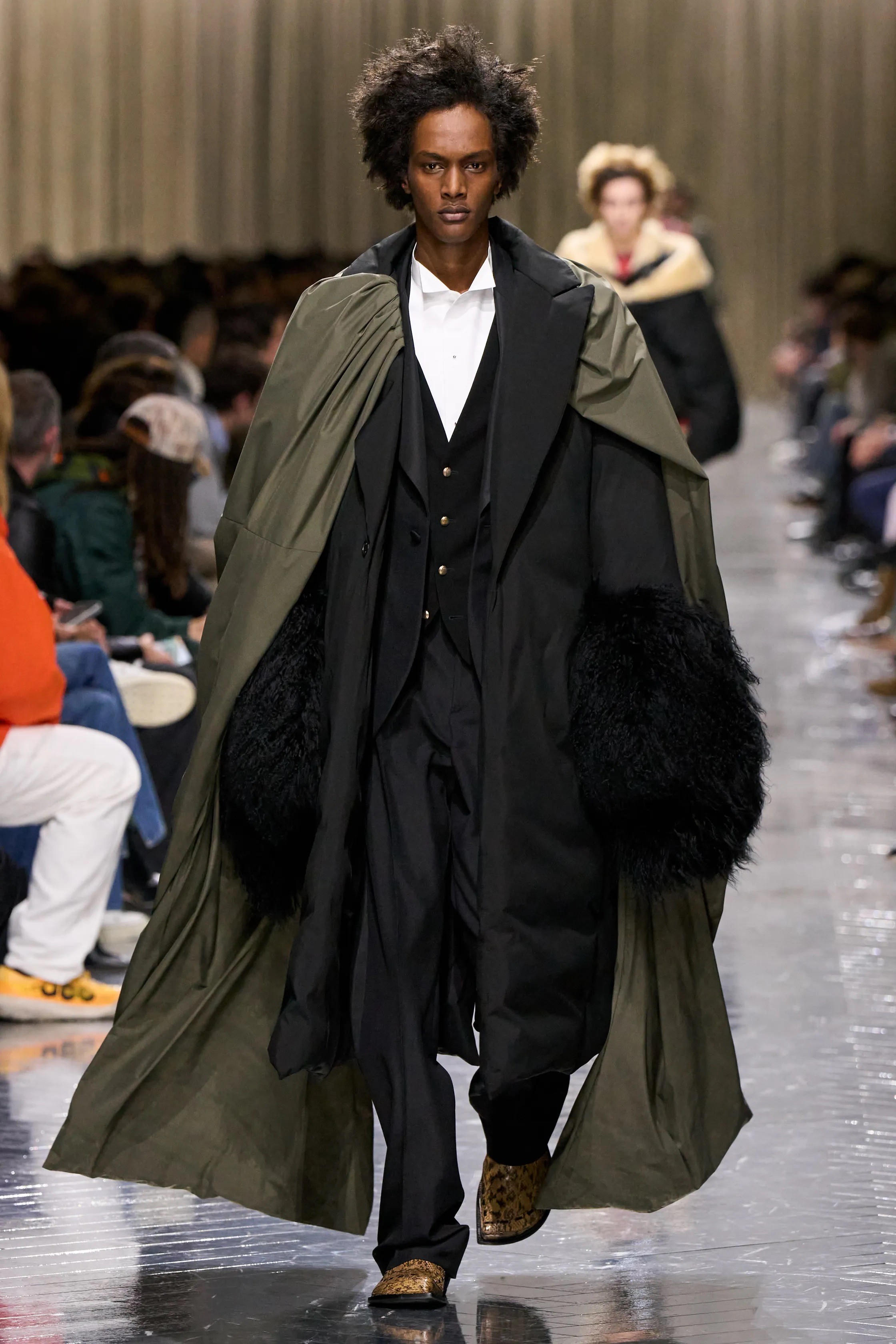
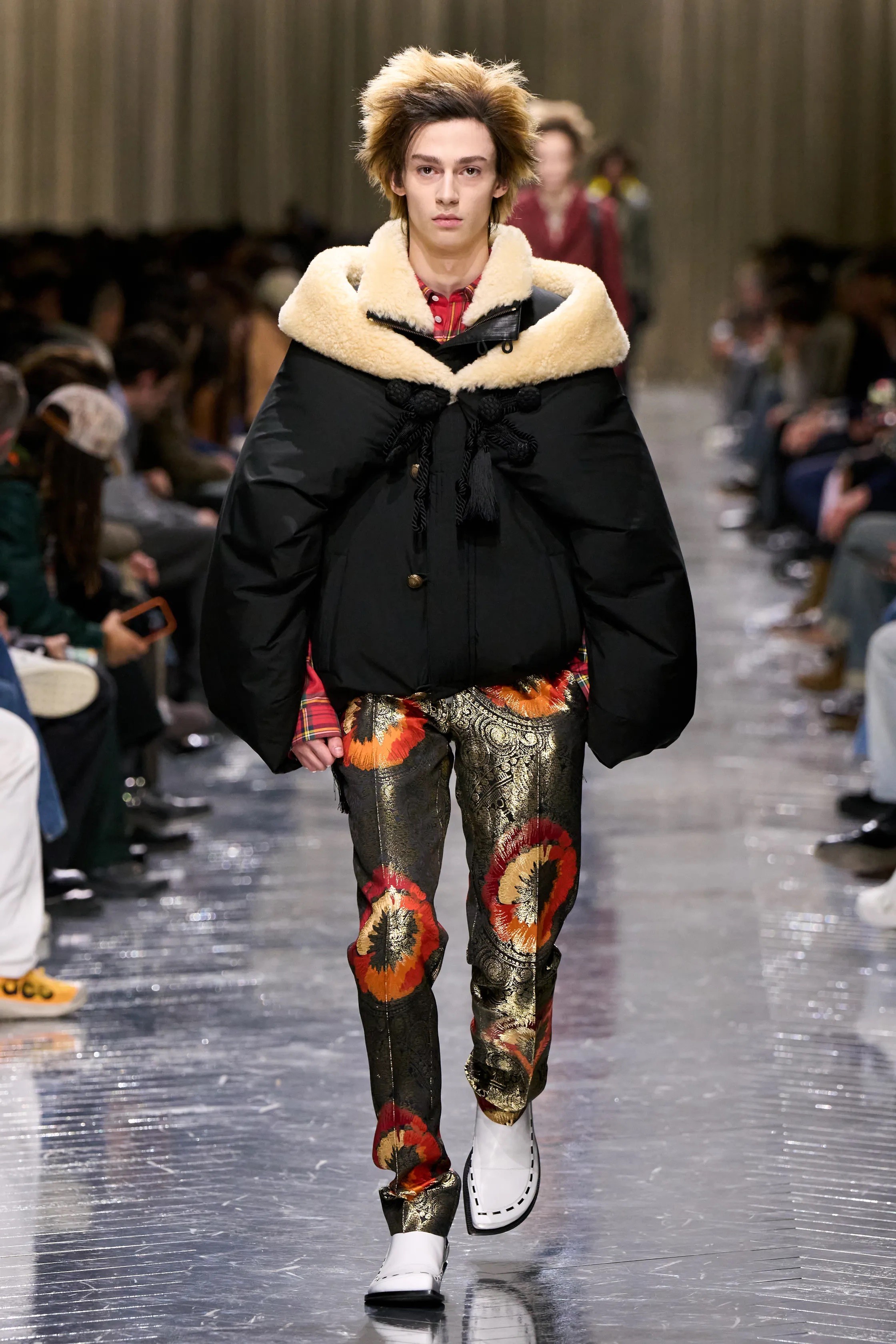
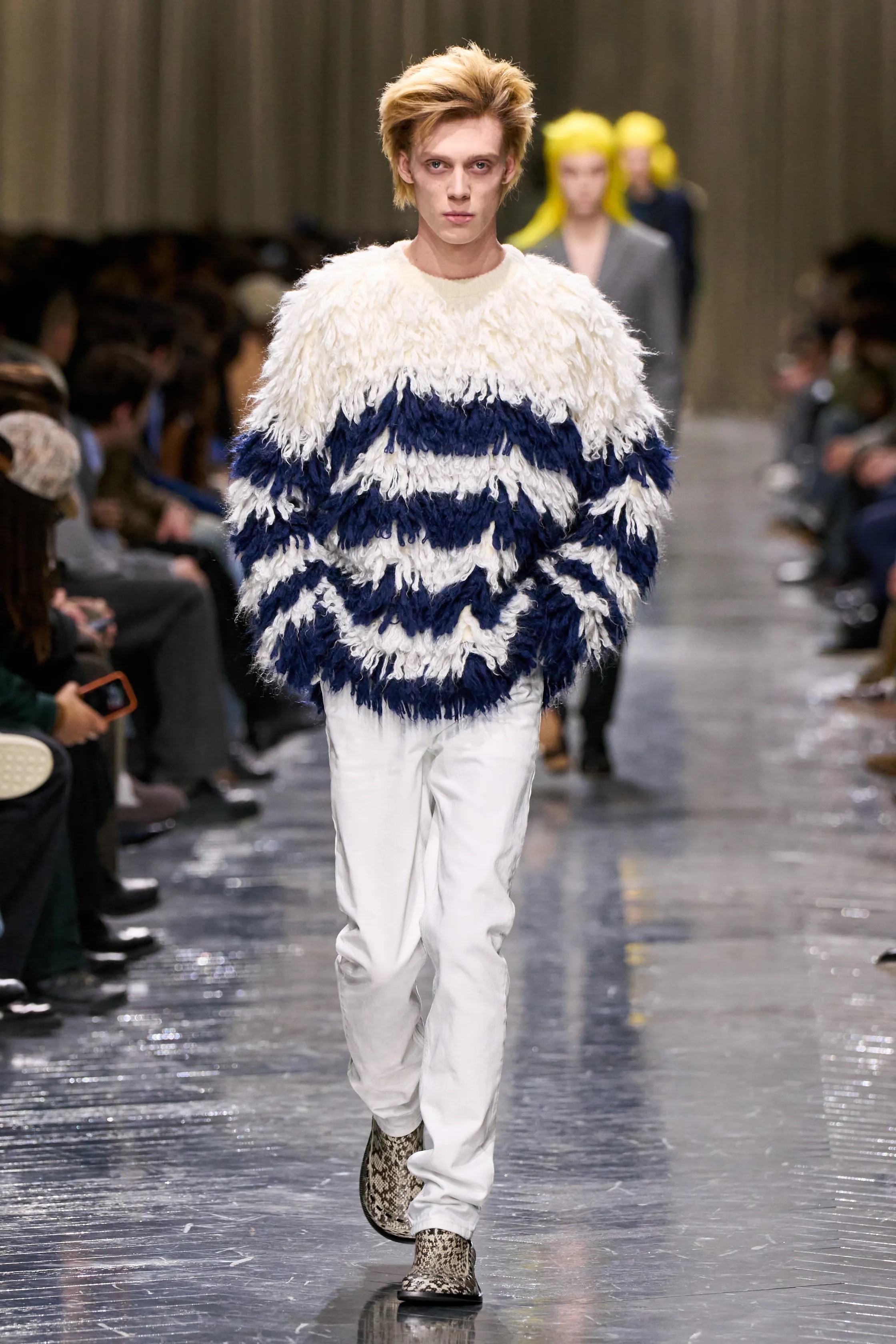
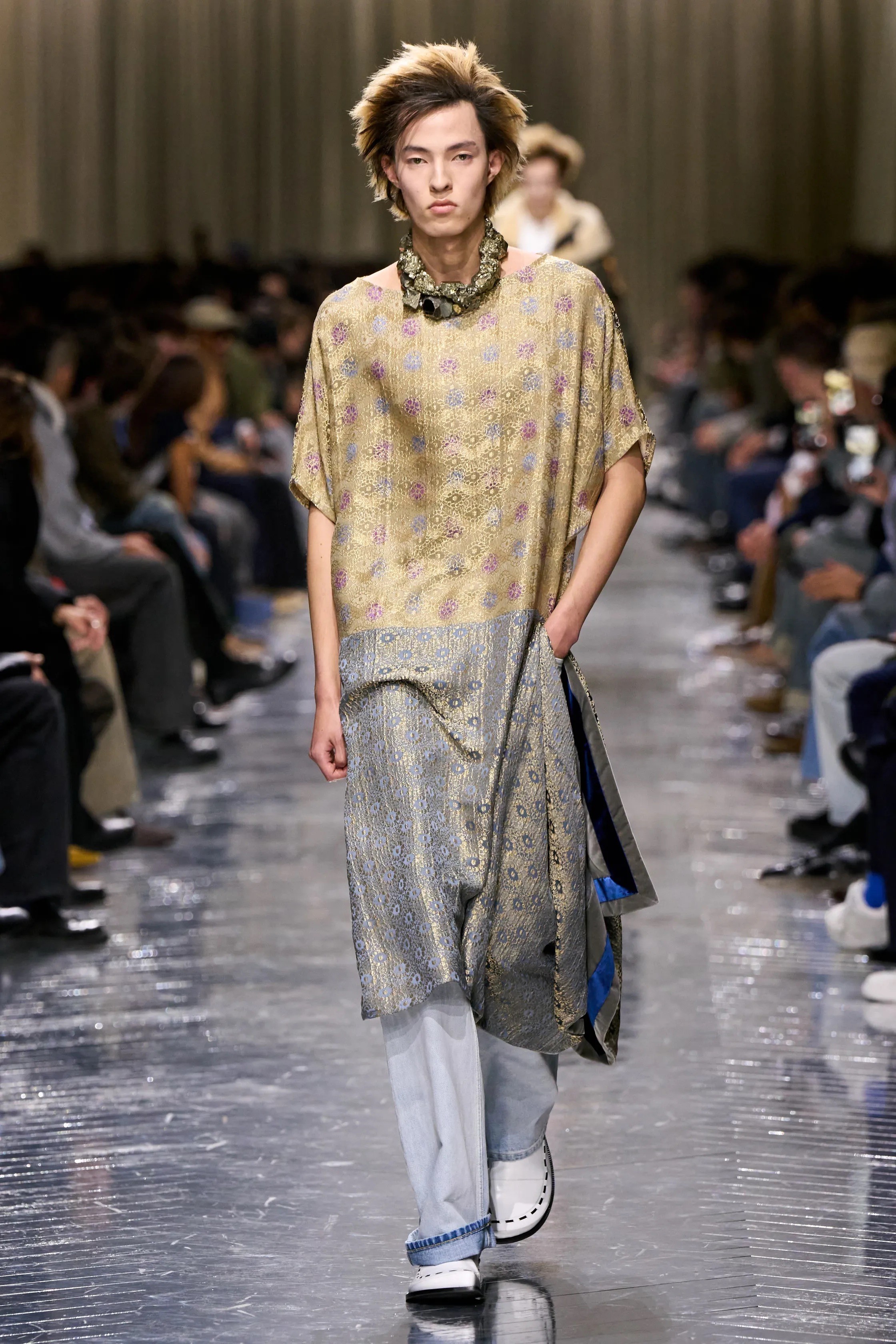
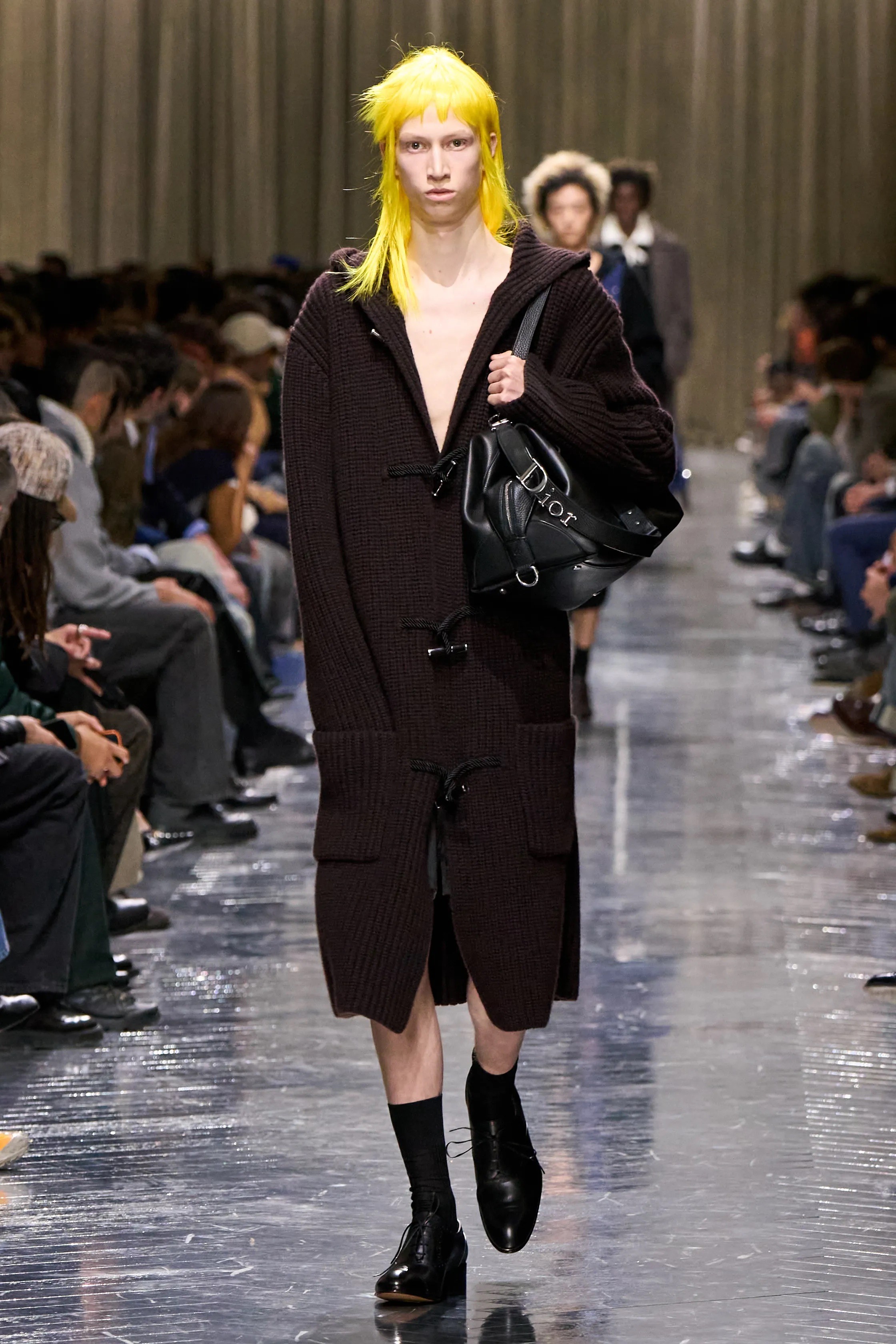
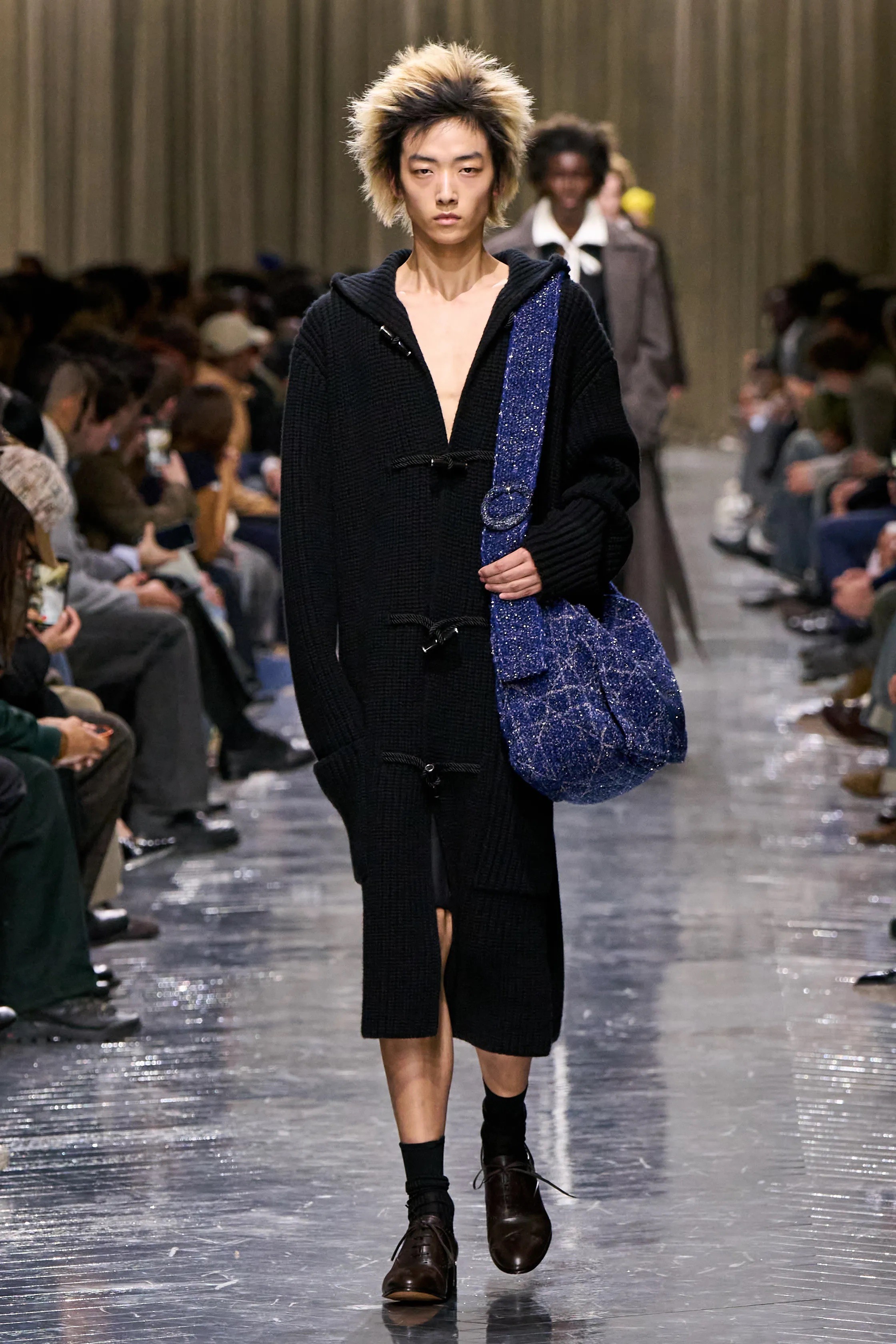
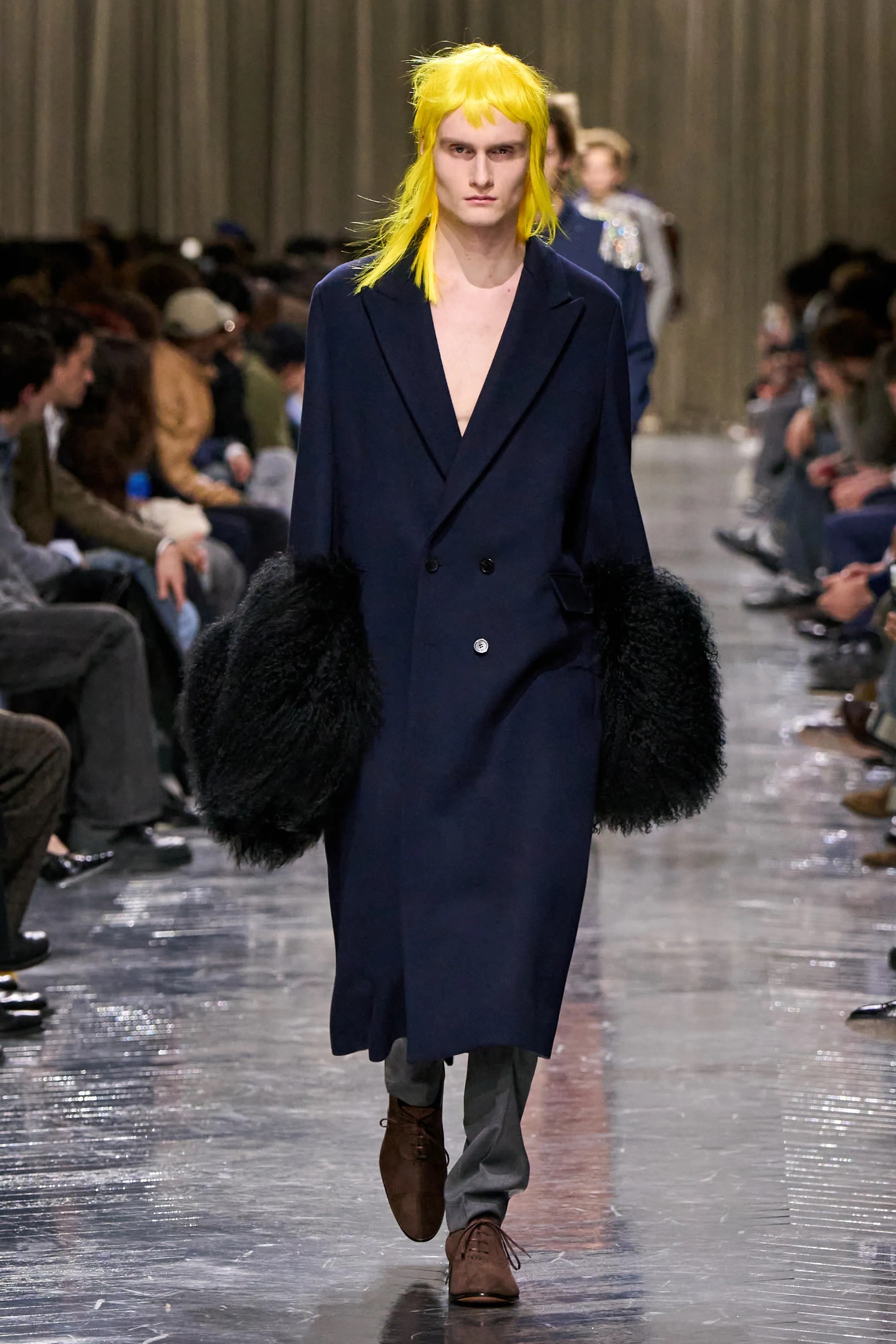
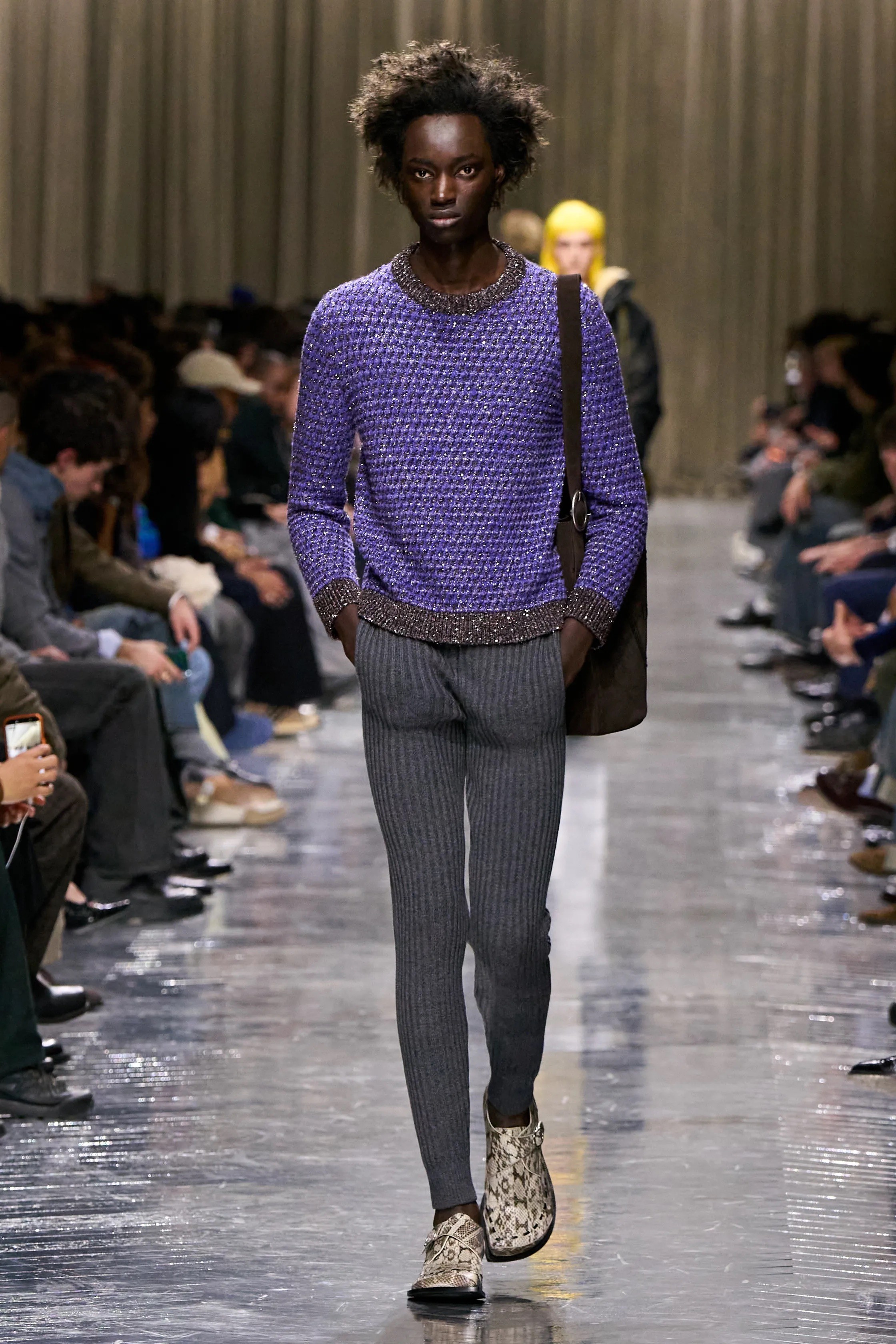
Knitwear stretched down the body, sometimes to the ankles almost like a midi-dress, while puffers were sculpted into stiff, cocooned shapes. Coats arrived with decorative panels and dramatic cuffs that looked impressive standing still but felt cumbersome in motion. The craftsmanship was evident, but wearability seemed to take a back seat.
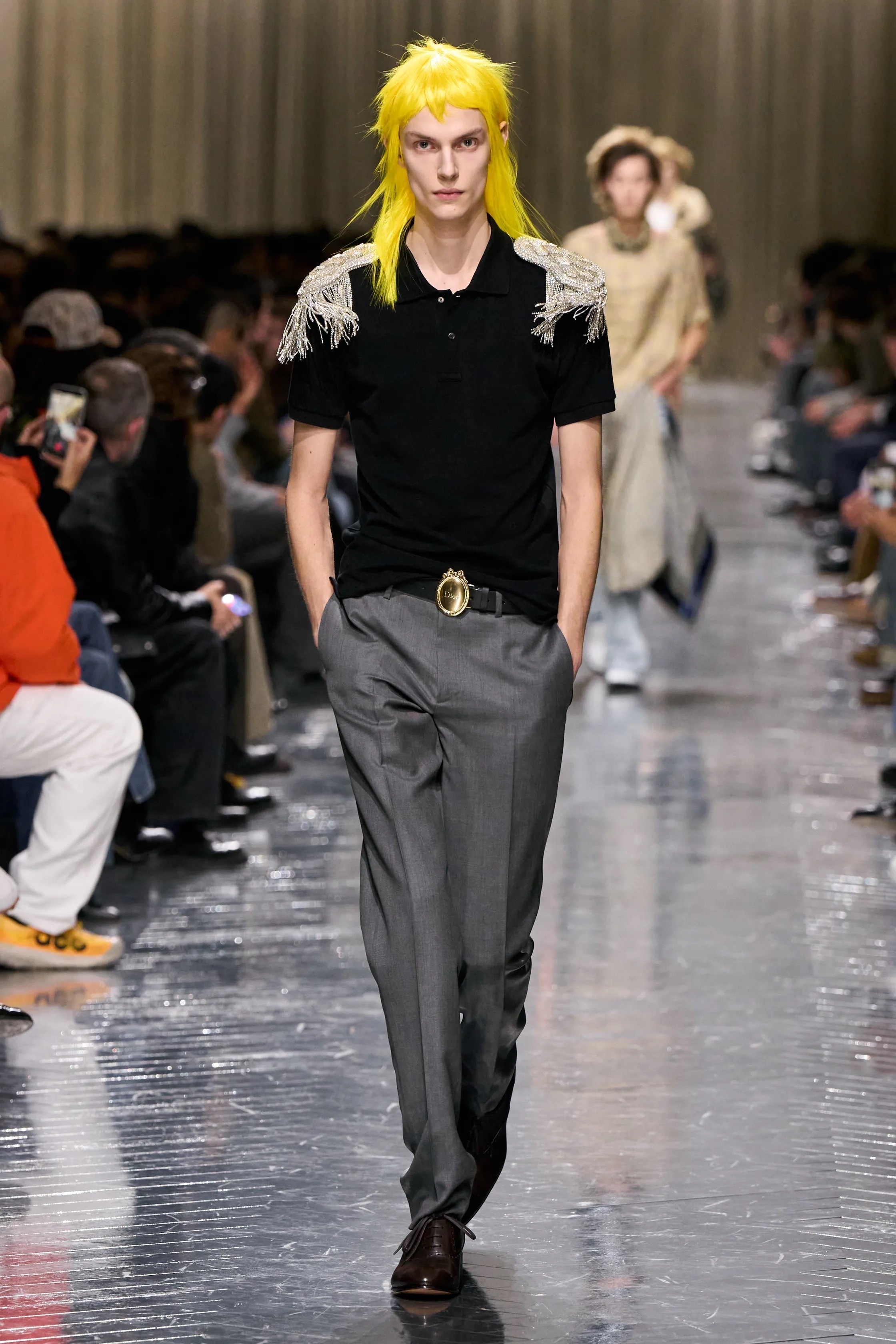
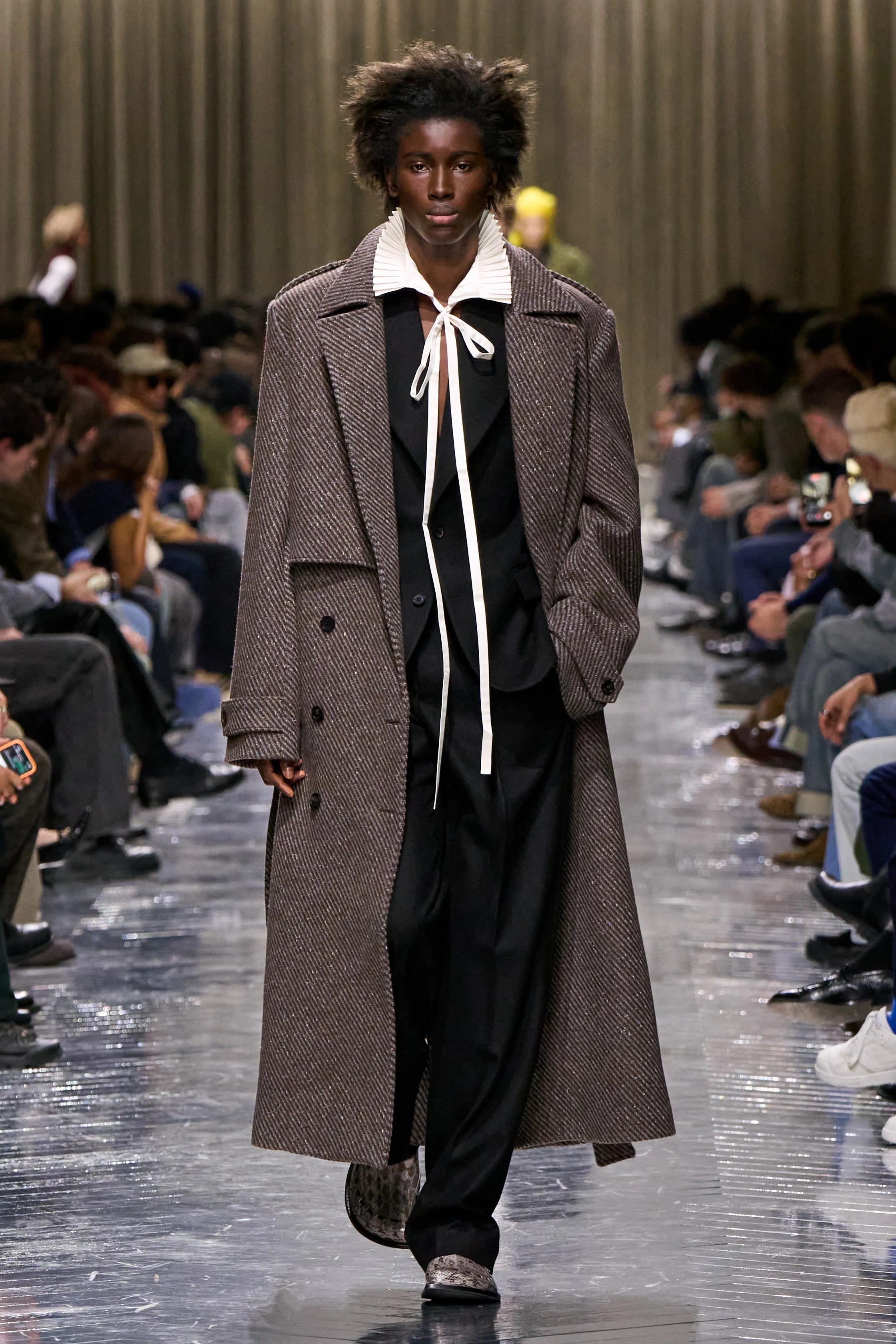
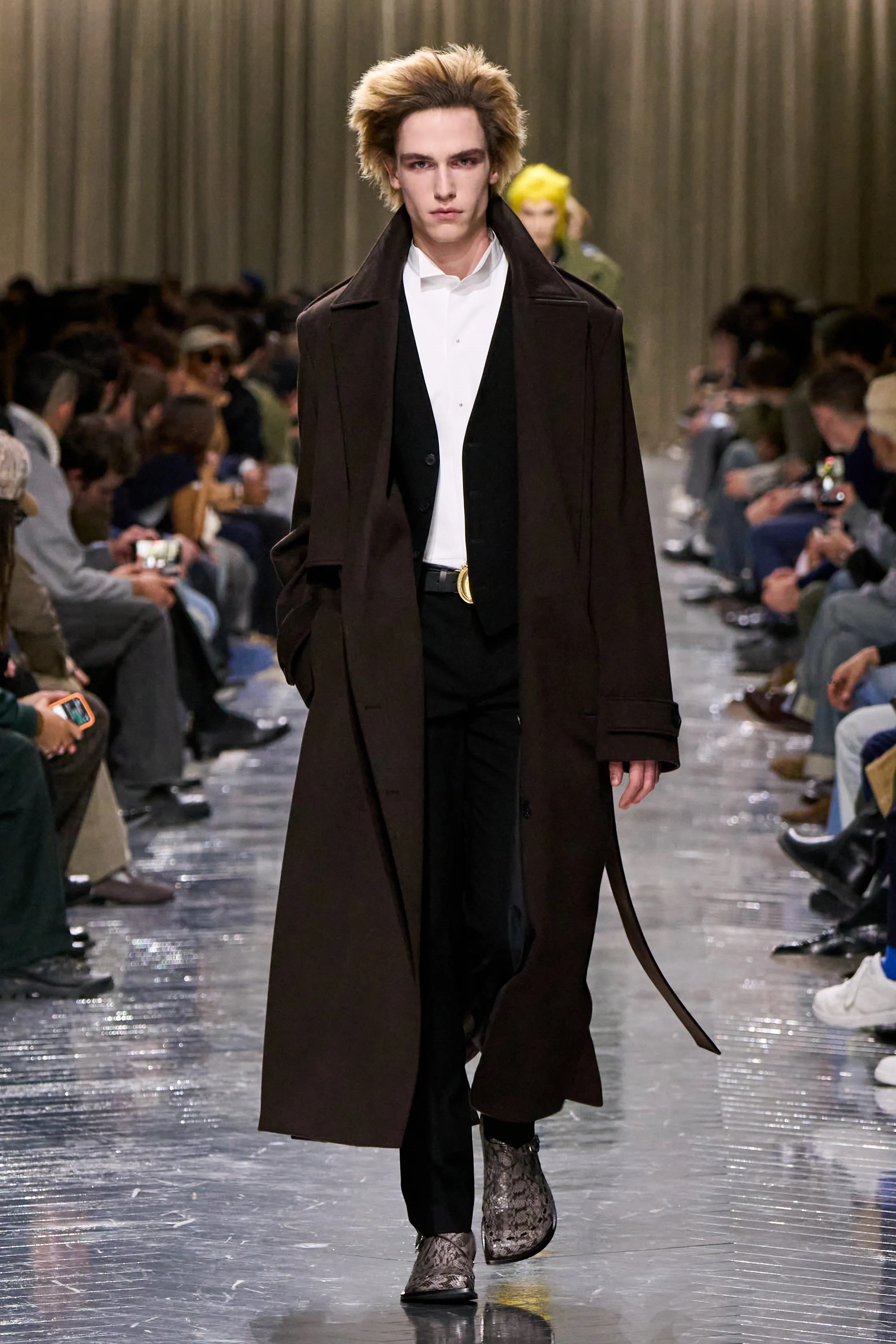
Styling carried much of the impact. Wigs crafted by Guido Palau, ruffled collars, and theatrical accessories injected personality and mood, but they also did a lot of camouflage. Without the staging, several pieces felt overly dependent on the idea behind them.
There were moments of interest and flashes of confidence. But Dior menswear is usually defined by clarity. This season felt restless - ambitious, busy, and unsure of where it wanted to land.
Jonathan Anderson looked to fashion history for fuel, citing Paul Poiret as a key point of inspiration. That sense of early-20th-century disruption - when dressing was about character and freedom rather than rules- ran through the show. In theory, it made sense. On the runway, it felt scattered.
And just for reference, Paul Poiret was one of the first true disruptors of modern fashion. Active in early 20th-century Paris, Poiret rejected corsetry, embraced looseness and theatricality, and treated clothing as a vehicle for personality rather than polish. He also pioneered the idea of fashion as spectacle, staging immersive presentations long before the modern runway existed.
The opening looks set the mood: embellished, archival-feeling sleeveless tops paired with slim-leg denim, logo belts, and chunky boots. The clash between old-world drama and modern casual was intentional, the contrast was sharp, but also confusing, and that tension ran through the entire show. Tailoring was pushed into awkward territory - jackets cropped too high, shoulders blown out, proportions distorted in ways that felt more distracting than directional.
Knitwear stretched down the body, sometimes to the ankles almost like a midi-dress, while puffers were sculpted into stiff, cocooned shapes. Coats arrived with decorative panels and dramatic cuffs that looked impressive standing still but felt cumbersome in motion. The craftsmanship was evident, but wearability seemed to take a back seat.
Styling carried much of the impact. Wigs crafted by Guido Palau, ruffled collars, and theatrical accessories injected personality and mood, but they also did a lot of camouflage. Without the staging, several pieces felt overly dependent on the idea behind them.
There were moments of interest and flashes of confidence. But Dior menswear is usually defined by clarity. This season felt restless - ambitious, busy, and unsure of where it wanted to land.

Must Reads
Must Reads


we are MOLTN
●
we are MOLTN
●
we are MOLTN
●
we are MOLTN
●
we are MOLTN
●
we are MOLTN
●
we are MOLTN
●
we are MOLTN
●
we are MOLTN
●
we are MOLTN
●
we are MOLTN
●
Subscribe to MOLTN

© We Are MOLTN
2026
we are MOLTN
●
we are MOLTN
●
we are MOLTN
●
we are MOLTN
●
we are MOLTN
●
we are MOLTN
●
we are MOLTN
●
we are MOLTN
●
we are MOLTN
●
we are MOLTN
●
we are MOLTN
●
Subscribe to MOLTN
© We Are MOLTN
2026
we are MOLTN
●
we are MOLTN
●
we are MOLTN
●
we are MOLTN
●
we are MOLTN
●
we are MOLTN
●
we are MOLTN
●
we are MOLTN
●
we are MOLTN
●
we are MOLTN
●
we are MOLTN
●
Subscribe to MOLTN
© We Are MOLTN
2026