
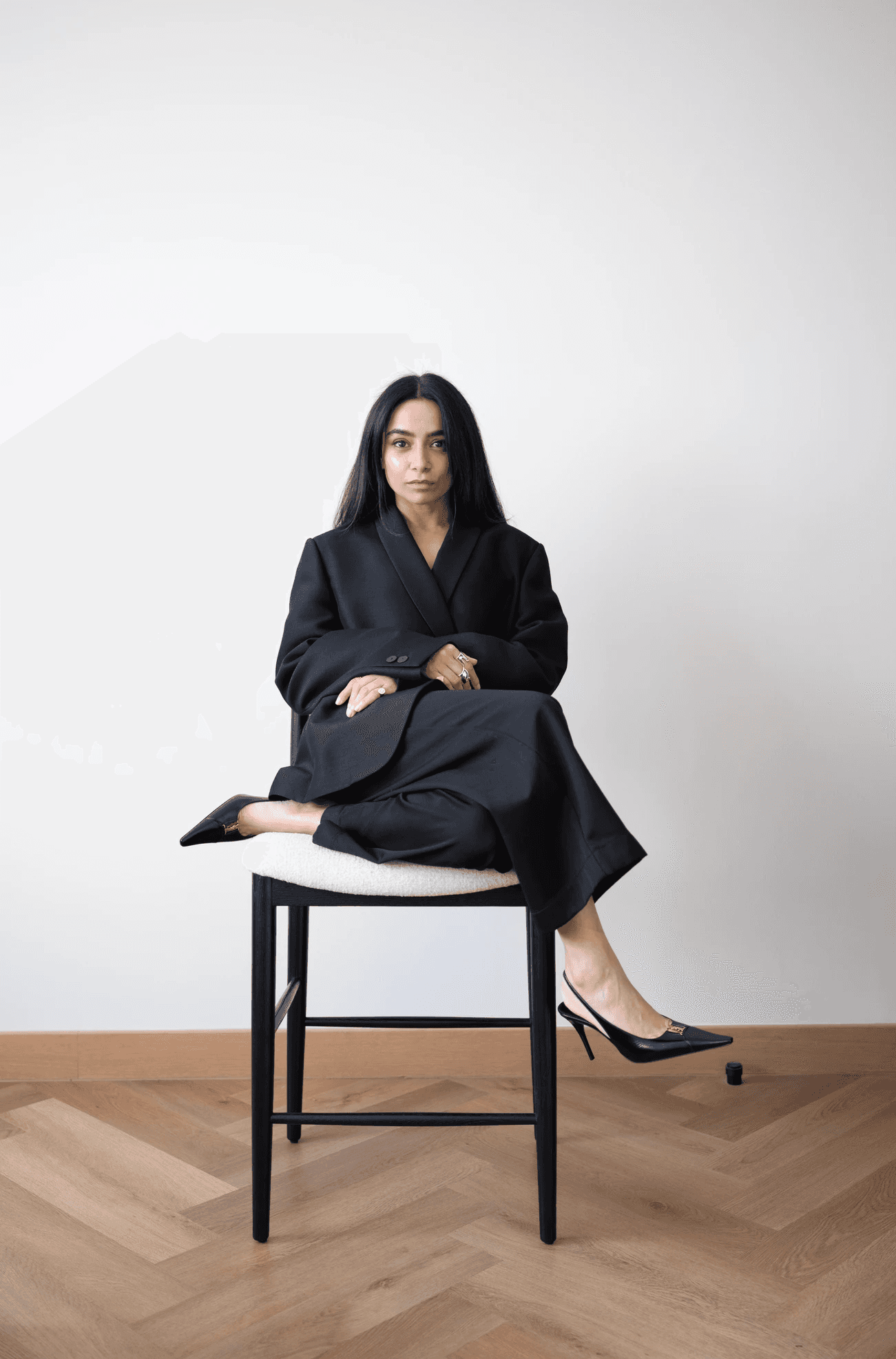

Tamanna Mullen on material honesty, modern Indian design and creating clothes that outlast trends.
There are designers who create clothes, and then there are designers who build a philosophy around the way we get dressed. Tamanna Mullen, founder of Arth Atelier, firmly belongs in the latter camp.
Named after the Sanskrit word arth - meaning purpose, essence and intention - the label has quietly carved out a space for itself through restrained tailoring, natural fibres and an unwavering commitment to material honesty. Rather than relying on the visual shorthand often expected of Indian fashion, Mullen looks deeper, allowing craftsmanship, process and thoughtful construction to speak louder than embellishment.
In this conversation with MOLTN, she reflects on growing up between Punjab, Delhi and the diaspora, why the word "craft" deserves a broader definition, how childhood memories continue to shape her creative process and why the most powerful clothes are the ones that outlive trends. The result is a thoughtful exploration of identity, design and building a wardrobe - and a brand - with lasting meaning.
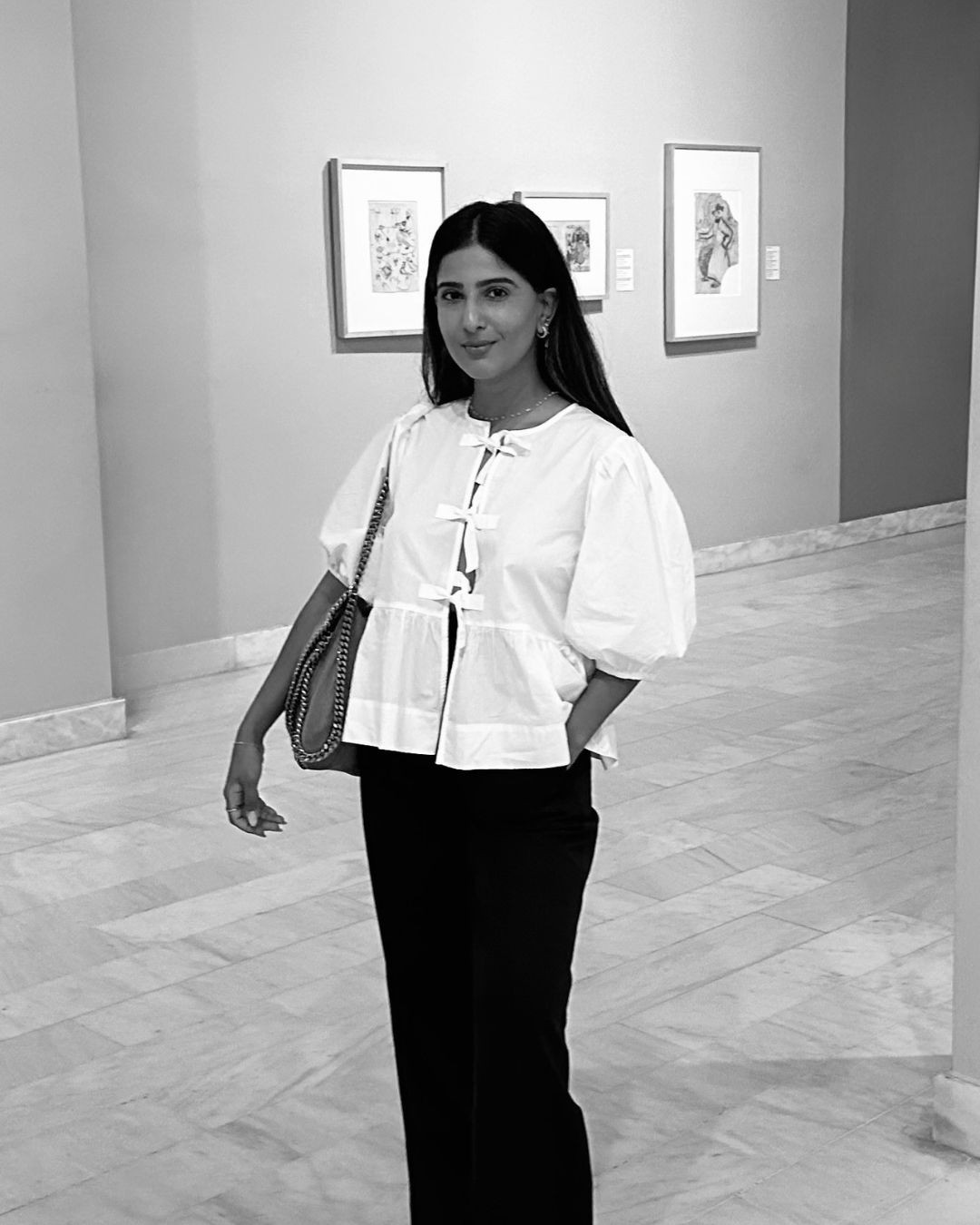
Let’s begin with the name. What does Arth Atelier mean, and what did you want the label to stand for from the very beginning?
“Arth” means meaning, essence, or purpose in Sanskrit. I wanted the name to signal that the work is about more than just clothing - something that stood for intention, narrative, and discernment. I wanted Arth Atelier to stand for considered design from the start: pieces rooted in material honesty that speak a contemporary, global language.
Was there a particular moment when the idea for Arth Atelier became something you knew you had to pursue?
There wasn’t one dramatic moment so much as a series of realisations. Being born in Punjab, to a mum obsessed with garment-making - sewing and knitting pieces for me from a very young age - I grew up deeply aware of textiles and agriculture. After years working in corporate fashion, I kept feeling increasingly disconnected from the questions I cared about: where things come from, how they’re made, who makes them, and what they mean. At a certain point, I realised that if I didn’t build something that aligned with those values, I wouldn’t feel fulfilled in the industry at all. That clarity made the decision easier.
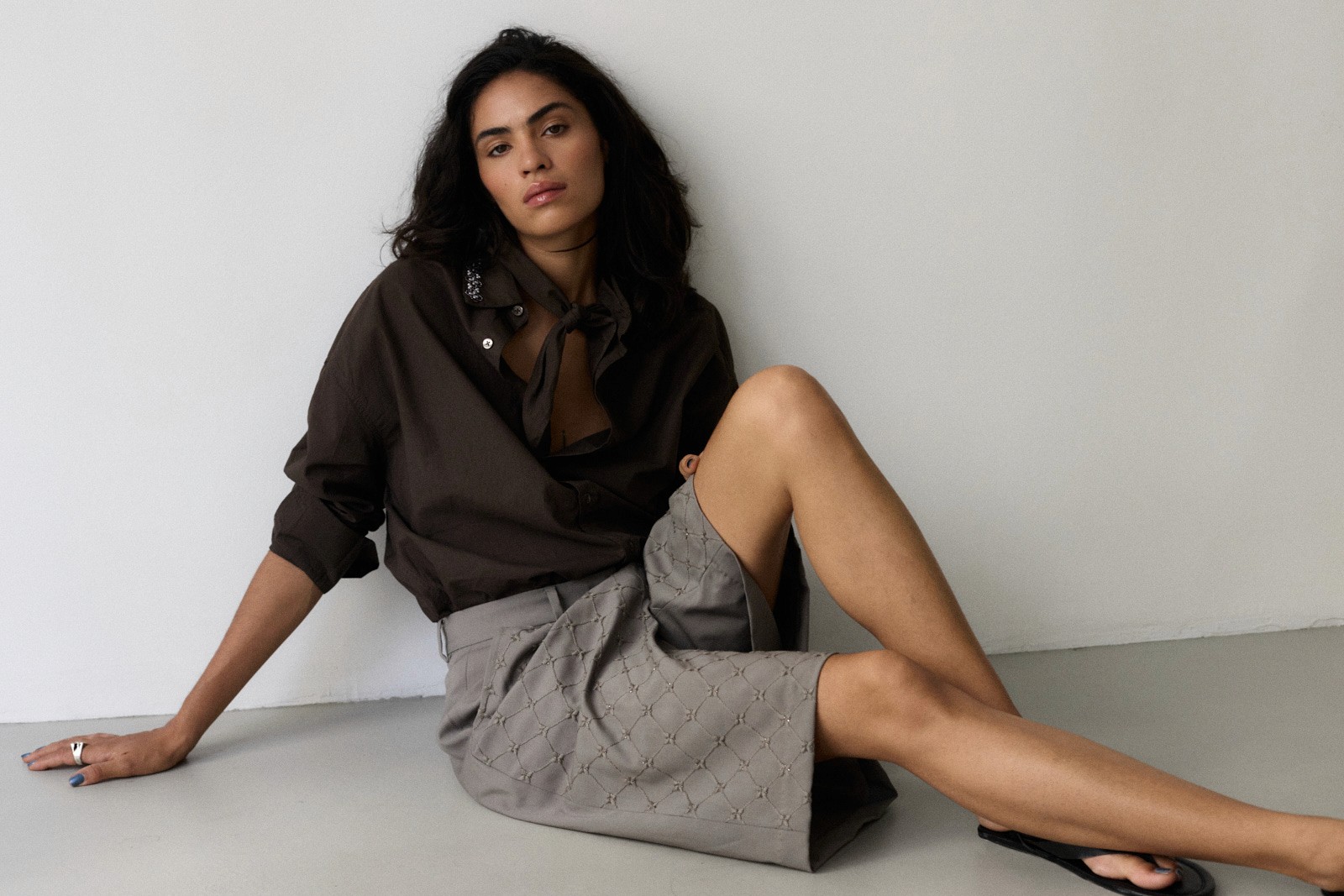
Arth Atelier feels rooted in Indian craft while speaking a distinctly contemporary design language. How do you honour where you come from without feeling bound by traditional ideas of what Indian fashion should look like?
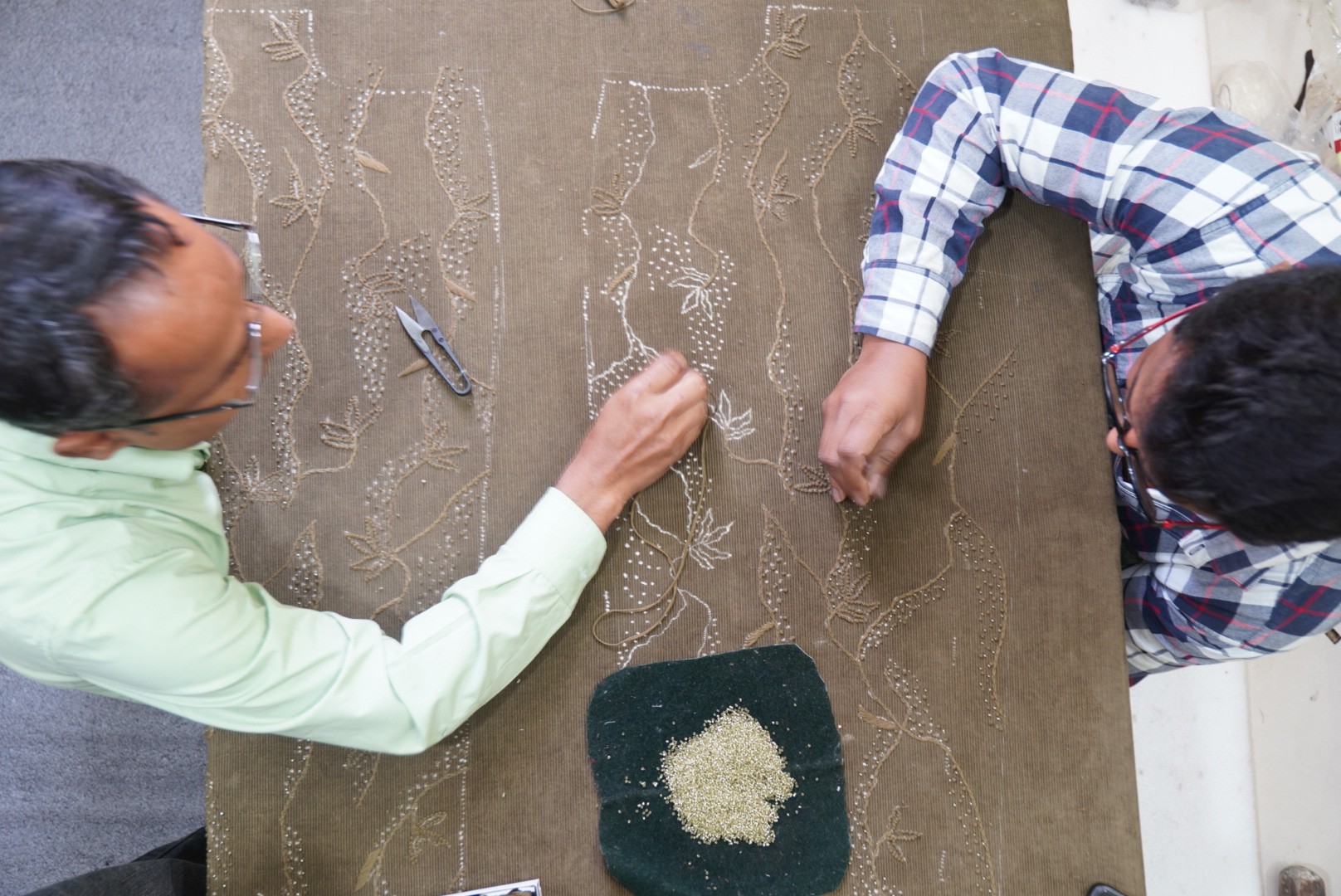
For a long time, the global eye has expected Indian fashion to announce its heritage loudly through heavy surface embellishment or occasion wear. That always felt disconnected from how I experienced India. I honour my roots by looking at the foundation rather than the surface. I learned to look at clothes from the fiber up, honouring master tailoring, and making things slowly, by hand. I also let the craft, the materials, and the way people actually live inform the language. That naturally produces something that feels Indian in spirit, without being stereotypical.
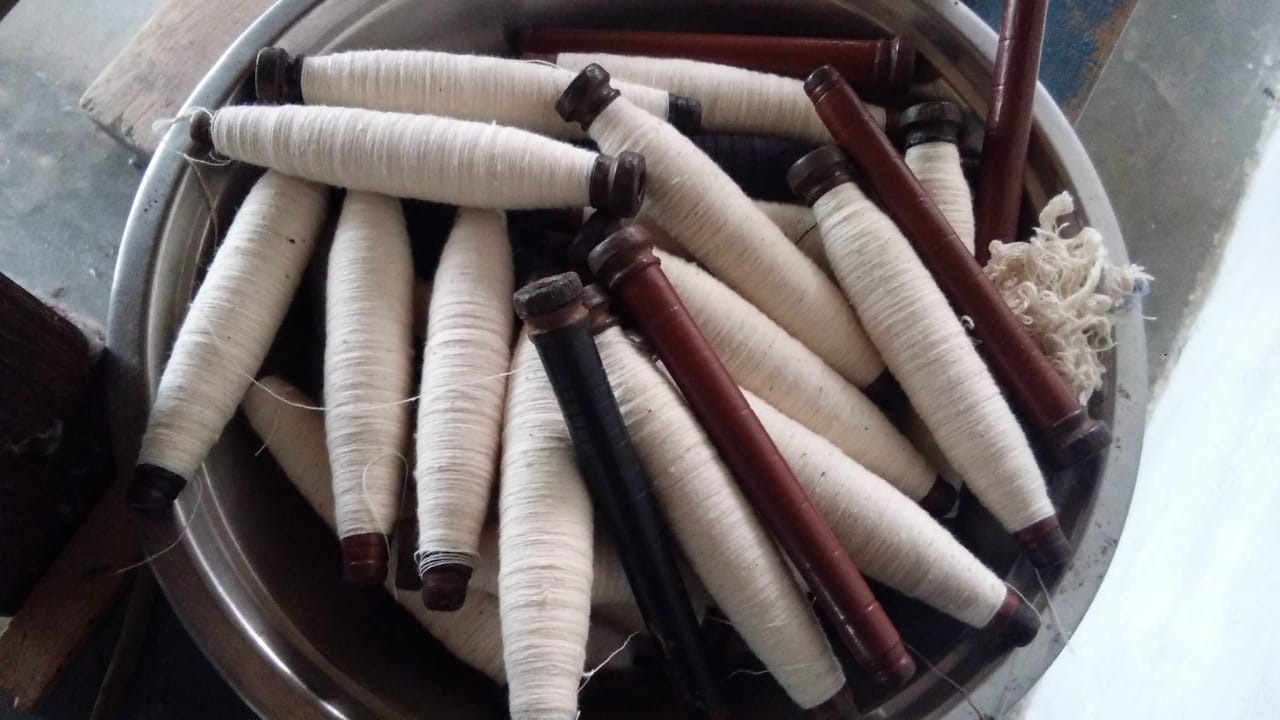
Culture can reveal itself through memory, instinct, technique or even the way we understand beauty. Where does your own cultural identity show up most naturally in your work?
I think culture is intrinsic to every decision I make. In the way I think about fabric, the importance of process, and a certain emotional tone: introspective, layered, not performative. Growing up between Punjab, Delhi, and the diaspora, and having now moved six different times, I’ve always been curious about belonging and translation - how you carry one place into another, how you feel so deeply rooted yet don’t fit neatly into one box. That tension between roots and movement, between structure and fluidity, is very present in the work.
How would you describe the Arth Atelier design language in your own words - and what do you hope someone feels when wearing one of your pieces?
I’d describe it as anchored minimalism with a tactile, artisanal core. There’s a strong menswear influence - restraint, functionality, and understated authority - softened by handwork, natural fibres, and a consideration for how the body moves. There’s also a certain monotone discipline in my use of colour. I was never a “big bling” person, I like when simple things feel powerful. I want someone wearing Arth to feel grounded, at ease, and slightly removed from the noise. Like they’re dressed for themselves first.
Indian fashion is often expected to announce its Indianness through colour, embellishment or occasion wear. Does Arth Atelier consciously challenge those expectations?
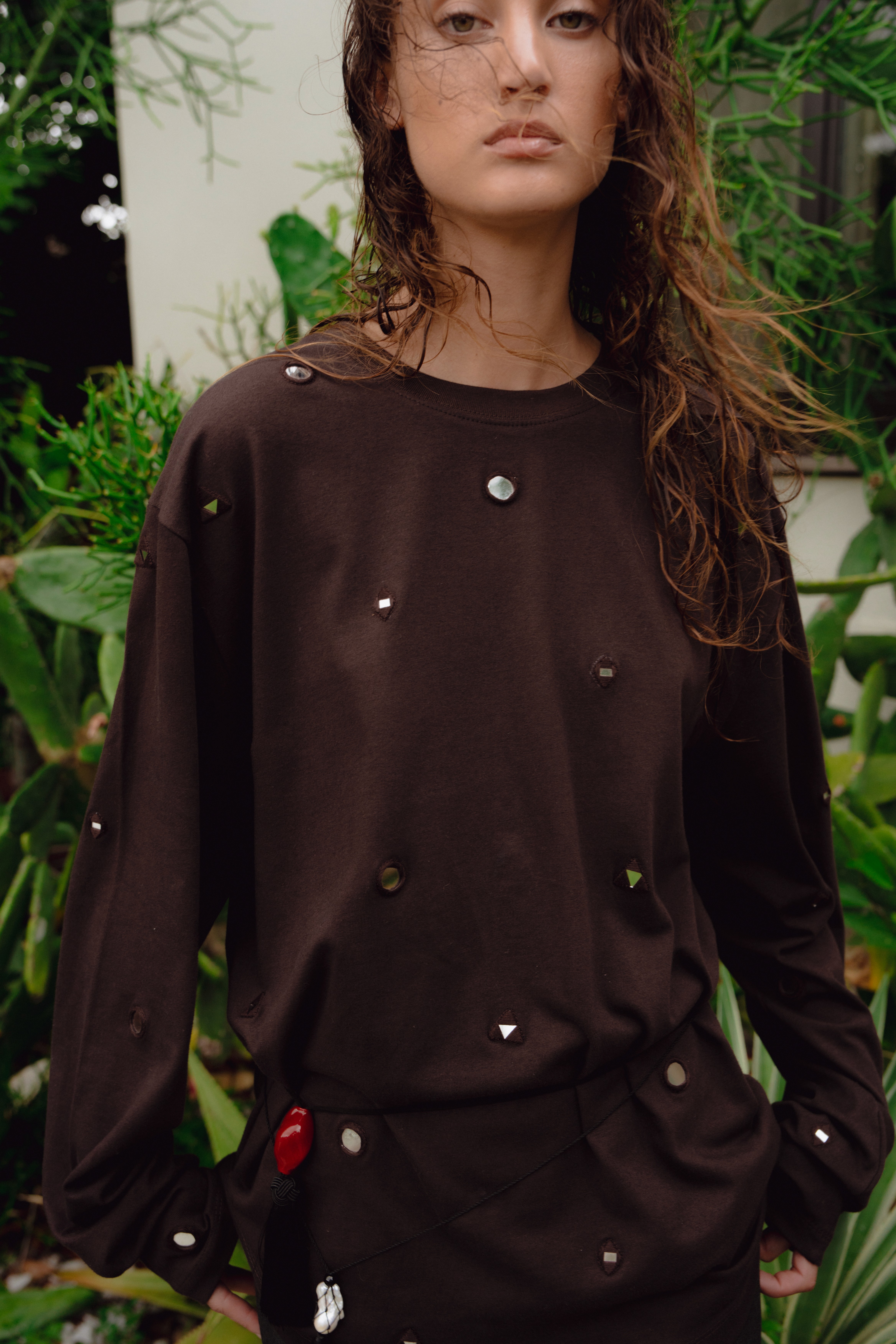
Yes, very deliberately. I’m interested in a different kind of Indian fashion - one that doesn’t announce itself through obvious signifiers but through material intelligence, tailoring, and a certain worldview. The work is more about texture than ornament, about subtlety over spectacle. I’d rather someone notice the way a garment is constructed or how it feels than immediately clock it as “Indian”.
Craft is central to so many conversations around Indian fashion, but the word itself can sometimes feel overused. What does craftsmanship genuinely mean to you, and how does it shape the way Arth Atelier creates?
Yes, indeed. I struggle with this actually. The word “craft” can mean so many things, but it’s used so specifically - especially with South Asian brands - that it often gets reduced to embellishment. At times, it feels as though that’s the only thing we were allowed to “own”, and that makes me really mad and uneasy, because there is so much more to craft. So I try to distill, and constantly challenge my own self on what craft means for the brand and its visual language. To me, craftsmanship is attention. It’s in the intentional decisions made by generational experts and garment-workers. I don’t think anyone buys a piece just because it’s embroidered well, the whole thing has to matter - how the fabric is woven, how the silhouette is cut, the tailoring, the handwork. That’s why I’m so passionate about sharing the provenance journey of each garment. There is so much beauty in garment-making, embroidery and beyond.
What does the beginning of a collection look like for you? Does it start with a fabric, a silhouette, a feeling, a reference - or something entirely unexpected?
It almost always starts with materials. I work with an intentionally small palette of responsible, natural, traceable fibres and fabrics, and then ask: what can I make with these? That constraint becomes the creative engine. From there, I layer in references - nature, architecture, women I look up to, personal memory - and let the silhouettes emerge. The feeling I want the collection to carry is usually clear early on, but the clothes themselves grow out of the materials.
Who is the Arth Atelier woman? Not necessarily where she lives or what she does, but how does she move through the world?
To me, she's self-assured, introspective, non-conforming, layered, deeply attuned to her environment and highly discerning about what she lets into her life - and her wardrobe. She understands that there is an immense, understated sensuality in oversized proportions and structured tailoring. She carries a mix of inner conviction and cultural depth and she isn’t dressing for the male gaze or for external validation. (Much like what I know about you, Amrita).
Fashion is constantly chasing the next thing, but Arth Atelier feels more interested in longevity. How do you create pieces that feel relevant now without designing around trends that may quickly pass?
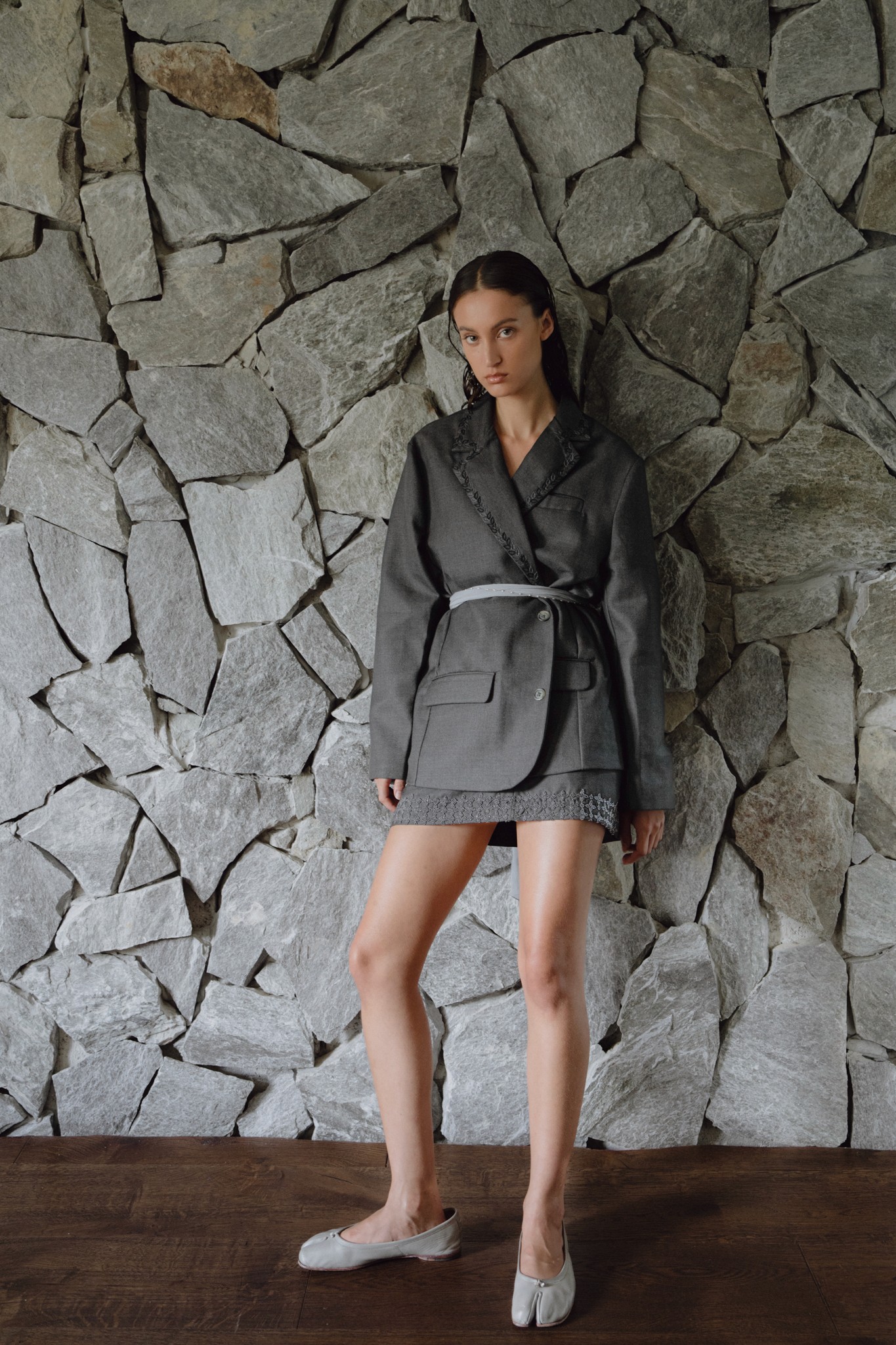
I think the most sustainable thing you can do is create (and buy) timeless, versatile pieces. There is no point in creating an extravagant silhouette that someone only wears once. I think again this goes back to my upbringing where clothes were often passed down. I wore my mum's doli saree for my chooda ceremony (morning of my wedding), and that was the most beautiful, fulfilling piece of clothing I have ever worn. I want to create that same feeling of emotional resonance with contemporary pieces, so I avoid trend-driven shapes altogether and instead focus on pieces that could sit in a wardrobe for years and still make sense. Versatility is also key. Our asymmetric shirt can be worn two different ways; our scarf shirt has a detachable collar and scarf, so it can really be worn four different ways. Relevance, for me, comes from resonance and wearability, not from being “of the moment”.
What is the most unexpected place you’ve found inspiration recently?
This is going to sound a bit wild or less "research"-driven, but in a world flooded by stimulus, I tend to get most inspired looking at childhood photos from home - both my own, and others across the diaspora. Maybe they remind me of a slower time, or of a more intentional, less hamster-wheel lifestyle. But whenever I feel creatively drained, I open up old images. I love seeing how people dressed, how less is always more, and how a garment carries memory. There’s a certain kind of honesty in those images - like an unselfconscious ease - that I’m always trying to bring back into the work. Archival inspiration, whether in personal memories, vintage objects, or visual references, will always be my purest creative source.
Finish the sentence: You know you’re an Arth Atelier woman when…
You've been borrowing from the boys.
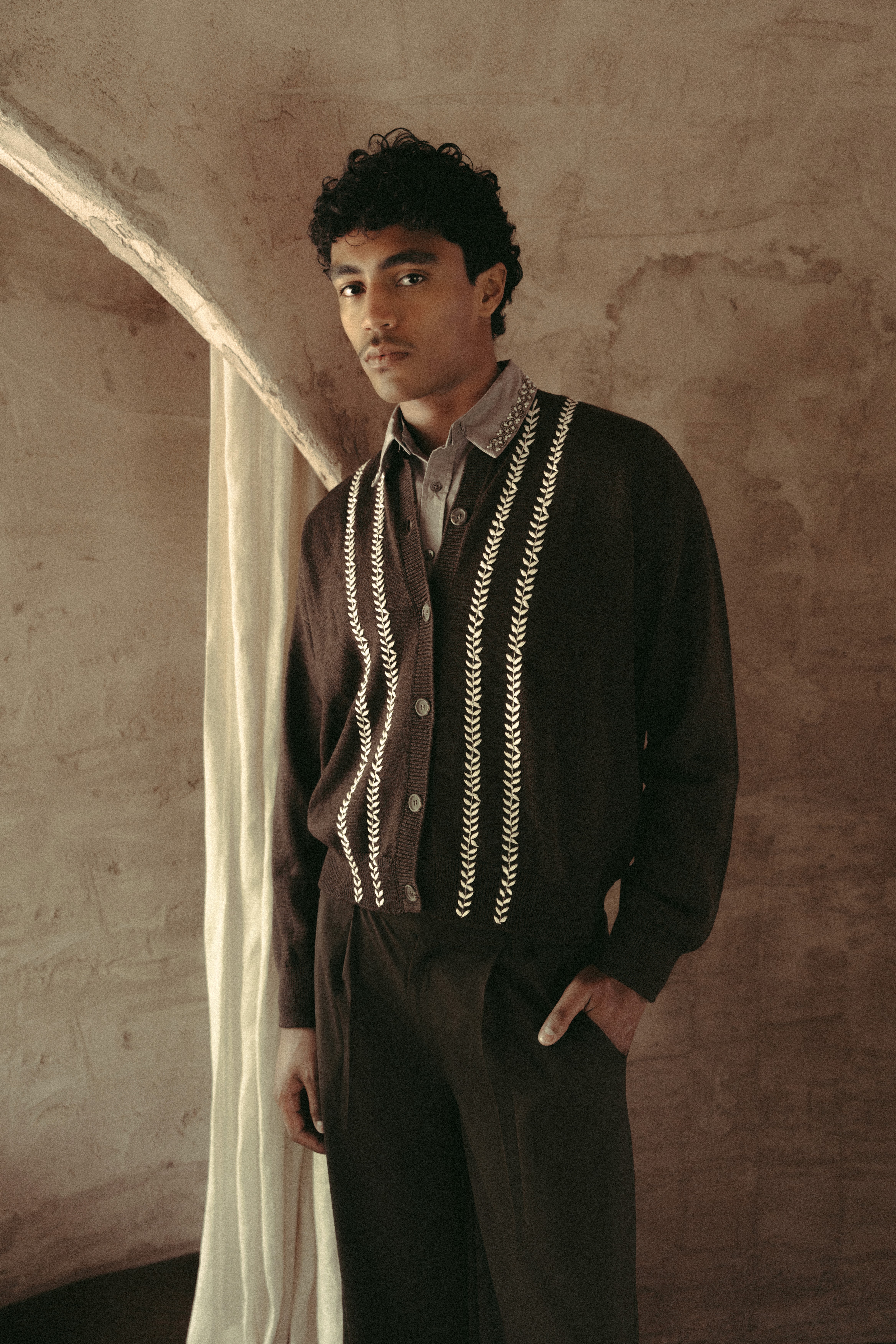
If someone were discovering Arth Atelier for the first time, which piece would you introduce them to - and why?
Probably the tailored wool jorts or the merino wool cardigan. They both encapsulate the brand language: relaxed cuts, natural fibres, subtle handwork, and an ease that works across contexts. They’re pieces that feel elevated but liveable - something you can build a wardrobe around.
Lastly, what are your 5 favourite pieces from the current collection? Tell us what you love about each one, the detail we shouldn’t miss and how you would personally style it.
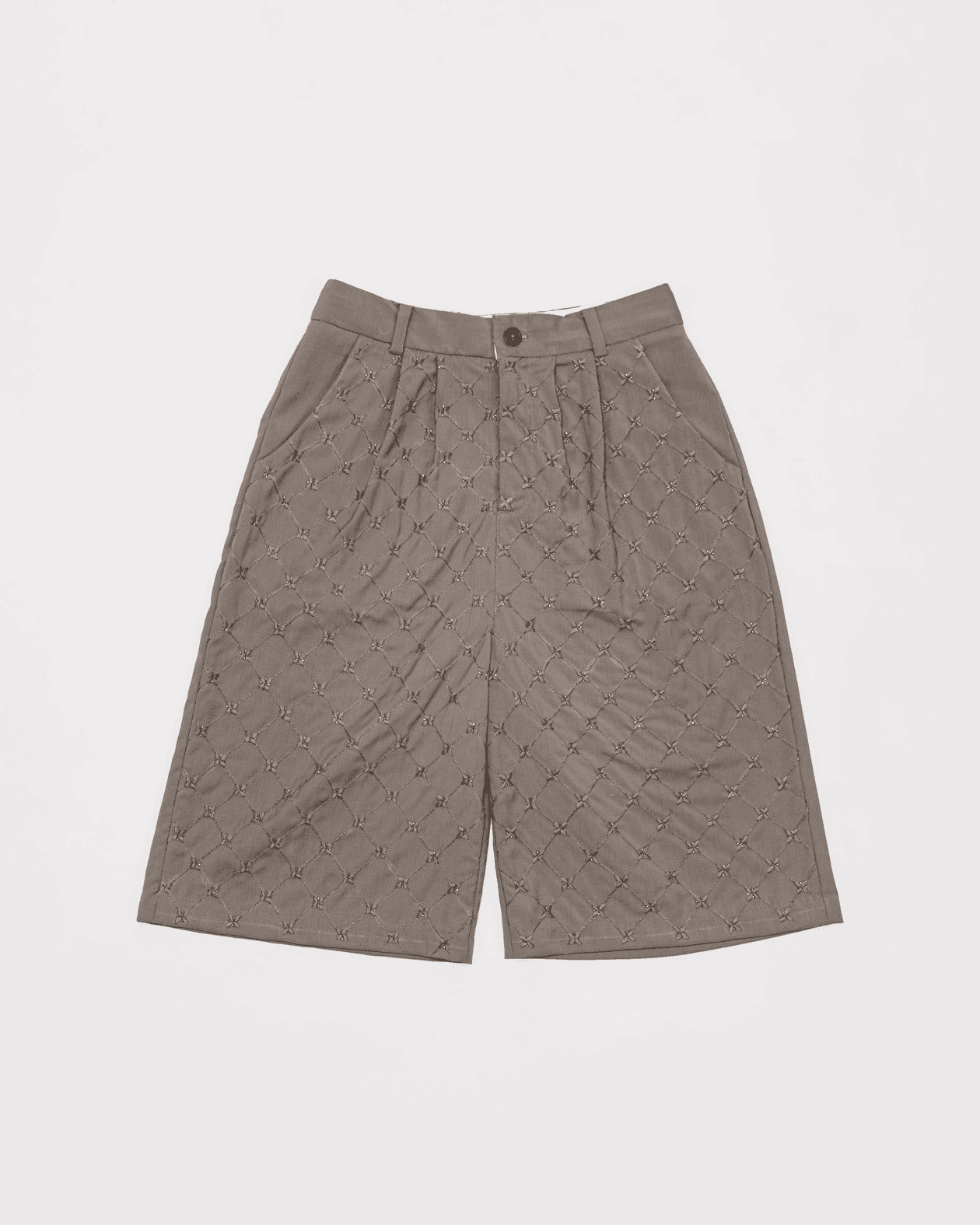
Embroidered Wool Jorts
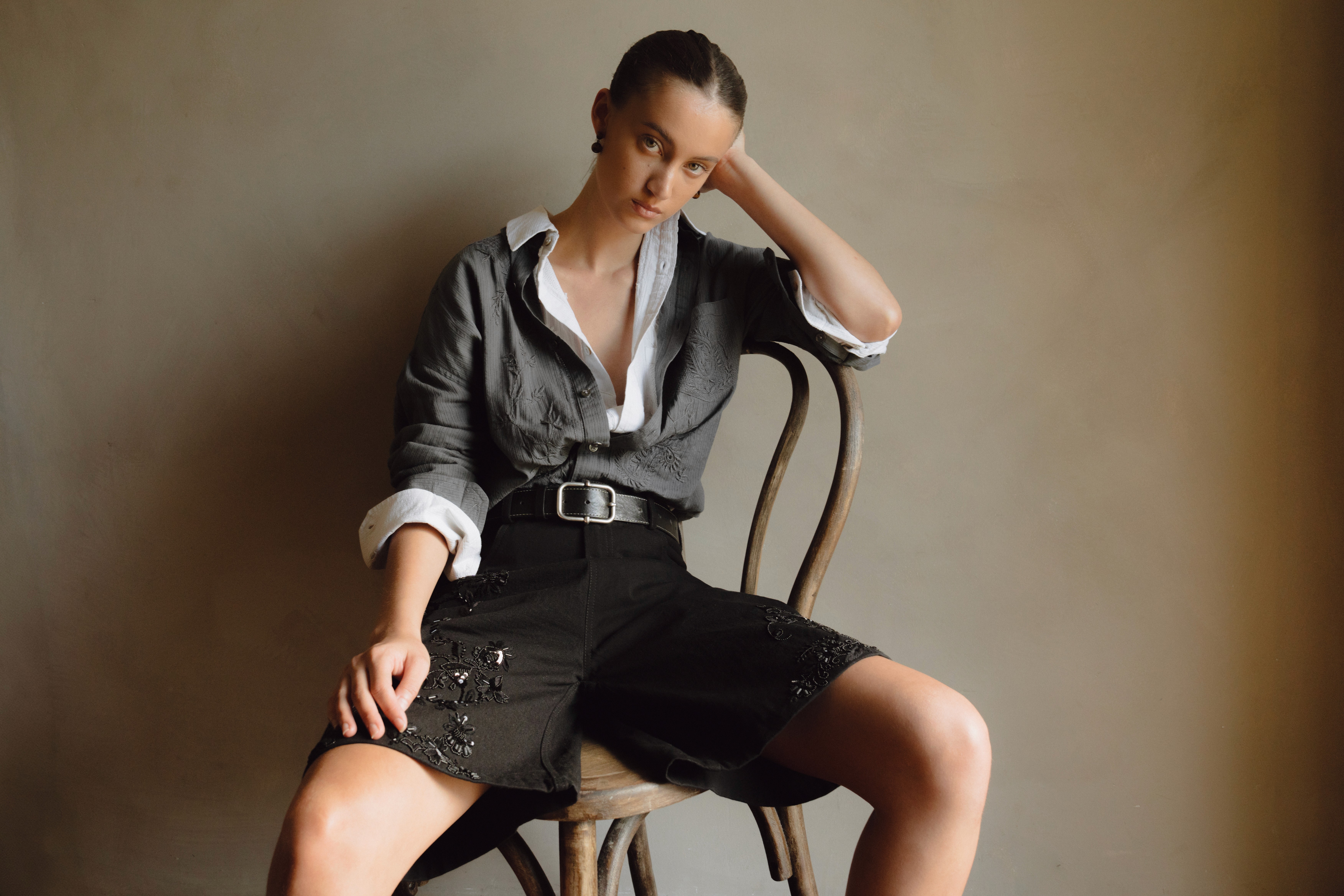
I love how these jorts balance structure and softness. They’re cut from a trans-seasonal wool traditionally used for suiting; the embroidery is hand-placed and inspired by an old European tile pattern that I discovered. I’d style them with a crisp white shirt and loafers for day, or with a tailored blazer and heels at night.
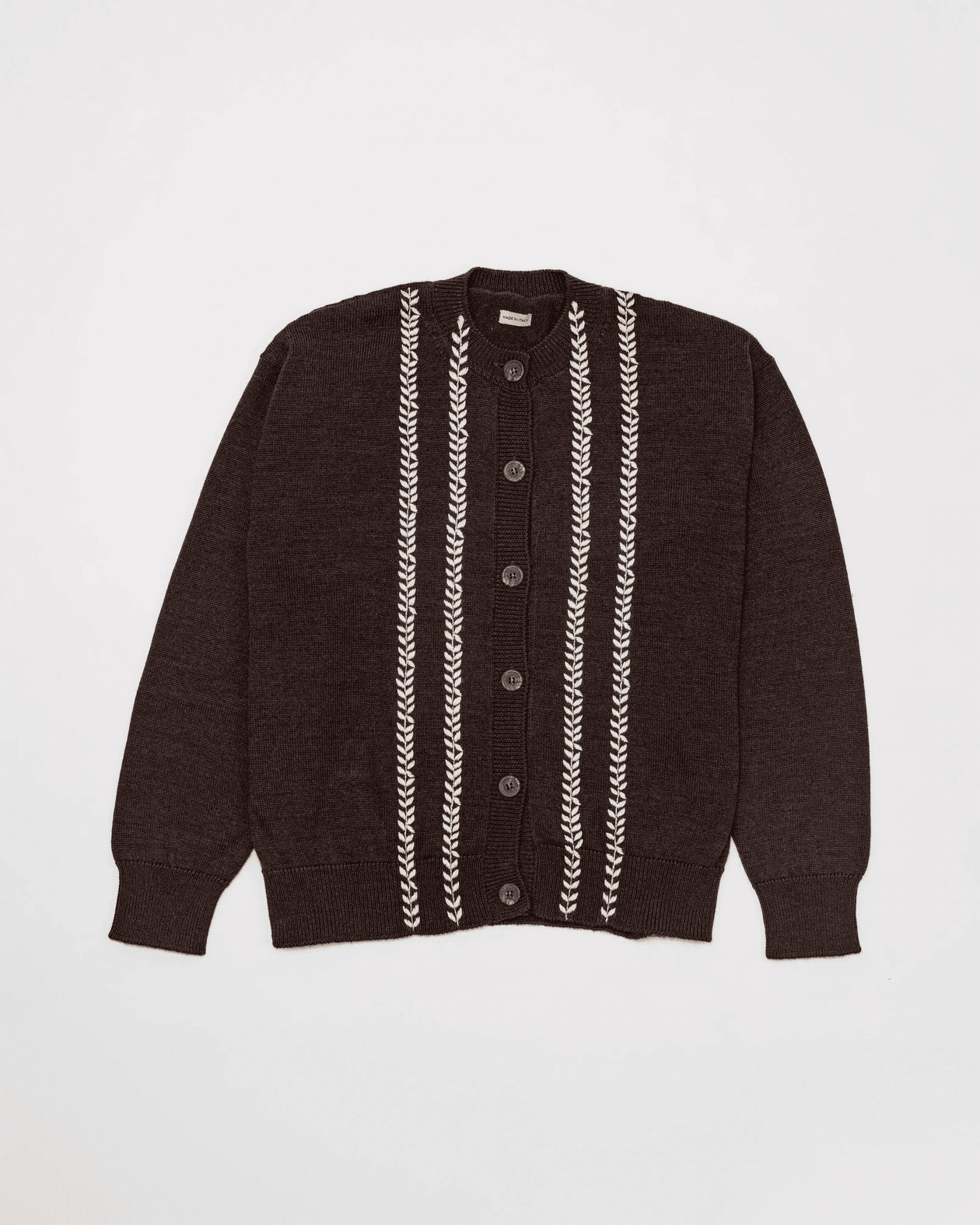
Merino Wool Cardigan
This cardigan is made out of ethically-raised wool from regenerative farms in Uruguay, knitted in Italy, and hand-embroidered in India. It is intentionally gender-fluid; we photograph it on both women and men to show how it moves across bodies. I'd wear it open over a vest and wide-leg pants, or buttoned as a top with jeans.
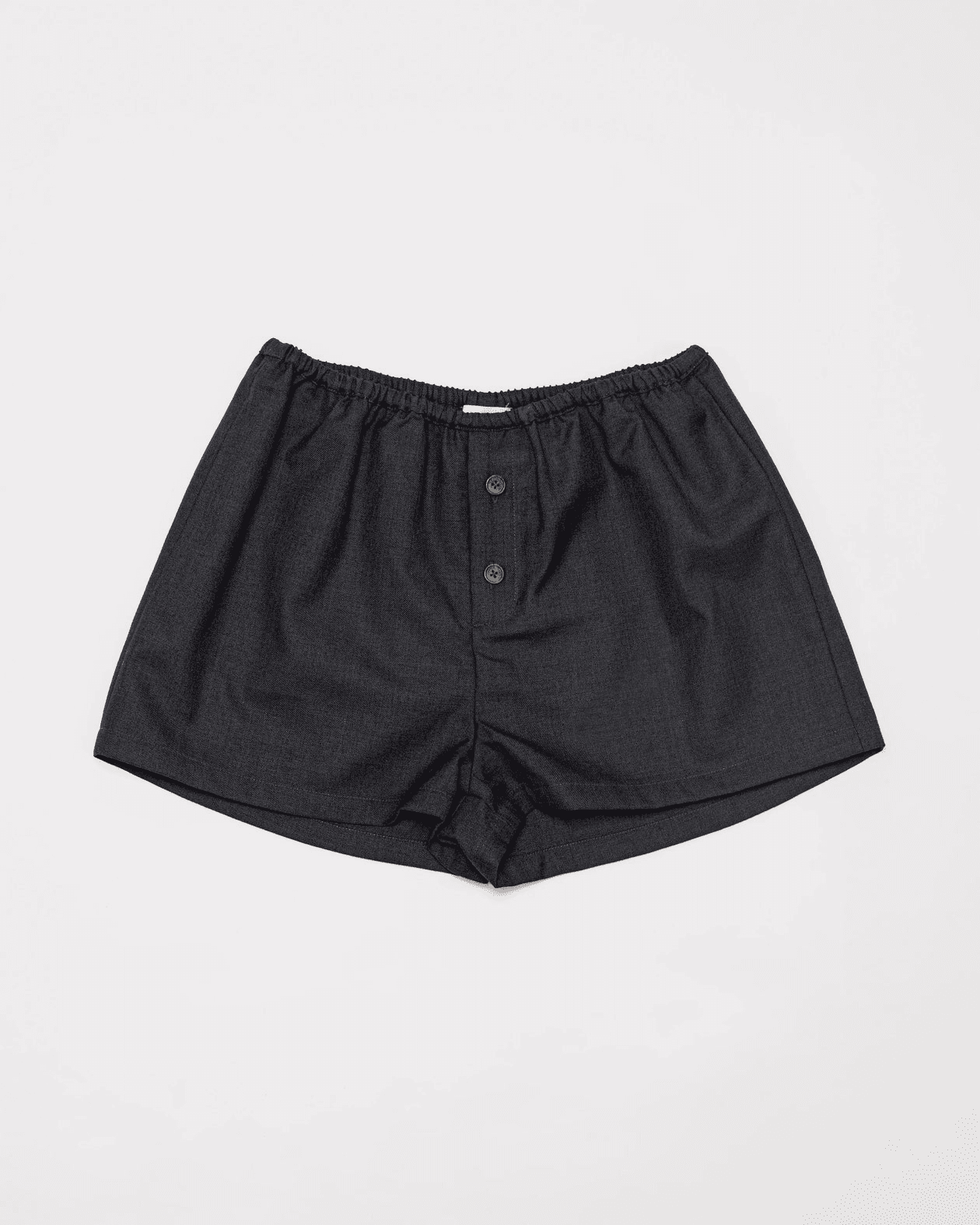
Mini Wool Boxers
These boxers are such a simple piece that articulates a lot of the brand’s DNA - organic wool fabric, a menswear boxer-inspired silhouette with a curved hem, and ease through the leg that feels super minimal, versatile, yet statement. I'd style them with a fitted tee or tank, white socks and a fav pair of sneakers.
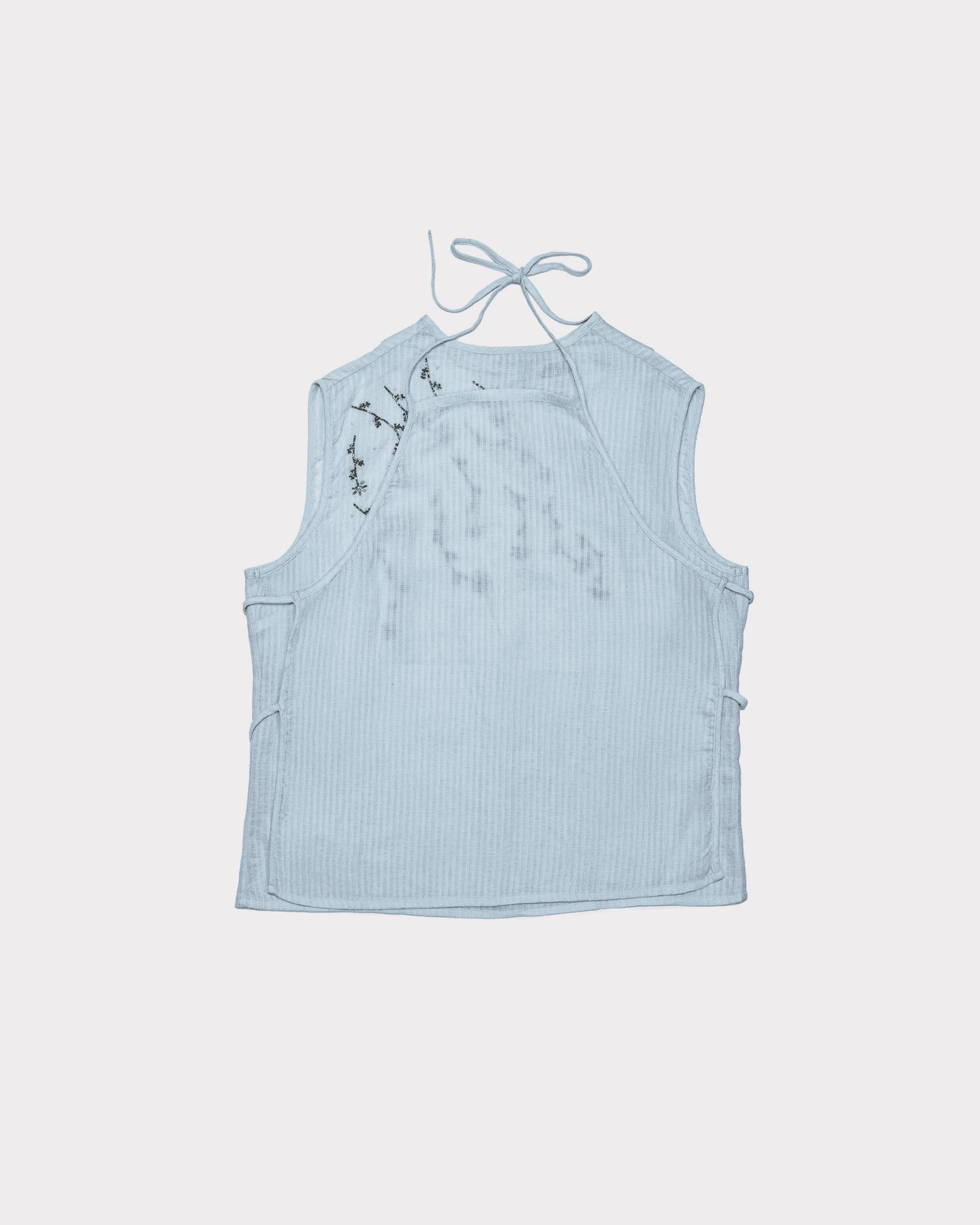
Layered Apron Top
This double-layered top is cut from banana fiber, which has this beautiful, slightly textured surface that reads both modern and organic. There is hand-embroidered detailing on the base top finished with stacked mother-of-pearl buttons on the back that feel very 90's. I'd style these very simply with wide leg culottes and loafers.
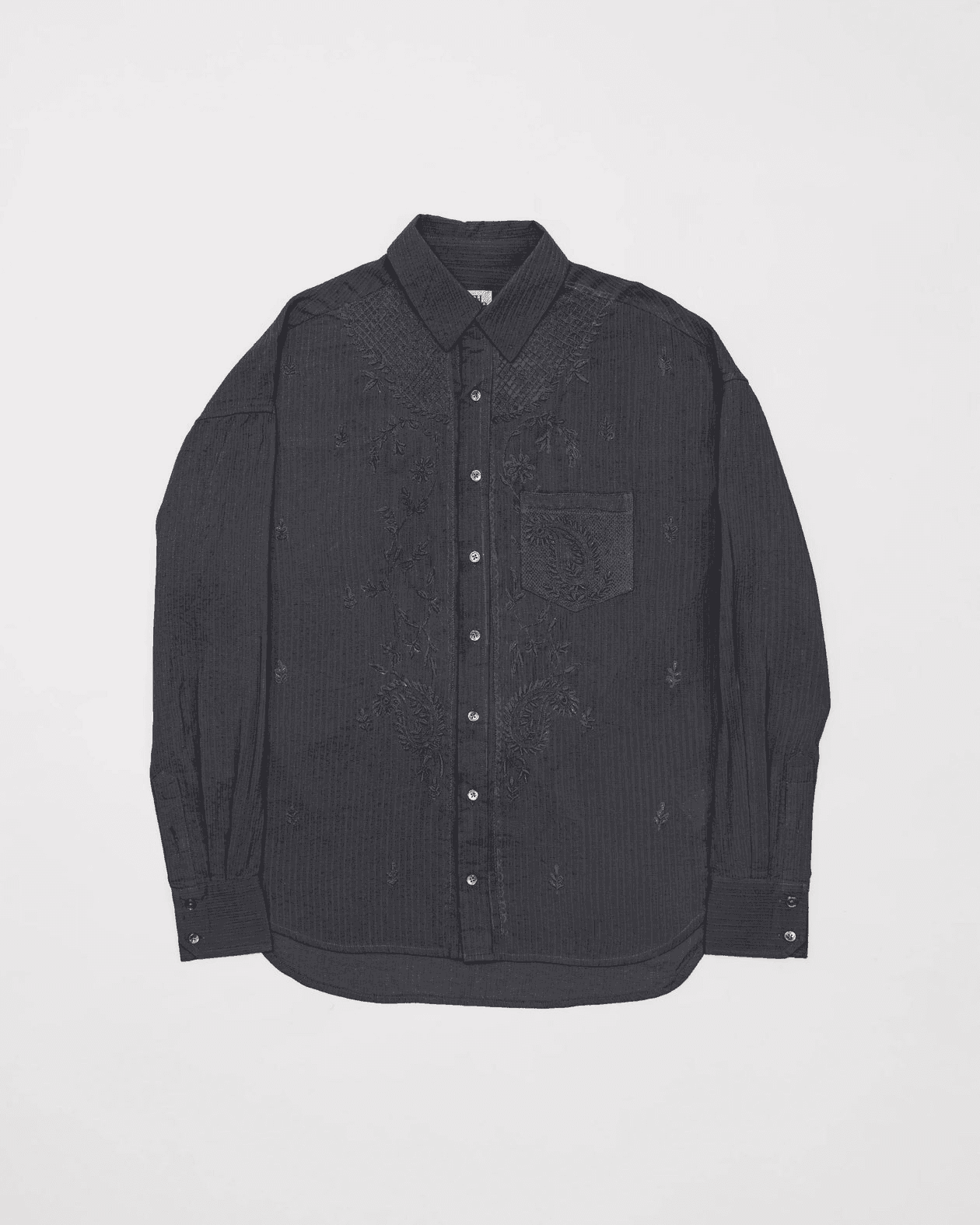
Tailored Chikankari Shirt
This is also made from banana fiber. I really loved creating pieces using a fabric which repurposes crop waste. The shirt contrasts a classic menswear cut with delicate handwork. The tonal embroidery is done in Lucknow by a group of women who used to work for an artisanal NGO before it was diluted during COVID; the director now employs these women as an independent artisanal cluster. I’d style it with jorts and a pair of thong sandals.
Shop ARTH Atelier here.
There are designers who create clothes, and then there are designers who build a philosophy around the way we get dressed. Tamanna Mullen, founder of Arth Atelier, firmly belongs in the latter camp.
Named after the Sanskrit word arth - meaning purpose, essence and intention - the label has quietly carved out a space for itself through restrained tailoring, natural fibres and an unwavering commitment to material honesty. Rather than relying on the visual shorthand often expected of Indian fashion, Mullen looks deeper, allowing craftsmanship, process and thoughtful construction to speak louder than embellishment.
In this conversation with MOLTN, she reflects on growing up between Punjab, Delhi and the diaspora, why the word "craft" deserves a broader definition, how childhood memories continue to shape her creative process and why the most powerful clothes are the ones that outlive trends. The result is a thoughtful exploration of identity, design and building a wardrobe - and a brand - with lasting meaning.
Let’s begin with the name. What does Arth Atelier mean, and what did you want the label to stand for from the very beginning?
“Arth” means meaning, essence, or purpose in Sanskrit. I wanted the name to signal that the work is about more than just clothing - something that stood for intention, narrative, and discernment. I wanted Arth Atelier to stand for considered design from the start: pieces rooted in material honesty that speak a contemporary, global language.
Was there a particular moment when the idea for Arth Atelier became something you knew you had to pursue?
There wasn’t one dramatic moment so much as a series of realisations. Being born in Punjab, to a mum obsessed with garment-making - sewing and knitting pieces for me from a very young age - I grew up deeply aware of textiles and agriculture. After years working in corporate fashion, I kept feeling increasingly disconnected from the questions I cared about: where things come from, how they’re made, who makes them, and what they mean. At a certain point, I realised that if I didn’t build something that aligned with those values, I wouldn’t feel fulfilled in the industry at all. That clarity made the decision easier.
Arth Atelier feels rooted in Indian craft while speaking a distinctly contemporary design language. How do you honour where you come from without feeling bound by traditional ideas of what Indian fashion should look like?
For a long time, the global eye has expected Indian fashion to announce its heritage loudly through heavy surface embellishment or occasion wear. That always felt disconnected from how I experienced India. I honour my roots by looking at the foundation rather than the surface. I learned to look at clothes from the fiber up, honouring master tailoring, and making things slowly, by hand. I also let the craft, the materials, and the way people actually live inform the language. That naturally produces something that feels Indian in spirit, without being stereotypical.
Culture can reveal itself through memory, instinct, technique or even the way we understand beauty. Where does your own cultural identity show up most naturally in your work?
I think culture is intrinsic to every decision I make. In the way I think about fabric, the importance of process, and a certain emotional tone: introspective, layered, not performative. Growing up between Punjab, Delhi, and the diaspora, and having now moved six different times, I’ve always been curious about belonging and translation - how you carry one place into another, how you feel so deeply rooted yet don’t fit neatly into one box. That tension between roots and movement, between structure and fluidity, is very present in the work.
How would you describe the Arth Atelier design language in your own words - and what do you hope someone feels when wearing one of your pieces?
I’d describe it as anchored minimalism with a tactile, artisanal core. There’s a strong menswear influence - restraint, functionality, and understated authority - softened by handwork, natural fibres, and a consideration for how the body moves. There’s also a certain monotone discipline in my use of colour. I was never a “big bling” person, I like when simple things feel powerful. I want someone wearing Arth to feel grounded, at ease, and slightly removed from the noise. Like they’re dressed for themselves first.
Indian fashion is often expected to announce its Indianness through colour, embellishment or occasion wear. Does Arth Atelier consciously challenge those expectations?
Yes, very deliberately. I’m interested in a different kind of Indian fashion - one that doesn’t announce itself through obvious signifiers but through material intelligence, tailoring, and a certain worldview. The work is more about texture than ornament, about subtlety over spectacle. I’d rather someone notice the way a garment is constructed or how it feels than immediately clock it as “Indian”.
Craft is central to so many conversations around Indian fashion, but the word itself can sometimes feel overused. What does craftsmanship genuinely mean to you, and how does it shape the way Arth Atelier creates?
Yes, indeed. I struggle with this actually. The word “craft” can mean so many things, but it’s used so specifically - especially with South Asian brands - that it often gets reduced to embellishment. At times, it feels as though that’s the only thing we were allowed to “own”, and that makes me really mad and uneasy, because there is so much more to craft. So I try to distill, and constantly challenge my own self on what craft means for the brand and its visual language. To me, craftsmanship is attention. It’s in the intentional decisions made by generational experts and garment-workers. I don’t think anyone buys a piece just because it’s embroidered well, the whole thing has to matter - how the fabric is woven, how the silhouette is cut, the tailoring, the handwork. That’s why I’m so passionate about sharing the provenance journey of each garment. There is so much beauty in garment-making, embroidery and beyond.
What does the beginning of a collection look like for you? Does it start with a fabric, a silhouette, a feeling, a reference - or something entirely unexpected?
It almost always starts with materials. I work with an intentionally small palette of responsible, natural, traceable fibres and fabrics, and then ask: what can I make with these? That constraint becomes the creative engine. From there, I layer in references - nature, architecture, women I look up to, personal memory - and let the silhouettes emerge. The feeling I want the collection to carry is usually clear early on, but the clothes themselves grow out of the materials.
Who is the Arth Atelier woman? Not necessarily where she lives or what she does, but how does she move through the world?
To me, she's self-assured, introspective, non-conforming, layered, deeply attuned to her environment and highly discerning about what she lets into her life - and her wardrobe. She understands that there is an immense, understated sensuality in oversized proportions and structured tailoring. She carries a mix of inner conviction and cultural depth and she isn’t dressing for the male gaze or for external validation. (Much like what I know about you, Amrita).
Fashion is constantly chasing the next thing, but Arth Atelier feels more interested in longevity. How do you create pieces that feel relevant now without designing around trends that may quickly pass?
I think the most sustainable thing you can do is create (and buy) timeless, versatile pieces. There is no point in creating an extravagant silhouette that someone only wears once. I think again this goes back to my upbringing where clothes were often passed down. I wore my mum's doli saree for my chooda ceremony (morning of my wedding), and that was the most beautiful, fulfilling piece of clothing I have ever worn. I want to create that same feeling of emotional resonance with contemporary pieces, so I avoid trend-driven shapes altogether and instead focus on pieces that could sit in a wardrobe for years and still make sense. Versatility is also key. Our asymmetric shirt can be worn two different ways; our scarf shirt has a detachable collar and scarf, so it can really be worn four different ways. Relevance, for me, comes from resonance and wearability, not from being “of the moment”.
What is the most unexpected place you’ve found inspiration recently?
This is going to sound a bit wild or less "research"-driven, but in a world flooded by stimulus, I tend to get most inspired looking at childhood photos from home - both my own, and others across the diaspora. Maybe they remind me of a slower time, or of a more intentional, less hamster-wheel lifestyle. But whenever I feel creatively drained, I open up old images. I love seeing how people dressed, how less is always more, and how a garment carries memory. There’s a certain kind of honesty in those images - like an unselfconscious ease - that I’m always trying to bring back into the work. Archival inspiration, whether in personal memories, vintage objects, or visual references, will always be my purest creative source.
Finish the sentence: You know you’re an Arth Atelier woman when…
You've been borrowing from the boys.
If someone were discovering Arth Atelier for the first time, which piece would you introduce them to - and why?
Probably the tailored wool jorts or the merino wool cardigan. They both encapsulate the brand language: relaxed cuts, natural fibres, subtle handwork, and an ease that works across contexts. They’re pieces that feel elevated but liveable - something you can build a wardrobe around.
Lastly, what are your 5 favourite pieces from the current collection? Tell us what you love about each one, the detail we shouldn’t miss and how you would personally style it.
Embroidered Wool Jorts
I love how these jorts balance structure and softness. They’re cut from a trans-seasonal wool traditionally used for suiting; the embroidery is hand-placed and inspired by an old European tile pattern that I discovered. I’d style them with a crisp white shirt and loafers for day, or with a tailored blazer and heels at night.
Merino Wool Cardigan
This cardigan is made out of ethically-raised wool from regenerative farms in Uruguay, knitted in Italy, and hand-embroidered in India. It is intentionally gender-fluid; we photograph it on both women and men to show how it moves across bodies. I'd wear it open over a vest and wide-leg pants, or buttoned as a top with jeans.
Mini Wool Boxers
These boxers are such a simple piece that articulates a lot of the brand’s DNA - organic wool fabric, a menswear boxer-inspired silhouette with a curved hem, and ease through the leg that feels super minimal, versatile, yet statement. I'd style them with a fitted tee or tank, white socks and a fav pair of sneakers.
Layered Apron Top
This double-layered top is cut from banana fiber, which has this beautiful, slightly textured surface that reads both modern and organic. There is hand-embroidered detailing on the base top finished with stacked mother-of-pearl buttons on the back that feel very 90's. I'd style these very simply with wide leg culottes and loafers.
Tailored Chikankari Shirt
This is also made from banana fiber. I really loved creating pieces using a fabric which repurposes crop waste. The shirt contrasts a classic menswear cut with delicate handwork. The tonal embroidery is done in Lucknow by a group of women who used to work for an artisanal NGO before it was diluted during COVID; the director now employs these women as an independent artisanal cluster. I’d style it with jorts and a pair of thong sandals.
Shop ARTH Atelier here.

Must Reads
Must Reads


we are MOLTN
●
we are MOLTN
●
we are MOLTN
●
we are MOLTN
●
we are MOLTN
●
we are MOLTN
●
we are MOLTN
●
we are MOLTN
●
we are MOLTN
●
we are MOLTN
●
we are MOLTN
●
Subscribe to MOLTN

© We Are MOLTN
2026
we are MOLTN
●
we are MOLTN
●
we are MOLTN
●
we are MOLTN
●
we are MOLTN
●
we are MOLTN
●
we are MOLTN
●
we are MOLTN
●
we are MOLTN
●
we are MOLTN
●
we are MOLTN
●
Subscribe to MOLTN
© We Are MOLTN
2026
we are MOLTN
●
we are MOLTN
●
we are MOLTN
●
we are MOLTN
●
we are MOLTN
●
we are MOLTN
●
we are MOLTN
●
we are MOLTN
●
we are MOLTN
●
we are MOLTN
●
we are MOLTN
●
Subscribe to MOLTN
© We Are MOLTN
2026