
Men’s Fashion Week 2026: The Three Trends That Actually Mattered
Culture
•
January 26, 2026
Amrita Singh
Chief Editor
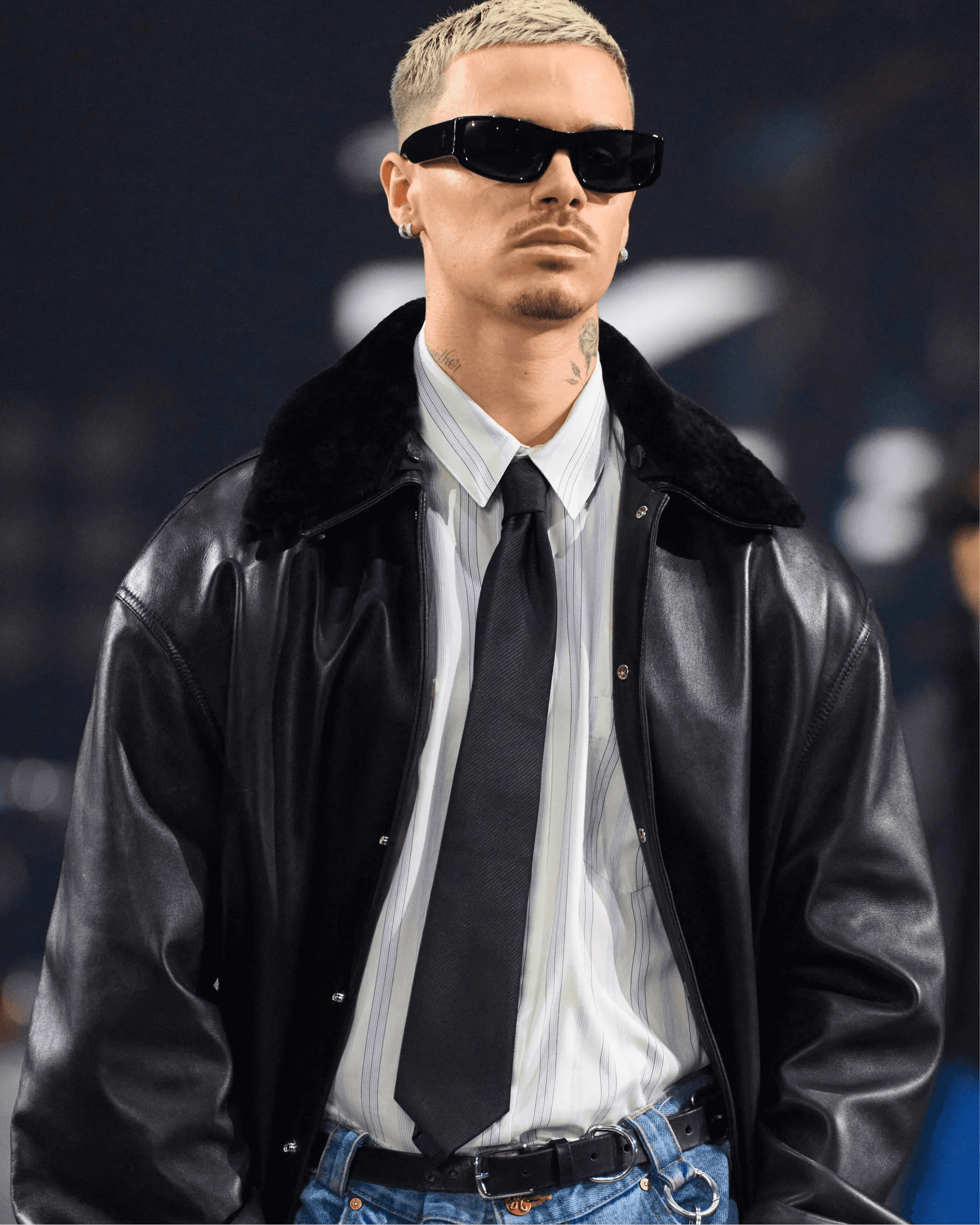
Men’s Fashion Week FW26 revealed a quieter shift toward confidence, restraint, and clothes that hold their ground. Across Milan and Paris designers returned to familiar ideas - colour, tailoring, and wardrobe staples - but sharpened them with intent.
Rather than chasing novelty, FW26 showed designers refining what already works. Small gestures carried weight, silhouettes became more assured, and classics were revisited with clarity. Three trends stood out for their consistency across houses and cities: strategic flashes of red, the return of the leather bomber jacket, and a renewed focus on masculine tailoring. Together, they point to a season grounded in confidence rather than excess.
Flashes of Red
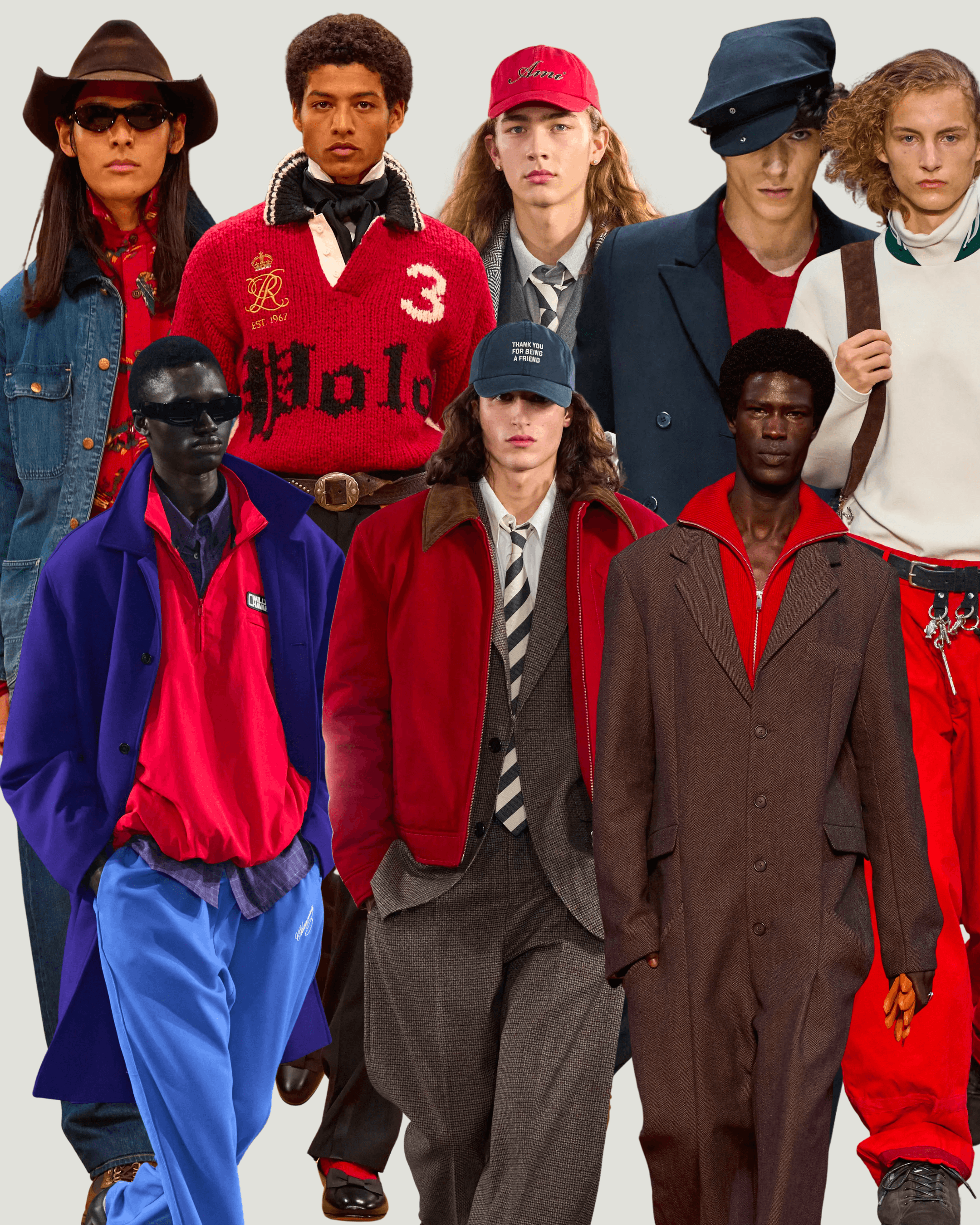
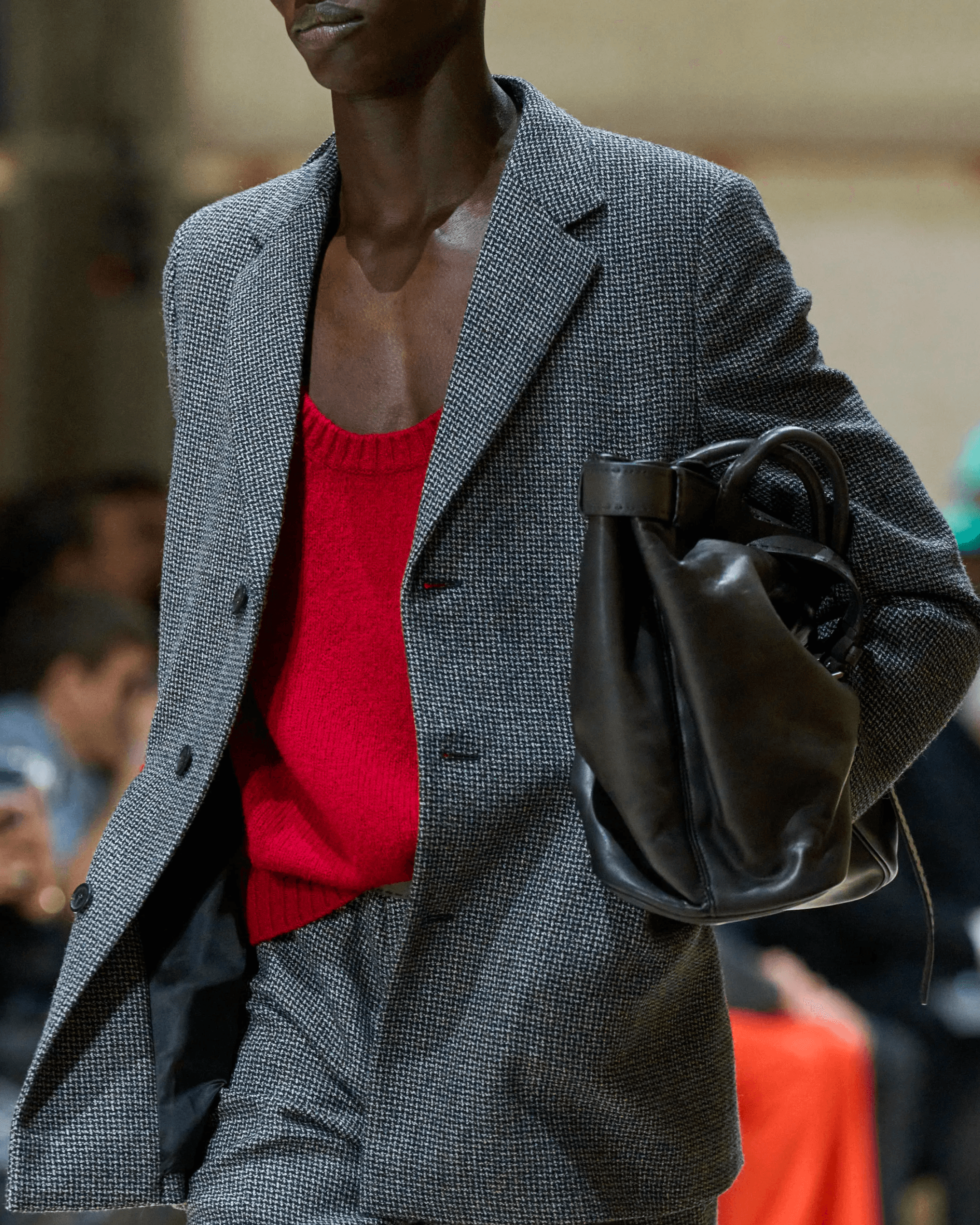
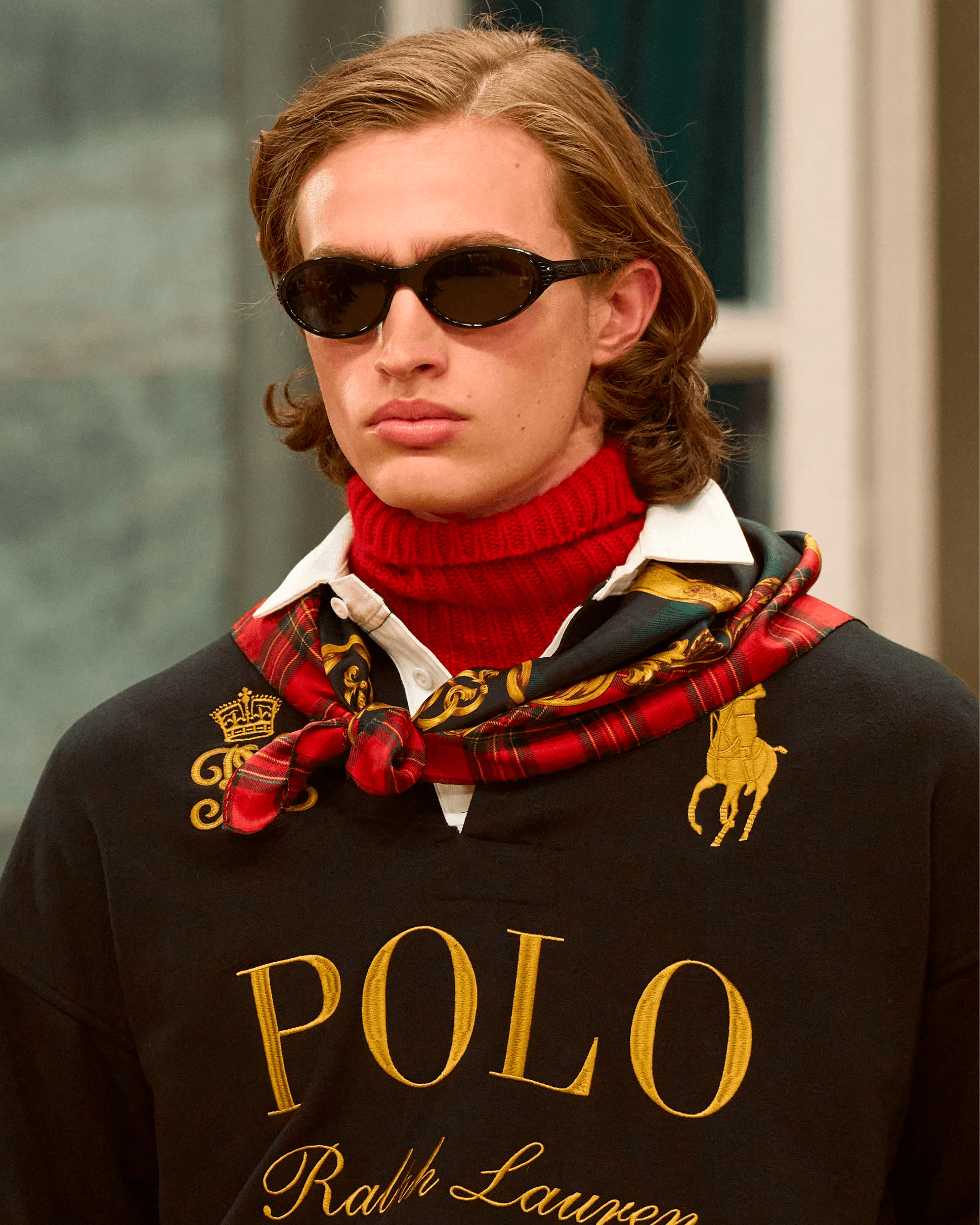
Red appeared less as a statement and more as punctuation this season. At Ralph Lauren, it surfaced in refined accents such as a statement knit styled with evening tailoring, or a statement red jacket. Ami Paris used red as a recurring signature via accessories, and styling - adding warmth and familiarity into everyday silhouettes. At Prada, the colour landed with more tension, sliced into tailored looks and layered outfits as a deliberate interruption. In each case, red wasn’t decorative; it was controlled, intentional, and used to energise otherwise neutral wardrobes.
Leather Bomber Jackets
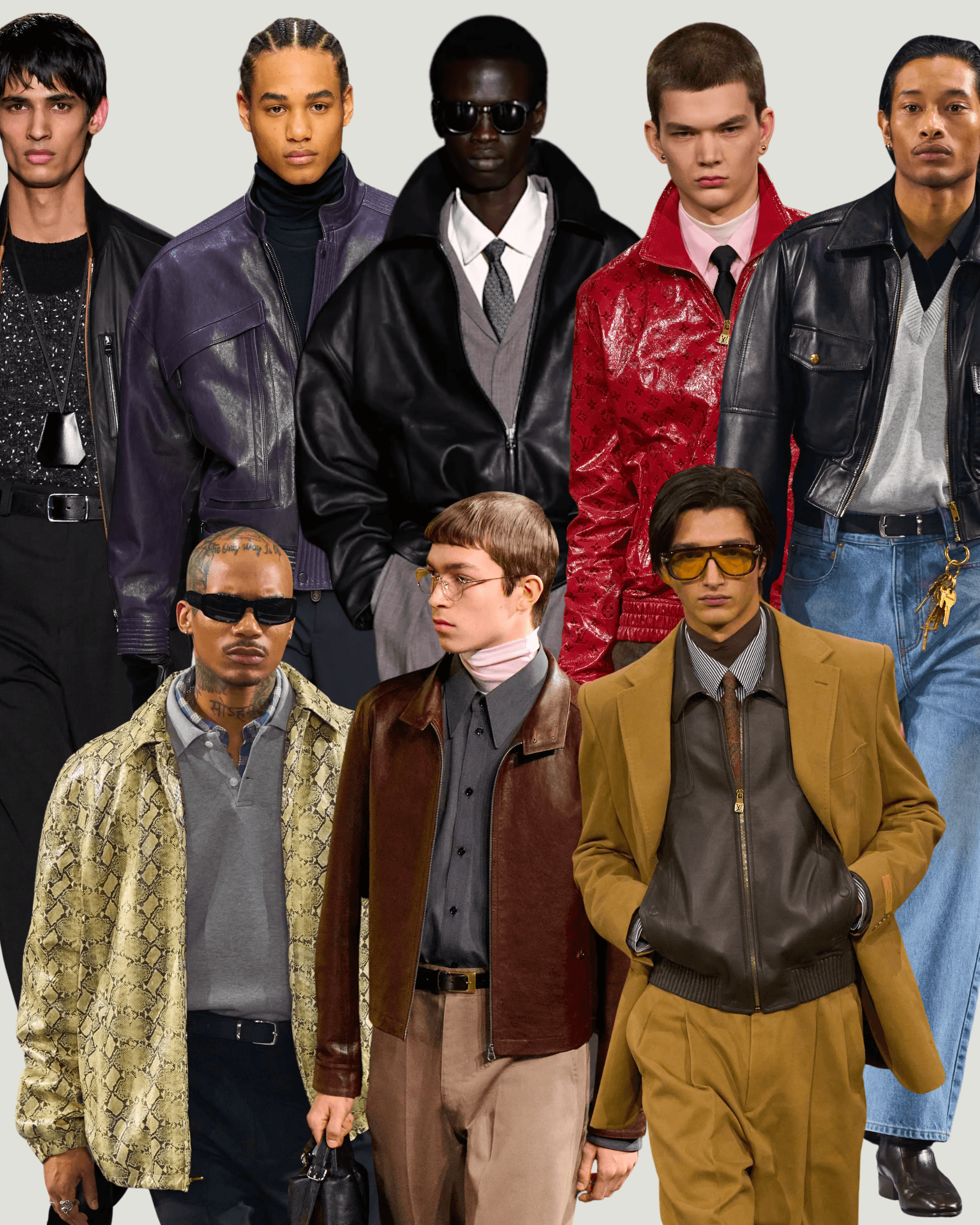
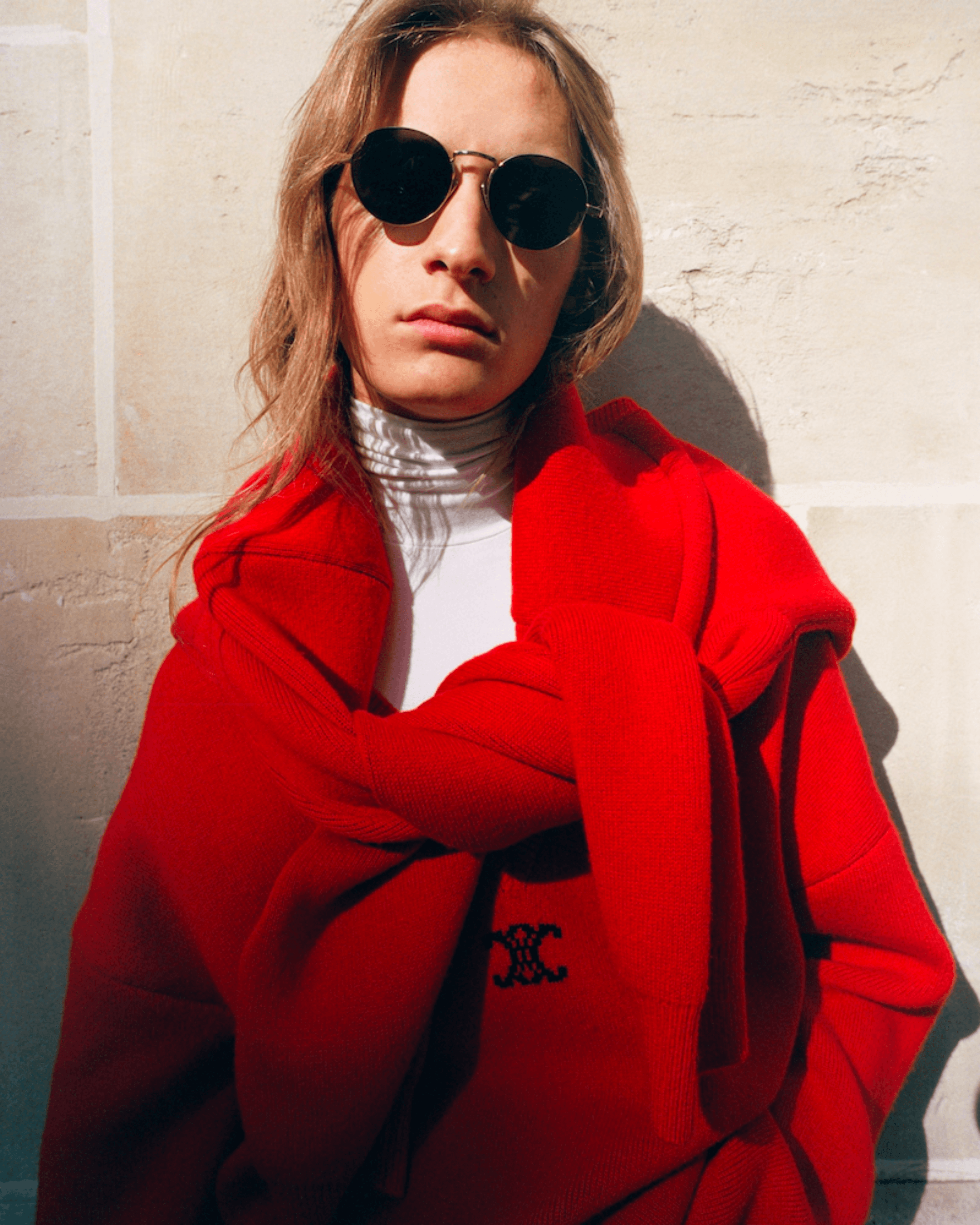
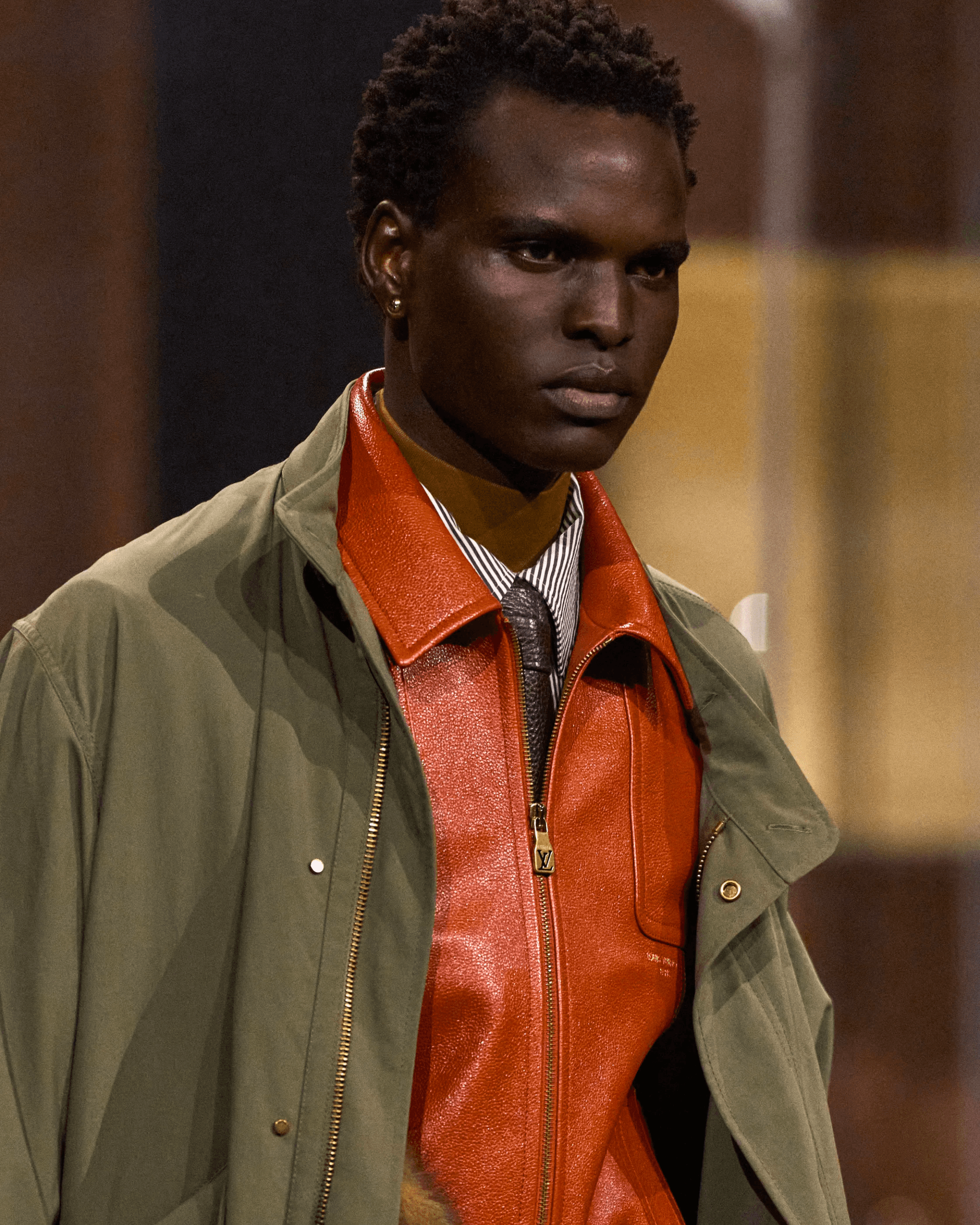
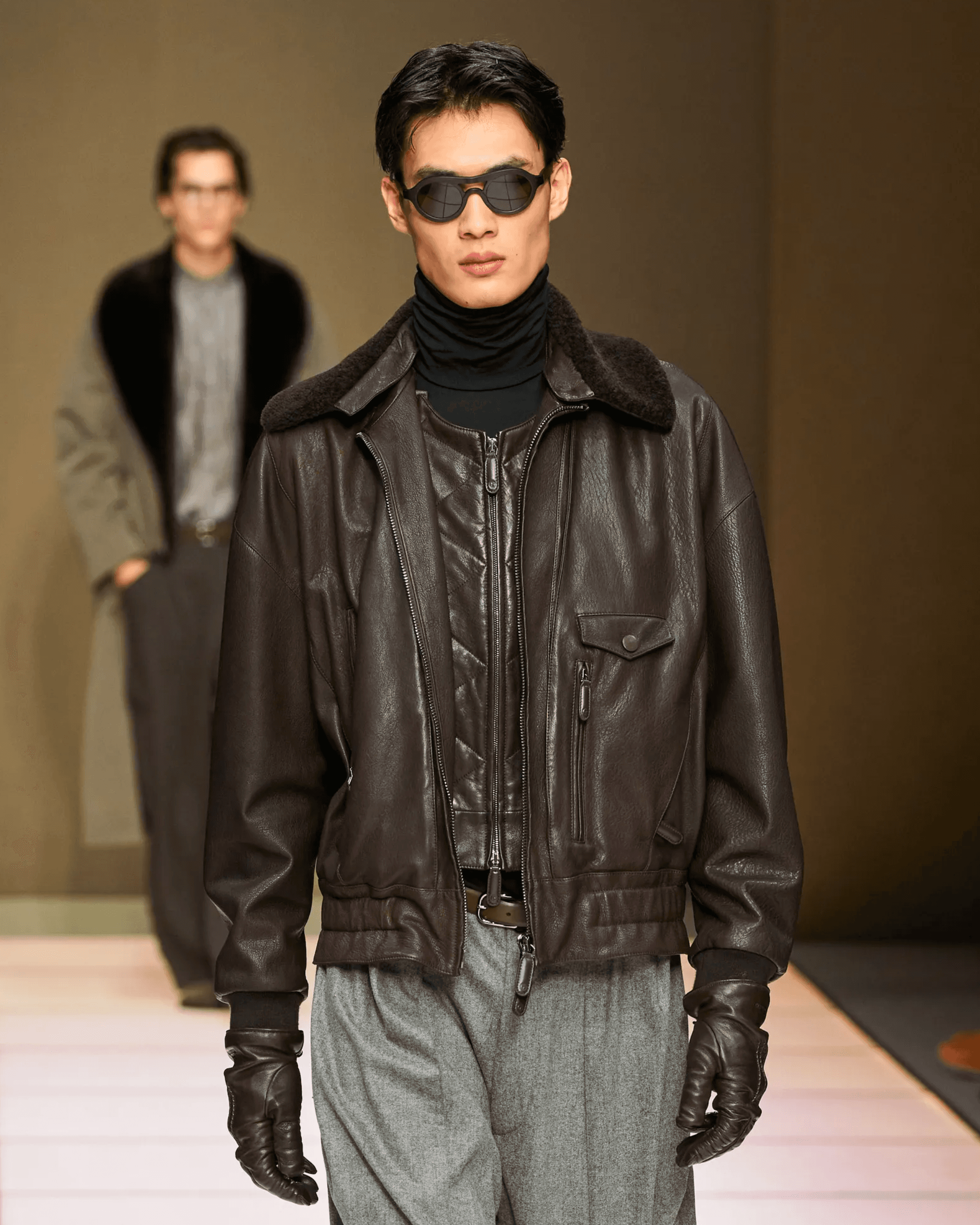
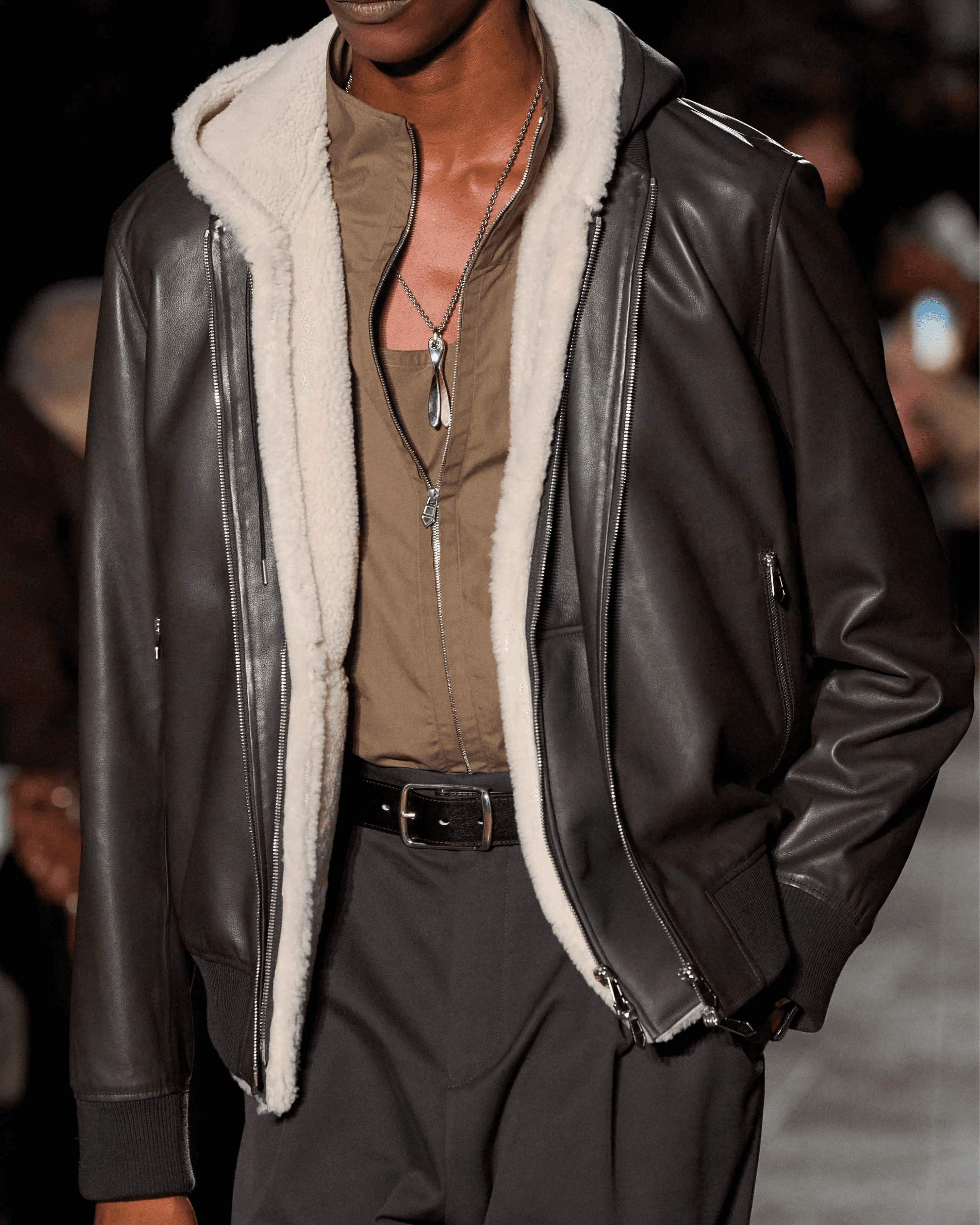
The leather bomber emerged as FW26’s most reliable outerwear piece, bridging utility and polish. Willy Chavarria leaned into volume and attitude, presenting bombers with weight and presence in oxblood, or pastel yellow snakeskin, that anchored his looks. At Hermès, the silhouette was pared back and elevated through exceptional leather and some statement colours, with precise construction, emphasising longevity over trend. Lemaire offered a quieter take - softened proportions, subtle finishes, and styling that felt lived-in rather than styled. Across the board, the bomber wasn’t nostalgic; it was practical, modern, styled over suiting and tailored trousers or simply with denim, and firmly positioned as a core wardrobe item.
A Return to Masculine Tailoring
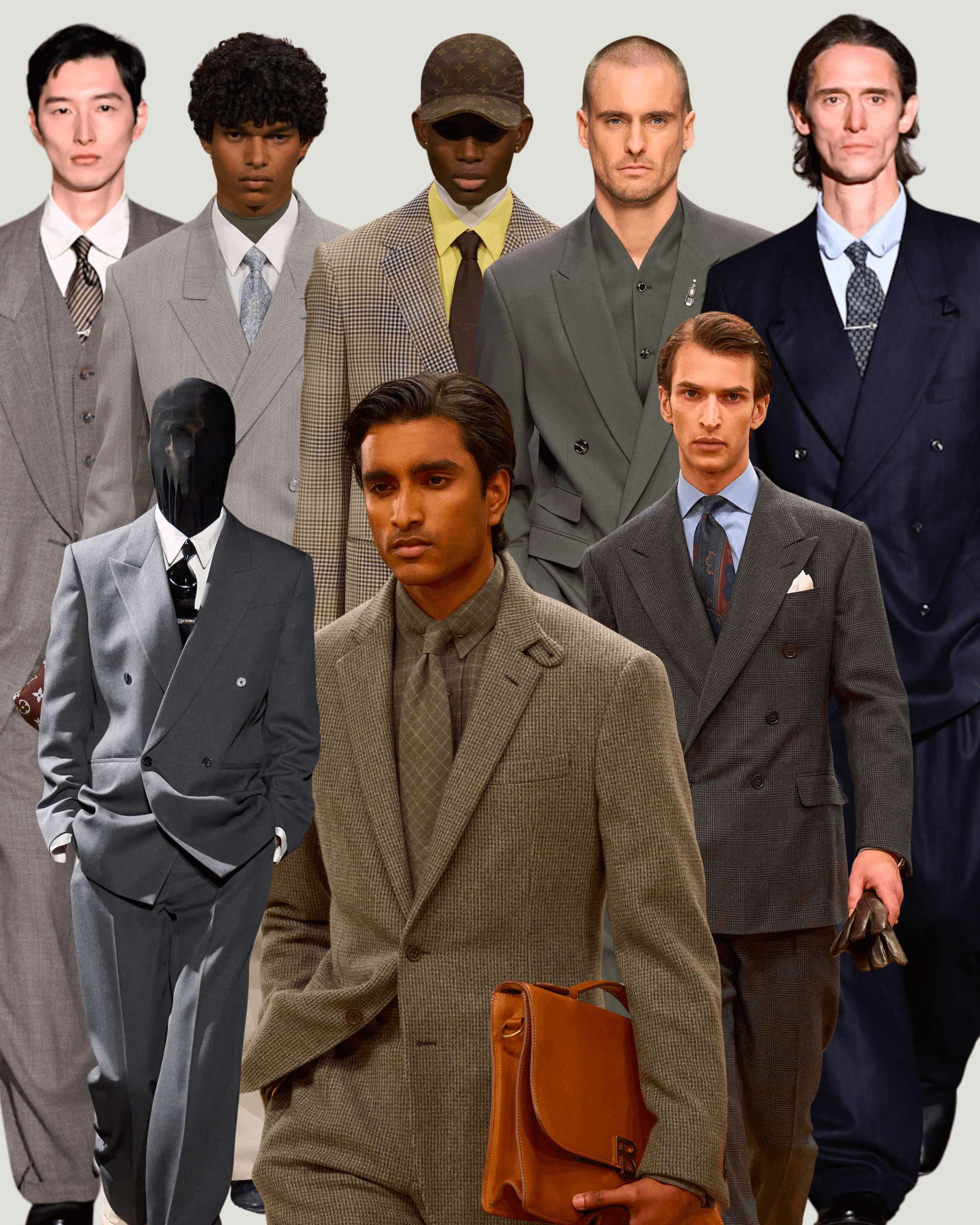
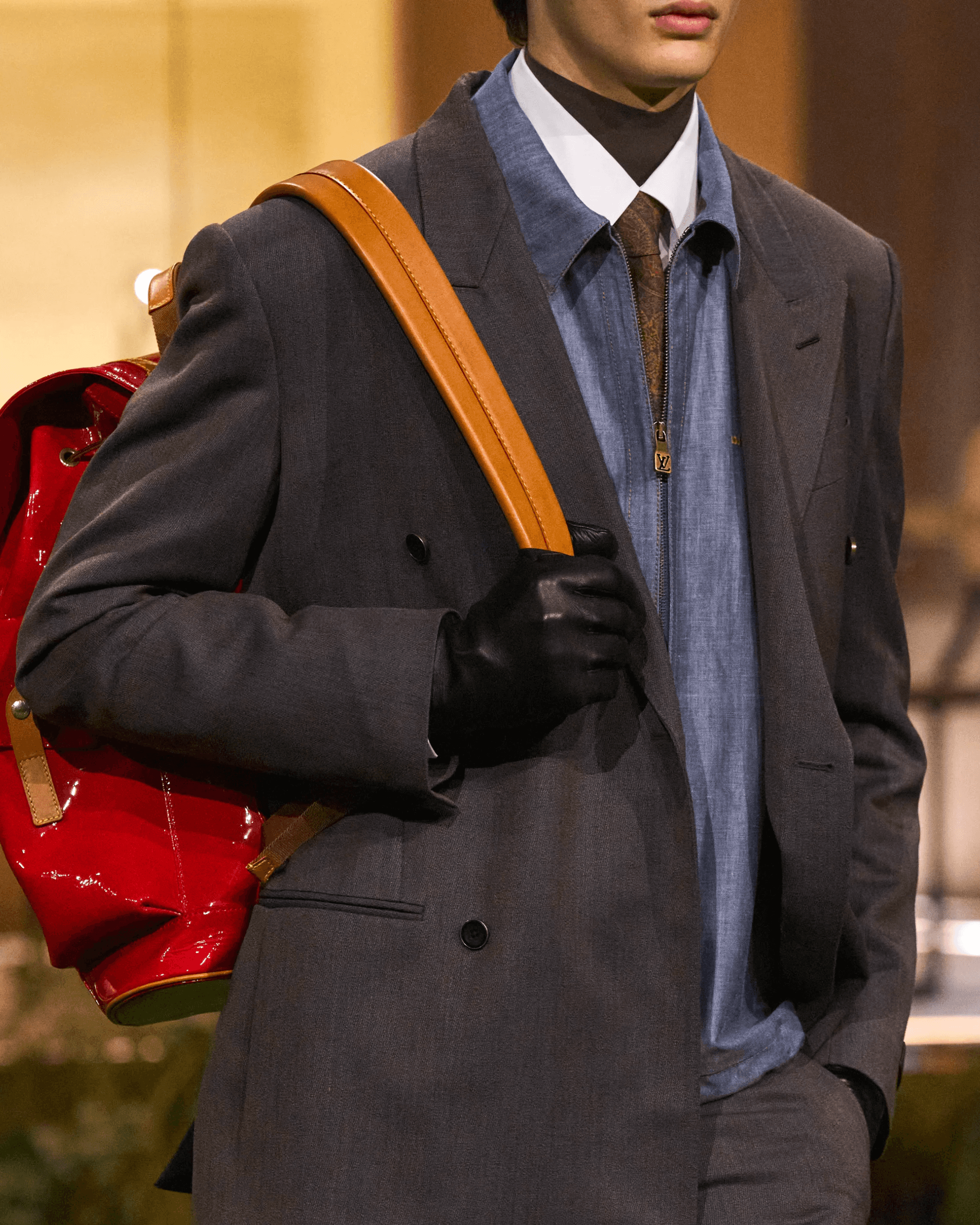
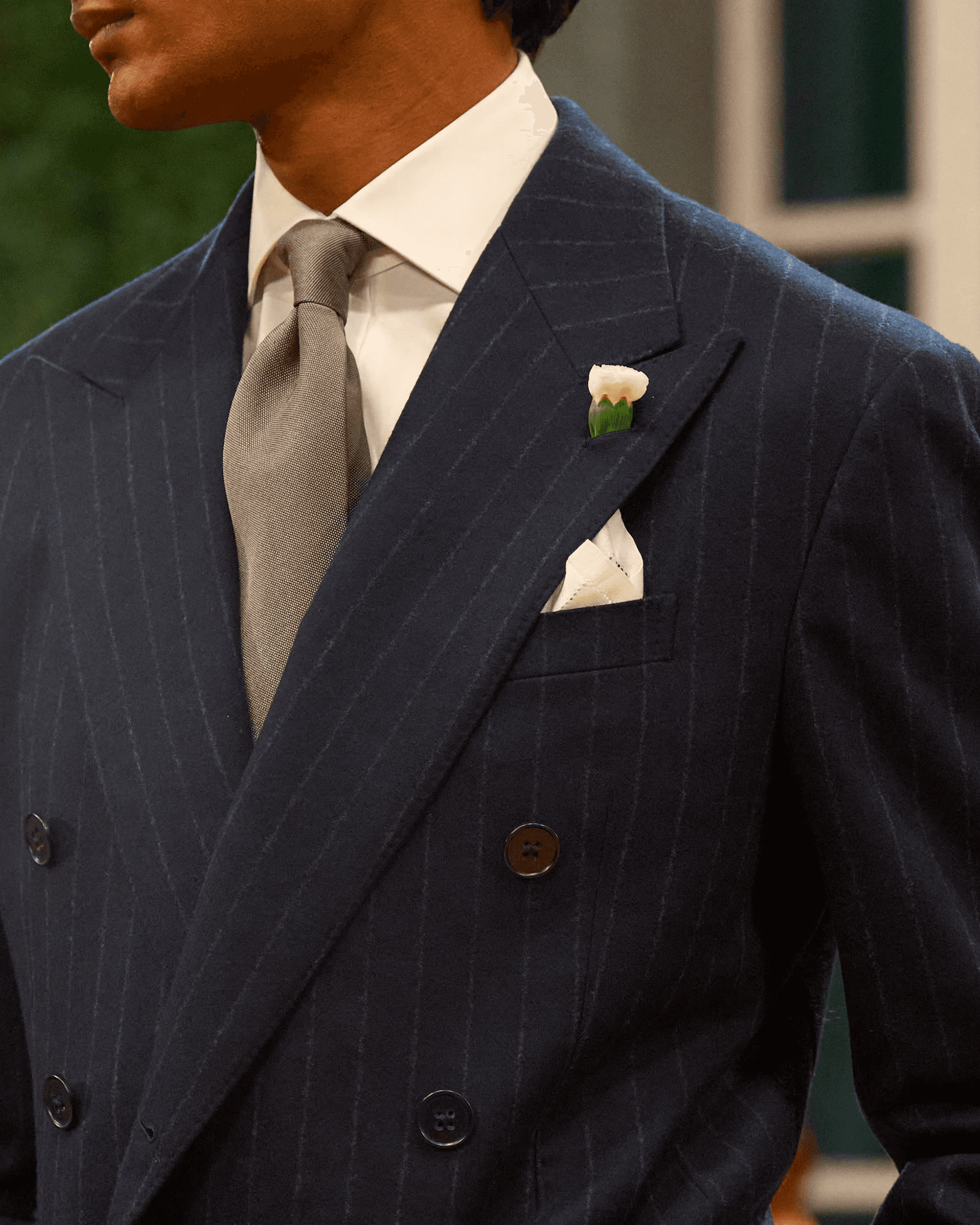
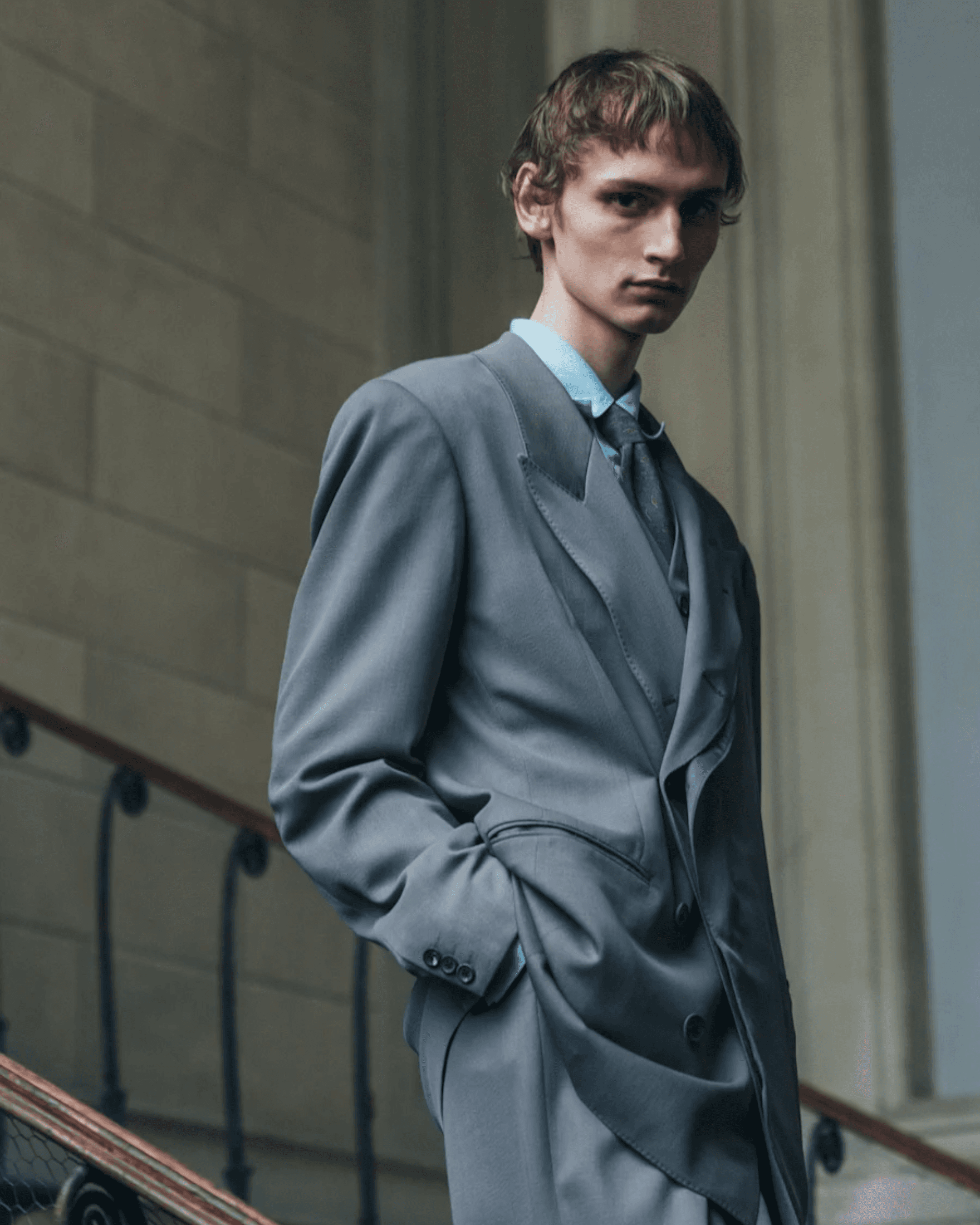
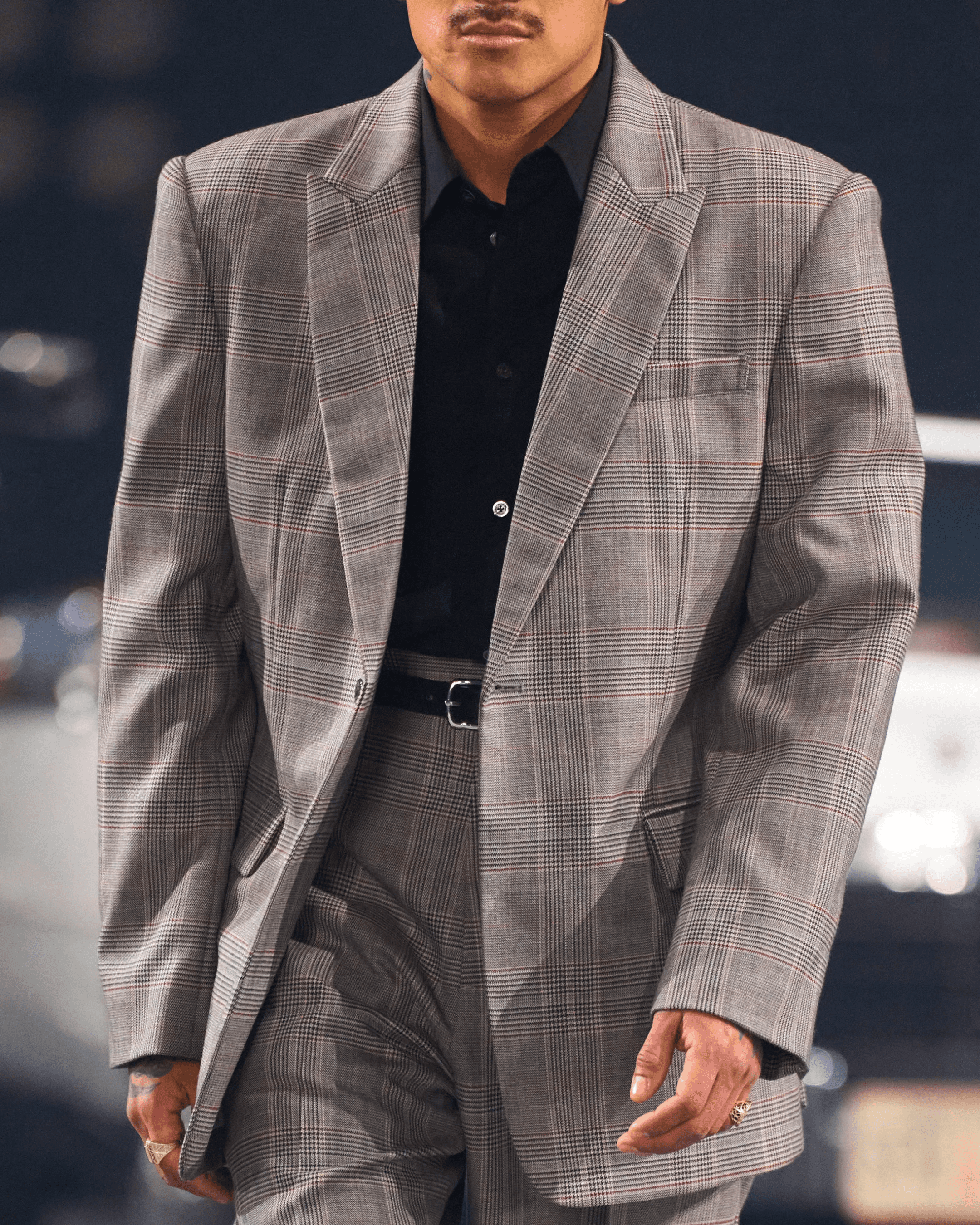
Tailoring reclaimed its authority this season, with a renewed emphasis on structure and proportion. At Pitti Uomo, the shift was visible on the streets and in presentations alike via broader shoulders, longer coats, fabric that moves with the body, and suits worn with confidence. Louis Vuitton explored tailoring as presence, using scale and sharpness to give suits renewed impact. Meanwhile, Giorgio Armani reaffirmed his mastery with fluid yet unmistakably masculine silhouettes, proving that ease and authority aren’t mutually exclusive. This wasn’t about stiffness or formality - it was about tailoring that projects assurance.
Rather than chasing novelty, FW26 showed designers refining what already works. Small gestures carried weight, silhouettes became more assured, and classics were revisited with clarity. Three trends stood out for their consistency across houses and cities: strategic flashes of red, the return of the leather bomber jacket, and a renewed focus on masculine tailoring. Together, they point to a season grounded in confidence rather than excess.
Flashes of Red
Red appeared less as a statement and more as punctuation this season. At Ralph Lauren, it surfaced in refined accents such as a statement knit styled with evening tailoring, or a statement red jacket. Ami Paris used red as a recurring signature via accessories, and styling - adding warmth and familiarity into everyday silhouettes. At Prada, the colour landed with more tension, sliced into tailored looks and layered outfits as a deliberate interruption. In each case, red wasn’t decorative; it was controlled, intentional, and used to energise otherwise neutral wardrobes.
Leather Bomber Jackets
The leather bomber emerged as FW26’s most reliable outerwear piece, bridging utility and polish. Willy Chavarria leaned into volume and attitude, presenting bombers with weight and presence in oxblood, or pastel yellow snakeskin, that anchored his looks. At Hermès, the silhouette was pared back and elevated through exceptional leather and some statement colours, with precise construction, emphasising longevity over trend. Lemaire offered a quieter take - softened proportions, subtle finishes, and styling that felt lived-in rather than styled. Across the board, the bomber wasn’t nostalgic; it was practical, modern, styled over suiting and tailored trousers or simply with denim, and firmly positioned as a core wardrobe item.
A Return to Masculine Tailoring
Tailoring reclaimed its authority this season, with a renewed emphasis on structure and proportion. At Pitti Uomo, the shift was visible on the streets and in presentations alike via broader shoulders, longer coats, fabric that moves with the body, and suits worn with confidence. Louis Vuitton explored tailoring as presence, using scale and sharpness to give suits renewed impact. Meanwhile, Giorgio Armani reaffirmed his mastery with fluid yet unmistakably masculine silhouettes, proving that ease and authority aren’t mutually exclusive. This wasn’t about stiffness or formality - it was about tailoring that projects assurance.



Must Reads
Must Reads


we are MOLTN
●
we are MOLTN
●
we are MOLTN
●
we are MOLTN
●
we are MOLTN
●
we are MOLTN
●
we are MOLTN
●
we are MOLTN
●
we are MOLTN
●
we are MOLTN
●
we are MOLTN
●
Subscribe to MOLTN

© We Are MOLTN
2026
we are MOLTN
●
we are MOLTN
●
we are MOLTN
●
we are MOLTN
●
we are MOLTN
●
we are MOLTN
●
we are MOLTN
●
we are MOLTN
●
we are MOLTN
●
we are MOLTN
●
we are MOLTN
●
Subscribe to MOLTN
© We Are MOLTN
2026
we are MOLTN
●
we are MOLTN
●
we are MOLTN
●
we are MOLTN
●
we are MOLTN
●
we are MOLTN
●
we are MOLTN
●
we are MOLTN
●
we are MOLTN
●
we are MOLTN
●
we are MOLTN
●
Subscribe to MOLTN
© We Are MOLTN
2026