


No overnight transformation, no filter-worthy before-and-after. Just a molecule that tells your skin to repair itself, and five products actually worth trying.
There's a decent chance you've scrolled past someone applying a pink serum under bright bathroom lighting and mouthing the word "PDRN" like it means something. It does. Polydeoxyribonucleotide has quietly moved from Korean dermatology clinics into your favourite serum shelf, and the jump makes more sense once you know where it came from.
PDRN is a fragment of DNA, most commonly sourced from salmon or trout, that's been used in South Korea for decades to treat wounds, burns, and skin recovering from surgery or laser work. Its job isn't to exfoliate or brighten. It's to get your cells to repair themselves faster, better circulation, more collagen, less inflammation. Somewhere along the way, dermatology labs realised the same molecule that heals a wound could also do quieter, slower work on skin that isn't injured, just tired.
That's the part worth sitting with before you buy anything: PDRN isn't chasing the same result as your vitamin C or your retinol. Those push turnover and brightness. PDRN is closer to a repair crew - it shows up, checks the wiring, and leaves things sturdier than it found them.
Used consistently, PDRN tends to show up as firmness rather than glow, skin that bounces back when you press it instead of sitting flat. Redness calms down. Texture smooths out over weeks, not days. None of this happens overnight, and any product promising otherwise is selling you something else entirely.
The category has filled up fast, which means concentration and formulation matter more than whatever claim is printed largest on the box.
Below are some products with PDRN in our rotation:
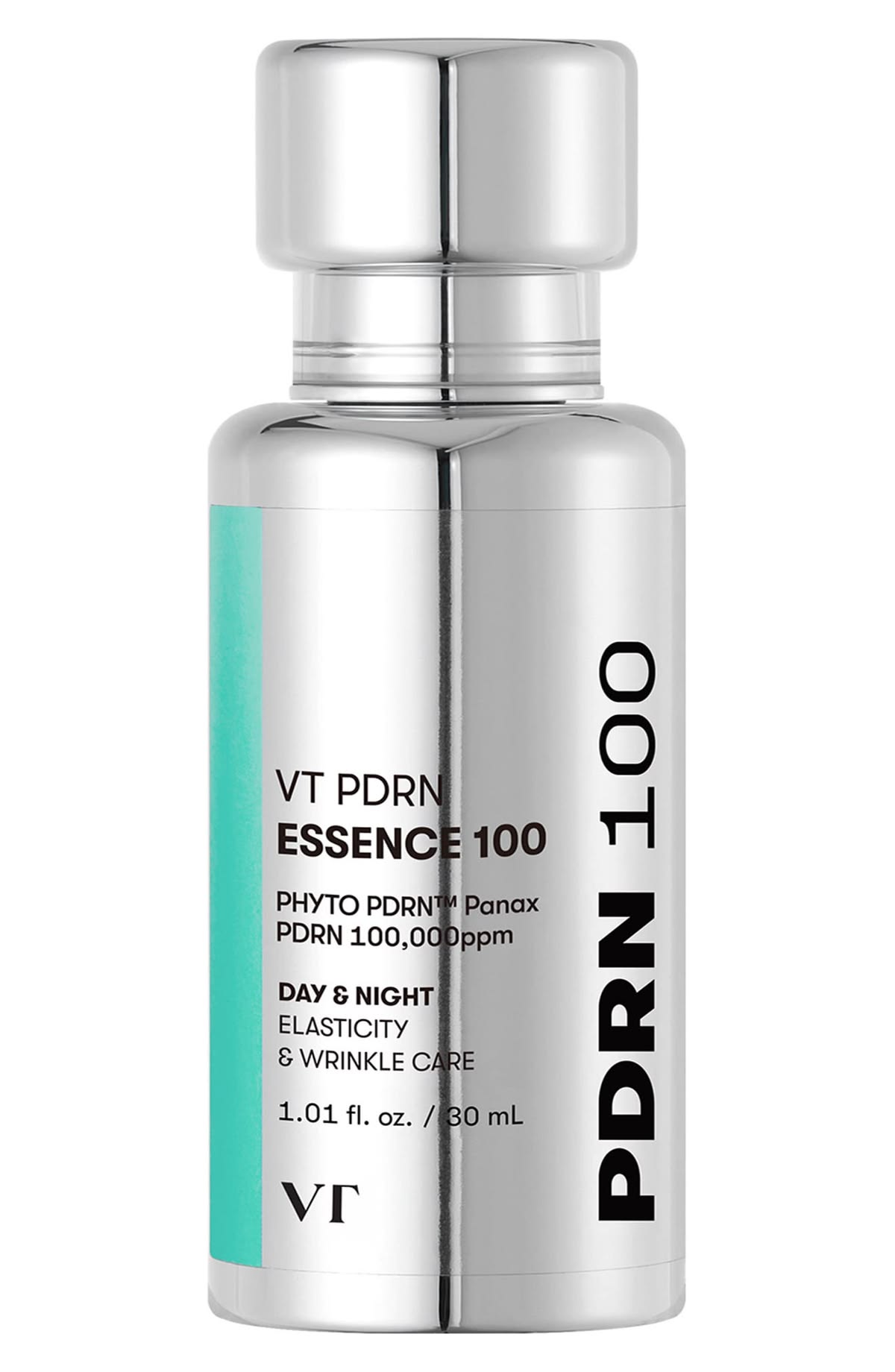
VT Cosmetics' PDRN Essence 100 goes for maximum concentration and very little else — a 100,000ppm formula that reads almost clinical, built for people who want the ingredient doing the talking rather than a supporting cast of extras.
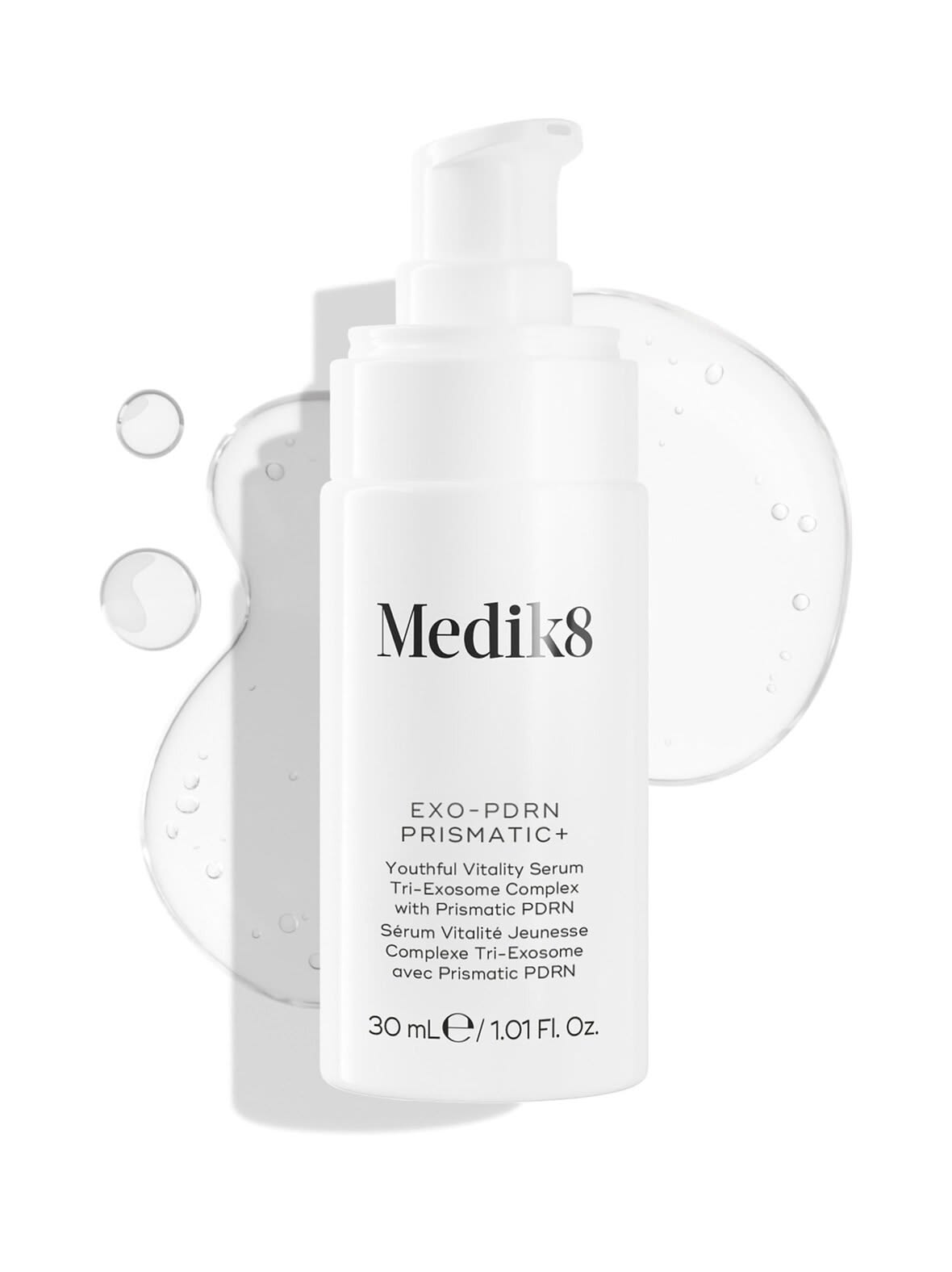
Medik8's Exo-PDRN Prismatic+ takes a more engineered route, pairing PDRN with exosome technology in a way that fits the brand's usual approach: less trend chasing, more lab coat. It's the one dermatologists have been quoted on more than any other in this category.

Dr. Reju-All Advanced PDRN Rejuvenating Cream leans into the ingredient's original clinical purpose — recovery. It's built for skin that's already been through something, whether that's microneedling, a derma roller session, or just a rough winter, and it markets itself accordingly, with a gel-cream texture meant to sit on compromised skin without irritating it further.

Mary & May's Spicule Collagen PDRN Cream stacks PDRN with marine spicules, the microneedle-like sea sponge particles that help actives get past the skin's surface instead of evaporating on top of it. On paper, it sounds like ingredient soup. In practice, it's one of the more technically sound pairings on shelves right now.

Medicube's PDRN Pink Peptide Serum, the one your algorithm has almost certainly served you. It's the most accessible of the group by a wide margin, and while it won't out-perform an in-clinic booster, as a daily layer it's doing more than its price tag suggests.
There's a decent chance you've scrolled past someone applying a pink serum under bright bathroom lighting and mouthing the word "PDRN" like it means something. It does. Polydeoxyribonucleotide has quietly moved from Korean dermatology clinics into your favourite serum shelf, and the jump makes more sense once you know where it came from.
PDRN is a fragment of DNA, most commonly sourced from salmon or trout, that's been used in South Korea for decades to treat wounds, burns, and skin recovering from surgery or laser work. Its job isn't to exfoliate or brighten. It's to get your cells to repair themselves faster, better circulation, more collagen, less inflammation. Somewhere along the way, dermatology labs realised the same molecule that heals a wound could also do quieter, slower work on skin that isn't injured, just tired.
That's the part worth sitting with before you buy anything: PDRN isn't chasing the same result as your vitamin C or your retinol. Those push turnover and brightness. PDRN is closer to a repair crew - it shows up, checks the wiring, and leaves things sturdier than it found them.
Used consistently, PDRN tends to show up as firmness rather than glow, skin that bounces back when you press it instead of sitting flat. Redness calms down. Texture smooths out over weeks, not days. None of this happens overnight, and any product promising otherwise is selling you something else entirely.
The category has filled up fast, which means concentration and formulation matter more than whatever claim is printed largest on the box.
Below are some products with PDRN in our rotation:
VT Cosmetics' PDRN Essence 100 goes for maximum concentration and very little else — a 100,000ppm formula that reads almost clinical, built for people who want the ingredient doing the talking rather than a supporting cast of extras.
Medik8's Exo-PDRN Prismatic+ takes a more engineered route, pairing PDRN with exosome technology in a way that fits the brand's usual approach: less trend chasing, more lab coat. It's the one dermatologists have been quoted on more than any other in this category.
Dr. Reju-All Advanced PDRN Rejuvenating Cream leans into the ingredient's original clinical purpose — recovery. It's built for skin that's already been through something, whether that's microneedling, a derma roller session, or just a rough winter, and it markets itself accordingly, with a gel-cream texture meant to sit on compromised skin without irritating it further.
Mary & May's Spicule Collagen PDRN Cream stacks PDRN with marine spicules, the microneedle-like sea sponge particles that help actives get past the skin's surface instead of evaporating on top of it. On paper, it sounds like ingredient soup. In practice, it's one of the more technically sound pairings on shelves right now.
Medicube's PDRN Pink Peptide Serum, the one your algorithm has almost certainly served you. It's the most accessible of the group by a wide margin, and while it won't out-perform an in-clinic booster, as a daily layer it's doing more than its price tag suggests.



Must Reads
Must Reads


we are MOLTN
●
we are MOLTN
●
we are MOLTN
●
we are MOLTN
●
we are MOLTN
●
we are MOLTN
●
we are MOLTN
●
we are MOLTN
●
we are MOLTN
●
we are MOLTN
●
we are MOLTN
●
Subscribe to MOLTN

© We Are MOLTN
2026
we are MOLTN
●
we are MOLTN
●
we are MOLTN
●
we are MOLTN
●
we are MOLTN
●
we are MOLTN
●
we are MOLTN
●
we are MOLTN
●
we are MOLTN
●
we are MOLTN
●
we are MOLTN
●
Subscribe to MOLTN
© We Are MOLTN
2026
we are MOLTN
●
we are MOLTN
●
we are MOLTN
●
we are MOLTN
●
we are MOLTN
●
we are MOLTN
●
we are MOLTN
●
we are MOLTN
●
we are MOLTN
●
we are MOLTN
●
we are MOLTN
●
Subscribe to MOLTN
© We Are MOLTN
2026