
The Quieter Revolution: Givenchy, Celine and Hermès at Paris Men's Fashion Week SS27
Style
•
June 30, 2026

Pavan Premaney
Chief Editor
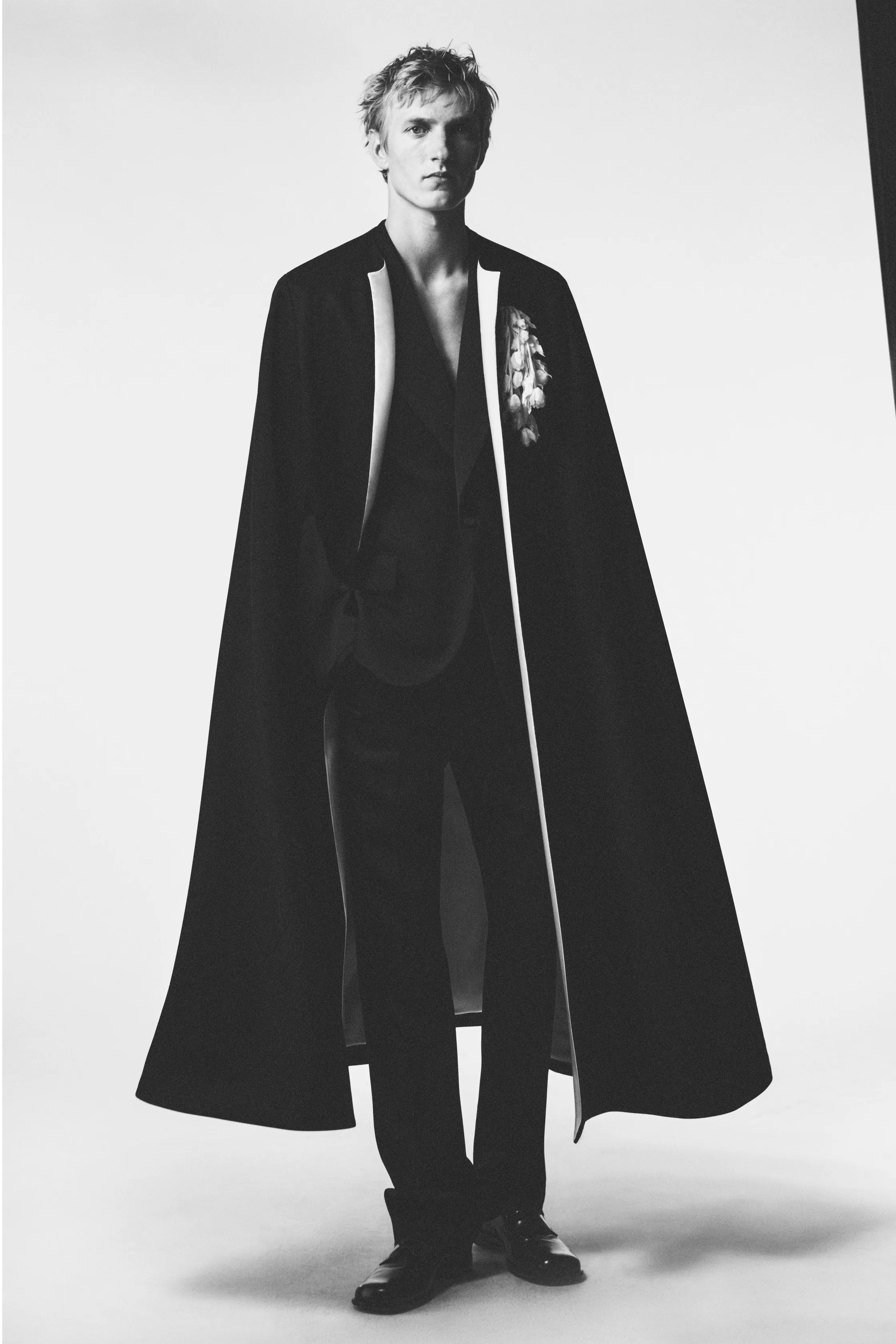
While the big spectacles grabbed the headlines, three houses were quietly doing some of the most significant work of the week.
There's a version of Paris Fashion Week that exists entirely on the internet: artificial tidal waves, pop star sightings, eight-metre-high set constructions. And then there's the other version: the collections that don't come with a press release designed to generate three days of traffic but that you find yourself thinking about a week later. The ones where the clothes do the talking.
The second half of Paris Men's SS27 was defined by that quieter register. At Givenchy, Celine and Hermès, three designers - all at different stages of building or rebuilding their respective narratives - produced work that felt necessary rather than performative. None of it was subtle in any apologetic sense. It was just precise. And in a week where precision was the rarest commodity of all, that counted for a great deal.
Givenchy: Sarah Burton Arrives, Properly
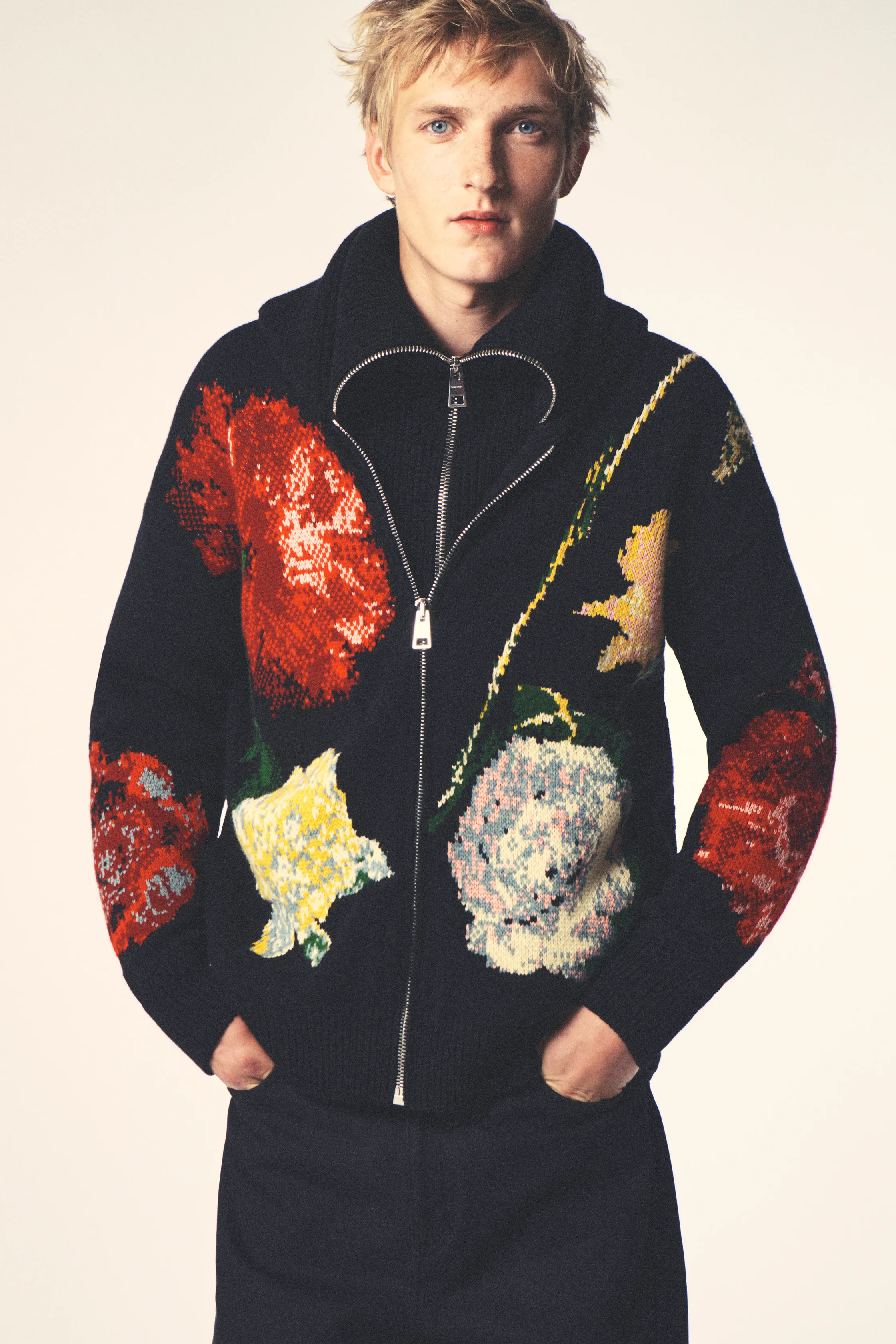
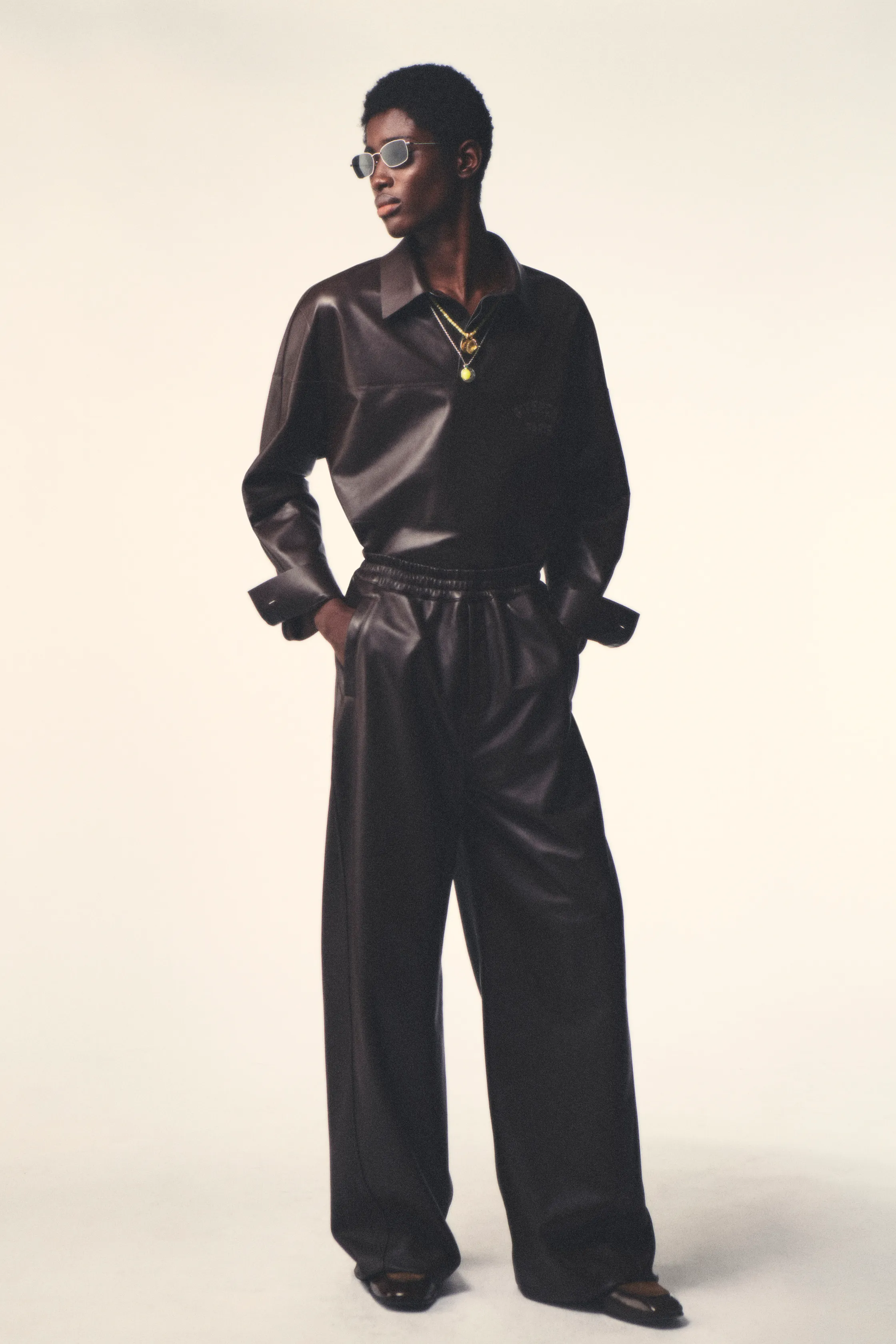
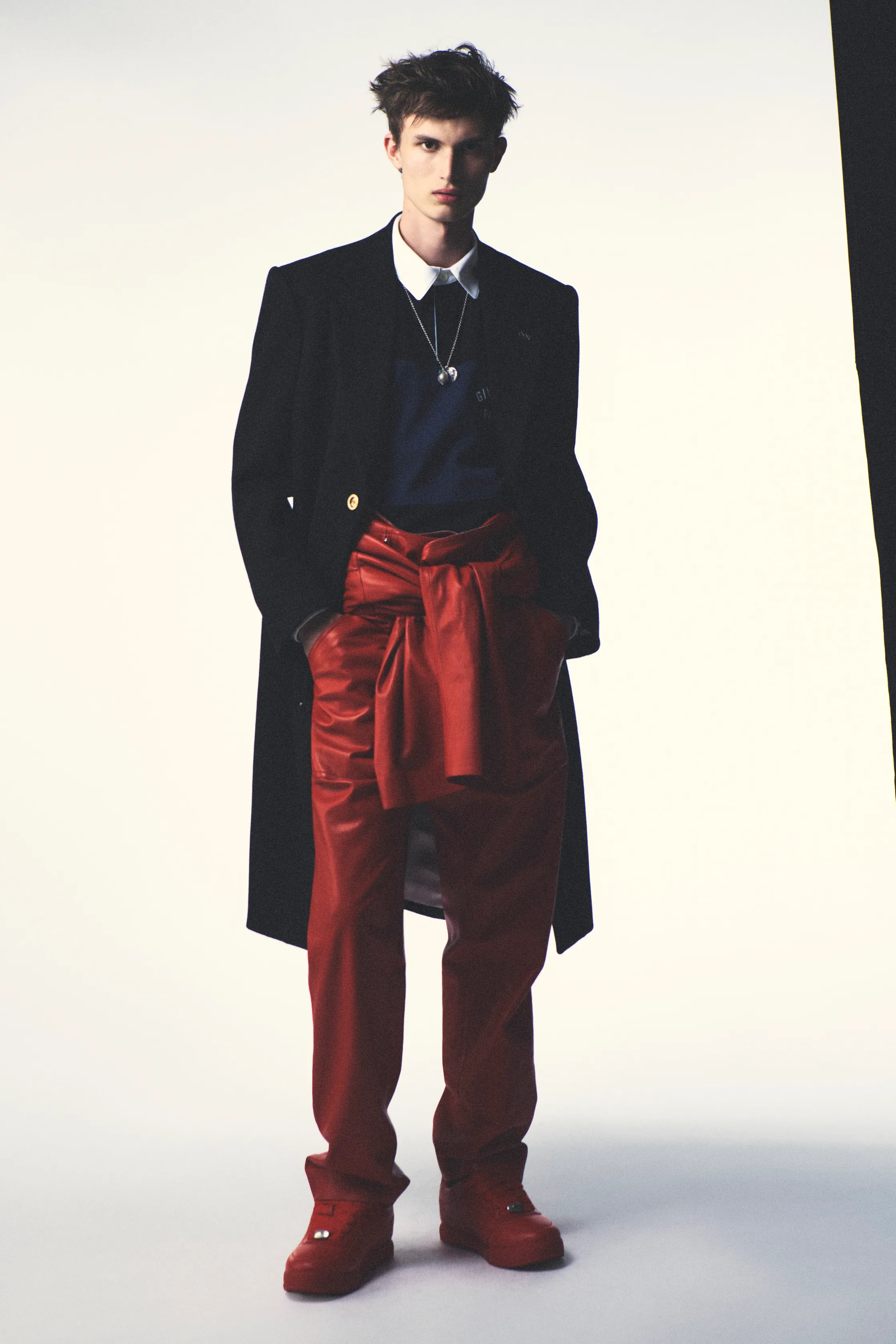
It was always going to take more than three successful womenswear collections to fully dispel the nervousness around Sarah Burton's appointment at Givenchy. She'd done the women's side with something close to authority, by establishing a point of view without erasing what came before. But menswear is its own language. SS27 spoke it.
The collection was presented inside the house's Avenue George V headquarters, in three rooms lined with cast reproductions of wardrobe interiors by British artist Rachel Whiteread, an astute curatorial choice that turned the show into something quietly voyeuristic, as if you were looking into the private life of the Givenchy man rather than being shown what he should wear.
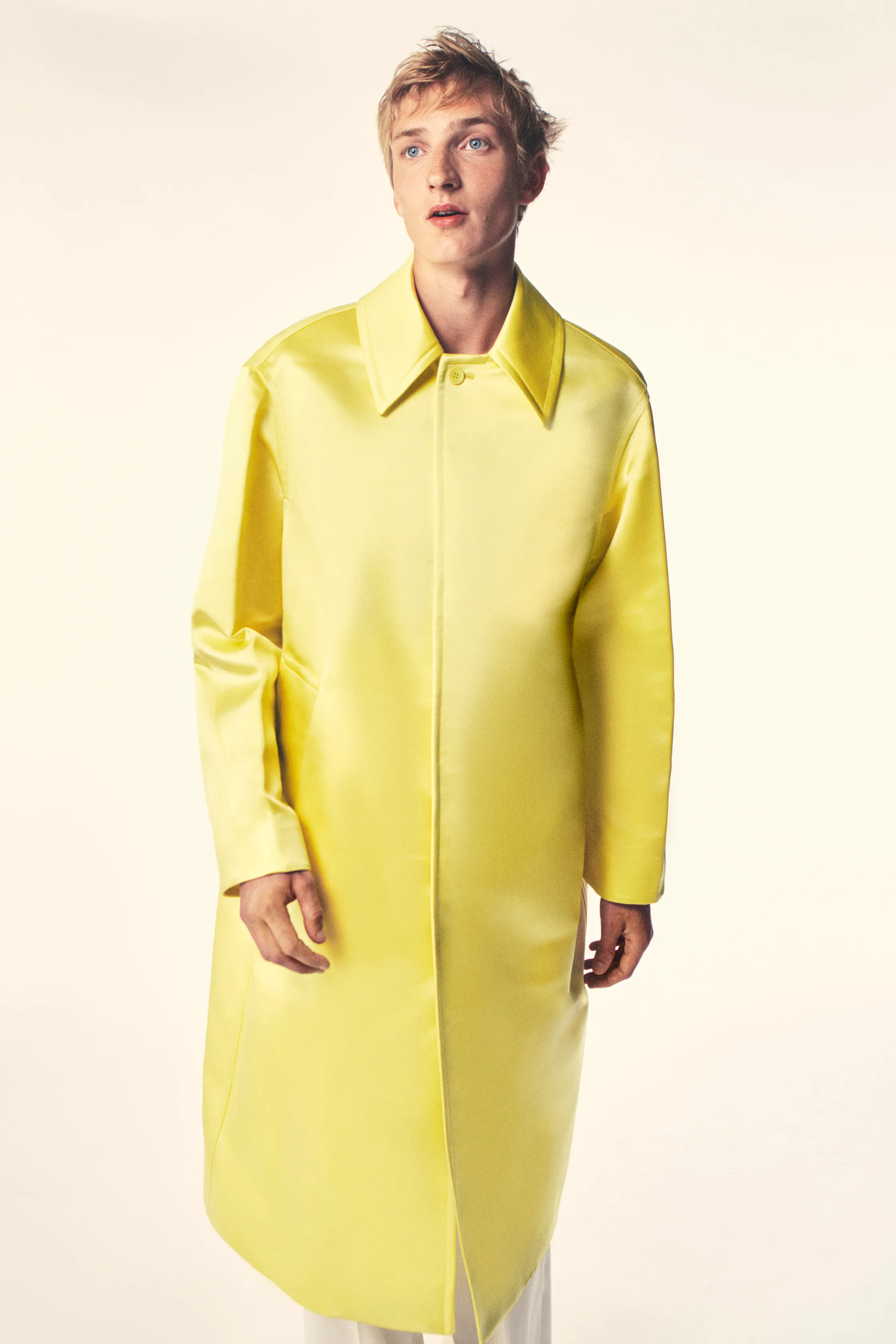
Burton's instinct, unsurprisingly, was to start from the inside out. The foundation of the collection was things men already own, or want to own, and then gently, precisely, push them somewhere more interesting. Double-breasted suits were cut with lapels that had been sliced away and reshaped, giving them a slight forward tilt that made the familiar feel considered. Tailoring skimmed the body without restraining it. Roomy trousers, biker jackets and bombers sat alongside buttery leather tracksuits in punchy cobalt, yellow and scarlet. A highlighter-bright satin car coat arrived near the end of the show and lit the room up.
This was not a collection trying to start a revolution. It was trying, and succeeding, at something harder: producing a body of work that already knows exactly who it's dressing. There's a real wardrobe here, and a real man wearing it. That sounds obvious. It rarely is.
Celine: Michael Rider Makes His Case
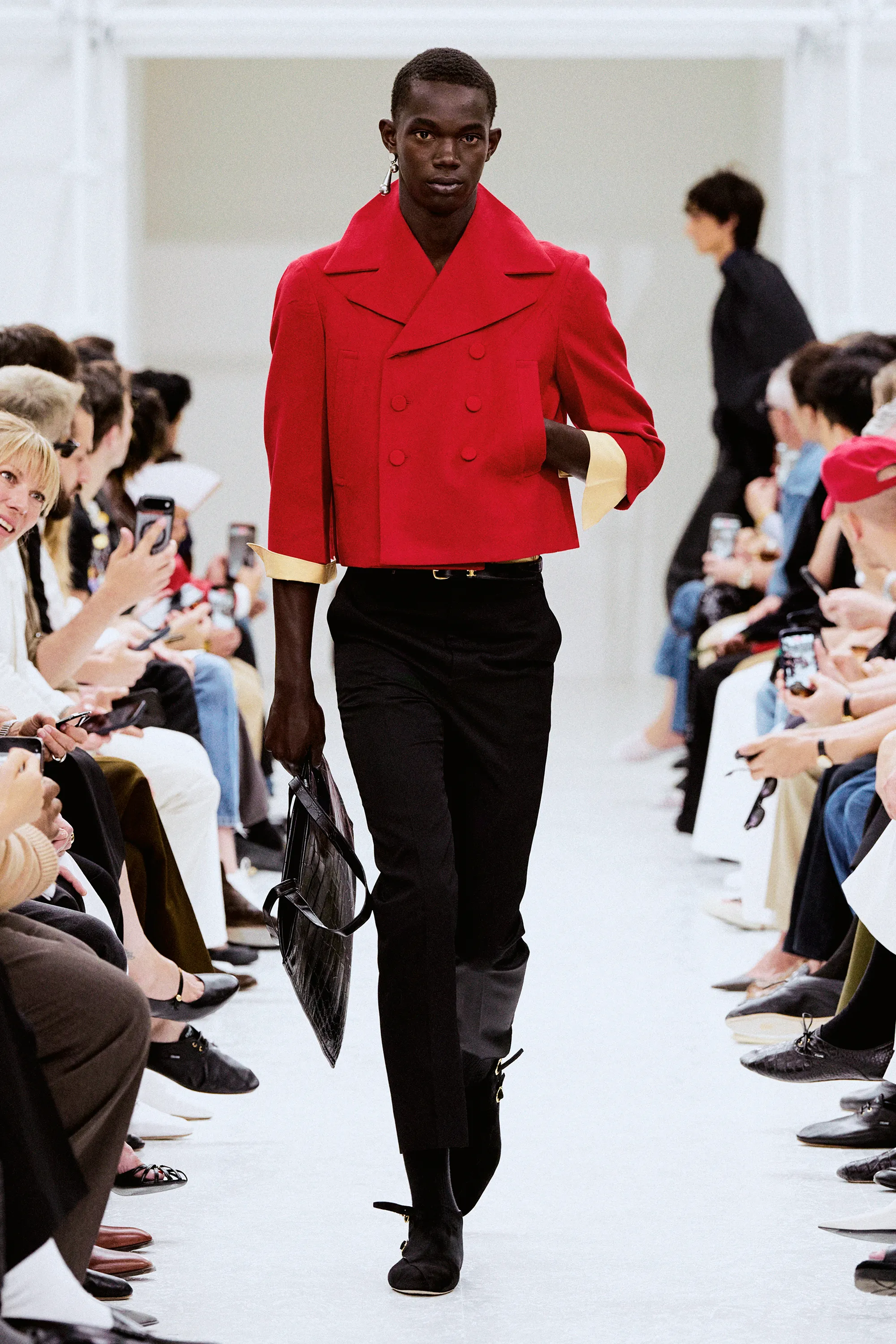
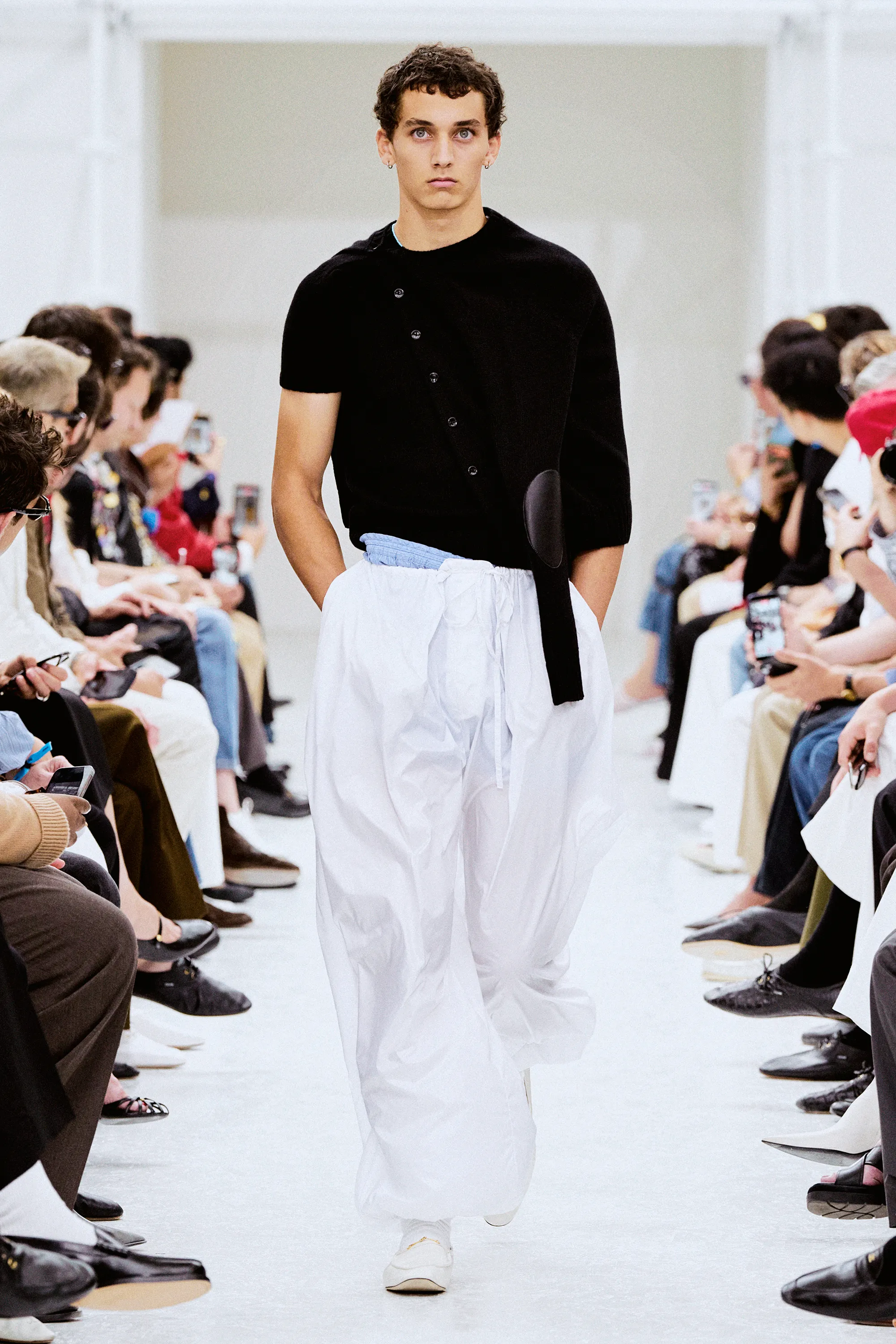
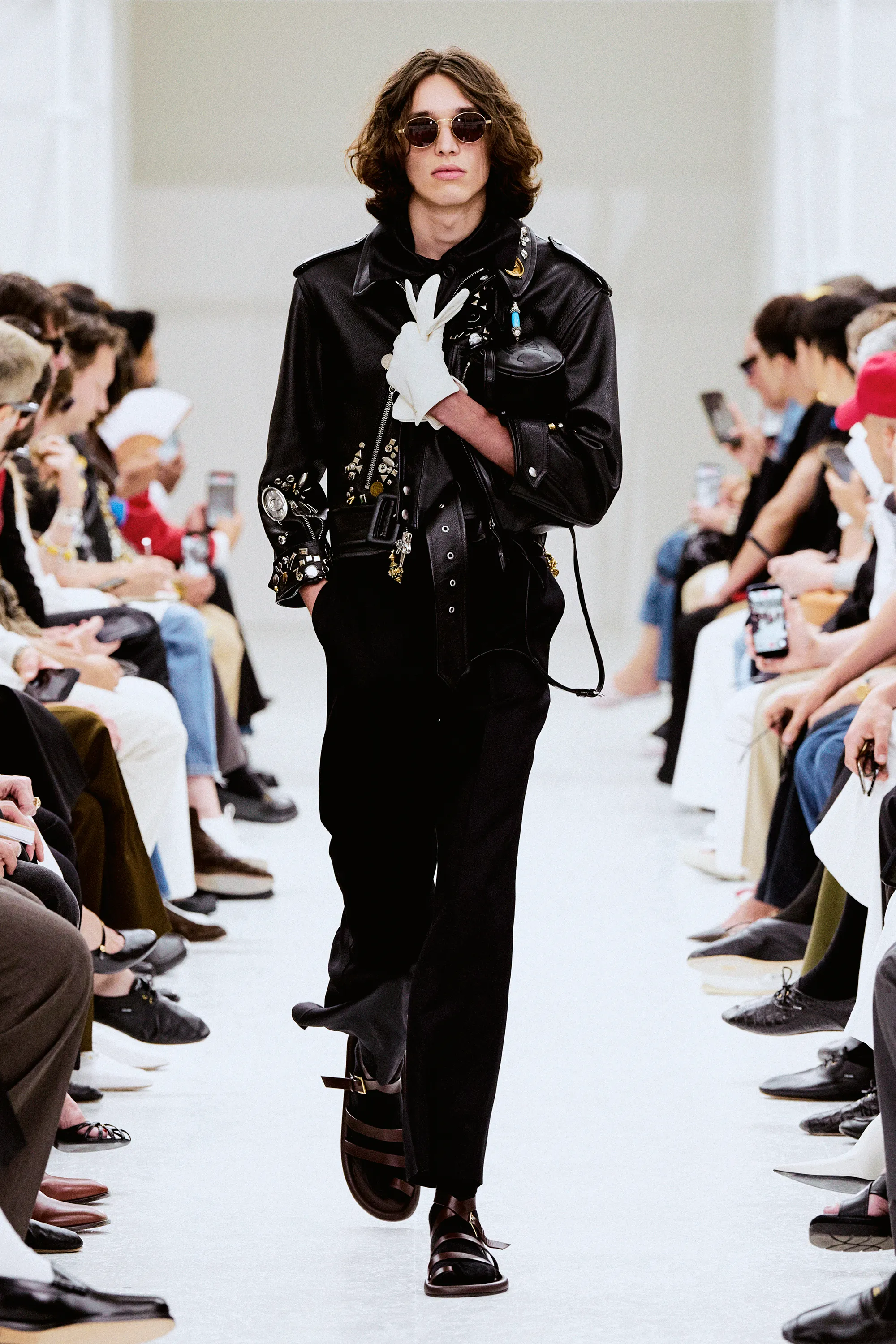
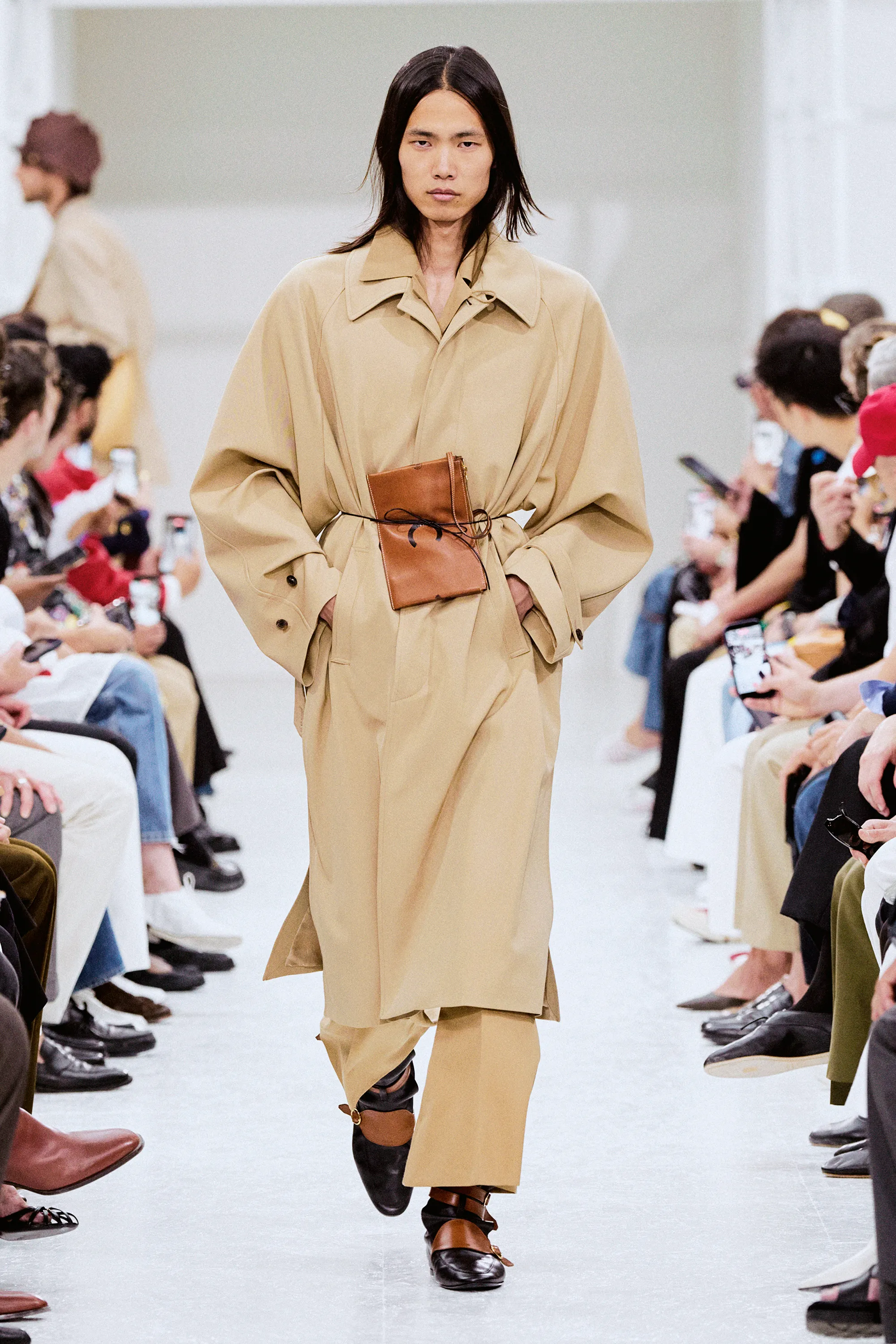
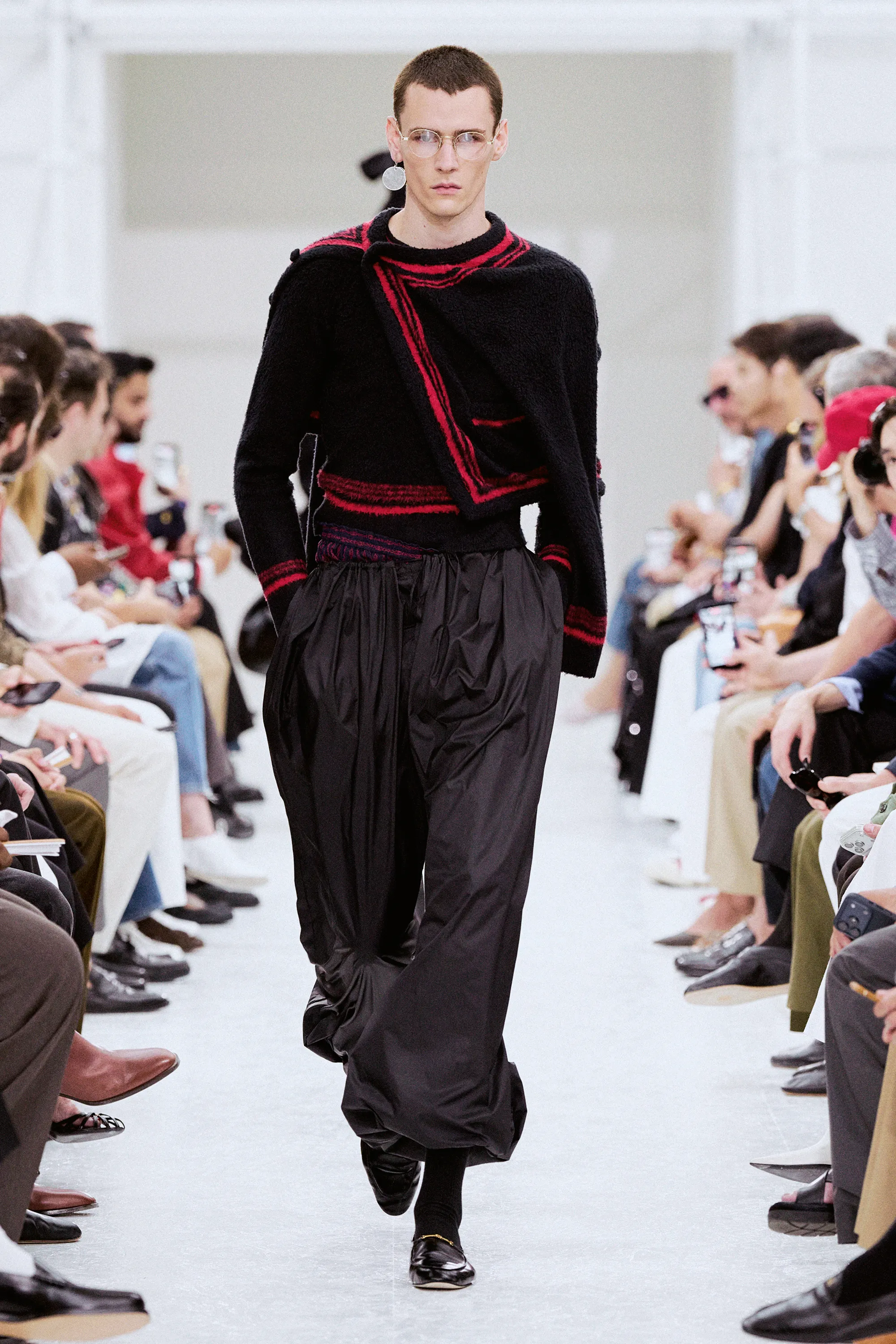
When Michael Rider presented his co-ed debut at Celine last year, the conversation was all about potential. This season, with a dedicated menswear collection on the Paris schedule, the conversation shifted. Rider doesn't need potential anymore. He's delivering.
The collection had the quality that distinguishes genuinely good fashion from fashion that's merely technically accomplished: it made you want to get dressed. Rider has a particular gift for volume - for understanding when a silhouette should fill a room and when it should merely suggest one - and the menswear allowed him to explore that instinct with a freedom that co-ed collections don't always permit.
There was playfulness here that felt earned rather than forced. Proportions were deliberately exaggerated in some places and almost sculpted in others, creating a rhythm across the collection that kept the eye moving. Colour appeared with a confidence, not as accent or detail but as a genuine structural element.
Celine under Rider is fast becoming one of the more interesting propositions in Paris. Not because he's being deliberately provocative or tearing anything down, but because he seems genuinely enthused by the clothes themselves. That enthusiasm, when a designer actually has it, transfers. You can feel it in the room, and you can see it in the work.
Hermès: Grace Wales Bonner Changes the Conversation
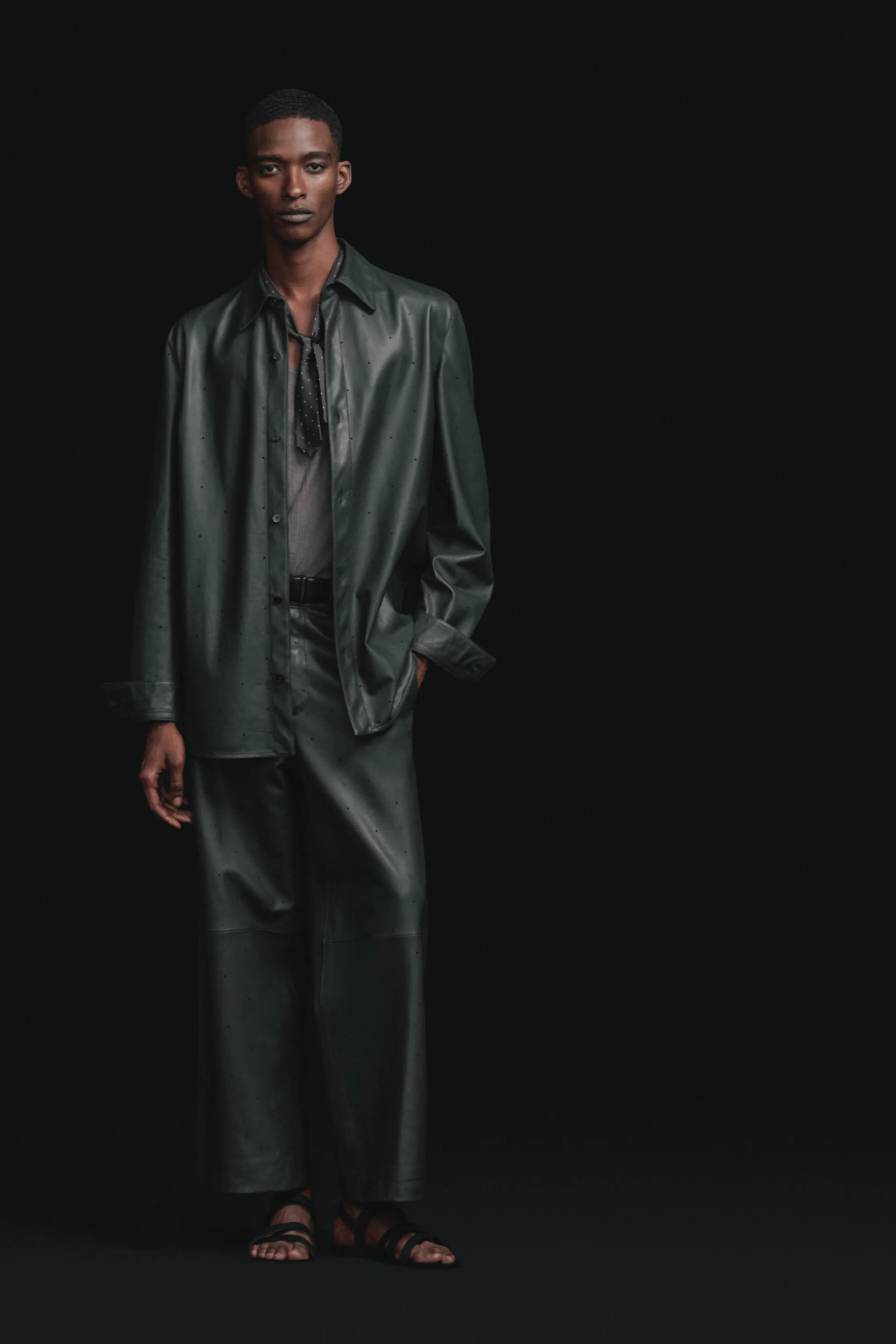
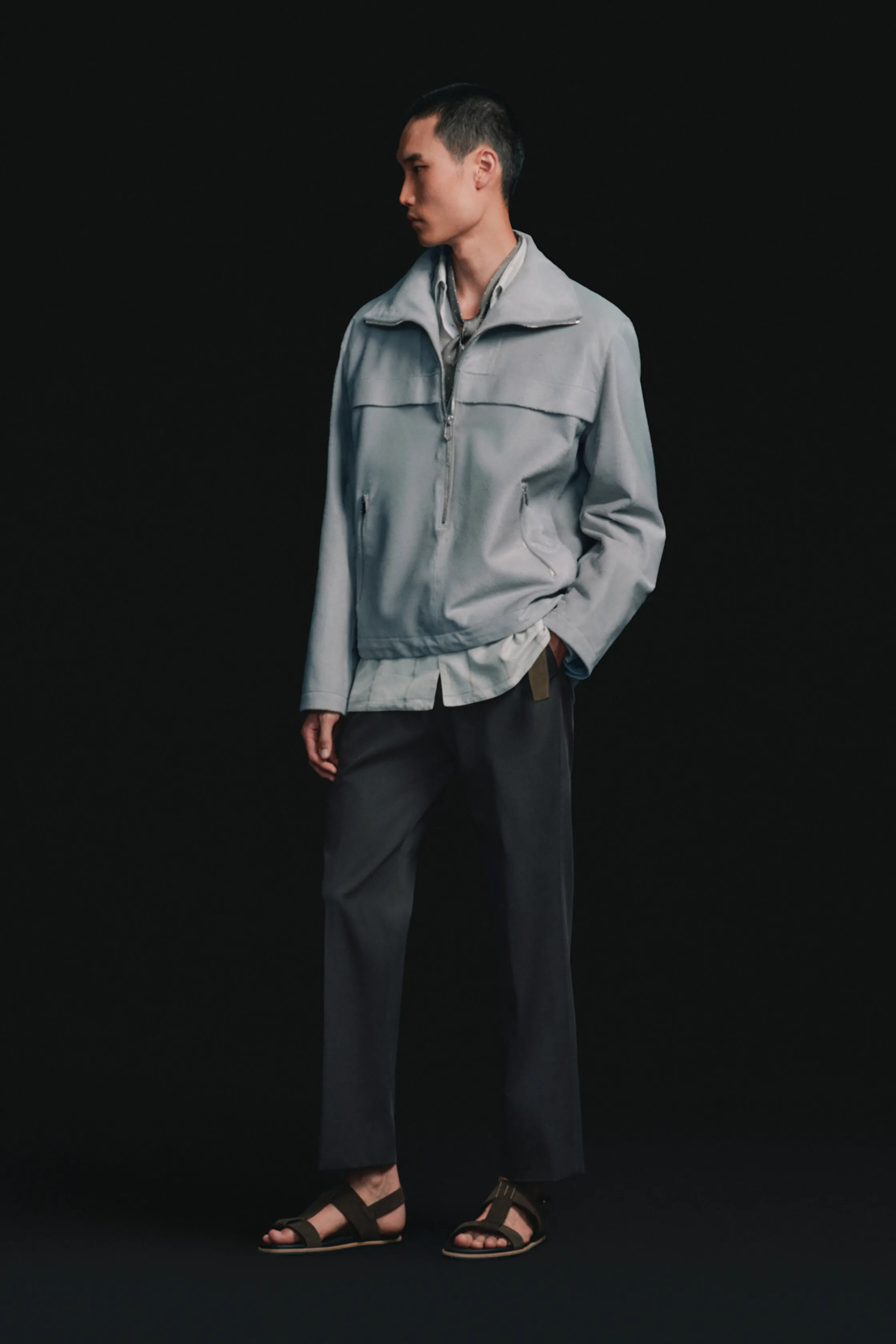
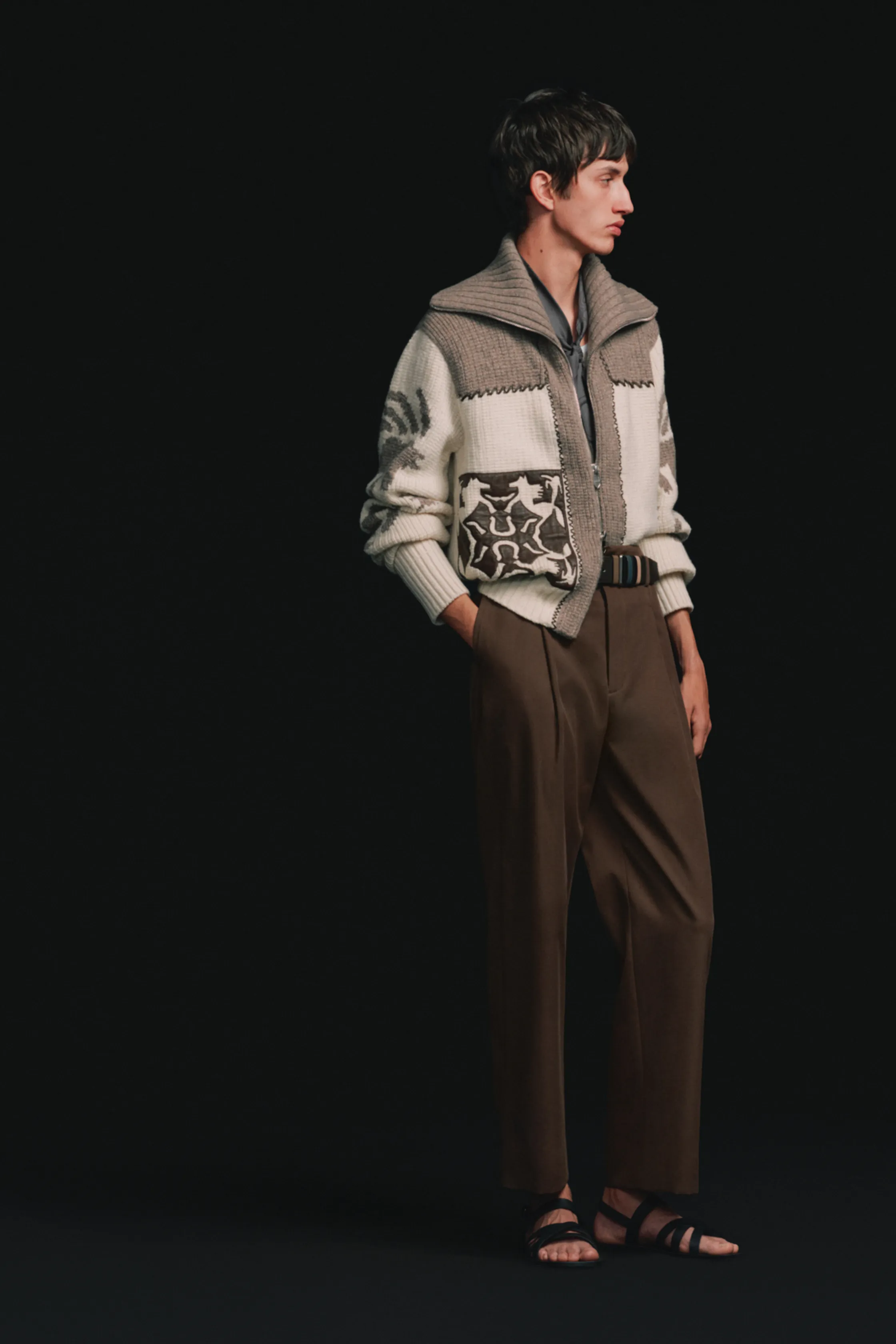
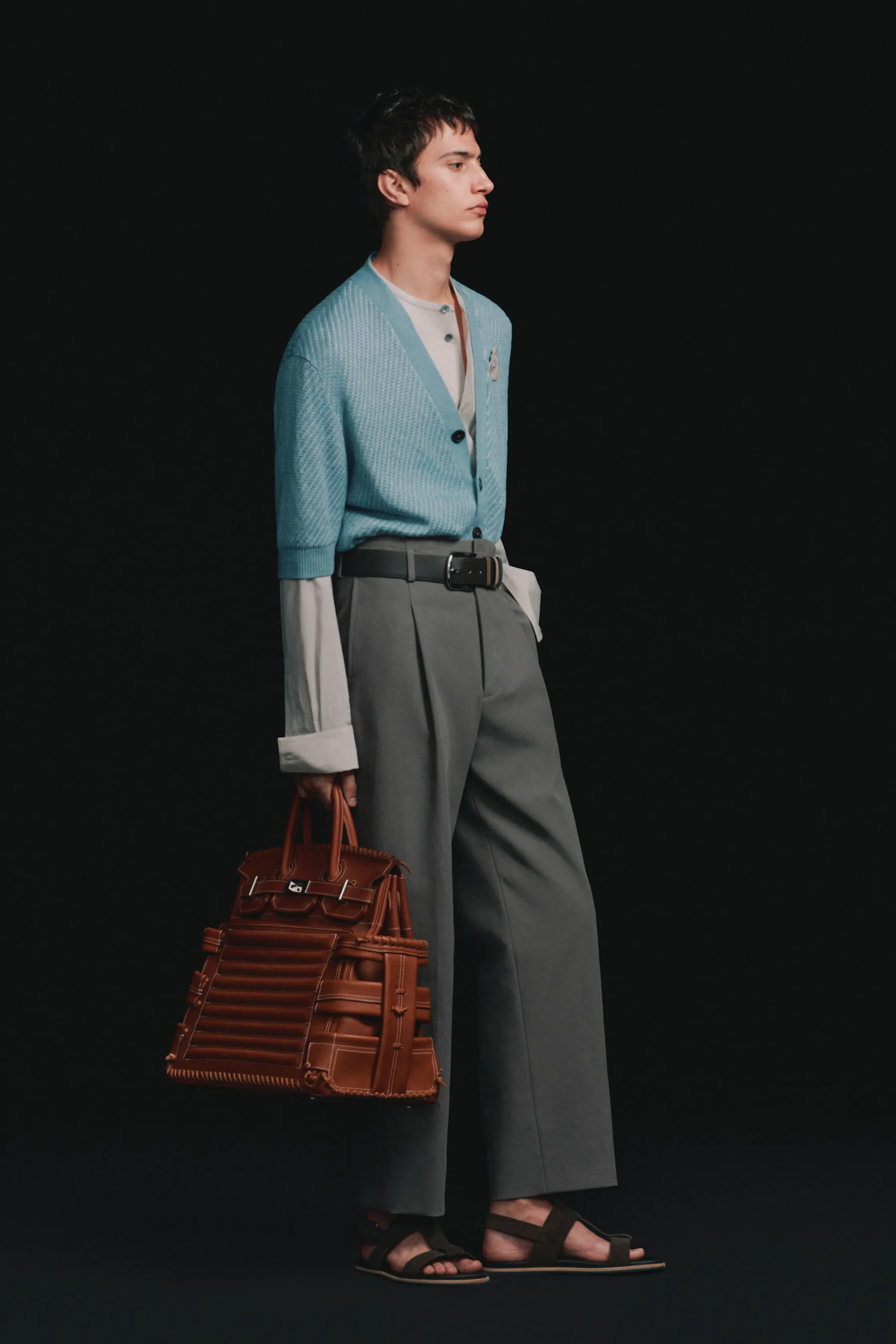
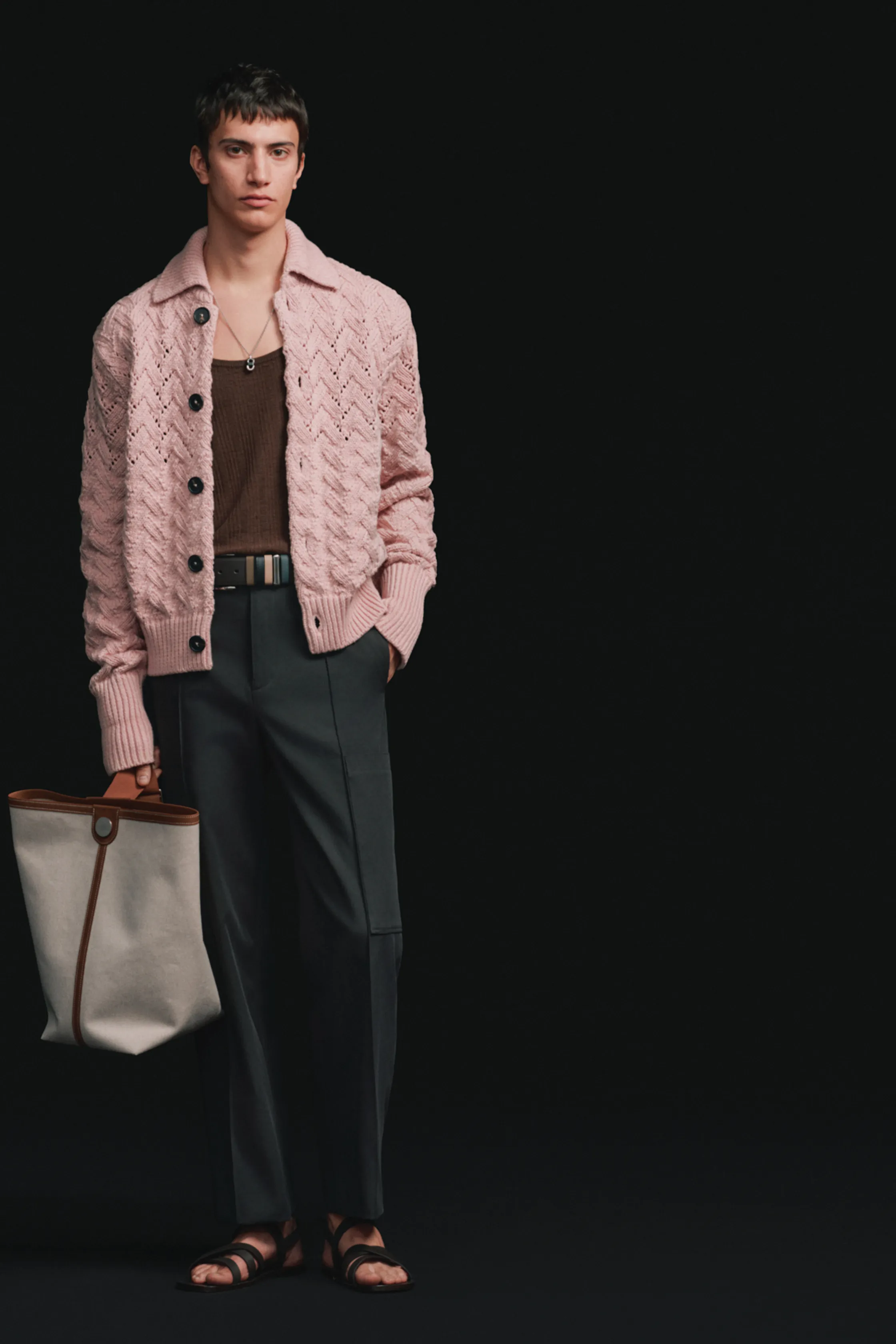
The most significant appointment of the menswear season, arguably of the year, was Grace Wales Bonner taking the creative directorship of Hermès menswear, succeeding Véronique Nichanian after a tenure measured in decades. Wales Bonner's first collection, shown in presentation format on 27 June, was necessarily introductory. But introduction, in her case, is never a quiet affair.
Wales Bonner's body of work under her own name has always been defined by a set of qualities that feel almost antithetical to how luxury heritage houses usually function: deep research, Afro-diasporic references worn without apology, a particular relationship between tailoring and movement that is at once classical and entirely her own. The question wasn't whether she could dress a Hermès man. It was which version of the Hermès man she would choose to imagine.
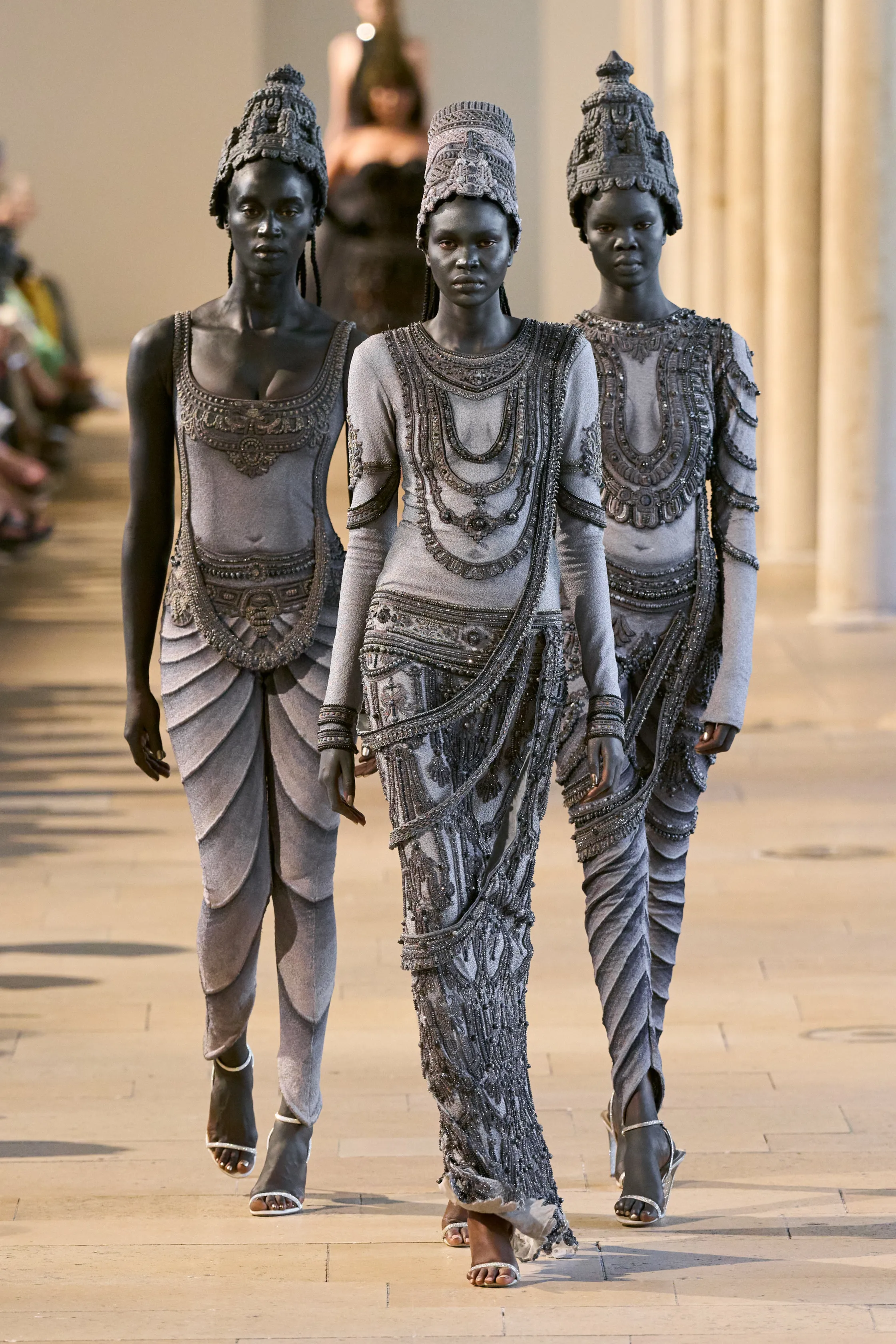
The answer, in this first outing, was one shaped by the same precision and cultural intelligence that has always characterised her work, filtered through Hermès's extraordinary material language. The artisanal craftsmanship of the house, the leather goods heritage, the horsemanship codes, the intrinsic quality of the textiles, met Wales Bonner's meticulous research in ways that felt like a genuine dialogue rather than a designer being absorbed by a brand. Her vocabulary was legible throughout. So was the brand’s. The fact that both could coexist without strain was the most encouraging thing she could have shown.
This is, obviously, only the beginning. Wales Bonner will bring a perspective to Hermès menswear that the house hasn't had before - not a disruption, but a deepening. A different kind of conversation about what this level of craft can carry. The industry will be watching, but the audience that matters most, the clients who will actually wear the clothes, already understand why this appointment is worth paying attention to.
Images courtesy Givenchy, Hermès, and Celine.
There's a version of Paris Fashion Week that exists entirely on the internet: artificial tidal waves, pop star sightings, eight-metre-high set constructions. And then there's the other version: the collections that don't come with a press release designed to generate three days of traffic but that you find yourself thinking about a week later. The ones where the clothes do the talking.
The second half of Paris Men's SS27 was defined by that quieter register. At Givenchy, Celine and Hermès, three designers - all at different stages of building or rebuilding their respective narratives - produced work that felt necessary rather than performative. None of it was subtle in any apologetic sense. It was just precise. And in a week where precision was the rarest commodity of all, that counted for a great deal.
Givenchy: Sarah Burton Arrives, Properly
It was always going to take more than three successful womenswear collections to fully dispel the nervousness around Sarah Burton's appointment at Givenchy. She'd done the women's side with something close to authority, by establishing a point of view without erasing what came before. But menswear is its own language. SS27 spoke it.
The collection was presented inside the house's Avenue George V headquarters, in three rooms lined with cast reproductions of wardrobe interiors by British artist Rachel Whiteread, an astute curatorial choice that turned the show into something quietly voyeuristic, as if you were looking into the private life of the Givenchy man rather than being shown what he should wear.
Burton's instinct, unsurprisingly, was to start from the inside out. The foundation of the collection was things men already own, or want to own, and then gently, precisely, push them somewhere more interesting. Double-breasted suits were cut with lapels that had been sliced away and reshaped, giving them a slight forward tilt that made the familiar feel considered. Tailoring skimmed the body without restraining it. Roomy trousers, biker jackets and bombers sat alongside buttery leather tracksuits in punchy cobalt, yellow and scarlet. A highlighter-bright satin car coat arrived near the end of the show and lit the room up.
This was not a collection trying to start a revolution. It was trying, and succeeding, at something harder: producing a body of work that already knows exactly who it's dressing. There's a real wardrobe here, and a real man wearing it. That sounds obvious. It rarely is.
Celine: Michael Rider Makes His Case
When Michael Rider presented his co-ed debut at Celine last year, the conversation was all about potential. This season, with a dedicated menswear collection on the Paris schedule, the conversation shifted. Rider doesn't need potential anymore. He's delivering.
The collection had the quality that distinguishes genuinely good fashion from fashion that's merely technically accomplished: it made you want to get dressed. Rider has a particular gift for volume - for understanding when a silhouette should fill a room and when it should merely suggest one - and the menswear allowed him to explore that instinct with a freedom that co-ed collections don't always permit.
There was playfulness here that felt earned rather than forced. Proportions were deliberately exaggerated in some places and almost sculpted in others, creating a rhythm across the collection that kept the eye moving. Colour appeared with a confidence, not as accent or detail but as a genuine structural element.
Celine under Rider is fast becoming one of the more interesting propositions in Paris. Not because he's being deliberately provocative or tearing anything down, but because he seems genuinely enthused by the clothes themselves. That enthusiasm, when a designer actually has it, transfers. You can feel it in the room, and you can see it in the work.
Hermès: Grace Wales Bonner Changes the Conversation
The most significant appointment of the menswear season, arguably of the year, was Grace Wales Bonner taking the creative directorship of Hermès menswear, succeeding Véronique Nichanian after a tenure measured in decades. Wales Bonner's first collection, shown in presentation format on 27 June, was necessarily introductory. But introduction, in her case, is never a quiet affair.
Wales Bonner's body of work under her own name has always been defined by a set of qualities that feel almost antithetical to how luxury heritage houses usually function: deep research, Afro-diasporic references worn without apology, a particular relationship between tailoring and movement that is at once classical and entirely her own. The question wasn't whether she could dress a Hermès man. It was which version of the Hermès man she would choose to imagine.
The answer, in this first outing, was one shaped by the same precision and cultural intelligence that has always characterised her work, filtered through Hermès's extraordinary material language. The artisanal craftsmanship of the house, the leather goods heritage, the horsemanship codes, the intrinsic quality of the textiles, met Wales Bonner's meticulous research in ways that felt like a genuine dialogue rather than a designer being absorbed by a brand. Her vocabulary was legible throughout. So was the brand’s. The fact that both could coexist without strain was the most encouraging thing she could have shown.
This is, obviously, only the beginning. Wales Bonner will bring a perspective to Hermès menswear that the house hasn't had before - not a disruption, but a deepening. A different kind of conversation about what this level of craft can carry. The industry will be watching, but the audience that matters most, the clients who will actually wear the clothes, already understand why this appointment is worth paying attention to.
Images courtesy Givenchy, Hermès, and Celine.

Must Reads
Must Reads


we are MOLTN
●
we are MOLTN
●
we are MOLTN
●
we are MOLTN
●
we are MOLTN
●
we are MOLTN
●
we are MOLTN
●
we are MOLTN
●
we are MOLTN
●
we are MOLTN
●
we are MOLTN
●
Subscribe to MOLTN

© We Are MOLTN
2026
we are MOLTN
●
we are MOLTN
●
we are MOLTN
●
we are MOLTN
●
we are MOLTN
●
we are MOLTN
●
we are MOLTN
●
we are MOLTN
●
we are MOLTN
●
we are MOLTN
●
we are MOLTN
●
Subscribe to MOLTN
© We Are MOLTN
2026
we are MOLTN
●
we are MOLTN
●
we are MOLTN
●
we are MOLTN
●
we are MOLTN
●
we are MOLTN
●
we are MOLTN
●
we are MOLTN
●
we are MOLTN
●
we are MOLTN
●
we are MOLTN
●
Subscribe to MOLTN
© We Are MOLTN
2026