
INTERVIEW: Kourosh Nouri on Building Carbon 12 and Collecting Art, Ahead of Art Basel Qatar
Culture
•
January 31, 2026
Amrita Singh
Chief Editor

Carbon 12 wasn’t built overnight - and that’s entirely the point. For gallerist Kourosh Nouri, collecting art is about discernment and commitment, not speed or spectacle.
Image credit: Natalya Urmanova
Few galleries in the Middle East have built their reputation as quietly - and as convincingly - as Carbon 12. Founded in Dubai in 2008, the gallery has spent nearly two decades championing artists with depth, rigor, and staying power, long before the global art world turned its attention to the region. With over 100 exhibitions, 70 international art fairs, and a return to the spotlight at Art Basel Qatar, we sat down with Carbon 12’s co-founder, Kourosh Nouri, to talk longevity, collecting with confidence, and why relevance can’t be rushed.
On Building Carbon 12
This feels like a good moment to pause and reflect. Tell us about yourself and the journey of Carbon 12.
It really is a love story - a passionate one. I got the initial buzz to open a gallery in 2007, and Carbon 12 officially opened its doors in 2008. Since then, it’s been an authentically marvellous journey: 18 years in the business, 101 exhibitions, and over 70 art fairs, including Frieze London, Art Basel Miami Beach, and now Art Basel Qatar.
My co-founder Nadine Knotzer and I moved to Dubai with a very clear intention: to build a gallery that mattered. One that would become genuinely relevant to the region while being fully engaged with the international art world. It took relentless work, but that foundation is what still sustains us today.
How would you describe Carbon 12’s curatorial vision today?
It has evolved, naturally, but the DNA has never changed. From the very beginning, Carbon 12 was about bridging the Middle East and its diaspora with the rest of the world.
Back in 2008, that ambition felt ambitious, even risky. Today, it feels essential. The gallery now has one of the most distinct, high-level programs in the region. Every artist we represent has presented multiple solo exhibitions with us - at least four - and our body of work reflects consistency rather than constant reinvention.
We take what we do seriously. And we also genuinely enjoy it.
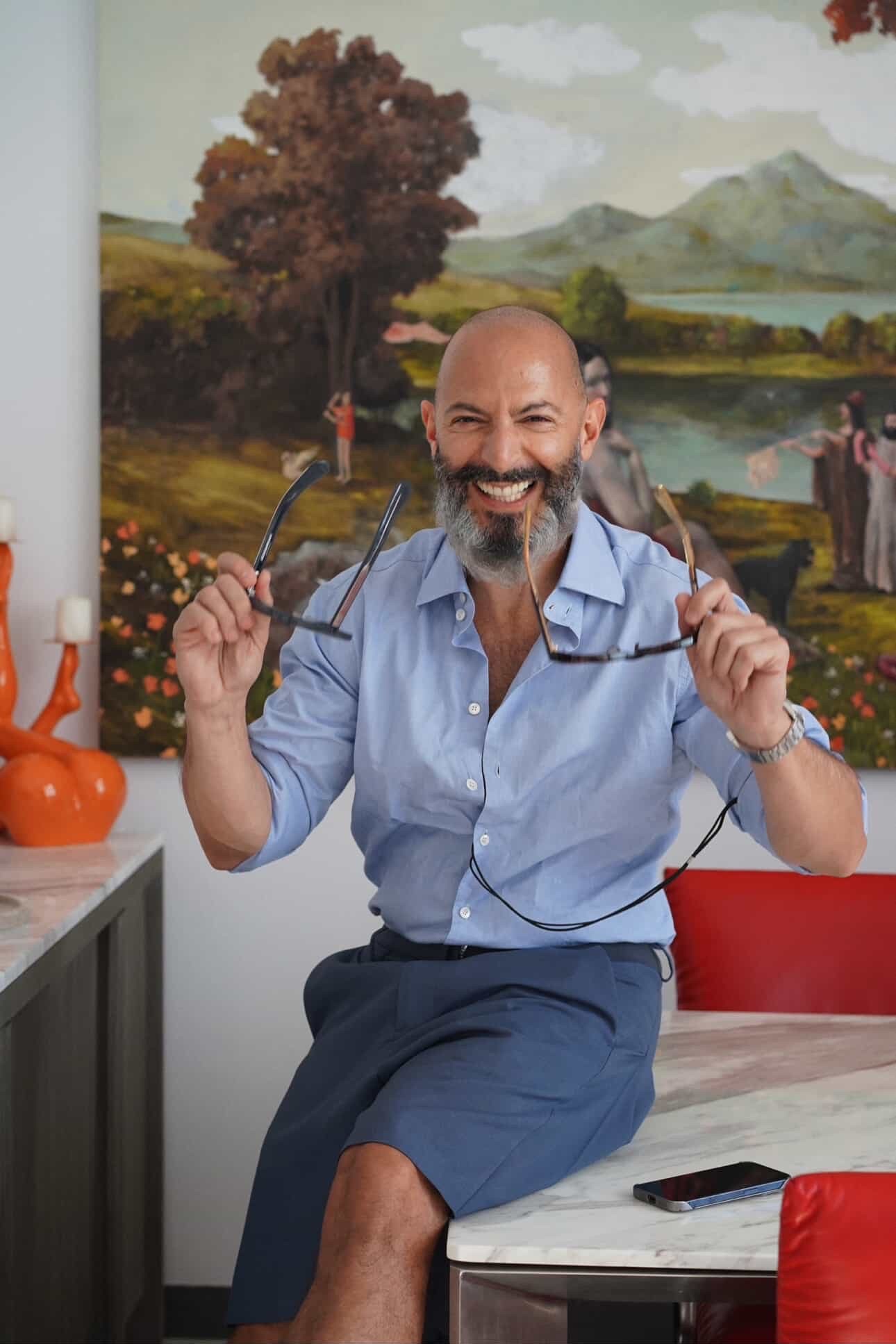
Image credit: Alena Lavdovskaya
On Curation
What guides your choices when selecting artists or projects?
This could easily be a book-length answer - but at its core, it comes down to complementarity, spectrum, and relevance.
The one thing I never want is a series of boring shows. That doesn’t mean we’re here to entertain; it means the work has to hold weight. A big part of our strength is collaboration. Nadine has an exceptional curatorial eye, especially when it comes to art fairs, and that back-and-forth has shaped the gallery since day one.
It’s never about a single exhibition. It’s about the long-term conversation.
What qualities do you look for before deciding to represent an artist?
Authenticity, grit, relevance - and the ability to produce a real body of work.
Anyone can “play” artist for a few years. Anyone can run a gallery with enough funding. What very few people can do is survive and thrive decade after decade, producing strong exhibitions consistently.
We’ve been incredibly lucky with our artists. Just in the past few months, Anahita Razmi and Gil Heitor Cortesão - each presenting their sixth solo exhibition with us - completely mesmerised audiences. And honestly, they surprised us too. That’s the level we work at.
How has the art landscape in the UAE and wider region changed since you started?
It’s changed dramatically - and largely for the better. I truly believe 2026–2027 marks a kind of “year zero” for the art market in the region.
What’s exciting is that the Middle East has finally become a serious global pole for contemporary art. That didn’t happen overnight. It’s the result of years of work by galleries, institutions, and artists. So yes - thank you to Frieze, thank you to Art Basel, thank you to Alserkal. But also, thank you to the galleries who were here long before it was fashionable.
Now the conversation is global - and that’s a very good thing.
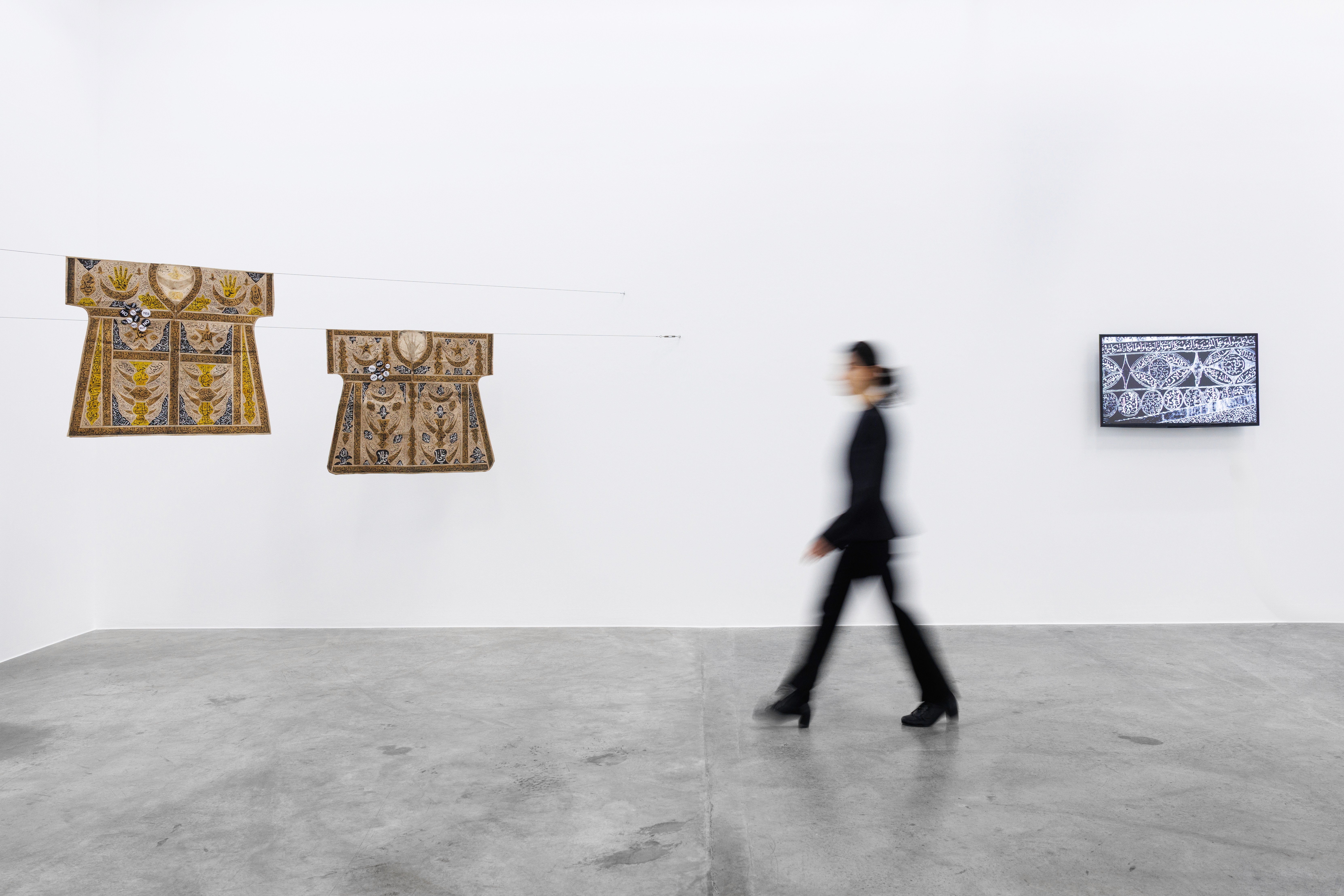
Image courtesy of Carbon 12. Pictured: The Task of the Mythologist (installation), Anahita Razmi.
On Collecting Art
For someone new to collecting, what’s the smartest place to start?
Start by looking. A lot.
Gather information. Learn about yourself. Spend time in exhibitions. Dubai alone hosts more than 25 exhibitions at any given moment - and several of them are genuinely world-class. Walk through Alserkal. Visit fairs like Art Dubai and Frieze Abu Dhabi. Train your eye.
Leave your ego outside. Read the texts. Ask questions. Let yourself love something, dislike something, or feel completely confused. That emotional response is part of the process.
Only after that does buying really make sense.
There’s still a perception that contemporary art is inaccessible. Is that true?
Not at all. Quality contemporary art doesn’t have to start at extreme price points. At Carbon 12, works begin at around $600 (AED 2,500) and range up to over $400,000.
Despite common misconceptions, pricing is transparent and merit-based. Galleries are there to share knowledge, not guard it. Make an appointment, ask questions, and form your own opinion.
Decoration is one thing - collecting is another - but neither needs to be intimidating.
What are the biggest mistakes you see new collectors make?
Buying art socially. Following whispers. Chasing hype. Letting Instagram followers or celebrity purchases dictate decisions. Those are all red flags.
It’s your money, your taste, your collection. Someone who is merely a spectator in the art world isn’t an authority. And popularity doesn’t equal relevance.
I like to compare it to buying a car: most of us aren’t engineers, yet we research, choose carefully, and trust the industry to deliver something sound. Art works the same way - just without the function.
Are there artists or movements you think are undervalued right now?
Trends come and go, and hype is always dangerous. I encourage people to judge art over a 10–15 year horizon - long enough to move through several cycles.
At Carbon 12, we focus on what holds up once the noise fades.
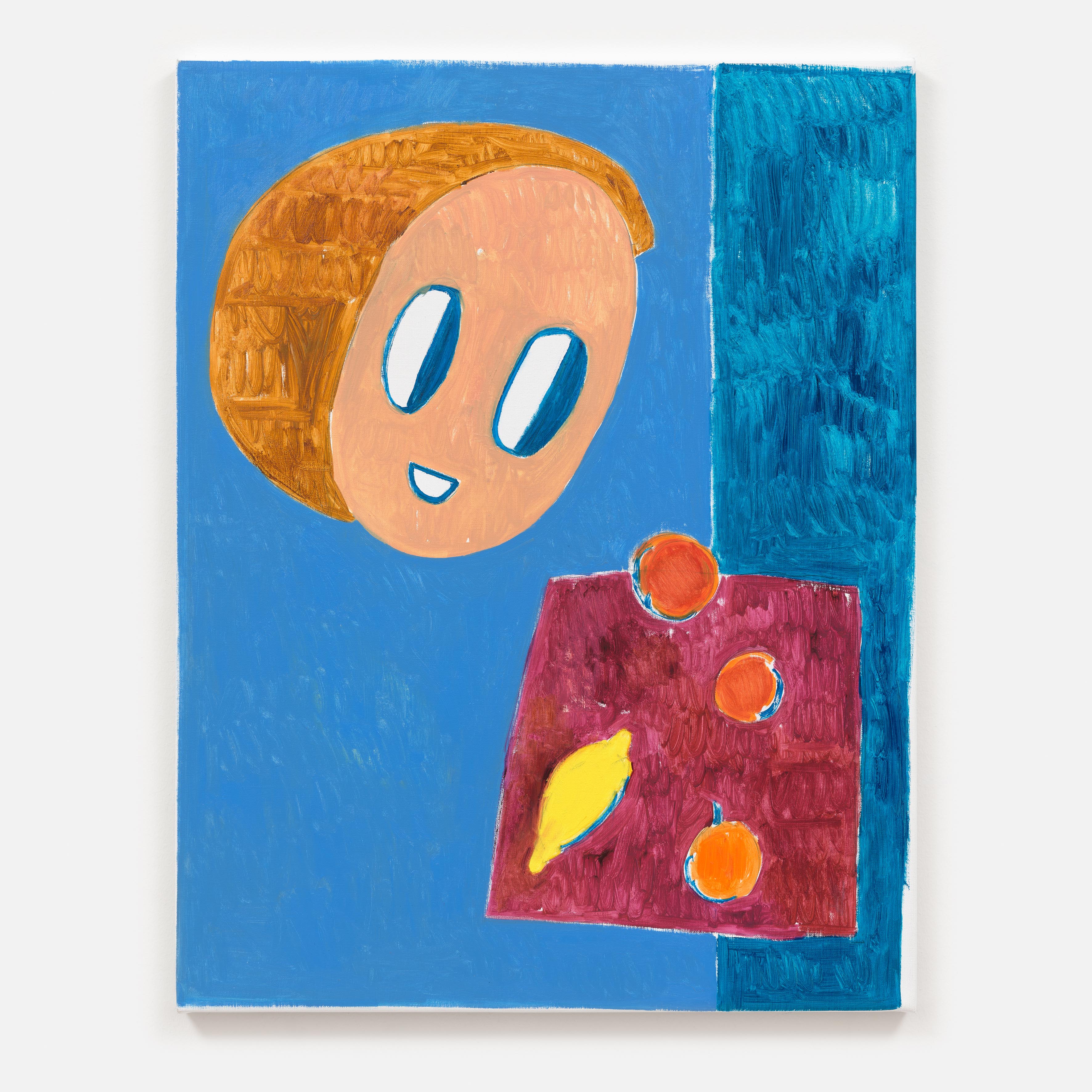
Image courtesy of Carbon 12. Pictured: Untitled, André Butzer, 2025.
On Art Basel
You’re heading to Art Basel Qatar. What are you most excited about?
We’re incredibly excited - for the gallery, and especially for Sarah Almehairi, who is being presented alongside art-historical figures. She isn’t even 30. That’s powerful.
Finally, what’s next for Carbon 12?
Honestly? Everything.
From upcoming exhibitions to individual works arriving at the gallery, the momentum is very real. Anthony Akinbola opens the night before Art Dubai. Amir Khojasteh returns in June. And we’re steadily heading toward exhibition number 200.
We’re still very much in motion.
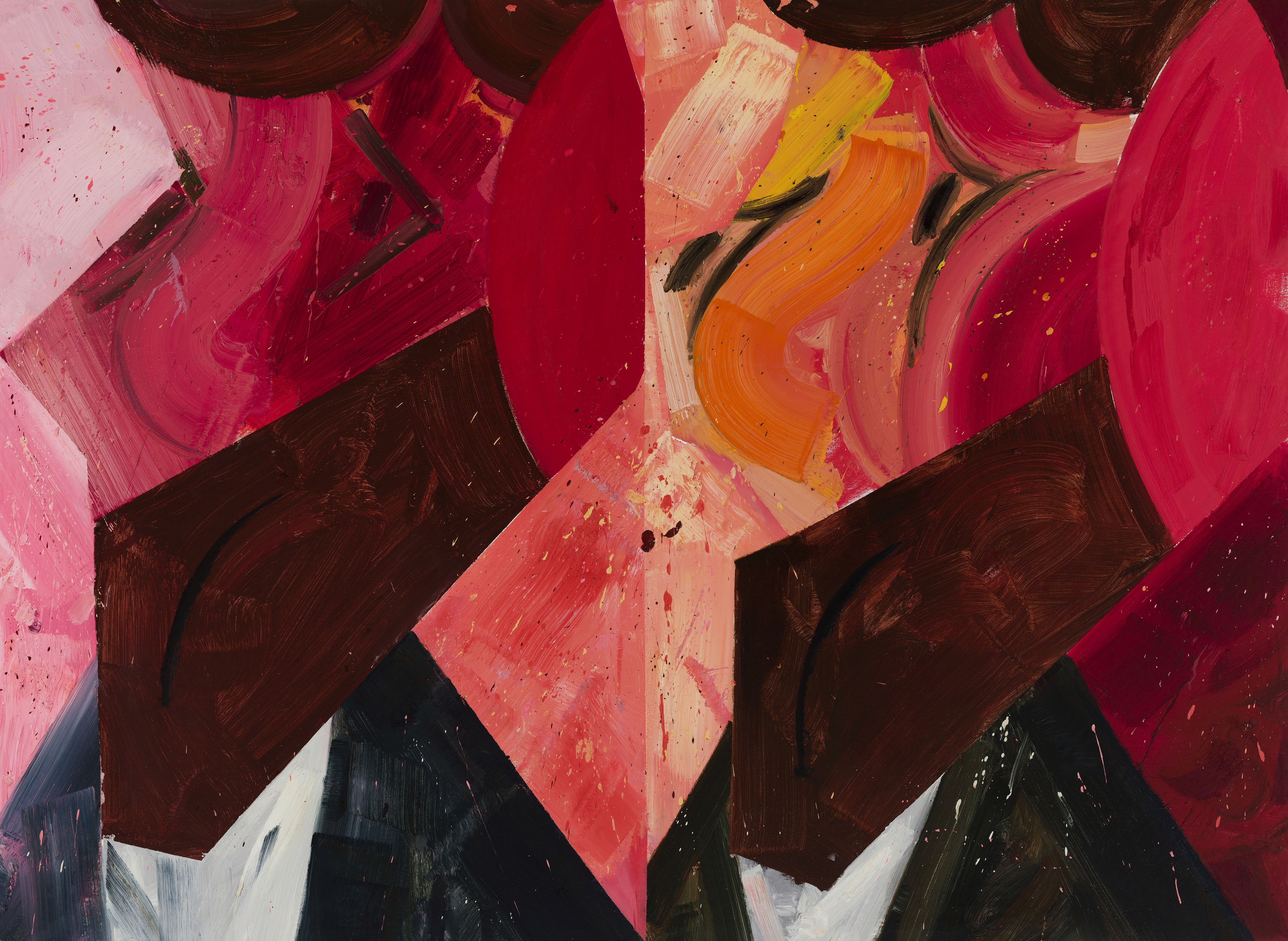
Image courtesy of Carbon 12. Pictured: Men, Burning. Amir Khojasteh, 2023.
Follow Carbon 12 here.
Image credit: Natalya Urmanova
Few galleries in the Middle East have built their reputation as quietly - and as convincingly - as Carbon 12. Founded in Dubai in 2008, the gallery has spent nearly two decades championing artists with depth, rigor, and staying power, long before the global art world turned its attention to the region. With over 100 exhibitions, 70 international art fairs, and a return to the spotlight at Art Basel Qatar, we sat down with Carbon 12’s co-founder, Kourosh Nouri, to talk longevity, collecting with confidence, and why relevance can’t be rushed.
On Building Carbon 12
This feels like a good moment to pause and reflect. Tell us about yourself and the journey of Carbon 12.
It really is a love story - a passionate one. I got the initial buzz to open a gallery in 2007, and Carbon 12 officially opened its doors in 2008. Since then, it’s been an authentically marvellous journey: 18 years in the business, 101 exhibitions, and over 70 art fairs, including Frieze London, Art Basel Miami Beach, and now Art Basel Qatar.
My co-founder Nadine Knotzer and I moved to Dubai with a very clear intention: to build a gallery that mattered. One that would become genuinely relevant to the region while being fully engaged with the international art world. It took relentless work, but that foundation is what still sustains us today.
How would you describe Carbon 12’s curatorial vision today?
It has evolved, naturally, but the DNA has never changed. From the very beginning, Carbon 12 was about bridging the Middle East and its diaspora with the rest of the world.
Back in 2008, that ambition felt ambitious, even risky. Today, it feels essential. The gallery now has one of the most distinct, high-level programs in the region. Every artist we represent has presented multiple solo exhibitions with us - at least four - and our body of work reflects consistency rather than constant reinvention.
We take what we do seriously. And we also genuinely enjoy it.
Image credit: Alena Lavdovskaya
On Curation
What guides your choices when selecting artists or projects?
This could easily be a book-length answer - but at its core, it comes down to complementarity, spectrum, and relevance.
The one thing I never want is a series of boring shows. That doesn’t mean we’re here to entertain; it means the work has to hold weight. A big part of our strength is collaboration. Nadine has an exceptional curatorial eye, especially when it comes to art fairs, and that back-and-forth has shaped the gallery since day one.
It’s never about a single exhibition. It’s about the long-term conversation.
What qualities do you look for before deciding to represent an artist?
Authenticity, grit, relevance - and the ability to produce a real body of work.
Anyone can “play” artist for a few years. Anyone can run a gallery with enough funding. What very few people can do is survive and thrive decade after decade, producing strong exhibitions consistently.
We’ve been incredibly lucky with our artists. Just in the past few months, Anahita Razmi and Gil Heitor Cortesão - each presenting their sixth solo exhibition with us - completely mesmerised audiences. And honestly, they surprised us too. That’s the level we work at.
How has the art landscape in the UAE and wider region changed since you started?
It’s changed dramatically - and largely for the better. I truly believe 2026–2027 marks a kind of “year zero” for the art market in the region.
What’s exciting is that the Middle East has finally become a serious global pole for contemporary art. That didn’t happen overnight. It’s the result of years of work by galleries, institutions, and artists. So yes - thank you to Frieze, thank you to Art Basel, thank you to Alserkal. But also, thank you to the galleries who were here long before it was fashionable.
Now the conversation is global - and that’s a very good thing.
Image courtesy of Carbon 12. Pictured: The Task of the Mythologist (installation), Anahita Razmi.
On Collecting Art
For someone new to collecting, what’s the smartest place to start?
Start by looking. A lot.
Gather information. Learn about yourself. Spend time in exhibitions. Dubai alone hosts more than 25 exhibitions at any given moment - and several of them are genuinely world-class. Walk through Alserkal. Visit fairs like Art Dubai and Frieze Abu Dhabi. Train your eye.
Leave your ego outside. Read the texts. Ask questions. Let yourself love something, dislike something, or feel completely confused. That emotional response is part of the process.
Only after that does buying really make sense.
There’s still a perception that contemporary art is inaccessible. Is that true?
Not at all. Quality contemporary art doesn’t have to start at extreme price points. At Carbon 12, works begin at around $600 (AED 2,500) and range up to over $400,000.
Despite common misconceptions, pricing is transparent and merit-based. Galleries are there to share knowledge, not guard it. Make an appointment, ask questions, and form your own opinion.
Decoration is one thing - collecting is another - but neither needs to be intimidating.
What are the biggest mistakes you see new collectors make?
Buying art socially. Following whispers. Chasing hype. Letting Instagram followers or celebrity purchases dictate decisions. Those are all red flags.
It’s your money, your taste, your collection. Someone who is merely a spectator in the art world isn’t an authority. And popularity doesn’t equal relevance.
I like to compare it to buying a car: most of us aren’t engineers, yet we research, choose carefully, and trust the industry to deliver something sound. Art works the same way - just without the function.
Are there artists or movements you think are undervalued right now?
Trends come and go, and hype is always dangerous. I encourage people to judge art over a 10–15 year horizon - long enough to move through several cycles.
At Carbon 12, we focus on what holds up once the noise fades.
Image courtesy of Carbon 12. Pictured: Untitled, André Butzer, 2025.
On Art Basel
You’re heading to Art Basel Qatar. What are you most excited about?
We’re incredibly excited - for the gallery, and especially for Sarah Almehairi, who is being presented alongside art-historical figures. She isn’t even 30. That’s powerful.
Finally, what’s next for Carbon 12?
Honestly? Everything.
From upcoming exhibitions to individual works arriving at the gallery, the momentum is very real. Anthony Akinbola opens the night before Art Dubai. Amir Khojasteh returns in June. And we’re steadily heading toward exhibition number 200.
We’re still very much in motion.
Image courtesy of Carbon 12. Pictured: Men, Burning. Amir Khojasteh, 2023.
Follow Carbon 12 here.


Must Reads
Must Reads


we are MOLTN
●
we are MOLTN
●
we are MOLTN
●
we are MOLTN
●
we are MOLTN
●
we are MOLTN
●
we are MOLTN
●
we are MOLTN
●
we are MOLTN
●
we are MOLTN
●
we are MOLTN
●
Subscribe to MOLTN

© We Are MOLTN
2026
we are MOLTN
●
we are MOLTN
●
we are MOLTN
●
we are MOLTN
●
we are MOLTN
●
we are MOLTN
●
we are MOLTN
●
we are MOLTN
●
we are MOLTN
●
we are MOLTN
●
we are MOLTN
●
Subscribe to MOLTN
© We Are MOLTN
2026
we are MOLTN
●
we are MOLTN
●
we are MOLTN
●
we are MOLTN
●
we are MOLTN
●
we are MOLTN
●
we are MOLTN
●
we are MOLTN
●
we are MOLTN
●
we are MOLTN
●
we are MOLTN
●
Subscribe to MOLTN
© We Are MOLTN
2026