


You don't need August to read a 500-page novel to feel accomplished. These five prove a book can be slim and still stay with you.
You made a list back in June. Twelve books, maybe fifteen, all with good intentions attached. It's now August, and you've finished two of them, one of which was a cookbook. This isn't a lecture about discipline. It's a workaround: six books that are genuinely worth your time and short enough that "no time" stops being the excuse. None of these are filler. They're just proof that a book doesn't need 400 pages to sit with you for a year.
Foster by Claire Keegan (128 pages)
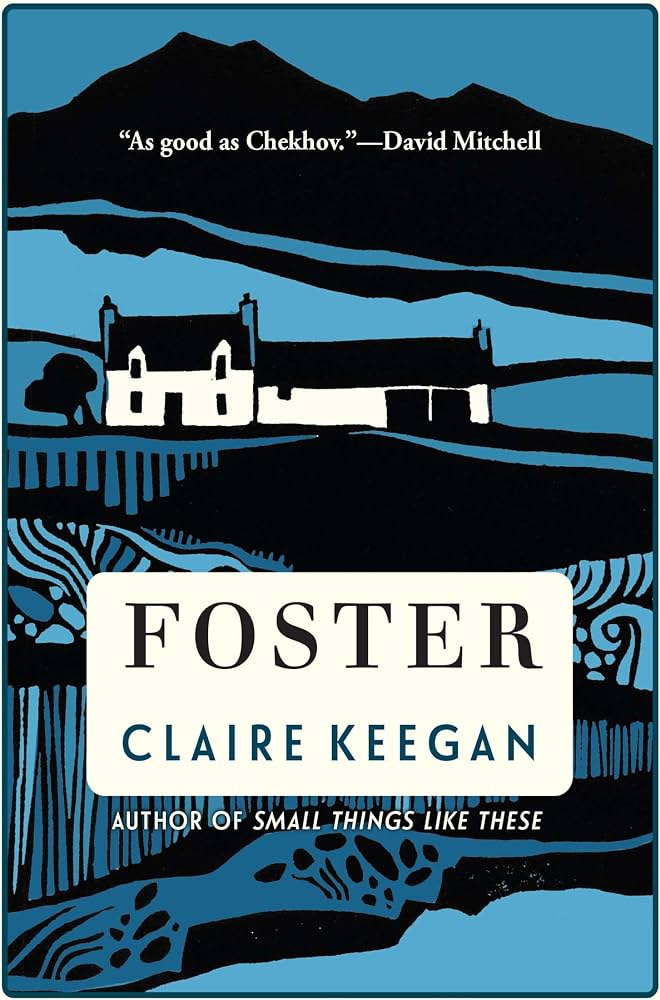
Keegan doesn't waste a sentence, and this one earns every bit of the reputation. A girl is sent to live with relatives for a summer while her mother gives birth to another child at home, and in the space of an afternoon in rural Ireland, she learns what it feels like to be looked after properly. You'll read it in one sitting and think about it for a week. If the wave of readers discovering it after the film adaptation taught us anything, it's that word-of-mouth still works better than any algorithm.
I Who Have Never Known Men by Jacqueline Harpman (under 200 pages)
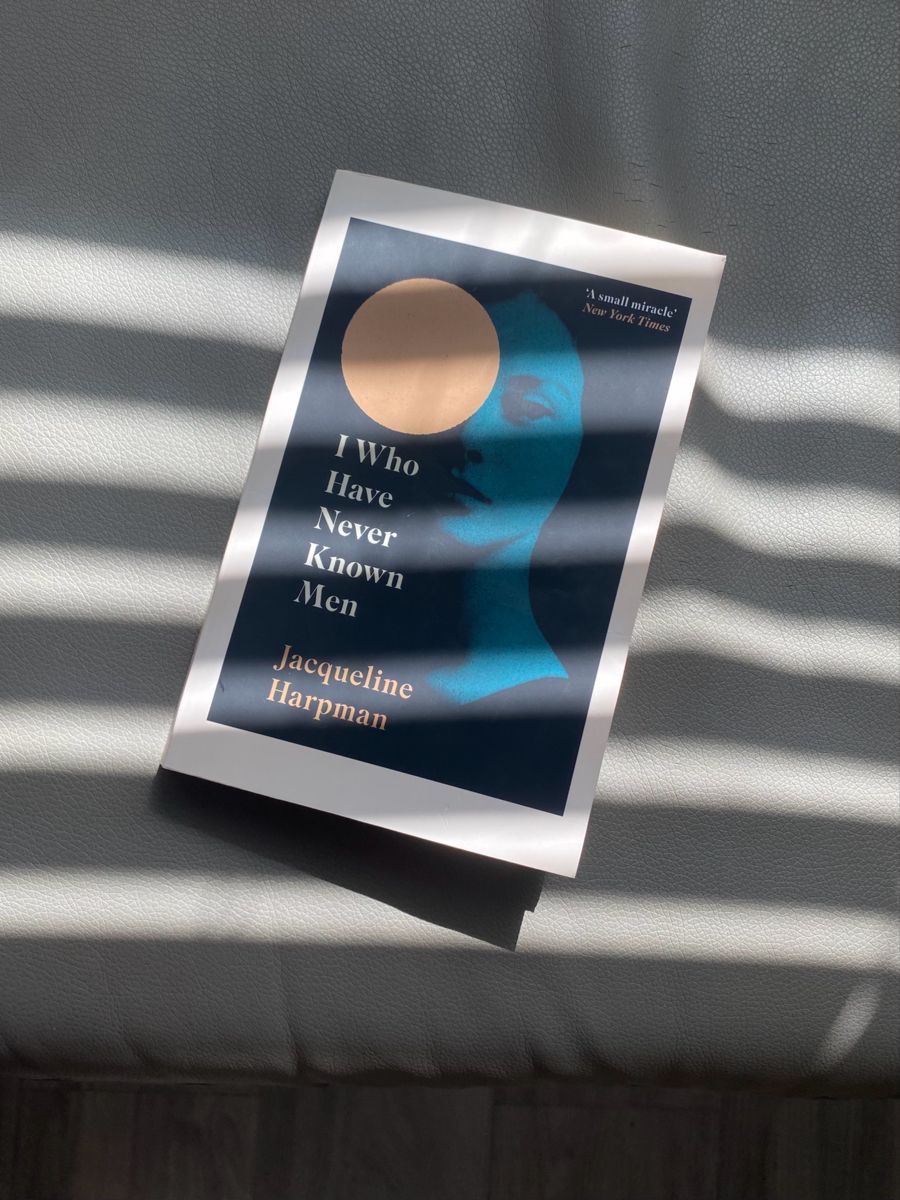
Written in 1995, ignored for decades, and now the book BookTok can't stop pressing into strangers' hands. Thirty-nine women are held underground with no memory of how they got there. One of them, the youngest, has no memory of the world before at all. What follows isn't a rescue story; it's something stranger and more unsettling, about what's left of a person once every context has been stripped away. The internet's renewed obsession with dystopian fiction written by women didn't come from nowhere, and this is the one that started the conversation, long before Atwood.
The Dry Heart by Natalia Ginzburg (about 100 pages)
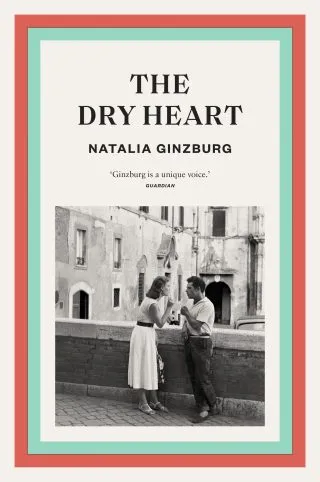
Ginzburg opens with the narrator shooting her husband between the eyes, then spends the rest of the book explaining, calmly, how she got there. It's a marriage plot with the sentiment surgically removed, dry, exact, occasionally very funny in a way that catches you off guard. This is the book to hand anyone who says literary fiction from the mid-twentieth century is a slog. It isn't. It's just been sitting quietly, waiting for the reissue.
This Is How You Lose the Time War by Amal El-Mohtar & Max Gladstone (198 pages)
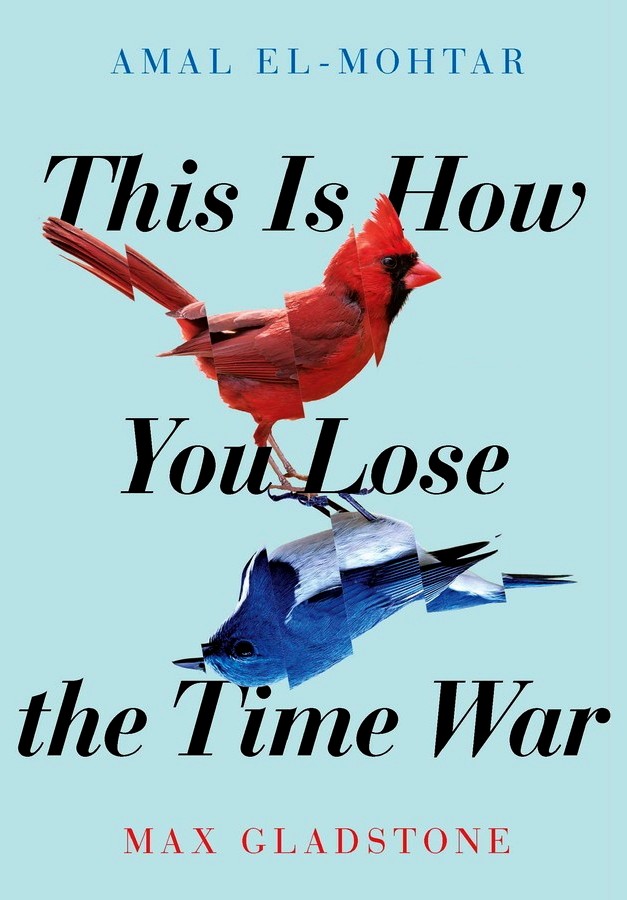
Two agents on opposite sides of a war across timelines start leaving each other letters. Then the letters become something else. It won the Hugo, the Nebula, and the Locus back in 2019 and 2020, and it's been resurfacing on reading lists ever since a single post reminded everyone it exists, proof that a good book doesn't have an expiration date, just a delay before it finds its people. The prose is dense and lyrical in a way that rewards slow reading, which, for a book this short, is not a contradiction.
The Vegetarian by Han Kang (188 pages)
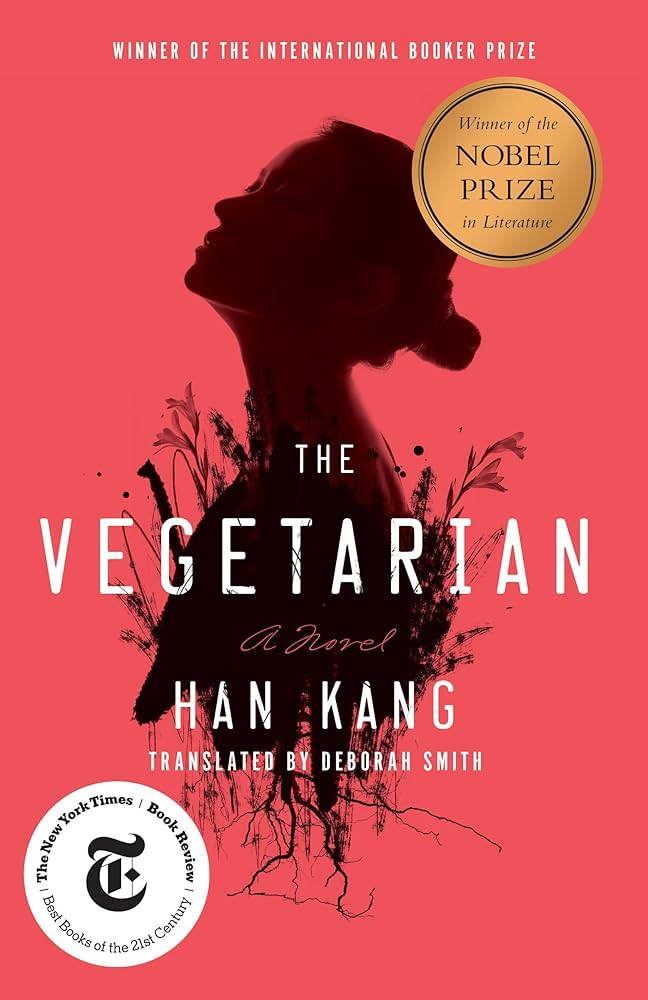
A woman stops eating meat. Her family responds with an escalating cruelty that says more about them than it ever does about her. Kang, now a Nobel laureate, wrote something that reads less like a novel and more like a slow unraveling told from three different rooms in the same house. It's been translated, adapted, and argued over for a decade, and it still lands like it was written last month. If you only make time for one "difficult" book this summer, make it this one, it moves faster than its reputation suggests.
The Dangers of Smoking in Bed — Mariana Enríquez (187 pages)
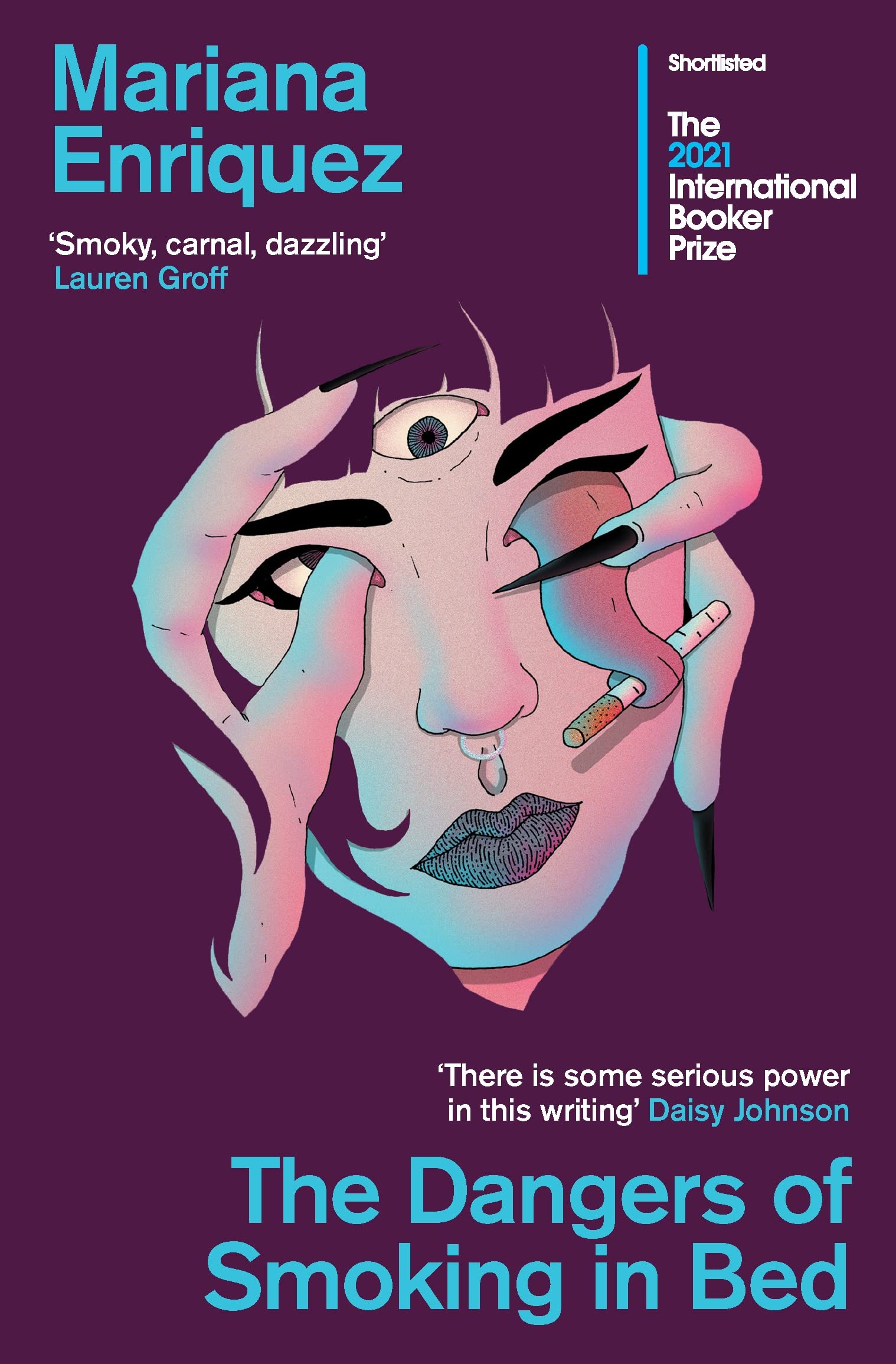
Enríquez writes horror the way it actually works on people: not with a single jump scare but with the slow understanding that something in the room has been wrong the entire time. This story collection, translated by Megan McDowell and shortlisted for the International Booker Prize in 2021, moves through Buenos Aires' back streets, hospitals, and haunted apartment blocks with a steadiness that makes the horror land harder, bodies that won't stay buried, girls who set themselves on fire, a house that keeps a very specific kind of company. It's not comfort reading, and it isn't trying to be. If you want proof that literary horror can carry as much weight as anything shelved as "serious fiction," start here.
None of these will take you longer than a weekend. All of them will outlast the season. Add them to the list, actually finish the list, and skip the guilt entirely.
You made a list back in June. Twelve books, maybe fifteen, all with good intentions attached. It's now August, and you've finished two of them, one of which was a cookbook. This isn't a lecture about discipline. It's a workaround: six books that are genuinely worth your time and short enough that "no time" stops being the excuse. None of these are filler. They're just proof that a book doesn't need 400 pages to sit with you for a year.
Foster by Claire Keegan (128 pages)
Keegan doesn't waste a sentence, and this one earns every bit of the reputation. A girl is sent to live with relatives for a summer while her mother gives birth to another child at home, and in the space of an afternoon in rural Ireland, she learns what it feels like to be looked after properly. You'll read it in one sitting and think about it for a week. If the wave of readers discovering it after the film adaptation taught us anything, it's that word-of-mouth still works better than any algorithm.
I Who Have Never Known Men by Jacqueline Harpman (under 200 pages)
Written in 1995, ignored for decades, and now the book BookTok can't stop pressing into strangers' hands. Thirty-nine women are held underground with no memory of how they got there. One of them, the youngest, has no memory of the world before at all. What follows isn't a rescue story; it's something stranger and more unsettling, about what's left of a person once every context has been stripped away. The internet's renewed obsession with dystopian fiction written by women didn't come from nowhere, and this is the one that started the conversation, long before Atwood.
The Dry Heart by Natalia Ginzburg (about 100 pages)
Ginzburg opens with the narrator shooting her husband between the eyes, then spends the rest of the book explaining, calmly, how she got there. It's a marriage plot with the sentiment surgically removed, dry, exact, occasionally very funny in a way that catches you off guard. This is the book to hand anyone who says literary fiction from the mid-twentieth century is a slog. It isn't. It's just been sitting quietly, waiting for the reissue.
This Is How You Lose the Time War by Amal El-Mohtar & Max Gladstone (198 pages)
Two agents on opposite sides of a war across timelines start leaving each other letters. Then the letters become something else. It won the Hugo, the Nebula, and the Locus back in 2019 and 2020, and it's been resurfacing on reading lists ever since a single post reminded everyone it exists, proof that a good book doesn't have an expiration date, just a delay before it finds its people. The prose is dense and lyrical in a way that rewards slow reading, which, for a book this short, is not a contradiction.
The Vegetarian by Han Kang (188 pages)
A woman stops eating meat. Her family responds with an escalating cruelty that says more about them than it ever does about her. Kang, now a Nobel laureate, wrote something that reads less like a novel and more like a slow unraveling told from three different rooms in the same house. It's been translated, adapted, and argued over for a decade, and it still lands like it was written last month. If you only make time for one "difficult" book this summer, make it this one, it moves faster than its reputation suggests.
The Dangers of Smoking in Bed — Mariana Enríquez (187 pages)
Enríquez writes horror the way it actually works on people: not with a single jump scare but with the slow understanding that something in the room has been wrong the entire time. This story collection, translated by Megan McDowell and shortlisted for the International Booker Prize in 2021, moves through Buenos Aires' back streets, hospitals, and haunted apartment blocks with a steadiness that makes the horror land harder, bodies that won't stay buried, girls who set themselves on fire, a house that keeps a very specific kind of company. It's not comfort reading, and it isn't trying to be. If you want proof that literary horror can carry as much weight as anything shelved as "serious fiction," start here.
None of these will take you longer than a weekend. All of them will outlast the season. Add them to the list, actually finish the list, and skip the guilt entirely.



Must Reads
Must Reads


we are MOLTN
●
we are MOLTN
●
we are MOLTN
●
we are MOLTN
●
we are MOLTN
●
we are MOLTN
●
we are MOLTN
●
we are MOLTN
●
we are MOLTN
●
we are MOLTN
●
we are MOLTN
●
Subscribe to MOLTN
© We Are MOLTN
2026
we are MOLTN
●
we are MOLTN
●
we are MOLTN
●
we are MOLTN
●
we are MOLTN
●
we are MOLTN
●
we are MOLTN
●
we are MOLTN
●
we are MOLTN
●
we are MOLTN
●
we are MOLTN
●
Subscribe to MOLTN
© We Are MOLTN
2026
we are MOLTN
●
we are MOLTN
●
we are MOLTN
●
we are MOLTN
●
we are MOLTN
●
we are MOLTN
●
we are MOLTN
●
we are MOLTN
●
we are MOLTN
●
we are MOLTN
●
we are MOLTN
●
Subscribe to MOLTN
© We Are MOLTN
2026